Home > Money > Question
Need Expert Advice?Our Gurus Can Help

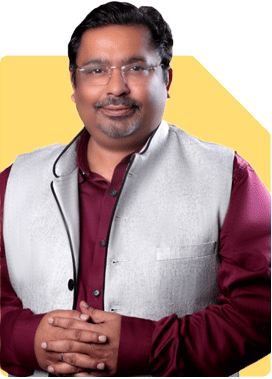
Ramalingam

Ramalingam Kalirajan  |10848 Answers  |Ask -

Mutual Funds, Financial Planning Expert - Answered on Apr 08, 2024

Ramalingam Kalirajan has over 23 years of experience in mutual funds and financial planning.
He has an MBA in finance from the University of Madras and is a certified financial planner.
He is the director and chief financial planner at Holistic Investment, a Chennai-based firm that offers financial planning and wealth management advice.... more
Asked by Anonymous - Apr 07, 2024Hindi

Listen
Money

Hello Sir, I want to invest 25k monthly in SIP with retirement and child education as investment goal . I am also planning to step up the SIP amount every year after I get the increment. Could you please tell me in which MF fund should I invest and how much should I increase the SIP amount very year. Target corpus ( investment horizon - 15 years) Retirement (least amount ) - 4-5 Cr Child Education - 4-5 Cr My wife is also working and can invest 15k more in addition to above amount.

Ans: Given your investment goals and time horizon, here's a suggested investment plan:

Retirement Corpus:

Allocate a significant portion of your SIP amount to large-cap, multi-cap, and diversified equity funds.
Large-cap funds offer stability, while multi-cap and diversified equity funds provide growth potential.
Gradually increase SIP amounts annually to keep pace with inflation and salary increments.
Child Education Corpus:

Diversify your SIPs across large-cap, multi-cap, balanced, and thematic funds.
Large-cap funds offer stability, while multi-cap and balanced funds provide growth potential with lower volatility.
Thematic funds can be considered for specific sectors or themes with growth potential, but exercise caution due to higher risk.
Combined SIP Allocation:

Allocate SIP investments based on your risk tolerance, investment horizon, and financial goals.
Balance the allocation between retirement and child education based on priority and time horizon.
Gradually increase SIP amounts annually to align with your financial goals and growing expenses.
Review and Monitoring:

Regularly review the performance of your SIP investments and adjust asset allocation if necessary.
Seek advice from a financial advisor to periodically assess your progress and make any required adjustments to stay on track with your goals.
By following a diversified investment approach and gradually increasing your SIP amounts over time, you can work towards building a substantial corpus for both your retirement and your child's education.
DISCLAIMER: The content of this post by the expert is the personal view of the rediffGURU. Users are advised to pursue the information provided by the rediffGURU only as a source of information to be as a point of reference and to rely on their own judgement when making a decision.
Money

You may like to see similar questions and answers below
Ramalingam

Ramalingam Kalirajan  |10848 Answers  |Ask -

Mutual Funds, Financial Planning Expert - Answered on May 09, 2024

Listen
Money
Hello Dev, I am 32 years old and would like to start SIP for 5k per month to create retirement corpus of 1 crore. Also would like to generate 30 lacs in another 10 years for closing housing loan. Already have three MF SIP as below. Quant active fund 1000 Quant ELSS tax saver fund 500 ICICI prudential corporate bond fund 150 Kindly suggest in which MF should I invest further and also how much should I increase the SIP amount to achieve the above goals. Thank you.
Ans: It's great to see your proactive approach towards planning for your financial future. Your dedication to investing is commendable.
Starting an SIP with 5k per month is a wise decision to create a retirement corpus of 1 crore. Additionally, generating 30 lakhs in 10 years to close your housing loan is a smart goal.
Considering your existing SIPs in Quant Active Fund, Quant ELSS Tax Saver Fund, and ICICI Prudential Corporate Bond Fund, you have a good foundation. However, to diversify your portfolio and align it with your goals, you may want to consider the following suggestions:
1. Equity-oriented funds with higher growth potential can help you achieve your long-term goals. Look into diversified equity funds or multi-cap funds for exposure to various segments of the market.
2. Since your investment horizon is long-term, you can afford to take slightly higher risks for potentially higher returns. Adding more equity-oriented funds can help you achieve this.
3. To generate the required amount for your housing loan closure in 10 years, you may need to increase your SIP amounts gradually. Consider reviewing your financial situation periodically and increasing your SIP contributions accordingly.
4. As a Certified Financial Planner, I recommend staying disciplined with your investments and adhering to your financial plan. Regularly review your portfolio's performance and make adjustments as needed to stay on track towards your goals.
By diversifying your portfolio and gradually increasing your SIP amounts, you can work towards achieving your financial objectives effectively.
Best Regards,
K. Ramalingam, MBA, CFP,
Chief Financial Planner,
www.holisticinvestment.in

..Read more

Ramalingam

Ramalingam Kalirajan  |10848 Answers  |Ask -

Mutual Funds, Financial Planning Expert - Answered on Jun 16, 2025

Money
Hi sir I'm 30 years old and started my sip 10 months ago 1.5 lakhs invested till the date . Want to invest for 15 years Below are details Quant small cap 2.5 k per month Nippon India small cap 5k Motilal Oswal mid cap 5k Parag Parikh flexi cap 3k ICICI prudential nifty 50 index fund etf Rs 200/- 1. Currently investing Rs15700/- want to invest 20k suggest which Current MF to invest more amount or any changes need to be done. 2. Should I invest 5 lakhs in lump sum or in sip which is better
Ans: You have made a great start at the age of 30. Investing early builds strong financial foundation. You are investing Rs. 15,700 per month, which is a healthy amount. You are also planning to increase it to Rs. 20,000 monthly. That’s a smart move. You also have Rs. 5 lakhs for lump sum investing. Now let’s evaluate your mutual fund choices, portfolio structure, and ideal action plan.

Age, Time Horizon and Investment Profile
Age: 30 years

Investment horizon: 15 years

Monthly SIP: Rs. 15,700 currently

Planning to increase to: Rs. 20,000

Lump sum available: Rs. 5 lakhs

Your strengths:

Long time horizon gives high compounding benefit

SIP is already running in good amount

You are open to increasing your investment

You are thinking long term. That’s the right mindset

Let’s analyse your mutual funds in a structured way.

Analysing Your Existing SIP Portfolio
1. Small Cap Exposure
Two small cap funds: Rs. 7,500 per month

These are high-risk, high-return funds

You are investing 48% of SIP into small cap category

That is a high concentration for a young portfolio

Small caps can be very volatile

Better to reduce exposure a little

2. Mid Cap Exposure
One mid cap fund: Rs. 5,000 per month

Mid cap funds are ideal for long-term investors

They balance growth and stability

32% allocation to mid caps is fine

3. Flexi Cap Exposure
One flexi cap fund: Rs. 3,000 per month

Flexi cap funds give fund manager freedom to move between cap sizes

These are good for diversification and dynamic allocation

You can increase allocation here

4. Index Fund (ETF)
Monthly investment: Rs. 200 only

You mentioned it as Nifty 50 ETF

This is an index fund

Index funds have no flexibility

They can’t protect in falling markets

They follow the index blindly

Active funds have proven to beat index consistently over time

Avoid index funds in wealth creation journey

You may exit this and reallocate to active funds

Suggested Portfolio Changes
You aim to invest Rs. 20,000 per month going forward. Let’s realign your portfolio with a strong mix.

Suggested fund category allocation:

Small Cap Funds: 25% of SIP

Mid Cap Funds: 30% of SIP

Flexi Cap Funds: 25% of SIP

Large & Mid Cap Funds: 20% of SIP

New monthly SIP allocation suggestion (Rs. 20,000 total):

Small Cap: Rs. 5,000

Mid Cap: Rs. 6,000

Flexi Cap: Rs. 5,000

Large & Mid Cap: Rs. 4,000

Key actions to take:

Reduce SIP in one small cap fund by Rs. 2,500

Continue with one small cap only. Pick the more consistent one

Increase allocation in Flexi Cap fund

Introduce one Large & Mid Cap fund to diversify

Exit the index ETF fund completely

It adds little value and lacks protection in correction

Should You Invest Rs. 5 Lakhs as Lump Sum or SIP?
This is a very important question. Your decision must consider market timing risk.

Risks in lump sum investing:

If market falls just after lump sum, portfolio value drops

Emotionally it becomes hard to continue

Market may not recover quickly

You may exit at wrong time if not mentally prepared

SIP offers smoother entry:

Rupee cost averaging works well in SIP

Emotional comfort is higher

Volatility is absorbed better

You avoid regret of wrong timing

Best way to invest Rs. 5 lakhs:

Do not invest all in one go

Spread it over next 6 to 9 months

Do STP (Systematic Transfer Plan) from liquid fund to equity funds

This gives safety and gradual market exposure

Choose funds where you are continuing SIP for long term

Avoid lump sum in small cap or sector funds

Suggested STP action:

Put Rs. 5 lakhs in a low-risk liquid fund

Transfer Rs. 55,000 to Rs. 80,000 per month into chosen equity funds

Use the same four fund categories for STP

Asset Allocation View for 360-Degree Planning
You are young. You can afford high equity exposure. But that doesn't mean 100% small caps.

Suggested equity exposure:

Total equity exposure: 90%

Liquid/emergency: 10%

You can take this exposure for next 10 years

Ideal allocation among equity styles:

Large cap and large & mid cap: 30%

Mid cap: 30%

Small cap: 20–25%

Flexi cap and multi cap: 15–20%

This structure gives better balance. It protects from high volatility and improves long-term returns.

Regular Funds vs Direct Funds
You didn’t mention if you are using direct plans. If yes, then please note these:

Disadvantages of Direct Funds:

You get no guidance during market volatility

You may stop SIP at wrong time

No proper rebalancing or strategy check

Emotionally hard to manage alone

Many direct investors make mistakes in fund choice and exit timing

Benefits of Regular Funds through Certified Financial Planner:

Ongoing tracking and review of your portfolio

Behavioural coaching during market fall

Proper rebalancing and performance audit

Long-term handholding for goal-based planning

Worth more than the small trail cost involved

For long-term wealth creation, professional support is very useful.

Additional Suggestions for Long-Term Success
Emergency Fund Planning:

Keep 6 months expenses in a liquid fund

Never invest this portion in equity

Insurance:

Take pure term insurance if not yet done

Health insurance for self and family is also must

Periodic Review:

Review your SIP funds every 12 months

Do not change funds based on short-term return

Stick to the goal and asset allocation

Avoid These Mistakes:

Do not invest in traditional LIC plans, endowment or ULIP

Avoid high exposure to sector or thematic funds

Don’t go for trending new funds or NFOs

Avoid real estate for now. Liquidity is poor and returns are slow

Do not invest in index funds unless portfolio is very large

Taxation Point to Note:

Equity mutual funds: LTCG above Rs. 1.25 lakhs taxed at 12.5%

STCG taxed at 20%

Debt fund returns taxed as per your income slab

Plan redemptions carefully to reduce tax impact

Finally
You have a great start at 30.

Keep investing consistently for 15 years

Reduce small cap exposure a little

Remove index fund ETF from your SIP

Use STP for Rs. 5 lakhs investment

Add one large & mid cap fund to portfolio

Review regularly with a Certified Financial Planner

You are on the right path. With a few changes and disciplined investing, you will build long-term wealth.

Best Regards,
K. Ramalingam, MBA, CFP,
Chief Financial Planner,
www.holisticinvestment.in
https://www.youtube.com/@HolisticInvestment

..Read more

Latest Questions
Anu

Anu Krishna  |1734 Answers  |Ask -

Relationships Expert, Mind Coach - Answered on Nov 18, 2025

Ramalingam

Ramalingam Kalirajan  |10848 Answers  |Ask -

Mutual Funds, Financial Planning Expert - Answered on Nov 17, 2025

Money
Dear Sir, What is the best % of SWP one can think of from Portfolio value. I am retired now and have say 1 Cr as MF and Share portfolio. I want to go for 40000 SWP per month thereby making 4.8% as SWP. If this is good to have this for 15 yrs
Ans: Your question shows great care for your financial future. Many retirees ignore this step. You have already taken a wise move. You want steady income. You want safety. You want long life for your money. These are very important points. I truly appreciate your clarity.

» Understanding your present plan
Your idea is simple. You have Rs 1 crore. You want Rs 40000 each month. This means Rs 4.8 lakh each year. That is 4.8 percent of your money. This is not very high. This is not very low. It sits in the middle range. Many retirees try for 7 or 8 percent. That can put pressure on the portfolio. Your 4.8 percent is more reasonable. It supports discipline. It keeps stress low.

Your idea is for 15 years. That is a good time frame. It gives space for your funds to grow. It gives time for market cycles. It also gives time for inflation adjustments.

» Why withdrawal rate matters
Your SWP rate decides how long your money will last. A high rate can drain funds soon. A very low rate may not support your monthly needs. Your 4.8 percent sits well. It balances life needs and portfolio health.

When you draw money from a mixed portfolio, the growth side helps refill your withdrawn money. The stability side helps reduce fall during bad years. This mix helps the SWP stay steady.

» Why a proper structure is important
A SWP is not only a monthly withdrawal. It is a full system. The system needs planning. It needs regular reviews. It needs a clear asset split. It needs a cushion for weak market years.

If you set this structure well now, your SWP can stay safe. Your money can stretch for many years. You can keep peace of mind.

» The importance of a balanced mix
Your portfolio may hold equity funds, hybrid funds, and debt funds. A clear mix reduces risk. It gives smooth cash flow. Equity gives growth. Debt gives steady flow. Hybrid gives balance.

Because you want monthly income for 15 years, you need a balance that supports steady SWP. A pure equity plan can shake too much. A pure debt plan may not grow at a good pace. A balanced mix is ideal.

» Equity funds need careful use
Some investors put large money in equity for SWP. This can work in strong markets. This can fail in weak markets. Your SWP must survive both market moods. That is why pure equity for SWP is not safe.

Also, you should prefer actively managed funds over index funds for long SWP. Index funds follow the index blindly. They do not manage risk actively. They cannot adjust to market cycles. Actively managed funds have a professional fund manager. A skilled manager helps in limiting risk in low years. This helps protect principal in SWP years. This support is not present in index funds.

» Debt funds form the stabiliser
Debt funds bring peace to the portfolio. They help during bad market years. They help the SWP stay steady. Because debt funds follow market rates, they work as the anchor. For SWP, this anchor is very helpful.

If you use direct debt funds, you must remember that direct funds need more tracking. They need active reviews by you. Many retired investors find this hard. Regular plans taken through a qualified Mutual Fund Distributor with CFP skill provide guidance. Regular plans also give handholding. This handholding helps avoid wrong exits.

» How to view your Rs 40000 monthly need
You may need some money for basic needs. You may need some money for health care. You may need some money for family support. You may need some money for personal comfort. Rs 40000 per month seems a balanced number.

It does not put too much pressure on the money. It is not a very heavy load. It fits well with a Rs 1 crore fund.

» Inflation needs attention
Inflation will rise. Costs will rise. Your need will rise. Your SWP should rise slowly over time. You cannot fix your SWP for 15 years at one number. That may reduce your buying power.

A small rise every two or three years will help you beat inflation. This rise must be slow. It must match your portfolio growth.

» Risk of sharp market falls
Sharp falls can disturb SWP. A sudden big drop in equity value can pull down your portfolio. This may cause you to withdraw when market is low. That is not good. To fix this, you need enough stability in your mix.

A proper allocation in debt funds and hybrid funds can reduce this issue. You will get smoother cash flow. You will not have to worry about market news every day.

» Role of emergency money
Please keep an emergency amount. Keep this aside. Do not include it in your SWP plan. You may need money for urgent health needs. You may need money for home needs. Emergency funds help you avoid sudden selling.

A good emergency fund gives peace. It protects your SWP from sudden shocks.

» Tax rules for withdrawals
Every SWP withdrawal may include some gains. Tax will apply based on the type of fund and the gain period. This tax can have impact on net flow. You must plan for this in your withdrawal design.

Equity fund rules:

Gains under one year are short-term. These are taxed at 20 percent.

Gains above one year are long-term. Long-term gains above Rs 1.25 lakh are taxed at 12.5 percent.

Debt fund rules:

Both short-term and long-term gains are taxed as per your tax slab.

This tax part should not scare you. A proper plan can reduce the tax burden. A planned SWP can help you manage gains carefully.

» Why a Certified Financial Planner helps
You may handle small things by yourself. But retirement planning is delicate. One wrong move can disturb the whole plan. A Certified Financial Planner gives a clear road map. He helps you set the best mix. He reviews the plan every year. He adjusts the plan for market and life events.

This guidance is very useful in SWP because SWP needs discipline.

» Why not consider real estate
Some retirees think of using real estate for income. But real estate needs heavy work. It needs tenant work. It needs repair work. It needs legal care. It gives lumpy income. It gives no steady flow. So it is not fit for SWP planning.

Your present goal is steady income. Real estate will not give this.

» Why not consider annuities
Annuities give fixed income. But they lock your money. They give low returns. They do not beat inflation well. They reduce flexibility. For these reasons, they are not ideal for your long-term income.

Your idea of SWP with balanced mix is better.

» Keeping your portfolio healthy for 15 years
To keep your portfolio safe for 15 years, you must follow some habits:

Review every year with a Certified Financial Planner.

Adjust asset mix if needed.

Increase SWP amount slowly.

Reduce SWP for one or two years if markets fall very deep.

Protect your money from emotional moves.

Keep a two-year buffer in a low-risk fund.

Keep your growth part running for long.

These habits help your money last for the full 15-year horizon.

» Regular review helps you adapt
Markets will change. Your health may change. Your needs may change. A yearly review will help align your plan. It will help spot issues early. It will help guide the next year’s SWP.

Without reviews, even good plans can fail.

» Why a two-year cushion helps
A cushion fund is a simple idea. Keep two years of SWP in a low-risk debt fund. This money helps you draw income even in bad market years. You will not need to sell equity in weak phases. This protects your overall money. This makes your SWP more stable.

This cushion fund is an extra shield. It supports your 15-year income plan.

» Role of diversification
Your SWP works best when your portfolio is spread well. A spread can include:

Actively managed equity funds.

Hybrid funds.

Debt funds.

This spread reduces risk. It gives smoothness. It supports long-term income.

Avoid using too many funds. Keep it simple. A small number of quality funds is better.

» How your 4.8 percent looks in practice
A 4.8 percent withdrawal rate is comfortable for a 15-year horizon. If you follow discipline, your money will not face heavy pressure. If your portfolio grows at a steady pace, your principal will not erode fast. Even if growth shifts between years, the mixed structure will protect you.

Your plan is workable. It is sensible. It is future-friendly.

» Mistakes to avoid
Here are some mistakes you should avoid:

Do not chase high-return funds.

Do not raise SWP sharply in one year.

Do not keep too much money in equity.

Do not stop reviews.

Do not shift funds often without reason.

Do not look at direct plans if you prefer guidance.

These mistakes can disturb your portfolio health. Your SWP may suffer.

» Why not use direct funds if you need support
Direct plans give lower cost. But they give no guidance. Retired investors often need guidance. They need reviews. They need discipline. A regular plan through a qualified Mutual Fund Distributor with CFP skill gives support. It prevents panic reactions. This support is valuable in low market years.

» Healthy mindset for SWP
Try to see your SWP as a long journey. It needs calm mind. It needs steady steps. It needs slow corrections. It needs patience. If you stay steady, your SWP will stay healthy. You will enjoy peace.

» Practical steps you can start now
You may start with these steps:

Set clear needs for each year.

Fix a proper asset split.

Create a cushion fund for two years.

Start SWP from a low-risk fund or hybrid fund.

Keep equity for growth.

Add small hikes in SWP every few years.

This system supports long-term income.

» How your plan supports a joyful retired life
Your plan helps you live with comfort. It gives predictable cash flow. It gives you freedom from worry. It gives you clarity. You can focus on health, family, and peace. You do not need to watch markets each day.

Your retirement life becomes balanced.

» Final Insights
Your idea of taking Rs 40000 per month from a Rs 1 crore portfolio at 4.8 percent is workable. It fits well for a 15-year horizon. It supports your income. It protects your money if you set a balanced mix. You must follow steady reviews. You must keep a small cushion. You must avoid risky moves.

With these practices, your SWP plan can stay healthy for many years. Your future can stay peaceful and steady. You have already taken the right first step. Your clarity gives your plan strong power.

Best Regards,
K. Ramalingam, MBA, CFP,
Chief Financial Planner,
www.holisticinvestment.in

https://www.youtube.com/@HolisticInvestment

...Read more

Dr Nagarajan J S K

Dr Nagarajan J S K   |2567 Answers  |Ask -

NEET, Medical, Pharmacy Careers - Answered on Nov 17, 2025

Asked by Anonymous - Nov 17, 2025Hindi
Career
Is it worthwhile being an mbbs only doctor in India or is pg necessary as somebody who cannot toil 24-36 hours (as is the case with hospital duties) and is not well adequate for working under somebody and then do you still have to study after mbbs to level up or will you be contented with just mbbs. Pls don't answer objectively i really need to see the real picture
Ans: Hi Dr.
Recently, I've seen many different comments on social media suggesting that finding a job after completing an MBBS is very difficult, with some graduates even working as delivery boys.

I believe MBBS is one of the few courses that allows for immediate entrepreneurship after graduation, while other fields often require additional support to start a business. Many medical shop owners are willing to provide a small space for consultations, which is not typically an option for graduates in other disciplines.

If you are financially constrained, it may be wise to stop after completing your MBBS degree for the time being. However, pursuing a postgraduate degree (PG) significantly increases your opportunities, including potential roles in the pharmaceutical industry. Without a PG, your options may be limited. It's akin to the difference between a normal grocery store and a supermarket: completing a PG can lead to positions in corporate medical hospitals.

Initially, you might consider working at a smaller practice or in the government sector before pursuing higher education. While having an MBBS degree allows you to offer consultations, having a PG provides you with more credibility and knowledge. Understand your strengths and weaknesses, and don’t worry about others—proceed based on your own abilities and circumstances.
BEST WISHES.

...Read more

Dr Nagarajan J S K

Dr Nagarajan J S K   |2567 Answers  |Ask -

NEET, Medical, Pharmacy Careers - Answered on Nov 17, 2025

Asked by Anonymous - Nov 15, 2025Hindi
Career
I have passed 12th from Maharashtra state board in 2023 ( as regular candidate ) and also gave improvement exam in Feb 2024 but I am not satisfied with my result can I give 12th board exam again from Maharashtra board as a private candidate 17 no. Form ??? I am already 12th passed so Is it illegal to appear from 17 no. Form ?
Ans: Hi,
Hi, what are your future plans? Please share so I can suggest a solution for you.
best regards

...Read more

DISCLAIMER: The content of this post by the expert is the personal view of the rediffGURU. Investment in securities market are subject to market risks. Read all the related document carefully before investing. The securities quoted are for illustration only and are not recommendatory. Users are advised to pursue the information provided by the rediffGURU only as a source of information and as a point of reference and to rely on their own judgement when making a decision. RediffGURUS is an intermediary as per India's Information Technology Act.

Close  

You haven't logged in yet. To ask a question, Please Log in below
Login

A verification OTP will be sent to this
Mobile Number / Email

Enter OTP
A 6 digit code has been sent to

Resend OTP in120seconds

Dear User, You have not registered yet. Please register by filling the fields below to get expert answers from our Gurus
Sign up

By signing up, you agree to our
Terms & Conditions and Privacy Policy

Already have an account?

Enter OTP
A 6 digit code has been sent to Mobile

Resend OTP in120seconds

x