Home > Money > Question
Need Expert Advice?Our Gurus Can Help
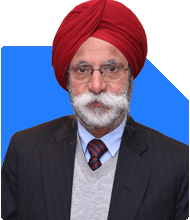
Purshotam

Purshotam Lal  |86 Answers  |Ask -

Financial Planner, MF and Insurance Expert - Answered on Mar 22, 2026

Purshotam Lal has over 38 years of experience in investment banking, mutual funds, insurance and wealth management.
He is an Association of Mutual Funds in India (AMFI)-registered mutual fund distributor, an Insurance Regulatory and Development Authority of India (IRDAI)-certified insurance advisor and founder of Finphoenix Services LLP.
He holds an MBA in finance from the Faculty of Management Studies (FMS), Delhi University and a chartered financial analyst (CFA) degree. He also holds certified associate of the Indian Institute of Bankers (CAIIB), fellow of the Insurance Institute of India (FIII) and National Institute of Securities Markets (NISM) certifications.... more
Asked by Anonymous - Jan 01, 2026Hindi

Money

Hello Sir, I am a 57 year old ex banker and now an Advisor. I am based in Gurgaon. I want to know whether I can retire now. Here are my case specifics : 1) No Liabilities whatsoever 2) No dependents - wife (52) and son (26) both have their own income sources and are not dependent on me for support . They also have their separate health insurance - each having 50 L + of insurance . Son has an independent investment corpus. 3) I have my own health insurance policy for Rs 50 L 4) Parents on both sides have reasonable monthly pensions, own investments ( which keep increasing month on month), and have adequate medical covers of their own . They are financially not dependent on us , and staying independently. 5) Family monthly expenses do not exceed 1.5 L ( including medical insurance premia and Wifes term insurance premium). I dont have any SIPs or term insurace premia OR EMI to pay. (In the monthly expenses, I have not factored in the following - foreign trips once in 3 years each with an outlay of Rs 5 L, upskilling courses at IIM etc - 2.50 L , trips for business development for my consulting practice to other cities, treks etc etc. These are all discretionary expenses and could go up to roughly Rs. 7-8 lacs annually. ( this is actually bothering me as to how to fund it without touching my corpus) 6) I continue to get advisory income of Rs 2 L per month and net of expenses manage to additionally invest Rs 0.50 L per month , largely into direct equity 7) My portfolio (self and wife combined) i) MF (70% largecap , hybrid, Multi asset, ; small portion 15% of small and mid cap and rest into BAF plus debt MF ) - Rs 5.7 cr - (portfolio yield of 15%+ XIRR) ii) Fixed income - bank deposits - of Rs 1.5 cr Iii) A rated Bonds - 0.15 cr Iv) Gold holdings - 1.3 cr V) Direct equity - 0.30 cr Vi) PPF- 0.10 cr Vii) Other investments --0.25 cr (Foreign currency holdings, Senior secured bonds , P2P investments, Unlisted securities, Invoice financing, + Angel investing small amount Viii) Cash in hand 0.05 cr Ix) Own house ( no mortgage) - Rs 4.5 cr (current value including all fittings and interiors), and expected to reach Rs 5 cr + in a years time. My next action items in the investing / life journey A)Sale of house - will definitely do when my target price is hit OR max 5-7 yrs from now. Me and wife will then move to a rented smaller apartment . Even at a bare minimum FD interest, I should comfortably be able to fund the rent for an upscale 2 BHK B) I have one car worth 5 L - no intention to dispose it off or upgrade. C)I want to chase better returns on my MF portfolio and overall too. Willing to diversify and take on additional risk D)Focus on life goals of - health, being independent physically, upskilling, occasional travel AND social causes , charitable causes. E)Intend to work till age 65 (gainfully employed) F)After 65 will continue to do pro-bono work and teach. G)Will start aggressively travelling only after age 75 . H)Only other outgo will be for sons wedding - that will go as a loan to my son - upto Rs 50 L. (3-4 years from now). In short , a frugal lifestyle , and focus on high investment yields. I have not considered inheritance amt exceeding Rs 3 cr + (current value - invested in bank FDs), that will come to me and wife, ( at some point in time) PLs advise whether I am financially ready to retire.

Ans: At the outset I compliment you for your efforts, hard work and minute planning you have done through your life journey so far. Although it seems that you are financially ready to retire, it is high time now that you contact a Certified financial planner or Adviser who can help you do the required maths, Cash-flows and work out the required Asset Allocation mix for your entire life period using 3 bucket strategy etc.

Purshotam, CFP®, MBA, CAIIB, FIII
Certified Financial Planner
Insurance advisor
www.finphoenixinvest.com
DISCLAIMER: The content of this post by the expert is the personal view of the rediffGURU. Users are advised to pursue the information provided by the rediffGURU only as a source of information to be as a point of reference and to rely on their own judgement when making a decision.
Money

You may like to see similar questions and answers below

Ramalingam

Ramalingam Kalirajan  |11157 Answers  |Ask -

Mutual Funds, Financial Planning Expert - Answered on Nov 05, 2024

Asked by Anonymous - Nov 05, 2024
Money
Sir I am 47 years old and want to retire in next 2-3 years. My portfolio is as under FD-22 L MF-22 L. ( SIP of 33000 running) Gold--10 L EPF--24 L and App Gratuity -10 L Equity--10 L Rental Income -25000 per month from 80 Lacs flat. ( No loan pending now) 1 cr term plan and 10 l mediclaim running Parental House -2.5 cr and Land -2.5 cr. My son is studying in second year of engineering. And my monthly hone expense is not more than 30000-35000 per month. Can I afford to retire ?
Ans: It’s commendable that you've accumulated a diverse portfolio with a clear retirement goal. Let's evaluate if your current portfolio aligns with a secure retirement.

Portfolio Review and Income Assessment
Based on your retirement aspirations, let’s consider each component of your portfolio and its potential to generate sustainable income:

Fixed Deposits (FD): Rs 22 lakh
FD interest can serve as a steady income source, though it typically yields lower returns, which may not keep up with inflation over the long term.

Mutual Funds (MF): Rs 22 lakh, with a SIP of Rs 33,000
MFs offer potential growth and help combat inflation. Continuing your SIPs could grow this corpus further, providing higher returns than fixed-income sources.

Gold: Rs 10 lakh
Gold adds stability and can be liquidated if needed. However, it might not be the best primary income source.

Employee Provident Fund (EPF): Rs 24 lakh and Gratuity Approx Rs 10 lakh
EPF and gratuity offer safe post-retirement funds. When you withdraw, they can be used as a source of regular income or reinvested for returns.

Equity Investments: Rs 10 lakh
Your equity investments add growth potential. Over time, this can be a crucial source to combat inflation.

Rental Income: Rs 25,000 per month
Rental income provides a consistent cash flow, covering a large portion of your monthly expenses. This income will be valuable post-retirement to meet regular needs.

Expense and Income Projection
With monthly expenses at Rs 30,000–35,000, and rental income already covering most of these costs, your current lifestyle is well supported. However, to retire comfortably, a buffer for healthcare, travel, and inflation is necessary.

Strategy for Retirement Readiness
Based on your assets and expected needs, here’s a recommended approach to secure a steady retirement income:

Mutual Fund Strategy
Continuing your SIPs for the next 2-3 years will help grow your corpus further. Consider moving part of the equity-based mutual funds into debt funds close to retirement to reduce risk while generating returns.

Systematic Withdrawal Plan (SWP)
At retirement, you can initiate an SWP from your mutual fund corpus, providing a steady income. This strategy allows capital appreciation with controlled withdrawals, reducing the risk of prematurely depleting your funds.

Fixed Deposit Laddering
To maximise interest rates and ensure liquidity, consider a laddering strategy with your FDs. This will help meet emergency needs and take advantage of better rates.

Rental Income
Your rental income of Rs 25,000 is a reliable source. To protect it, ensure the property remains well-maintained and consider lease renewals with trusted tenants to maintain stability.

Contingency for Healthcare and Son’s Education
Health Insurance: Rs 10 lakh
Assess your current health cover, especially considering rising medical costs. A top-up or super top-up plan could add an extra layer of protection.

Son’s Education
Your son’s education may require additional funding. Any shortfall could be met by partial liquidation of non-core assets, like gold or FDs, if needed.

Estate and Legacy Planning
Your parental house and land provide substantial long-term security. Though not income-generating immediately, they offer future flexibility if liquidated or rented.

Final Insights
Your assets, income sources, and low monthly expenses indicate a strong readiness for retirement. With minor adjustments for healthcare and education, you can comfortably meet your goals. Continuing your current SIPs for the next few years and optimising your FD and MF corpus will help sustain your income post-retirement.

Best Regards,

K. Ramalingam, MBA, CFP,
Chief Financial Planner
www.holisticinvestment.in
https://www.youtube.com/@HolisticInvestment

..Read more

Ramalingam

Ramalingam Kalirajan  |11157 Answers  |Ask -

Mutual Funds, Financial Planning Expert - Answered on Jan 13, 2025

Asked by Anonymous - Jan 11, 2025Hindi
Listen
Money
Am 45 and has below corpus 1 cr ppf 2 cr fd 1 cr capital gain bond with redemption in 3 yrs 60 lakh senior citizen scheme for both parents 30 lakh rbi bonds 40 lakh equity which is now reduced to 30 lakh in recent down 20 lakh in hand 7 lakh in pension scheme self own house - no loan Own additional plot with present market value of 3 cr expense present house improvement - 30L (immediate) 2 kids higher education - 2 cr expected marriage - 3 cr (in next 8 to 10 yr) - both boys extrapolating inflation Existing monthly expense - 2 lakh existing monthly income from business - 2 lakh own house car loan with emi of 10K coming to end in 2027 no other loan or debt What if i retire now, will i be able to sustain in future and family
Ans: You have built a strong financial foundation, which includes:

Rs 1 crore in PPF: Offers stability but limited liquidity.

Rs 2 crore in FDs: Provides security and predictable returns.

Rs 1 crore in capital gain bonds: Redeemable in 3 years, offering safety until then.

Rs 60 lakh in Senior Citizen Savings Scheme (SCSS): Ensures steady income for your parents.

Rs 30 lakh in RBI bonds: Good for long-term stability.

Rs 30 lakh in equity: Reduced from Rs 40 lakh due to market corrections.

Rs 20 lakh in cash: Useful for immediate needs.

Rs 7 lakh in a pension scheme: A minor but helpful component for retirement.

Self-owned house and additional plot: Total real estate value of Rs 3.3 crore.

No major liabilities: Only a car loan EMI of Rs 10,000 until 2027.

Immediate Considerations
1. Emergency Funds

Set aside 12–24 months' expenses (Rs 24–48 lakh).
Use liquid mutual funds or savings accounts for this.
2. House Improvement Needs

Allocate Rs 30 lakh from your FDs or cash reserves.
Prioritise immediate renovation without disrupting other investments.
3. Children’s Higher Education

Estimated cost is Rs 2 crore over the next 5–10 years.
Invest systematically in balanced or hybrid mutual funds for this.
Equity exposure is essential for growth to beat inflation.
4. Children’s Marriage

Estimated cost is Rs 3 crore over 8–10 years.
Use a combination of balanced and debt-oriented funds.
Retirement Readiness
1. Current Monthly Expenses

You need Rs 2 lakh per month for expenses.
Existing business income matches this need, but retirement changes dynamics.
2. Retirement Corpus Requirements

Your portfolio must support monthly expenses and inflation.
A mix of equity and debt investments can generate stable income.
Equity provides growth, while debt ensures stability.
3. Diversification

Balance equity and debt based on risk tolerance and goals.
Avoid concentrating too much in low-growth instruments like FDs.
Detailed Investment Strategy
1. Equity for Long-Term Growth

Retain or add actively managed equity mutual funds.
Avoid index funds, as they lack active management during market volatility.
Diversify into large-cap, multi-cap, and mid-cap funds.
2. Debt for Stability and Income

Invest in debt mutual funds, offering tax efficiency and stability.
New tax rules require planning for LTCG and STCG taxes.
3. RBI Bonds and SCSS

Continue holding these for predictable returns.
They support low-risk, regular income needs.
4. Capital Gain Bonds

Redeem after 3 years and reallocate based on goals.
Consider hybrid funds or balanced products for better growth.
Holistic Family Planning
1. Parents’ Security

SCSS ensures financial independence for your parents.
Monitor and renew this as required for consistent income.
2. Children's Future

Start separate portfolios for each child’s education and marriage.
Avoid direct funds; invest through a Certified Financial Planner.
This ensures tailored advice and better fund selection.
3. Insurance Needs

Ensure adequate health and term insurance for the family.
Protect against unforeseen medical or financial risks.
Tax-Efficient Planning
1. Equity Mutual Funds

LTCG over Rs 1.25 lakh is taxed at 12.5%.
STCG is taxed at 20%.
Plan withdrawals smartly to optimise tax liability.
2. Debt Investments

Both LTCG and STCG are taxed based on your income slab.
Consult a Certified Financial Planner to manage tax-efficient withdrawals.
Final Insights
You can retire comfortably if you plan systematically.

Focus on balancing your portfolio with growth and stability.

Prepare separate funds for your children’s education and marriage.

Ensure you have a robust emergency fund and insurance coverage.

A Certified Financial Planner can help you align investments with goals.

Best Regards,

K. Ramalingam, MBA, CFP,

Chief Financial Planner,

www.holisticinvestment.in
https://www.youtube.com/@HolisticInvestment

..Read more

Ramalingam

Ramalingam Kalirajan  |11157 Answers  |Ask -

Mutual Funds, Financial Planning Expert - Answered on Jun 21, 2025

Money
Hello Vivek, Hope you are doing well...! I am 43 years of age living with my parents (Father aged 77 and Mother 73), working spouse (aged 42) and 13 years daughter. We are planning to retire by 50. Please have a look at below - Our current investment corpus value is 1.10 CR which includes EPF, PPF, LIC, MF, Shares, Jewellery. We are expecting this to grow up to 2.50 CR by the end of March 2032, with regular investments, power of compounding and NIL withdrawals. We both are insured with Mediclaim and Term insurance. Parents are covered with Mediclaim which my employer has provided. Our current monthly expenses are 1.20 lacs per month. Currently we have invested around 13 lacs in MF for daughter's future (the same are over and above 1.10 CR) Kindly advise us if we both can retire in 2032 with a corpus of 2.50 CR which we can use for next 30 years considering life expectancy of 80 years. Warm Regards, Vishwas Joshi
Ans: You have done excellent in building a Rs 1.10?crore corpus by age 43. Your planning for retirement at 50 is disciplined and thoughtful. Now, let us craft a detailed 360?degree plan to assess whether Rs?2.50?crore by March 2032 (age 50) can support your family for 30 years (until age 80).

Appreciating Your Current Strengths
You have a total corpus of Rs?1.10?crore including EPF, PPF, LIC, MFs, shares, jewellery.

You anticipate growing it to Rs?2.50?crore in 9 years with new investments and compounding.

You both have term and health insurance cover already.

Monthly household expenses (excluding parents) are Rs?1.20?lacs.

You've invested Rs?13?lacs more for your daughter’s future; that is wisely kept separate.

These are strong foundations. You are taking life planning seriously. A well-structured approach ahead will help ensure your retirement goals stay on track.

Understanding Your Goal and Assumptions
You plan to retire at age 50 (in March 2032). You expect to use the Rs?2.50?crore corpus for the next 30 years. That covers family needs until age 80.

Let us confirm key variables:

Monthly expenses today: Rs?1.20?lacs (household of four).

Inflation of expenses (assume 6% annually) until 2032.

Corpus size at retirement: Rs?2.50?crore.

Post?retirement duration: 30 years.

Income sources after 50: whether pensions or only withdrawals? (Assume no pension for now.)

Estimating Post?Retirement Cash Flow Needs
Currently, 10 years out, you spend Rs?1.20?lacs a month. Inflation at 6% will nearly double this by 2032. So:

Monthly expenses in 2032 could be around Rs?2.20?–?2.25?lacs.

Annual expenses → around Rs?26?–?27?lacs.

For 30 years, inflation will continue. Yearly costs could expand to Rs?26?lacs growing annually.

A Rs?2.50?crore corpus would need to provide rising income to meet this increasing cost.

Can Rs?2.50?crore Corpus Sustain You for 30 Years?
To answer, we must test sustainability with a realistic withdrawal plan:

You need Rs?26?lacs in Year?1 of retirement.

You will need more each year to match inflation.

The corpus must earn sufficient returns to cover rising withdrawals and not be exhausted in 30 years.

A pure equity-heavy portfolio may generate high returns but also high volatility. Unstable income years may disrupt withdrawal plans.

A purely debt-heavy portfolio won't provide enough growth to meet rising expenses.

A balanced but dynamic investment strategy is required. It must aim for real growth (above inflation) while controlling downside risk.

Building a Post?Retirement Portfolio Strategy
We need to prepare for a corpus that both grows and generates stable withdrawals. Here is a suitable asset mix:

1. Equity Mutual Funds (40–50%)

Actively managed large?cap, multi?cap, and select mid?cap equity funds

Helps fight inflation, grow corpus over long term

2. Debt Mutual Funds (30–40%)

Medium?term, credit?oriented income funds, short?duration funds

Provides stability, regular accruals, income stream

3. Income or Dynamic Bond Funds (10–15%)

Offers regular interest payouts

Useful for monthly income requirements

4. Liquid or Ultra?Short Funds (5–10%)

For emergency liquidity and near?term spending

5. Gold or Commodity Funds (5–10%)

Helps hedge against inflation when money value erodes

Structuring Withdrawal Post?Retirement
To stretch Rs?2.50?crore for 30 years, a Systematic Withdrawal Plan (SWP) is essential:

Withdraw total amount needed each month/year via SWP

Align SWP rates with expected portfolio returns and inflation

Rebalance the portfolio annually to maintain allocation

Adjust SWP downwards if market downturn reduces corpus significantly

This strategy ensures income remains aligned with needs and portfolio remains resilient.

Reviewing Pre?Retirement Investment Plan
You plan to grow Rs?1.10?crore to Rs?2.50?crore in 9 years. Let’s evaluate feasibility:

Your top?up corpus: Rs?1.40?crore over 9 years (approx Rs?15?–?16?lacs per year)

That needs annual investment contributions via SIP/lump sum + fund growth

With good active equity returns and disciplined contributions, this is feasible

But in current plan:

Your corpus includes illiquid assets like LIC, jewellery — these may opt out of growth traction

Actively managed equity funds needed to pursue growth

Investing in online direct plans without guidance may reduce discipline and portfolio review

Impact of Insurance, Tax, and Emergency Funds
You’ve already arranged insurance. Great.

Focus now on:

Emergency fund: 6–12 months of expenses parked in liquid funds

This ensures no forced withdrawals from investment corpus

Tax planning: Equity fund redemptions post?retirement can be structured to remain in LTCG limit to avoid 12.5% tax

Debt fund gains taxed per slab—plan withdrawals wisely

By combining insurance, taxation awareness, and emergency liquidity, you create a safe structural backdrop.

Importance of Active Fund Management
You said your current corpus includes MFs and shares. If in direct mutual funds, be aware:

Direct plans lack periodic reviews or rebalancing

Market cycles may swing portfolio value

You need fund selection and regular monitoring

Hence, switch to regular mutual funds via a Certified Financial Planner?backed MFD:

Access to portfolio reviews and rebalancing

Guiding on contribution increases over time

Drift correction (e.g. equity ratio too high)

Behavioural help during market corrections

This guidance helps the Rs?2.50?crore target remain achievable and safe.

Steps to Strengthen Your Plan Today
Set up Emergency Liquidity: Rs 7–10 lacs in liquid/ultra?short funds

Switch to Regular Plans: Convert direct funds via CFP?MFD

Boost Equity SIPs: Raise monthly investments gradually

Add Lump Sums: Use bonuses/extra income to top?up

Plan Allocation Shifts Now: Begin building equity, debt, gold mix

Monitor via CFP Review: Quarterly or semi?annual portfolio reviews

Plan Pre?Retirement Withdrawals: Align SWP setup by 2032

Protect Parents’ Future: Last?mile medical needs ~ 5–10 years

These steps build discipline and protect your goal journey.

What to Do Between Now and March 2032
Years 1–3: Build liquidity; grow contributions; set up SWP framework

Years 4–7: Increase contributions; maintain allocation; mid?plan review

Years 8–9: Reduce equity exposure to 40–50%; shift to safer debt/liquid

Retirement Year (2032): Corpus ready; asset mix aligned; SWP live

Your total outflow will match rising expenses and continue to grow your pension corpus.

Behavioral and Emotional Aspects
Don’t withdraw monthly before 2032 except emergency

Avoid impulsive portfolio changes based on market noise

Keep your family informed on plan updates

Encourage your spouse’s involvement in decisions

Disciplined patience today helps generate smoother withdrawals tomorrow.

Tax Savings During Accumulation and Withdrawal
While accumulating, invest in tax?efficient funds for growth.
While withdrawing post?2032, plan:

Equity fund redemptions limited to LTCG threshold

Keep tax liability minimal by spreading redemptions

Use debt fund redemptions aligned with lower tax slab

This maintains your net corpus for living expenses.

Retirement Risk Triggers to Watch
Inflation: Can erode purchasing power.

Ensure your portfolio’s equity share is enough to combat inflation

Longevity risk: You may live beyond 80

Consider planning for at least 35–40 years

Healthcare risk: Medical inflation accelerates with age

Keep a separate long-term health buffer

Market volatility: Major downturns near retirement (2030) can dent corpus

Maintain conservative asset allocation close to retirement

Regular Plan Through CFP?Led MFD: Why It Matters
Focus areas under ongoing partnership:

Annual goal progress tracking

Fund switches when underperforming

Strategic portfolio rebalancing

Adjusting contributions with life events

Income flow testing before retirement

And crucial behavioural support

These actions safeguard your plan from execution errors.

Final Insights
Achieving Rs?2.50?crore corpus is possible with disciplined saving

Growing the corpus must align with risk, goal, taxes, inflation, and longevity

Active portfolio monitoring via CFP?MFD fosters better outcomes than direct plans

A well?balanced portfolio combined with SWP can provide inflation?adjusted income for 30+ years

Emergency fund, insurance coverage, tax strategy, and regular reviews make your retirement plan robust

You have set a clear retirement date and corpus goal. With active management and disciplined investing, you are well-positioned to achieve it. If you need step?by?step plan execution or allocation suggestions, I can help you build and track this plan effectively.

Best Regards,
K. Ramalingam, MBA, CFP,
Chief Financial Planner,
www.holisticinvestment.in
https://www.youtube.com/@HolisticInvestment

..Read more

Ramalingam

Ramalingam Kalirajan  |11157 Answers  |Ask -

Mutual Funds, Financial Planning Expert - Answered on Jul 30, 2025

Asked by Anonymous - Jul 17, 2025Hindi
Money
Hello sir, I am 46 year old IT employee, having two kids (14 yrs old girl and 5 yrs old boy), earning 2.5 lakh take home salary per month. Currently I have around 29 lakh in stocks, 19 lakh in MF, 50 lakh in FD, 5 lakh in NPS, around 40 lakh in PF and will get 30 lakh from LIC on maturity in 2035. I live in my own apartment and have my own car (both are fully paid and loan free). I have around 7 lakh in SSY account of my daughter. My current expenses is around 1 lakh per month for daily routine, 30k per month in MF SIP, 30k per month in PF, 1.5 lakh per year in NPS, 40k per year in LIC, around 50K per month in education OD my kids. I have 50 lakh group term insurance and 8 lakh group health insurance cover from my employer. I am planning to increase 10% topup in SIP every year till I retire. Please suggest if I can retire at 55 yrs of age with some decent corpus assuming life expectancy of 80 yrs. regards
Ans: You have built a solid base over the years.
Your financial discipline truly stands out.
It reflects clarity and thoughtful planning.

At 46, with 9 years to retirement, your goal is realistic.
But early retirement at 55 needs careful and balanced execution.
Let us review your current position and give a complete 360° strategy.

? Understand Your Retirement Goal Clearly

– You plan to retire at 55.
– That gives 9 more earning years.
– You need to live from 55 till 80.
– That’s 25 retirement years without salary.

– So your investments must create enough income.
– It should handle inflation and emergencies too.
– You need to cover regular lifestyle and healthcare also.

– A structured retirement corpus is required.
– Current planning looks promising.
– But some parts need refinement and tightening.

? Evaluate Your Current Investment Position

– Rs.29 lakh is in stocks.
– Rs.19 lakh is in mutual funds.
– Rs.50 lakh is in FDs.
– Rs.5 lakh is in NPS.
– Rs.40 lakh in PF.
– Rs.30 lakh expected from LIC in 2035.

– Total corpus today is strong.
– Around Rs.1.73 crore is already parked.
– Plus, SIPs and PF contributions are ongoing.
– SSY and LIC maturity are future inflows.

– Still, active cash flow planning is needed.
– Growth and liquidity must be balanced well.

? Asset Allocation Requires Rebalancing

– Rs.50 lakh in FD is too much.
– FD returns are low and taxable.
– It won’t beat inflation in long run.

– You are still 9 years from retirement.
– Equity exposure should be higher.

– Your equity+mutual fund holding is around Rs.48 lakh.
– That is less than 50% of your net assets.

– Increase allocation to mutual funds slowly.
– Shift from FDs to equity hybrid or large-cap mutual funds.
– Do it in a phased way, not all at once.

– FDs can be kept for short-term needs only.
– Don’t make it main retirement tool.

? SIPs Are On Right Track – Add More Growth

– Rs.30k SIP per month is a good start.
– You plan to increase it by 10% yearly.
– That is very healthy and effective.

– Ensure you invest in actively managed mutual funds.
– Avoid index funds and ETFs.
– Index funds just follow market.
– They do not protect in downturns.

– Actively managed funds try to beat the index.
– Good fund managers make tactical shifts.
– This boosts long-term returns.

– Don’t choose direct plans.
– Direct plans lack guidance and rebalancing support.

– Regular plans via MFD with CFP give better monitoring.
– They offer behavioural coaching and re-alignment.

? LIC Policy Should Be Reassessed

– You will receive Rs.30 lakh in 2035.
– Check if this is a traditional endowment plan.
– If yes, then return is usually very low.

– These plans offer poor wealth creation.
– They are better replaced by mutual funds.

– Since maturity is near and payout is confirmed,
you may hold it till maturity.
– But don’t buy new LIC or ULIP plans.
– Keep investment and insurance separate.

? Children’s Education Needs Separate Planning

– Rs.50k monthly in kids' education loan is a key expense.
– This must be closed before retirement.

– You have SSY for your daughter.
– That is a good move for secured growth.

– However, plan higher education for both kids separately.
– Don’t mix this with retirement funds.

– Start parallel SIPs for children’s education.
– Use balanced and hybrid equity mutual funds.

– Track each child’s goal separately.
– You should not withdraw from retirement corpus for education.

? NPS Allocation Can Be Reviewed

– You invest Rs.1.5 lakh yearly in NPS.
– This gives tax benefit under Section 80CCD.
– However, NPS has restrictions at withdrawal.

– Partial amount is taxable on maturity.
– It also forces partial annuity purchase.

– You can continue investing for tax benefit.
– But don’t rely fully on NPS for retirement needs.
– Keep main focus on mutual funds and PF.

? Term and Medical Insurance Need Strengthening

– You have Rs.50 lakh group term cover.
– Also Rs.8 lakh group health insurance.
– These are offered by employer.

– But both are linked to your job.
– They stop once you retire or change jobs.

– You need independent term insurance till age 65–70.
– Consider Rs.1 crore term plan for your family’s safety.

– Also take separate family health insurance.
– Choose Rs.10–15 lakh base plan.
– Add top-up if needed.

– Health costs rise rapidly after 50.
– Don’t depend on group cover only.

? Emergency Fund Must Be Isolated

– Your expenses are Rs.1 lakh monthly.
– Build emergency fund of Rs.6–12 lakh.

– Use liquid or ultra-short debt mutual funds.
– Don’t park in savings account or FD.

– This gives better post-tax returns.
– Also gives liquidity when needed.

– Emergency fund is safety cushion.
– It should be kept separate from investments.

? PF Corpus Needs Goal Mapping

– Rs.40 lakh in PF is a strong base.
– You are also adding Rs.30k monthly.

– PF is a good tool for retirement.
– Safe and tax-free growth.

– Keep this corpus for post-retirement fixed income.
– Don’t use for short-term needs or loans.

– PF returns may drop in future.
– So, don’t depend only on PF.
– Supplement with equity mutual funds.

? Goal-Based Planning is Essential

– Retirement, children’s education, travel – all need planning.
– Create separate goals with timelines.

– Map every SIP to one goal.
– This keeps purpose and tracking clear.

– Don’t dip into long-term funds for short goals.
– That breaks compounding and weakens growth.

– Keep retirement fund untouched till 55.
– Rebalance it closer to retirement.

? Tax Efficiency in Future Withdrawals

– New mutual fund tax rules are important.
– Equity LTCG above Rs.1.25 lakh taxed at 12.5%.
– STCG is taxed at 20%.

– For debt funds, gains taxed as per income slab.

– Plan redemptions smartly after retirement.
– Spread them over years to lower tax impact.

– Take help from Certified Financial Planner for withdrawal strategy.
– Tax efficiency improves retirement sustainability.

? Real Estate and Gold Are Not Required

– You already have your house.
– There is no need for more real estate.

– Property gives low rental yield.
– It has poor liquidity and high tax on sale.

– Real estate is not ideal for early retirement.

– Gold is emotional and non-productive asset.
– It doesn’t create real long-term wealth.

– Limit gold to jewellery or small festive saving.
– Don’t count it in retirement planning.

? Finally

– You are in a strong financial position.
– Your income and savings discipline is inspiring.
– Rs.1.73 crore current investment gives a good start.
– But shift more from FD to mutual funds.
– Keep equity allocation higher till age 55.

– Increase SIP yearly and don’t skip any month.
– Don’t invest in index or direct plans.
– Use actively managed funds via CFP-MFD.
– Build separate SIPs for kids' education.
– Strengthen term and health insurance soon.
– Don’t rely only on employer cover.

– Keep emergency fund ready.
– Track progress every year.
– Rebalance funds at least once a year.
– You can retire at 55 with good preparation.
– Stay consistent, review, and adjust with time.
– Your goal is achievable with current momentum.

Best Regards,
K. Ramalingam, MBA, CFP,
Chief Financial Planner,
www.holisticinvestment.in
https://www.youtube.com/@HolisticInvestment

..Read more

Ramalingam

Ramalingam Kalirajan  |11157 Answers  |Ask -

Mutual Funds, Financial Planning Expert - Answered on Jan 05, 2026

Asked by Anonymous - Jan 05, 2026Hindi
Money
Hello Sir, I am a 57 year old ex banker and now an Advisor. I am based in Gurgaon. I want to know whether I can retire now. Here are my case specifics : 1) No Liabilities whatsoever 2) No dependents - wife (52) and son (26) both have their own income sources and are not dependent on me for support . They also have their separate health insurance - each having 50 L + of insurance . Son has an independent investment corpus. 3) I have my own health insurance policy for Rs 50 L 4) Parents on both sides have reasonable monthly pensions, own investments ( which keep increasing month on month), and have adequate medical covers of their own . They are financially not dependent on us , and staying independently. 5) Family monthly expenses do not exceed 1.5 L ( including medical insurance premia and Wifes term insurance premium). I dont have any SIPs or term insurace premia OR EMI to pay. (In the monthly expenses, I have not factored in the following - foreign trips once in 3 years each with an outlay of Rs 5 L, upskilling courses at IIM etc - 2.50 L , trips for business development for my consulting practice to other cities, treks etc etc. These are all discretionary expenses and could go up to roughly Rs. 7-8 lacs annually. ( this is actually bothering me as to how to fund it without touching my corpus) 6) I continue to get advisory income of Rs 2 L per month and net of expenses manage to additionally invest Rs 0.50 L per month , largely into direct equity 7) My portfolio (self and wife combined) i) MF (70% largecap , hybrid, Multi asset, ; small portion 15% of small and mid cap and rest into BAF plus debt MF ) - Rs 5.7 cr - (portfolio yield of 15%+ XIRR) ii) Fixed income - bank deposits - of Rs 1.5 cr Iii) A rated Bonds - 0.15 cr Iv) Gold holdings - 1.3 cr V) Direct equity - 0.30 cr Vi) PPF- 0.10 cr Vii) Other investments --0.25 cr (Foreign currency holdings, Senior secured bonds , P2P investments, Unlisted securities, Invoice financing, + Angel investing small amount Viii) Cash in hand 0.05 cr Ix) Own house ( no mortgage) - Rs 4.5 cr (current value including all fittings and interiors), and expected to reach Rs 5 cr + in a years time. My next action items in the investing / life journey A)Sale of house - will definitely do when my target price is hit OR max 5-7 yrs from now. Me and wife will then move to a rented smaller apartment . Even at a bare minimum FD interest, I should comfortably be able to fund the rent for an upscale 2 BHK B) I have one car worth 5 L - no intention to dispose it off or upgrade. C)I want to chase better returns on my MF portfolio and overall too. Willing to diversify and take on additional risk D)Focus on life goals of - health, being independent physically, upskilling, occasional travel AND social causes , charitable causes. E)Intend to work till age 65 (gainfully employed) F)After 65 will continue to do pro-bono work and teach. G)Will start aggressively travelling only after age 75 . H)Only other outgo will be for sons wedding - that will go as a loan to my son - upto Rs 50 L. (3-4 years from now). In short , a frugal lifestyle , and focus on high investment yields. I have not considered inheritance amt exceeding Rs 3 cr + (current value - invested in bank FDs), that will come to me and wife, ( at some point in time) PLs advise whether I am financially ready to retire.
Ans: You have already done many things right.
Your clarity, discipline, and documentation are rare.
Very few people reach this stage with such control.
Your question is not about money alone.
It is about confidence, structure, and sequencing.

1. First, a Reality Check on Your Financial Strength

Let us look at facts, not emotions.

Your Net Worth (Excluding Primary House)

Approximate investible assets:

Mutual funds: Rs 5.70 cr

Fixed deposits: Rs 1.50 cr

Bonds and fixed income: Rs 0.15 cr

Gold: Rs 1.30 cr

Direct equity: Rs 0.30 cr

PPF: Rs 0.10 cr

Other investments: Rs 0.25 cr

Cash: Rs 0.05 cr

Total financial assets ≈ Rs 9.35 cr

This excludes:

Primary residence worth Rs 4.5–5.0 cr

Possible inheritance of Rs 3 cr+

This already places you in a very strong position.

2. Dependency Risk: Almost Zero

This is one of your biggest strengths.

Wife is financially independent

Son is financially independent

Parents are financially independent

Medical risks are well insured

No liabilities of any kind

From a planner’s view, dependency risk is negligible.

This alone removes the biggest retirement fear most families face.

3. Your Expense Structure: Very Manageable
Core Annual Expenses

Monthly family expenses: Rs 1.5 lakh

Annual core expenses: ~Rs 18 lakh

These include:

Insurance premiums

No EMIs

No SIP commitments

Your lifestyle is controlled, not deprived.

4. The Real Question: Discretionary Spending Anxiety

You clearly mentioned what is bothering you.
That honesty is important.

Your discretionary expenses include:

Foreign travel once in 3 years: ~Rs 5 lakh

Upskilling courses: ~Rs 2.5 lakh

Business travel, treks, development trips

Total discretionary outgo:

Around Rs 7–8 lakh per year on average

Your concern:

“How do I fund this without touching my corpus?”

This is a valid concern, but the fear is larger than the reality.

5. Ongoing Income: This Changes Everything

You are not retiring into zero income.

You currently earn:

Advisory income: Rs 2 lakh per month

Annual gross: ~Rs 24 lakh

You also invest:

Rs 50,000 per month additionally

This means:

Your income already covers core expenses

Discretionary expenses are partly funded by cash flow

Corpus is not under pressure today

This is technically semi-retirement already.

6. Can You Retire Today?
Short Answer: Yes, Financially You Can.

But let us define “retire”.

If retirement means:

Stopping full-time banking employment

Continuing advisory, consulting, teaching

Working by choice, not compulsion

Then you are already retired financially.

Your capital does not need your labour anymore.

7. Sustainability of Your Corpus

Let us test sustainability logically, without formulas.

Your financial assets alone are over Rs 9 cr.
Even conservative post-tax returns can generate meaningful cash flow.

Your annual core expense is ~Rs 18 lakh.
That is less than 2.5% of your financial assets.

This is extremely safe by any global retirement standard.

Even after:

Son’s wedding loan of Rs 50 lakh

Occasional travel

Upskilling

Charitable giving

Your buffer remains very high.

8. Sequence Risk: Low, But Needs Structure

Your biggest risk is not market risk.
It is sequence and concentration risk.

Observations:

MF portfolio is strong but return-focused

Gold allocation is meaningful

Direct equity exposure exists

Fixed income is adequate

What needs attention:

Cash-flow planning

Bucket strategy

Rebalancing discipline

9. About Chasing Higher Returns Now

You mentioned:

“I want to chase better returns on my MF portfolio.”

This needs careful thought.

At your stage:

You do not need to maximise returns

You need returns with control

Volatility matters psychologically now

Taking additional risk is optional, not necessary.

Higher returns will not materially change your lifestyle.
Higher volatility can disturb peace.

This does not mean you stop growth exposure.
It means growth should be measured, not aggressive.

10. Direct Equity and Alternative Assets

You already hold:

Direct equity

Unlisted securities

Angel investments

P2P, invoice financing

This already satisfies your “high return” urge.

Be cautious about:

Liquidity risk

Regulatory risk

Overconfidence bias

At this corpus size, capital preservation beats hero returns.

11. House Sale Plan: Sensible and Flexible

Your plan to:

Sell house in 5–7 years

Move to rented upscale apartment

This is financially sound.

Reasons:

Unlocks Rs 5 cr capital

Converts dead equity into income-generating assets

Reduces maintenance burden later

Even basic fixed income returns can fund rent comfortably.

This is a retirement-optimised decision, not downsizing desperation.

12. Funding Discretionary Expenses Without Touching Corpus

Here is the mindset shift you need.

“Corpus” is not sacred and untouchable.
It exists to support life.

That said, a structure helps peace.

Practical approach:

One year of expenses in liquid assets

Two to three years of discretionary spending buffer

Growth assets untouched during volatility

This way:

Travel is guilt-free

Upskilling feels earned

Corpus remains emotionally intact

13. Working Till 65: Excellent Choice

Your plan to:

Work till 65

Then do pro-bono and teaching

This is ideal.

Benefits:

Income continues

Mental sharpness remains

Social relevance stays

Withdrawal pressure stays low

Financial longevity improves dramatically with this approach.

14. Health and Longevity Planning

You already focus on:

Physical independence

Health

Treks and activity

This is as important as money.

At your net worth level:

Health is the biggest asset

Disability is the biggest risk

Your insurance cover is adequate.
Lifestyle discipline will matter more now.

15. Son’s Wedding Loan: Manageable and Thoughtful

Rs 50 lakh as a loan, not a gift, shows balance.

From your corpus:

This is a small percentage

It will not disturb retirement security

Just ensure:

Clear documentation

Clear repayment expectation

Emotional boundaries

16. Inheritance: Good to Ignore for Planning

You did the right thing by not depending on inheritance.

If and when it comes:

It becomes surplus

It enhances legacy or philanthropy

Never planning on inheritance is a sign of maturity.

17. Psychological Readiness: The Final Test

Financially, you are ready.
Emotionally, you are almost ready.

What remains:

Accepting that “enough” has arrived

Shifting from accumulation to utilisation

Allowing yourself joy without guilt

This transition is harder than saving money.

Final Verdict

You are financially independent today

You can retire from compulsory employment now

Your advisory work is optional, not required

Your lifestyle is fully supported by your assets

Your risks are manageable and diversified

Best Regards,

K. Ramalingam, MBA, CFP,

Chief Financial Planner,

www.holisticinvestment.in

https://www.youtube.com/@HolisticInvestment

..Read more

Latest Questions
Ravi

Ravi Mittal  |722 Answers  |Ask -

Dating, Relationships Expert - Answered on Apr 29, 2026

Asked by Anonymous - Apr 26, 2026Hindi
Relationship
My husband shares everything with his best friend. I understand they are close but I am not comfortable when he shares stuff and private bedroom conversations. Once he was joking about something deeply private I had only told my husband. While I respect friendships, I am uncomfortable when there there is no boundary between his friendship and our marriage. The last time i mentioned this, he said his friendship is older than our marriage and I am overthinking and creating unecessary stress. How do I talk to my husband about this without creating conflict?
Ans: Dear Anonymous,
You are not overthinking. Wanting privacy about your relationship is a reasonable boundary. His friendship might be older than your marriage, your consent to share sensitive information which involves you still applies. And friendship and marriage are two different things, and each has its own place.

The best solution to this situation is to have a conversation, the right time, right place and right way. Pick a time when both of you are calm and relaxed. Frame the conversation around trust, not control. If it sounds like you are asking him to choose marriage over friendship, he might get defensive. So, highlight your emotional safety instead of sounding accusatory that he is making you feel a certain way. Be specific about your boundaries: bedroom talks are off limits, or personal insecurities should not be shared outside of the marriage. Everyone needs someone to vent to, and talking to friends is okay, but not when it makes your partner uncomfortable. Acknowledge that he needs to talk to someone about things, but remain firm about your boundaries. If he still brushes it off, let him know that joking about your private matters hurt your deeply. If nothing else works, I really suggest marriage counseling. Sometimes people need to hear the hard things from others, instead of their partner, to understand it's validity.

Hope this helps.

...Read more

DISCLAIMER: The content of this post by the expert is the personal view of the rediffGURU. Investment in securities market are subject to market risks. Read all the related document carefully before investing. The securities quoted are for illustration only and are not recommendatory. Users are advised to pursue the information provided by the rediffGURU only as a source of information and as a point of reference and to rely on their own judgement when making a decision. RediffGURUS is an intermediary as per India's Information Technology Act.

Close  

You haven't logged in yet. To ask a question, Please Log in below
Login

A verification OTP will be sent to this
Mobile Number / Email

Enter OTP
A 6 digit code has been sent to

Resend OTP in120seconds

Dear User, You have not registered yet. Please register by filling the fields below to get expert answers from our Gurus
Sign up

By signing up, you agree to our
Terms & Conditions and Privacy Policy

Already have an account?

Enter OTP
A 6 digit code has been sent to Mobile

Resend OTP in120seconds

x