Home > Money > Question
Need Expert Advice?Our Gurus Can Help

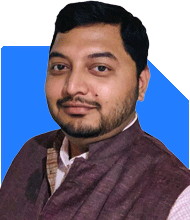
Ramalingam

Ramalingam Kalirajan  |10870 Answers  |Ask -

Mutual Funds, Financial Planning Expert - Answered on Sep 08, 2025

Ramalingam Kalirajan has over 23 years of experience in mutual funds and financial planning.
He has an MBA in finance from the University of Madras and is a certified financial planner.
He is the director and chief financial planner at Holistic Investment, a Chennai-based firm that offers financial planning and wealth management advice.... more
Asked by Anonymous - Aug 13, 2025Hindi

Money

Hello Sir, 40 F,Govt Servant, Gross Salary 74K,Net 65K , in NPS 15 lk corpus ,PPF 2lk corpus ,MF 1.5 lakh ,PLI 15 lakh insurance Health insurance -HDFC PNB MetLife Plan monthly 5k RD -4000 SBI MF -2200 (10% hike in every 6 month) Current liabilities PL -1.5 PlI Loan 1.4 Current expenses Education of Kids -20k per month Daily expenses -30 k How to plan for a better finical future Thanks and Regards

Ans: You have built a good base already. You are disciplined and systematic in saving. At 40, you still have two decades of work left. That means you have time to build a strong financial future for yourself and your family. Let me give you a detailed 360-degree view.

» Present financial picture

– Age 40, government job, stable salary Rs. 74k gross and Rs. 65k net.
– NPS corpus around Rs. 15 lakh.
– PPF corpus Rs. 2 lakh.
– Mutual fund Rs. 1.5 lakh.
– Postal Life Insurance policy Rs. 15 lakh.
– Health insurance already active.
– Monthly RD Rs. 4000.
– SIP Rs. 2200 with step-up every 6 months.
– Personal loan Rs. 1.5 lakh and PLI loan Rs. 1.4 lakh.
– Expenses: kids’ education Rs. 20k monthly, daily Rs. 30k monthly.

» Strengths in your plan

– Stable job security with government employment.
– Existing long-term savings through NPS and PPF.
– Health insurance in place, which is very important.
– Regular discipline of RD and SIP.
– Good focus on children’s education.

» Gaps in your plan

– Large debt from personal loan and PLI loan.
– Low mutual fund exposure compared to total savings.
– Insurance in PLI is low cover and poor returns.
– SIP amount is very small compared to savings capacity.
– No emergency fund kept separately.
– Retirement corpus building is slow at current pace.

» Debt management

– First priority is to reduce loan burden.
– Focus surplus cash on repaying personal loan.
– High-interest loan blocks your wealth growth.
– After closing personal loan, focus on PLI loan.
– Avoid taking fresh loans for expenses.
– This will free cash flow for investments.

» Insurance assessment

– Your PLI gives only Rs. 15 lakh cover.
– At your salary and family needs, this is low.
– You need minimum 10–12 times annual income cover.
– That means Rs. 70–80 lakh cover at least.
– PLI also gives low return, like 4–5%.
– Better to surrender PLI after debt is cleared.
– Take pure term insurance separately.
– This gives large cover at low cost.
– With money released, invest in mutual funds for growth.

» Protection for health

– You already have health insurance.
– Review the sum insured regularly.
– Check if kids are also covered.
– Add super top-up if coverage is small.
– Medical costs rise fast, so plan early.

» Children’s education planning

– Education cost is already Rs. 20k monthly.
– It will rise further for higher studies.
– Start earmarking dedicated SIPs for this goal.
– Use diversified equity and hybrid funds.
– Keep increasing SIP with income growth.
– Do not depend only on RD or FD for this goal.
– Long-term growth requires equity exposure.

» Retirement planning

– NPS corpus Rs. 15 lakh is a good start.
– But not enough for retirement independence.
– You need to build large retirement fund beyond NPS.
– Increase mutual fund allocation steadily.
– Use flexi-cap, large-cap, and balanced advantage categories.
– Keep PPF contribution active for safe long-term growth.
– By 60, target should be 2–3 crore at least.
– This gives steady monthly income after retirement.

» Emergency fund creation

– No clear emergency reserve right now.
– Keep 6 months expenses aside.
– Around Rs. 3 lakh in liquid fund or sweep FD.
– Do not mix it with investments.
– Use only for emergencies like medical or job risk.

» Monthly surplus usage

– Your monthly expenses total Rs. 50k.
– Net income is Rs. 65k.
– That leaves around Rs. 15k available.
– Use this surplus in priority order:

Close personal loan fast.

Then repay PLI loan.

After loans cleared, redirect this Rs. 15k into SIP.

Increase SIP step by step as income rises.

» Mutual fund planning

– Current SIP Rs. 2200 is too low.
– Increase SIP gradually to Rs. 10k first.
– After loan clearance, raise to Rs. 20–25k monthly.
– Use mix of flexi-cap, large-cap, and hybrid equity funds.
– Keep debt funds for short-term goals.
– Review performance every year with Certified Financial Planner.

» About index funds

– Some may suggest index funds for low cost.
– But in India, index funds copy only the index.
– They cannot beat market or adjust to changes.
– Actively managed funds give chance for better returns.
– They also offer downside protection in weak markets.
– So, prefer actively managed funds over index funds.

» About direct mutual funds

– Direct funds may look cheap with lower cost.
– But you miss expert support and portfolio guidance.
– Wrong allocation or missing review can hurt returns.
– Regular plans with Certified Financial Planner give better hand-holding.
– Long-term benefits are higher than small cost saving.

» Behavioural discipline

– Do not stop SIPs in market correction.
– Stay invested for long term.
– Rebalance portfolio every year.
– Increase SIPs with salary hikes.
– Avoid using investments for short-term spending.

» Wealth safety steps

– Update nominations in all accounts.
– Write a simple Will for clarity.
– Keep all documents organised for family.
– Review insurance and investments every 3–4 years.

» Final Insights

– You are already disciplined in saving and insurance.
– Focus first on clearing debt fully.
– Replace PLI with term insurance for better protection.
– Create emergency fund to handle shocks.
– Increase SIPs step by step after debt closure.
– Build retirement and education corpus through equity mutual funds.
– Stay consistent, and you can secure your family’s future strongly.

Best Regards,

K. Ramalingam, MBA, CFP,

Chief Financial Planner,

www.holisticinvestment.in

https://www.youtube.com/@HolisticInvestment
DISCLAIMER: The content of this post by the expert is the personal view of the rediffGURU. Users are advised to pursue the information provided by the rediffGURU only as a source of information to be as a point of reference and to rely on their own judgement when making a decision.
Money

You may like to see similar questions and answers below

Ramalingam

Ramalingam Kalirajan  |10870 Answers  |Ask -

Mutual Funds, Financial Planning Expert - Answered on May 18, 2024

Asked by Anonymous - Apr 29, 2024Hindi
Money
Sir, Am a govt officer class 1, i hav nearly 50 lacs in pf,20 lacs in lic ulip, 50 lacs savings in bank.accounts ,need to buy a house along vth my husband b4 i retire for which i may need my savings ,i hav 10 lacs every year from my agriculture land lease for 5 yrs ending next year I vl b getting a pension for my monthly expenses How do i plan my financial future sir. How can i
Ans: You have managed your finances well with significant savings and diverse investments. Your disciplined approach sets a strong foundation for your future. Let's work on a plan to secure your financial future.

Current Financial Overview
Provident Fund (PF): ?50 lakhs in PF offers safety and steady growth.
LIC ULIP: ?20 lakhs in ULIP provides life cover and market-linked returns.
Savings: ?50 lakhs in bank accounts ensure liquidity.
Agricultural Income: ?10 lakhs per year for five years offers additional cash flow.
Pension: A pension will cover your monthly expenses post-retirement.
Goal: Buying a House
You plan to buy a house with your husband before retirement. Ensure you have a clear budget and timeline. Combining your savings with a potential home loan can make this achievable without exhausting all your funds.

Managing Current Savings
Provident Fund (PF): Keep your PF as it is, ensuring stable growth and safety. It serves as a retirement cushion.
LIC ULIP: ULIPs offer insurance and investment. Review its performance and consider its role in your portfolio. Ensure it aligns with your long-term goals.
Insurance-cum-investment schemes
Insurance-cum-investment schemes (ULIPs, endowment plans) offer a one-stop solution for insurance and investment needs. However, they might not be the best choice for pure investment due to:
• Lower Potential Returns: Guaranteed returns are usually lower than what MFs can offer through market exposure.
• Higher Costs: Multiple fees in insurance plans (allocation charges, admin fees) can reduce returns compared to the expense ratio of MFs.
• Limited Flexibility: Lock-in periods restrict access to your money, whereas MFs provide more flexibility.
MFs, on the other hand, focus solely on investment and offer:
• Potentially Higher Returns: Investments in stocks and bonds can lead to higher growth compared to guaranteed returns.
• Lower Costs: Expense ratios in MFs are generally lower than the multiple fees in insurance plans.
• Greater Control: You have a wider range of investment options and control over asset allocation to suit your risk appetite.
Consider your goals!
• Need life insurance? Term Insurance plans might be suitable.
• Focus on growing wealth? MFs might be a better option due to their flexibility and return potential.

Bank Savings: ?50 lakhs in savings accounts provide liquidity but low returns. Consider moving a portion into higher-yield investments.
Investment Recommendations
Actively Managed Mutual Funds:

Actively managed funds adapt to market conditions, potentially offering better returns than index funds.
Consider diversified funds like balanced advantage funds and equity-oriented hybrid funds.
These funds offer growth potential with a balanced risk profile.
Balanced Asset Allocation:

Ensure a mix of equities, debt, and fixed income to balance risk and return.
Equities offer growth, while debt provides stability.
Rebalance your portfolio periodically to maintain the desired asset allocation.
Regular Funds vs. Direct Funds:

Regular funds provide professional guidance through a Certified Financial Planner (CFP).
A CFP helps in monitoring and adjusting your portfolio, ensuring it meets your goals.
The expertise often outweighs the higher expense ratio compared to direct funds.
Planning for Retirement
House Purchase: Allocate funds for the down payment and consider a manageable home loan. Ensure you retain enough liquidity for emergencies.
Pension: Your pension will cover regular expenses. This reduces the need to draw heavily from your savings.
Emergency Fund: Maintain an emergency fund covering 6-12 months of expenses. Keep this in a liquid fund for easy access.
Post-Retirement Income
Agricultural Income: Utilize the ?10 lakhs annual income from your land lease wisely. Consider reinvesting it in diversified funds to generate additional returns.
Part-Time Work: If interested, consider part-time work post-retirement for extra income and engagement.
Regular Financial Review
Review Investments: Regularly review your investment portfolio. Ensure it aligns with your evolving goals and market conditions.
Consult a CFP: Engage a Certified Financial Planner for personalized advice and ongoing support. They can help optimize your portfolio and navigate market changes.
Final Thoughts
You have a solid financial base with diverse investments and a clear goal of buying a house. By strategically managing your savings and investments, you can achieve your goals and secure a comfortable retirement. Regularly reviewing your financial plan and seeking professional advice will keep you on the right track. Your disciplined approach and thoughtful planning are key to your financial success.

Best Regards,

K. Ramalingam, MBA, CFP,

Chief Financial Planner,

www.holisticinvestment.in

..Read more

Ramalingam

Ramalingam Kalirajan  |10870 Answers  |Ask -

Mutual Funds, Financial Planning Expert - Answered on Jul 10, 2024

Money
Sir, my age is 31 years, my salary is 40k per month, am married, wife is a house wife, I have 19 months son. Can you suggest me a financial planning for future to my family and myself please ????
Ans: Understanding Your Current Situation
You're 31 years old, earning Rs 40,000 per month. You have a wife and a 19-month-old son. Your wife is a homemaker.

Setting Financial Goals
Setting clear financial goals helps guide your planning. Here are some common goals you might consider:

Emergency Fund
Aim to save 6-12 months of expenses for emergencies. This provides a safety net for unexpected events.

Child's Education
Start saving early for your son's education. Education costs are rising, so planning ahead is crucial.

Retirement
Plan for your retirement to ensure a comfortable life post-retirement. Start saving early to benefit from compounding.

Building an Emergency Fund
Having an emergency fund is essential. It helps cover unexpected expenses without disrupting your financial plan.

How Much to Save
Calculate your monthly expenses. Aim to save 6-12 months' worth of expenses. This includes rent, groceries, utilities, etc.

Where to Park Emergency Fund
Use a combination of a savings account and liquid funds. Savings accounts offer easy access, while liquid funds provide better returns.

Budgeting and Managing Expenses
Creating a budget helps you track expenses and save more efficiently. Here’s how to do it:

Track Your Expenses
List all your monthly expenses. This includes rent, groceries, utilities, and other recurring costs.

Cut Unnecessary Expenses
Identify areas where you can cut back. Redirect these savings towards your financial goals.

Automate Savings
Set up automatic transfers to your savings and investment accounts. This ensures consistent savings without relying on willpower.

Investing for Your Child's Education
Education costs are rising, so it’s wise to start saving early. Here’s how to approach it:

Start an SIP
Start a Systematic Investment Plan (SIP) in a mutual fund. This helps you save regularly and benefit from compounding.

Choose the Right Fund
Select a fund based on your risk appetite and investment horizon. Consult with a Certified Financial Planner (CFP) for personalized advice.

Planning for Retirement
It's never too early to start planning for retirement. Here’s how you can ensure a comfortable retirement:

Assess Your Retirement Needs
Estimate your retirement expenses. Consider factors like inflation, healthcare costs, and lifestyle changes.

Start an SIP
Start a SIP in an equity mutual fund. Equities have the potential for higher returns, which can help grow your retirement corpus.

Review Regularly
Review your retirement plan regularly. Adjust your investments based on your goals and market conditions.

Life Insurance and Health Insurance
Insurance is crucial for protecting your family’s financial future. Here’s what you need:

Life Insurance
Get a term insurance plan. This provides financial security to your family in case of your untimely demise.

Health Insurance
Ensure you have adequate health insurance. This covers medical expenses and prevents financial strain during health emergencies.

Building a Diversified Investment Portfolio
Diversification helps manage risk and optimize returns. Here’s how to build a diversified portfolio:

Equity Mutual Funds
Invest in equity mutual funds for long-term growth. They offer higher returns but come with higher risk.

Debt Mutual Funds
Invest in debt mutual funds for stability and regular income. They are less risky compared to equity funds.

Balanced Funds
Balanced funds invest in both equity and debt. They offer a balance between risk and return.

Avoiding Common Investment Mistakes
It’s important to avoid common mistakes to ensure your financial plan stays on track. Here are some tips:

Avoid Over-Diversification
While diversification is good, over-diversification can dilute returns. Choose a few good funds and stick with them.

Avoid Timing the Market
Timing the market is risky and often leads to losses. Invest regularly and stay invested for the long term.

Review and Rebalance
Regularly review your portfolio. Rebalance if necessary to align with your financial goals and risk appetite.

Benefits of Actively Managed Funds
Actively managed funds offer several advantages over passive funds like index funds. Here’s why you should consider them:

Professional Management
Actively managed funds are managed by professionals. They make investment decisions based on market conditions.

Potential for Higher Returns
These funds aim to outperform the market. They have the potential to provide higher returns compared to index funds.

Flexibility
Actively managed funds can adapt to market changes quickly. This flexibility helps in capturing growth opportunities.

Regular vs Direct Funds
Investing through a regular plan with a Certified Financial Planner (CFP) offers benefits over direct plans. Here’s why:

Personalized Advice
CFPs provide personalized advice based on your financial goals. They help you make informed investment decisions.

Ongoing Support
CFPs offer ongoing support and guidance. They help you stay on track with your financial plan.

Better Returns
Regular plans may have slightly higher costs, but the professional advice can lead to better returns in the long run.

Tax Planning and Benefits
Tax planning is an essential part of financial planning. Here’s how you can optimize your taxes:

Tax-Saving Investments
Invest in tax-saving instruments like ELSS funds. These investments help you save taxes and grow your wealth.

Plan for Tax Efficiency
Choose investments that offer tax efficiency. This maximizes your returns and minimizes your tax liability.

Consult a CFP
A CFP can help you with tax planning. They provide personalized advice based on your financial situation.

Reviewing and Adjusting Your Financial Plan
Regular review and adjustment of your financial plan are crucial. Here’s how to do it:

Annual Review
Review your financial plan annually. Adjust for any changes in your financial situation or goals.

Rebalancing
Rebalance your portfolio if necessary. This ensures your investments align with your financial goals and risk appetite.

Stay Informed
Stay informed about market trends and changes in financial regulations. This helps you make informed decisions.

Final Insights
Financial planning is a continuous process. It requires regular review and adjustment to stay on track. Start by setting clear financial goals and building an emergency fund. Create a budget, track expenses, and invest in mutual funds for long-term growth.

Insurance is crucial for protecting your family’s financial future. Diversify your investments and avoid common mistakes. Consider actively managed funds for higher returns and consult a Certified Financial Planner for personalized advice.

Remember, the key is to stay disciplined and consistent in your savings and investment efforts. This ensures you have a robust financial plan for a secure future.

Best Regards,

K. Ramalingam, MBA, CFP

Chief Financial Planner,

www.holisticinvestment.in

..Read more

Ramalingam

Ramalingam Kalirajan  |10870 Answers  |Ask -

Mutual Funds, Financial Planning Expert - Answered on Jun 04, 2025

Asked by Anonymous - May 25, 2025
Money
Sir, My monthly salary is around 80k emi is around 43k for 3 years. No other debt. Purchased a Plot over 20 Lakhs (only asset). How to do financial plan for my future. Age -34
Ans: Income and Expense Overview
Your monthly salary is around Rs.80k.

You currently pay an EMI of Rs.43k.

This EMI will last for 3 years.

You have no other debt at present.

This gives you some breathing space for planning.

Your income and expenses must balance well.

It is important to know your fixed and variable costs.

List your expenses such as food, travel, and utilities.

Include future expenses like school fees if you plan a family later.

A detailed monthly budget is very useful.

Capture every expense, however small it seems.

See where you can save more each month.

Asset Evaluation and Current Holdings
You have a plot purchased for over Rs.20 lakhs.

This plot is your sole asset currently.

Real estate does not guarantee regular cash flow.

Do not add more property investments for growth.

The plot may offer capital gains if sold later.

A plot is illiquid; its value may not change quickly.

Your asset mix should focus on growth and liquidity.

Focus on creating diverse and liquid investments.

Your current asset provides stability but little income.

You must plan for more productive investments.

Budgeting and Cash Flow Management
Create a detailed monthly budget.

Separate your fixed costs and variable costs clearly.

Fixed costs include EMI and basic living expenses.

Variable costs are food, transport, and entertainment.

Aim to save a part of your income each month.

Savings should grow steadily with regular investments.

Automation of savings is a helpful approach.

Set up a system to invest a fixed amount monthly.

Ensure your budget can handle unforeseen expenses.

Budget reviews should happen every few months.

Emergency Fund Setup
An emergency fund is essential.

Keep 6 to 12 months of expenses as backup.

Use liquid funds for your emergency savings.

Liquid funds offer quick access to cash when needed.

Do not invest your emergency fund in high-risk options.

This fund protects you from sudden financial shocks.

Allocate a portion of your savings for emergencies.

The emergency fund is not for planned expenses.

It should be managed separately from your investments.

Keep it in a safe and accessible place.

Insurance and Risk Protection
Health coverage is very important at your age.

Check your current health insurance cover.

Ensure the cover amount is sufficient for serious needs.

Consider a family floater if you plan marriage soon.

Income protection insurance is wise if income loss is possible.

Do not rely only on employer-provided insurance.

Look for policies with high claim settlement ratios.

Insurance should protect against major financial setbacks.

With your EMI, ensure there is coverage in case of loss of income.

Insurance costs should be part of your fixed expenses.

Investment Planning for Growth
A core part of your plan is regular investing.

Use mutual funds for long-term wealth creation.

Invest using Systematic Investment Plans (SIPs).

SIPs help buy units regularly and average out cost.

Consistent investing builds a sizeable corpus over time.

Choose a mix of growth and balanced funds from mutual funds.

Growth funds are important when you are young.

Balanced funds reduce risks as market moves fluctuate.

Invest a regular part of your income in these funds.

Stay invested for the long run and resist short-term panic.

Use the guidance of a Certified Financial Planner if unsure.

Diversification for a Balanced Portfolio
Diversification reduces overall investment risk.

Your portfolio should include several asset classes.

Do not rely only on a single investment type.

Equity funds offer high growth potential over long periods.

Debt funds provide safety and steadier returns.

Use mutual funds as a way to access expert fund management.

Avoid options like index funds as they lack active management.

Direct funds require self-monitoring and add risks.

Actively managed funds by a Certified Financial Planner provide guidance.

Regular funds through MFD ensure discipline and ongoing review.

Investment Allocation Strategy
Revisit your asset allocation regularly.

A mix of equity and debt funds suits your age.

More weight in equity funds makes sense for growth at 34 years.

Gradually add debt as you approach future milestones.

Maintain sufficient liquidity with short-term funds.

Diversify to protect against market volatility.

Do not overexpose yourself to a single sector or asset.

Rebalance to keep your portfolio aligned with goals.

This strategy can offer growth with limited risk.

Handling the Real Estate Asset
Your plot is a valuable asset.

However, it does not yield regular income easily.

Do not rely on it for short-term financial needs.

Its capital value may grow over time.

Consider it as a long-term holding only.

Use liquid and mutual funds for daily financial goals.

Avoid further real estate investments for wealth creation.

Focus on mutual funds for portfolio diversification.

Stay clear of additional property which can restrict cash flow.

Retirement Planning
Retirement planning should start now.

Retiring early requires careful financial buildup.

You must design a plan for post-retirement income.

Plan to create a corpus that grows with time.

Use a mix of equity and debt funds to generate returns.

Consider a systematic withdrawal plan after retirement.

SWPs from mutual funds offer regular income.

Ensure that the corpus beats inflation yearly.

Work with a Certified Financial Planner for retirement strategies.

Keep an eye on future living costs and healthcare expenses.

Retirement should be planned in stages over your lifetime.

Future Education and Family Goals
Education expenses may rise if you have children.

Plan early for any higher education costs.

Education loans can be an option if necessary.

Focus on building funds for your children's studies.

Marriage or other family goals must be funded separately.

A clear financial goal is needed for each milestone.

Plan for future commitments without stress.

Saving early avoids the impact of inflation later.

Funds for these goals should be kept apart from regular investments.

Retirement Corpus and Long-Term Wealth
Long-term wealth is built over many years of investing.

Build a retirement corpus through regular SIPs.

Equity funds yield high growth over decades.

Debt funds provide a cushion during market drops.

Your corpus should be sufficient for a secure retirement.

Do not use annuities for income planning.

Use SWP from mutual funds for steady income.

Tax efficiency is key in retirement planning.

Short-term capital gains on equity over Rs.1.25 lakh are taxed at 12.5%.

These tax rules must be kept in mind when redeeming funds.

Proper timing of redemptions reduces tax impact.

Tax Planning and Efficiency
Tax planning is an integral part of wealth creation.

Understand the tax rules for equity mutual funds.

LTCG on equity above Rs.1.25 lakh is taxed at 12.5%.

STCG on equity funds are taxed at 20%.

Debt fund gains are taxed as per your income slab.

Plan your redemptions to avoid high tax burdens.

Use tax-saving funds wisely as part of your portfolio.

Tax benefits should not drive your overall investment plan.

Focus on growth along with tax efficiency.

This balance helps in accumulating wealth over time.

Liquidity Management
Liquidity is necessary for financial flexibility.

Do not tie all funds in long-term investments.

Keep a portion in liquid or short-term mutual funds.

This pool is available for unforeseen expenses.

A healthy liquidity ratio can ease sudden cash needs.

Regular review of your liquid funds is important.

Adequate liquidity avoids forced selling at a loss.

This is critical during market downturns.

A balanced portfolio should always have easy-to-access cash.

Personal Goal Setting
Write down your short-term and long-term goals.

Short-term goals may include vacations or car upgrades.

Long-term goals cover retirement and education expenses.

A clear goal makes saving and investing easier.

List your goals in order of priority.

Each goal should have a target time and amount.

Achieve goals gradually by investing regularly.

Prioritise goals based on immediate need and impact.

Adjust investments to meet your evolving goals.

Keep a flexible approach to goal management.

Periodic Financial Health Check
Review your financial plan at least once a year.

Check your income, expenses, assets, and goals regularly.

A periodic review helps spot gaps in your plan.

It also shows how well you are progressing.

A comprehensive review builds trust in your plan.

Use simple tools or a planner to track progress.

Discuss your plan with a Certified Financial Planner periodically.

Adjust your strategy if income or expenses change.

Financial health checks keep you on the right track.

Risk Management and Market Volatility
Markets can be unpredictable at times.

Avoid taking unnecessary market risks.

Long-term investments may suffer short-term drops.

Stay calm during market corrections.

Do not withdraw funds in panic.

Maintain discipline and stick to your plan.

Diversified investments lower overall risk.

Rebalance your portfolio when deviations occur.

Expert guidance from a Certified Financial Planner is crucial.

Active management in mutual funds helps protect your money.

Investment Discipline
Consistent investment is key to wealth creation.

Stick to your SIPs irrespective of market trends.

Avoid frequent switching between funds.

Change your strategy only when needed.

Trust your long-term plan and review periodically.

Focus on regular savings and disciplined investing.

A methodical approach reduces mistakes and losses.

This discipline builds a robust financial future.

Retirement Income Strategies
Post-retirement income must be planned well.

Create a plan that gives regular monthly income.

Systematic Withdrawal Plans (SWP) are a good option.

SWP offers steady income with market exposure.

The corpus must be large enough to last long.

Retirement income planning should consider inflation.

Investments should continue to grow even after retirement.

A balanced mix of equity and debt funds can help here.

Regular reviews of the SWP amount are needed.

Health and Wellness Planning
Good health is the basis of financial planning.

Invest in good health insurance at this age.

Regular health check-ups help prevent major issues.

Maintain a healthy lifestyle with proper diet and exercise.

Good health reduces future medical costs.

Health insurance must be renewed and reviewed periodically.

Plan for increasing healthcare needs as you grow older.

Keep a contingency fund for serious illnesses.

Estate Planning
Estate planning protects your family’s future.

Draft a clear Will as soon as possible.

Make sure your assets are distributed fairly.

Nominate beneficiaries for all financial products.

Update your nomination details frequently.

Create a small estate plan document with key details.

Inform close family about your plan and location of documents.

Estate planning prevents legal disputes later.

A Certified Financial Planner can help simplify estate matters.

Liquidity and Debt Repayment
Your EMI is a priority until repayment is complete.

Focus on being debt-free as soon as possible.

A debt-free life reduces financial stress.

Once EMI ends, free cash flow increases.

Plan to invest the extra cash wisely afterward.

Repaying high cost debt should come first.

After debt repayment, build your investment corpus robustly.

This approach increases your net savings.

Holistic Financial Review
Review every aspect of your finances regularly.

Income, expenses, debts, investments, and goals need attention.

A 360-degree approach covers all elements of your life.

This review prevents surprises and keeps you ready.

Early reviews help correct mistakes immediately.

A holistic plan is dynamic and ever-changing.

Adjust your plan if your circumstances change.

Maintain detailed records of all financial transactions.

Use simple apps or spreadsheets for tracking.

Regularly update your financial documents and records.

Future Investment Opportunities
Explore new avenues for wealth creation.

Mutual funds provide a balanced growth option.

Keep monitoring market trends with expert guidance.

Invest in funds that match your risk profile.

Look at opportunities that are liquid and diverse.

Avoid products that require high expertise on your own.

Direct funds need self-management and add risk.

Actively managed regular funds offer support and control.

They provide a check against adverse market moves.

Trust experts to advise on shifting market scenarios.

Lifestyle and Career Planning
Your career growth must be part of your plan.

A steady salary helps in long-term wealth creation.

Plan career moves that improve your income profile.

Enhance skills to increase your earning potential.

Keep a reserve to manage job transitions if needed.

A clear career plan eases financial planning.

Work-life balance is as important as wealth planning.

Enjoy your hobbies without overspending.

Plan leisure expenses and travel budgets wisely.

A balanced lifestyle supports overall financial health.

Future Financial Goals
Write down all your financial dreams.

These may include travel, education, or starting a business.

Set a timeframe and savings target for each goal.

Plan investments specifically for each future target.

Allocate funds to achieve these dreams step by step.

Regular reviews help measure goal progress.

Do not mix emergency funds with goal funds.

Achieving smaller goals builds confidence.

Prioritise goals based on urgency and impact.

Wealth Preservation Techniques
Protect your wealth from unforeseen losses.

Diversify across multiple asset classes to save your capital.

Stay away from over-concentration in one asset type.

Regular funds managed through a Certified Financial Planner protect wealth.

Active fund management reduces chances of large losses.

Rebalance when market conditions change sharply.

Document your investment changes and reasons.

Monitor performance periodically and adjust when needed.

Wealth preservation is about long-term consistency.

A stable plan guards against market fluctuations and economic cycles.

Investment Discipline and Patience
Patience is essential in wealth creation.

Do not be swayed by short-term market news.

Stick to your plan despite market ups and downs.

Regular, disciplined investments work over time.

Market volatility is normal in the investment cycle.

Allow your investments to grow steadily over years.

Avoid switching funds with every market change.

Trust the process of long-term investing consistently.

Discipline helps in reaping benefits even in slow markets.

A Certified Financial Planner can guide you through tough phases.

Retirement Age Considerations
At 34, you have many years ahead.

Retirement planning must be done gradually and wisely.

Aim for a retirement age that fits your financial build-up.

Some aim to retire at 55 or later.

Delay retirement if your savings are not ready.

Consider goals like family, health, and lifestyle needs post-retirement.

Regular reviews help to decide the right retirement age.

It is better to have a secure retirement than an early one without funds.

Continuously build your corpus until you reach a comfortable level.

Retirement plans should include steady income options such as SWP.

Education and Skill Enhancement
Invest in yourself through education and upskilling.

A better skill set improves career income over time.

Certifications and further studies may boost your salary.

Attend workshops and training programs when possible.

Self-improvement is an investment with high returns.

Allocate a small part of your income for personal development.

As your income increases, reinvest in further education.

Improved skills lead to better job security and growth.

A strong career supports your long-term financial goals.

Future Contingencies Planning
Life is full of unexpected events.

Plan for contingencies beyond emergencies.

Keep separate funds for events like job loss or critical health issues.

Set aside funds for unexpected education or family needs.

Future contingencies are part of a wholesome financial plan.

Do not treat them as mere extras; allocate with discipline.

A dedicated fund improves your response to crises.

It also reduces the need to break long-term investments prematurely.

Monitoring and Reporting
Tracking your financial progress is very important.

Use simple tools to monitor investments and expenses.

Set regular reviews for your portfolio performance.

Record changes in income, expenses, and asset growth.

Maintain a dashboard for clear financial vision.

Regular reports help adjust strategies quickly.

A Certified Financial Planner can assist with these reports.

Financial reports increase transparency and control over finances.

They also build trust in your personal financial management.

Professional Guidance
Seek regular advice from a Certified Financial Planner.

Professional help is useful for structured growth.

A planner offers insights on diversified investments.

They help maintain discipline in your financial journey.

Expert guidance clarifies doubts and strengthens the plan.

They suggest adjustments based on market trends and needs.

Working with a planner ensures a balanced and proactive approach.

Their expertise reduces risks in decision making.

Investment in Mutual Funds via Regular Funds
Use mutual funds for long-term wealth creation.

Invest through regular funds managed by experts.

Direct funds require self-management and increase risks.

Regular funds offer guidance from a Certified Financial Planner.

They reduce your worry over market volatility.

Actively managed funds help secure better returns than index funds.

Index funds mimic the market and fall with it during downturns.

Active management provides a cushion in volatile periods.

Trusting regular funds offers ongoing expert support.

Planning for the Future: A 360-Degree Approach
Your plan should cover all life aspects.

Include income, savings, investments, and insurance.

Future plans must have flexibility and security.

Cover retirement, emergencies, education, and personal goals.

A rounded plan is dynamic and continuously updated.

Keep a focus on liquidity, risk management, and growth.

A balanced plan leaves room for adjustments over time.

Personal and professional goals must align with investments.

A 360-degree view avoids missing any major life area.

It makes your financial journey clear and structured.

Adjusting for Life Changes
Life events can change financial goals quickly.

Marriage, children, or career shifts affect planning.

Be ready to update your plan for new circumstances.

Regular reviews help incorporate any life changes.

Flexibility in planning avoids stress during transitions.

Use a Certified Financial Planner to help update the plan.

Plan adjustments are natural and necessary over time.

Long-Term Vision
Always keep a long-term vision in your investments.

Short-term volatility should not disturb long-term goals.

Build a vision that spans decades, not months.

Patience and resilience form the core of growth.

Long-term planning gives more stability and rewards.

Market swings are temporary in a long view.

A focused long-term strategy builds real wealth.

Your vision should guide all your financial decisions.

Financial Independence and Lifestyle Aspirations
Financial independence means living within your means.

It is a goal that requires discipline and planning.

Your income should eventually support your desired lifestyle.

Avoid spending more than you save consistently.

Financial independence gives freedom and peace of mind.

It allows you to choose projects or passions later in life.

Ensure your investments are aligned to this goal.

Balance lifestyle aspirations with realistic financial targets.

A holistic approach makes independence achievable.

Regular saving and smart investing are the keys here.

Preparing for Inflation Impact
Inflation erodes the value of money slowly.

Your investments should beat inflation over time.

Equity funds tend to outpace inflation in the long run.

Debt funds add stability but may lag inflation slightly.

A balanced mix offers protection against inflation's impact.

Monitor inflation trends and adjust your portfolio accordingly.

Always factor in rising costs in your future planning.

Inflation adjustments are critical for sustaining long-term wealth.

The Role of Systematic Investment Plans
SIPs encourage regular investment habits.

They help in averaging out market fluctuations.

SIPs make large investments manageable over time.

They reduce the stress of market timing.

Consistent SIPs build wealth gradually and steadily.

The discipline of SIPs is best for long-term goals.

A Certified Financial Planner can tailor your SIP amounts.

SIP strategy supports financial goals without large upfront amounts.

Optimising Savings during EMI Period
While paying EMI, focus on saving the rest of your income.

Reduce discretionary expenses to increase your savings rate.

Use the EMI period to build a strong emergency fund.

Channel saved money into low-risk, liquid investments.

This boost in savings will help once EMI ends.

Increased post-EMI savings speed up your investment goals.

A disciplined savings plan supports overall financial growth.

Future Investment Readiness
After the EMI period, your cash flow improves.

This is the time to step up your investments.

Extra cash should work through regular investments.

Increase your SIP amounts gradually after EMI ends.

Revisit asset allocation with higher disposable income.

A more robust portfolio is built on the foundation of regular savings.

Investments after EMI help build a larger corpus for future plans.

A flexible plan accommodates the increase in available funds.

Final Insights
Your financial plan must be thorough and balanced.

Focus on budgeting, saving, and regular investments.

Use mutual funds via regular funds managed by experts.

Avoid direct, index, and real estate investments for growth.

Every aspect, from emergency funds to retirement, needs attention.

A periodic review of your plan is very essential.

Stay disciplined with your savings and investment strategies.

Protect your income with sound insurance decisions.

Plan for your future goals with clarity and patience.

Always keep a long-term vision and risk management in focus.

Update your plan with life changes and economic shifts.

This comprehensive approach builds lasting financial stability.

Your dedication today secures a bright future ahead.

Continue learning and seek expert advice when necessary.

A Certified Financial Planner can guide you through each step.

Your journey to financial freedom is achievable with discipline and planning.

Every small step today creates a secure foundation for tomorrow.

Remain committed to your plan despite market fluctuations.

Your future deserves careful thought and a balanced strategy.

Follow this 360-degree plan for financial growth and protection.

Regular adjustments and reviews keep the plan robust over time.

Your financial independence is a result of consistent, disciplined action.

Stay focused, remain patient, and let your investments grow with time.

With proper planning, you can achieve all your life goals.

Your financial future is in your hands with the right guidance.

The path to wealth creation is built on steady and regular efforts.

Trust your journey and keep making informed decisions.

A comprehensive approach addresses every area of your financial life.

By following these steps, you build a strong and secure future.

The key is consistency, discipline, and planning with expert help.

Your financial blueprint will grow with your steady progress.

Embrace this plan fully and review it as your needs change.

A strong financial plan now leads to freedom later.

Each aspect of this plan works together for your benefit.

Take each step with care and follow through with discipline.

Your future awaits a well-prepared and balanced financial path.

Trust your method and stay dedicated to your long-term goals.

The steps outlined will help you build wealth steadily.

Financial freedom comes with clear goals and consistent actions.

Every decision you make today builds your future security.

A well-rounded plan supports all aspects of your life.

Continue this journey with confidence and expert support.

Best Regards,

K. Ramalingam, MBA, CFP,

Chief Financial Planner,

www.holisticinvestment.in

https://www.youtube.com/@HolisticInvestment

..Read more

Ramalingam

Ramalingam Kalirajan  |10870 Answers  |Ask -

Mutual Funds, Financial Planning Expert - Answered on Jul 10, 2025

Asked by Anonymous - Jul 04, 2025Hindi
Money
I am currently 50 and earning 1.5L per month out of which 30k goes to gpf monthly. I have few lic's of around 1L per year .I have two childs one is in 11th std and other one in Engineering second year and i have an education loan for my child of 25 lakhs out of which 10 lakhs has been disbursed. I am also planning to apply for a car loan in next 3 months. Please give me some suggestions for better financial planning
Ans: Assessing Your Financial Situation
– You are 50 years old with a monthly income of Rs. 1.5 lakh.
– Rs. 30,000 goes to GPF every month.
– You hold LIC policies costing Rs. 1 lakh yearly.
– One child is in class 11, and the other is in second year engineering.
– An education loan of Rs. 25 lakh has been taken; Rs. 10 lakh disbursed.
– You are planning to take a car loan soon.

Recognising Your Strengths
– You have a consistent monthly income.
– GPF savings offer you a long-term safety net.
– Education loan reduces pressure of upfront education funding.
– You are still in your earning years with time to improve savings.

Key Gaps Needing Attention
– Your insurance policies are traditional and not ideal for wealth growth.
– Taking a car loan now will add to your EMI burden.
– No clear mention of retirement savings other than GPF.
– Education expenses will remain high for 5 more years.
– No mention of term insurance or emergency fund.

Importance of Emergency Fund
– First, build a liquid emergency fund.
– It should cover six months of expenses and loan EMIs.
– Use sweep-in FD or liquid mutual funds for this.
– Emergency money should never be locked in LIC or land.

Analyse Your Existing LIC Policies
– LIC policies offer low returns with high premiums.
– If these are endowment or money-back plans, consider exiting.
– You are paying Rs. 1 lakh yearly for low growth.
– These funds can be used better in mutual funds.
– Consult your Certified Financial Planner to check surrender value.
– If policy term is nearing end, continue till maturity.
– If many years are left, exit now and reinvest smartly.

Rethink the New Car Loan
– Car is a depreciating asset.
– Loan EMIs will eat into your monthly surplus.
– Postpone the car purchase by 1 year if possible.
– Use this year to repay some education loan first.
– Save monthly in a recurring deposit or mutual fund instead.
– Pay part of car value as down payment from this.
– Lesser loan means lesser EMI and lower interest burden.

Education Loan Management Strategy
– Rs. 10 lakh is disbursed. Rs. 15 lakh more may come soon.
– This will create significant EMI burden once repayment starts.
– Use your bonuses or incentives to partly prepay yearly.
– Don’t let loan stretch beyond 8 years.
– Plan SIPs to create an education repayment buffer.
– Start a debt-oriented hybrid mutual fund SIP for this.
– Use this fund to ease EMI stress in future.

Secure Your Family's Financial Future
– Buy a term insurance with Rs. 1 crore sum assured.
– Premium will be reasonable if taken now.
– This is vital till both children are financially independent.
– Stop all investment-linked insurance schemes.
– Use pure term cover plus mutual fund SIP for protection and growth.
– Health insurance for self and family must be in place.
– Cover your children till their first job at least.

Structure Your Monthly Surplus Efficiently
– Income: Rs. 1.5 lakh monthly
– GPF: Rs. 30,000 monthly
– Balance: Rs. 1.2 lakh available
– Use Rs. 40,000 monthly for children’s education support fund.
– Use Rs. 25,000 for debt repayment or prepayment.
– Save Rs. 20,000 in mutual funds for retirement.
– Keep Rs. 10,000 for car fund if not taking loan.
– Keep Rs. 10,000 for term and health insurance premiums.
– Remaining Rs. 15,000 can go to emergency or travel fund.

Plan Mutual Fund Investments the Right Way
– Invest through an MFD who is a Certified Financial Planner.
– Choose regular plans, not direct funds.
– Direct funds lack expert support and review.
– Regular funds with CFP support offer tracking, rebalancing, and tax planning.
– Choose actively managed funds for long-term growth.
– Don’t invest in index funds.
– Index funds fall sharply in crashes.
– They cannot adjust during volatility.
– Actively managed funds reduce risk with professional decisions.

Choosing Fund Categories Smartly
– Use hybrid funds for medium-term goals.
– Use large and flexi-cap funds for long-term growth.
– For your retirement, use balanced advantage funds and flexi-cap funds.
– For children's education buffer, use hybrid aggressive funds.
– Avoid sectoral or thematic funds for now.
– Start with monthly SIPs. Increase slowly every year.

Aligning Your Retirement Plan Now
– You are 50. Retirement may come in 8 to 10 years.
– GPF may not be enough to cover expenses for 25+ retirement years.
– Create a second retirement corpus through mutual funds.
– This must grow without interruption till age 60.
– Don’t rely only on pension or GPF lump sum.
– Medical inflation and child dependency must be considered.
– Build a retirement income plan using SWP method post 60.

Keep Tax Impact in Mind
– Mutual fund taxation now has new rules.
– For equity mutual funds:
– LTCG above Rs. 1.25 lakh is taxed at 12.5%.
– STCG is taxed at 20%.
– For debt mutual funds:
– Gains taxed as per income tax slab.
– Plan redemptions with tax efficiency.
– Use systematic withdrawals in retirement for better tax control.

Prepare for Child-Related Expenses
– Child in 11th will enter college in two years.
– Be ready with yearly fees and laptop, hostel, and travel costs.
– Engineering student will soon need placement and relocation costs.
– These should not disturb your retirement or emergency plans.
– Keep a buffer fund only for these short-term needs.
– Don’t depend on LIC maturity or land sale for this.

Start Family Discussions on Money
– Involve your spouse in budgeting, savings, and debt decisions.
– Keep your children informed of education loan responsibilities.
– Let them contribute through part-time jobs or scholarships.
– This builds ownership and discipline early.

Make a Written Financial Roadmap
– Write your short-term and long-term goals clearly.
– Note all insurance details and renewal dates.
– Keep records of your GPF, LIC, bank accounts, and mutual funds.
– Make nominations updated in all investments.
– Review this plan every 6 months with your Certified Financial Planner.
– A written plan avoids confusion and emotional decisions.

Prioritise Financial Discipline and Simplicity
– Avoid new debt unless absolutely needed.
– Choose simple financial products that match your goals.
– Do not buy insurance plans that mix savings and coverage.
– Do not invest in real estate now for income or growth.
– Stay invested and do not redeem mutual funds early.
– Avoid switching funds based on temporary market news.

Build Strong Financial Habits
– Increase SIPs every year with salary hike.
– Keep expenses under 60% of income.
– Save bonuses and arrears, don’t spend fully.
– Use one credit card and pay full due monthly.
– Maintain clean credit history to support your child's loan if needed.

Finally
– You are at a very important financial stage.
– Children’s education and retirement will both need attention now.
– Plan carefully with expert help.
– Protect your income with insurance first.
– Don’t add unnecessary loans.
– Move from LIC-type savings to flexible mutual funds.
– Ensure your family knows your financial plan.
– Act now and build a solid future with purpose.

Best Regards,
K. Ramalingam, MBA, CFP
Chief Financial Planner
www.holisticinvestment.in
https://www.youtube.com/@HolisticInvestment

..Read more

Latest Questions
Dr Dipankar

Dr Dipankar Dutta  |1837 Answers  |Ask -

Tech Careers and Skill Development Expert - Answered on Dec 05, 2025

Career
Dear Sir, I did my BTech from a normal engineering college not very famous. The teaching was not great and hence i did not study well. I tried my best to learn coding including all the technologies like html,css,javascript,react js,dba,php because i wanted to be a web developer But nothing seem to enter my head except html and css. I don't understand a language which has more complexities. Is it because of my lack of experience or not devoting enough time. I am not sure. I did many courses online and tried to do diplomas also abroad which i passed somehow. I recently joined android development course because i like apps but the teaching was so fast that i could not memorize anything. There was no time to even take notes down. During the course i did assignments and understood the code because i have to pass but after the course is over i tend to forget everything. I attempted a lot of interviews. Some of them i even got but could not perform well so they let me go. Now due to the AI booming and job markets in a bad shape i am re-thinking whether to keep studying or whether its just time waste. Since 3 years i am doing labour type of jobs which does not yield anything to me for survival and to pay my expenses. I have the quest to learn everything but as soon as i sit in front of the computer i listen to music or read something else. What should i do to stay more focused? What should i do to make myself believe confident. Is there still scope of IT in todays world? Kindly advise.
Ans: Your story does not show failure.
It shows persistence, effort, and desire to improve.

Most people give up.
You didn’t.
That means you will succeed — but with the right method, not the old one.

...Read more

DISCLAIMER: The content of this post by the expert is the personal view of the rediffGURU. Investment in securities market are subject to market risks. Read all the related document carefully before investing. The securities quoted are for illustration only and are not recommendatory. Users are advised to pursue the information provided by the rediffGURU only as a source of information and as a point of reference and to rely on their own judgement when making a decision. RediffGURUS is an intermediary as per India's Information Technology Act.

Close  

You haven't logged in yet. To ask a question, Please Log in below
Login

A verification OTP will be sent to this
Mobile Number / Email

Enter OTP
A 6 digit code has been sent to

Resend OTP in120seconds

Dear User, You have not registered yet. Please register by filling the fields below to get expert answers from our Gurus
Sign up

By signing up, you agree to our
Terms & Conditions and Privacy Policy

Already have an account?

Enter OTP
A 6 digit code has been sent to Mobile

Resend OTP in120seconds

x