Home > Money > Question
Need Expert Advice?Our Gurus Can Help
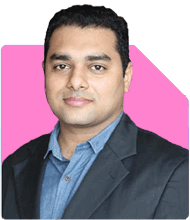
Dev

Dev Ashish  | Answer  |Ask -

MF Expert, Financial Planner - Answered on Jul 15, 2023

Dev Ashish is a fee-only SEBI-registered investment advisor with over 15 years of active experience in the stock market. In 2011, he founded StableInvestor, a platform for personal finance and financial planning.
He provides professional fee-only investment advisory services to small and high networth individuals in order to help them achieve their financial goals.
Ashish's views are regularly published in national business publications. He has an MBA degree from NMIMS, Mumbai and also holds an engineering degree.... more
Asked by Anonymous - Jul 14, 2023Hindi
Listen
Money

Do you have a budget?

Ans: Kindly elaborate on the question.
DISCLAIMER: The content of this post by the expert is the personal view of the rediffGURU. Users are advised to pursue the information provided by the rediffGURU only as a source of information to be as a point of reference and to rely on their own judgement when making a decision.
Money

You may like to see similar questions and answers below

Milind

Milind Vadjikar  | Answer  |Ask -

Insurance, Stocks, MF, PF Expert - Answered on Apr 02, 2025

Ramalingam

Ramalingam Kalirajan  |10997 Answers  |Ask -

Mutual Funds, Financial Planning Expert - Answered on Dec 16, 2025

Money
I have 450000 on hand, looking into my kids goingto university in 13 years
Ans: I truly appreciate your clear goal and long planning horizon.
Planning children’s education early shows care and responsibility.
Your patience of thirteen years is a strong advantage.
Having Rs. 4,50,000 ready gives a solid starting base.

» Understanding the Education Goal Clearly
University education costs rise faster than general inflation.
Professional courses usually cost much more.
Foreign education costs can rise even faster.
Thirteen years allows equity exposure with control.
Time gives scope to correct mistakes calmly.
Clarity today reduces stress later.

Education is a non-negotiable goal.
Money should be ready when needed.
Returns are important, but certainty matters more.
Risk must reduce as the goal nears.

» Time Horizon and Its Advantage
Thirteen years is a long investment window.
Long horizons help equity recover from volatility.
Short-term market noise becomes less relevant.
Compounding works better with patience.
This time allows phased asset changes.

Early years can take moderate growth risk.
Later years need capital protection.
This shift must be planned in advance.
Discipline matters more than market timing.

» Role of Rs. 4,50,000 Lump Sum
A lump sum gives immediate market participation.
It saves time compared to slow investing.
However, timing risk must be managed carefully.
Markets can be volatile in short periods.
Staggered deployment reduces regret risk.

This amount should not sit idle.
Inflation silently erodes unused money.
Cash gives comfort, but no growth.
Balanced deployment creates confidence.

» Asset Allocation Approach
Education goals need growth with safety.
Pure equity creates unnecessary stress.
Pure debt fails to beat education inflation.
A blended structure works best.

Equity provides long-term growth.
Debt gives stability and predictability.
Gold can add limited diversification.
Each asset has a specific role.

Allocation must change with time.
Static plans often fail near goals.
Dynamic rebalancing improves outcomes.

» Equity Exposure Assessment
Equity suits long-term education goals.
It handles inflation better than fixed returns.
Active management helps during market shifts.
Fund managers can adjust sector exposure.

Active strategies respond to changing economies.
They manage downside better than passive options.
They avoid blind market tracking.
Skill matters during volatile phases.

Equity volatility is emotional, not permanent.
Time reduces its impact significantly.
Regular reviews keep risks under control.

» Why Actively Managed Funds Matter
Education money cannot follow markets blindly.
Index-based investing copies market mistakes.
It cannot avoid overvalued sectors.
It lacks flexibility during crises.

Active funds can reduce exposure early.
They can increase cash when needed.
They can protect capital during downturns.
They aim for better risk-adjusted returns.

Education planning needs judgment, not automation.
Human decisions add value here.

» Debt Allocation and Stability
Debt balances equity volatility.
It provides visibility of future value.
It helps during market corrections.
It offers smoother return paths.

Debt is important as the goal nears.
It protects accumulated wealth.
It reduces last-minute shocks.
It supports planned withdrawals.

Debt returns may look modest.
But stability is its true benefit.
Peace of mind has real value.

» Role of Gold in Education Planning
Gold is not a growth asset.
It works as a hedge during stress.
It protects during global uncertainties.
It diversifies portfolio behaviour.

Gold allocation should remain limited.
Excess gold reduces long-term growth.
Its price movement is unpredictable.
Moderation is essential here.

» Phased Investment Strategy
Deploying lump sum gradually reduces timing risk.
It avoids emotional regret from market falls.
It allows participation across market levels.
This approach suits cautious planners.

Phasing also improves confidence.
Confidence helps stay invested long term.
Consistency beats perfect timing always.

» Ongoing Contributions Alongside Lump Sum
Education planning should not rely only on lump sum.
Regular investments add discipline.
They average market volatility.
They build habit-based wealth.

Future income growth can support step-ups.
Small increases matter over long periods.
Consistency outweighs size in investing.

» Risk Management Perspective
Risk is not market volatility alone.
Risk includes goal failure.
Risk includes panic withdrawals.
Risk includes poor planning.

Diversification reduces risk effectively.
Rebalancing controls excess exposure.
Regular reviews catch issues early.
Emotions need structured guardrails.

» Behavioural Discipline and Emotional Control
Markets test patience frequently.
Education goals demand calm decisions.
Fear and greed harm outcomes.
Plans fail due to emotions mostly.

Pre-decided strategies reduce mistakes.
Written plans improve commitment.
Periodic review gives reassurance.
Staying invested is crucial.

» Importance of Review and Monitoring
Thirteen years bring many changes.
Income levels may change.
Family needs may evolve.
Education preferences may shift.

Annual reviews keep plans relevant.
Asset allocation needs adjustment.
Performance must be evaluated objectively.
Corrections should be timely.

» Tax Efficiency Awareness
Tax impacts net education corpus.
Equity taxation applies during withdrawal.
Long-term gains get favourable rates.
Short-term exits cost more.

Debt taxation follows income slab rules.
Planning withdrawals reduces tax impact.
Staggered exits help manage tax burden.
Tax planning should align with goal timing.

Avoid frequent unnecessary churning.
Taxes quietly reduce returns.
Simplicity supports efficiency.

» Liquidity Planning Near Goal Year
Final three years need special care.
Market risk must reduce steadily.
Liquidity becomes priority over returns.
Funds should be easily accessible.

Avoid last-minute equity exposure.
Sudden crashes hurt planned education.
Gradual shift reduces anxiety.
Preparation avoids forced selling.

» Inflation Impact on Education Costs
Education inflation exceeds normal inflation.
Fees rise faster than salaries.
Accommodation costs also rise.
Foreign education adds currency risk.

Growth assets are essential initially.
Ignoring inflation leads to shortfall.
Planning must consider future realities.
Hope alone is not a strategy.

» Currency Risk Consideration
Overseas education includes currency exposure.
Rupee depreciation increases cost burden.
Diversification helps partially manage this.
Early planning reduces shock later.

This aspect needs periodic reassessment.
Flexibility helps adjust plans.
Preparation gives confidence.

» Emergency Fund and Education Goal
Education funds should not handle emergencies.
Separate emergency money is essential.
This avoids disturbing long-term plans.
Liquidity prevents panic selling.

Emergency planning supports education planning indirectly.
Stability improves decision quality.

» Insurance and Protection Perspective
Parent income supports education plans.
Adequate protection is important.
Unexpected events disrupt goals severely.
Risk cover ensures plan continuity.

Insurance supports planning discipline.
It protects dreams, not investments.
Coverage must match responsibilities.

» Avoiding Common Education Planning Mistakes
Starting too late increases pressure.
Taking excess equity near goal is risky.
Ignoring inflation leads to shortfall.
Reacting emotionally harms returns.

Chasing past performance disappoints.
Over-diversification reduces clarity.
Lack of review causes drift.
Simplicity works best.

» Role of Professional Guidance
Education planning needs structure.
Product selection is only one part.
Behaviour guidance adds real value.
Ongoing review ensures discipline.

A Certified Financial Planner adds perspective.
They align money with life goals.
They manage risks beyond returns.

» 360 Degree Integration
Education planning connects with retirement planning.
Cash flow planning supports investments.
Tax planning improves efficiency.
Risk planning ensures stability.

All areas must align together.
Isolated decisions create future stress.
Integrated thinking brings peace.

» Adapting to Life Changes
Career shifts may happen.
Income gaps may occur.
Expenses may increase unexpectedly.

Plans must remain flexible.
Flexibility prevents panic decisions.
Adjustments should be calm and timely.

» Final Insights
Your early start is a major strength.
Thirteen years provide meaningful flexibility.
Rs. 4,50,000 is a solid foundation.
Structured investing can multiply its value.

Balanced allocation with discipline works best.
Active management suits education goals well.
Regular review keeps risks controlled.
Emotional stability protects outcomes.

Stay patient and consistent.
Education planning rewards long-term commitment.
Clear goals reduce anxiety.
Prepared parents raise confident children.

Best Regards,

K. Ramalingam, MBA, CFP,

Chief Financial Planner,

www.holisticinvestment.in

https://www.youtube.com/@HolisticInvestment

..Read more

Latest Questions
Nayagam P

Nayagam P P  |10896 Answers  |Ask -

Career Counsellor - Answered on Jan 27, 2026

Career
Sir Please suggest some good course for PCB student appearing for 12 th exam thru CBSE in Feb 2026 having good prospect and placement opportunity . apart from Biotechnology, Microbiology, life science, genetics Regards Shailesh kr
Ans: Shailesh, before addressing your question, I strongly recommend completing a comprehensive psychometric assessment to identify the most suitable career options aligned with your aptitude, interest inventory, personality characteristics, and professional orientation style preferences. However, here are alternative options beyond Biotechnology, Microbiology, Life Science, and Genetics: (1) Environmental Science/Environmental Engineering, (2) B.Pharmacy, (3) Forensic Science, (4) Food Technology/Food Engineering, and (5) Agricultural Science/Agricultural Engineering/Horticulture. Please note that according to an article published in The Times of India's Republic Day Supplementary Special Edition yesterday, "India's food processing sector is experiencing significant growth, with processed food exports now representing 20.4% of agri-food exports, an increase from 13.7% in 2014-15. The market, valued at USD 354.5 billion, is expanding rapidly as startups innovate in ready-to-eat and nutrient-fortified products. Growing consumer demand for convenient, health-oriented foods creates substantial entrepreneurial opportunities and diverse career pathways." All the BEST for a Prosperous Future!

Follow RediffGURUS to Know More on 'Careers | Money | Health | Relationships'.

...Read more

Nayagam P

Nayagam P P  |10896 Answers  |Ask -

Career Counsellor - Answered on Jan 27, 2026

Career
am a dropper candidate and will be appearing for JEE Advanced 2026. I seek clarification regarding my Class XII eligibility under the top 20 percentile criterion. I passed the Maharashtra HSC Board examination in February with an overall percentage of 70%. For eligibility under the top 20 percentile rule, the required aggregate for my board is 368 marks, whereas I obtained 358 marks in the February examination. Instead of appearing for all subjects again, I appeared for Marathi as an isolated subject in the June examination conducted by the same Maharashtra HSC Board, in which I secured 86 marks. With this, my total aggregate becomes 374 marks, which meets the top 20 percentile requirement. Currently, I have two marksheets: - February Marksheet: English – 77, Physics – 56, Chemistry – 77, Mathematics – 58 , IT – 97 Aggregate: 358 marks - June Marksheet (Isolated Subject): Marathi – 86 My query is: 1. Should both marksheets be combined and uploaded as a single PDF during document verification? 2. Or will the Maharashtra Board issue a merged / updated final marksheet, and will that merged marksheet alone be considered valid for JEE Advanced eligibility?
Ans: Kartik, I hope you have completed the JEE Main 2026 January session examination and reviewed your performance against the available answer keys to assess your preliminary JEE Advanced eligibility prospects. Regarding your eligibility question, please note that the isolated Marathi marksheet from the Maharashtra State Board is fully valid for JEE examination purposes. Both your February and June examination marksheets hold equal validity. I recommend requesting an updated aggregate certificate from the Maharashtra Board, or alternatively, combining both marksheets into a single consolidated PDF file for the document verification process. Your eligibility will not be questioned if you maintain comprehensive, proper documentation throughout the verification process. I strongly suggest exploring 4-5 backup options through alternative engineering entrance examinations such as MHT-CET, SET-E, COMEDK, Amrita's, MET, VITEEE etc., rather than relying exclusively on JEE as your sole pathway. Additionally, if possible and affordable, I encourage you to attempt a comprehensive psychometric assessment to identify the most suitable career options aligned with your aptitude, interest inventory, personality characteristics, and professional orientation style preferences. All the BEST for a Prosperous Future!

Follow RediffGURUS to Know More on 'Careers | Money | Health | Relationships.'

...Read more

T S Khurana

T S Khurana   |547 Answers  |Ask -

Tax Expert - Answered on Jan 27, 2026

Money
i invested 18L own money and 6 Lakhs from MTF borrowing in Oct'22 to Oct'23 periods, now 24 Lakhs become 14 Lakhs, 10 Lakhs down, Alklyamine 98 @ 3300, relaxo 135@1083, PVRINOX 87@1865, tatainvest 250@1120,vstindustries 484@429,suntv 160@836,concor 250@860,clean 19@2060,bajajauto 14@11935,AWL 357@432,ATGL 20@1030,ADANIGREEN 20@1975,ADANIENT39@3390,ADANENSOL50@1324,ACC52@2600,COCHINSHIP10@2650,DATAPATTERN 10@3186,GRSE19@2975,MAZDOCK10 @3500,HONDAPOWER 10@4000,TATAELXSI17@7320,VBL30@660,BHARATFORG20@1740. GUILTY TO OVERRIDE WIFE SUGGESTION TO BUY JEWELS FOR DAUGHTER'S 3 YEARS AGO WHEN PF AMOUNT WITHDRAWN 13L, NOW THIS ALSO LOSS AND JEWEL ALSO 2.5 TIMES HIGHER THAN THAT TIME. WRONG DECISION. PLS CORRECT & SUGGEST. AGE 51
Ans: 01. What I can suggest is that an individual who is not expert with Equity Market should avoid over exposure to investments in this segment. In cases like this, I would suggest to make your investments in MUTUAL FUNDS instead. You may consider shifting from Equity to Mutual Funds, in phased manner.
Investment in precious metals (Gold & Silver) is very attractive today. It may continue to be so till International environment/conditions are uncertain or unpredictable. Present indication does not support stable International economies, so I feel strongly, that precious metals may keep an upward trend. But shifting all your funds to this segment is again not advisable. Keep your investment portfolio diversified, keeping some percentage of your investments in easily liquid conditions.
Real Estate is also another good option, but small funds cannot be parked in this segment.
Most Welcome for further clarifications, if any. Thanks.

...Read more

T S Khurana

T S Khurana   |547 Answers  |Ask -

Tax Expert - Answered on Jan 27, 2026

Ramalingam

Ramalingam Kalirajan  |10997 Answers  |Ask -

Mutual Funds, Financial Planning Expert - Answered on Jan 27, 2026

Money
If I have 1 crore financial crisis how I pay if i get one crore
Ans: You are thinking responsibly. Asking this question itself shows maturity and awareness. A sudden Rs 1 crore inflow during a financial crisis can solve the problem, only if it is handled with clarity and discipline.

» First understand the nature of the Rs 1 crore
– Is this money received as inheritance, insurance claim, bonus, business sale, or asset liquidation
– Is the crisis short-term (medical, business loss, job loss) or long-term (debt overload, income mismatch)
– Do not rush to use the full amount immediately

Clarity first, action later.

» Priority-based usage of the Rs 1 crore
– Medical emergencies should be settled immediately
– High-interest personal loans and credit card dues should be cleared first
– Business or income-stopping issues should be stabilised next
– Do not deploy money emotionally or under pressure

The aim is stability, not quick fixes.

» How to pay liabilities smartly
– Clear unsecured and high-cost debts fully
– Avoid closing long-term low-cost loans in one shot
– Keep sufficient liquidity for next 12 months
– Do not exhaust the full Rs 1 crore at once

Liquidity gives confidence during crisis.

» Protection before investment
– Ensure adequate health insurance is active
– Ensure sufficient pure life insurance cover
– Emergency fund must be parked safely

Without protection, another crisis can repeat.

» Where not to put this Rs 1 crore
– Do not put entire amount in equity at one time
– Do not chase high-return promises
– Do not lock full money in illiquid products
– Do not mix insurance and investment

Safety first, growth later.

» How to deploy the balance amount
– Keep part of money in low-risk instruments for stability
– Invest remaining amount gradually into equity-oriented options
– Use phased investing instead of lump sum
– Choose actively managed funds due to flexibility and downside control

Active management matters more during uncertain times.

» Tax awareness while using the money
– If you sell investments to manage crisis, tax may apply
– Equity short-term exits attract higher tax
– Plan withdrawals in a tax-aware manner
– Avoid unnecessary churn

Taxes silently reduce available money.

» Emotional discipline during crisis
– Crisis creates fear-based decisions
– Money received suddenly can disappear fast without plan
– Write down priorities before spending
– Review every big payment calmly

Money solves crisis only when mind is steady.

» Finally
– Rs 1 crore is a powerful support, not a permanent solution
– Use it to restore stability, not lifestyle
– Protect, stabilise, then grow
– A structured plan converts crisis money into long-term security

Best Regards,

K. Ramalingam, MBA, CFP,

Chief Financial Planner,

www.holisticinvestment.in

https://www.youtube.com/@HolisticInvestment

...Read more

Ramalingam

Ramalingam Kalirajan  |10997 Answers  |Ask -

Mutual Funds, Financial Planning Expert - Answered on Jan 27, 2026

Asked by Anonymous - Jan 26, 2026Hindi
Money
Dear Sir, I do have decent exposure to Mutual fund investments, I am doing SIPs since 8-9 years however I am really clueless about future of Quants funds. I started SIPs in Quant Small and Mid fund from June 2024, both funds are in negative, appreciations are -8% and -15% respectively. I have Mid fund's SIP. Looking forward to you what to next, shall I continue Small Cap's SIP and keep Mid Cap in AMC for future appreciation or withdraw the fund.
Ans: You have done well by staying invested for 8–9 years. That itself shows discipline and patience. Temporary negative returns can shake confidence, but they do not erase your long-term effort. Your question is valid and many long-term investors are thinking the same.

» Understanding what is happening now
– You started these SIPs only from June 2024
– The investment period is still short
– Mid and small segments are more volatile
– Recent market corrections have hit these segments more

Negative returns in the first 1–2 years are not unusual in such funds.

» About strategy-driven funds and future visibility
– These funds follow a fast-changing investment style
– They may move sharply up and down
– Performance comes in phases, not steadily
– When the market does not suit the strategy, returns can stay weak

This does not mean the strategy has failed, only that the cycle is not supportive right now.

» Evaluating your small-cap SIP
– Small-cap investing needs long holding capacity
– Minimum useful horizon is 7–10 years
– SIPs during weak phases help lower average cost
– Stopping SIP after a fall usually hurts future returns

If this SIP is meant for long-term goals, it should continue.

» Evaluating your mid-cap investment
– Mid-cap funds usually recover faster than small caps
– Holding without SIP still allows recovery participation
– No urgency to exit just because current returns are negative
– Selling now converts temporary loss into permanent loss

Holding patiently is better than reacting emotionally.

» Should you withdraw now
– Withdrawing after recent decline locks in loss
– You miss recovery when the cycle turns
– Taxes may also apply depending on holding period
– Decision should be goal-based, not return-based

Exit only if the fund no longer fits your goal or risk level, not due to short-term pain.

» What you should do instead
– Continue SIP in small-cap if goal horizon is long
– Keep mid-cap investment and review annually
– Avoid frequent switching based on 6–12 month returns
– Ensure these funds are not too large a part of total portfolio

Balance and patience matter more than timing.

» Risk control and portfolio view
– Mid and small caps should not dominate portfolio
– Large and flexible equity styles add stability
– Debt and gold bring balance during equity stress
– Asset allocation should guide decisions, not fund performance

A calm structure reduces future stress.

» Tax angle to remember if you sell
– Equity selling within short term attracts higher tax
– Long-term gains above Rs 1.25 lakh are taxable
– Unplanned exits increase tax leakage

Tax should not be the main reason to stay or exit, but it must be considered.

» Finally
– Your investing habit is strong
– Current underperformance is a phase, not a verdict
– Staying invested usually rewards patience
– Review with a clear goal lens, not daily NAV movement
– Long-term wealth is built by staying calm during such periods

Best Regards,

K. Ramalingam, MBA, CFP,

Chief Financial Planner,

www.holisticinvestment.in

https://www.youtube.com/@HolisticInvestment

...Read more

DISCLAIMER: The content of this post by the expert is the personal view of the rediffGURU. Investment in securities market are subject to market risks. Read all the related document carefully before investing. The securities quoted are for illustration only and are not recommendatory. Users are advised to pursue the information provided by the rediffGURU only as a source of information and as a point of reference and to rely on their own judgement when making a decision. RediffGURUS is an intermediary as per India's Information Technology Act.

Close  

You haven't logged in yet. To ask a question, Please Log in below
Login

A verification OTP will be sent to this
Mobile Number / Email

Enter OTP
A 6 digit code has been sent to

Resend OTP in120seconds

Dear User, You have not registered yet. Please register by filling the fields below to get expert answers from our Gurus
Sign up

By signing up, you agree to our
Terms & Conditions and Privacy Policy

Already have an account?

Enter OTP
A 6 digit code has been sent to Mobile

Resend OTP in120seconds

x