Home > Money > Question
Need Expert Advice?Our Gurus Can Help

Ramalingam

Ramalingam Kalirajan  |10906 Answers  |Ask -

Mutual Funds, Financial Planning Expert - Answered on May 22, 2024

Ramalingam Kalirajan has over 23 years of experience in mutual funds and financial planning.
He has an MBA in finance from the University of Madras and is a certified financial planner.
He is the director and chief financial planner at Holistic Investment, a Chennai-based firm that offers financial planning and wealth management advice.... more
Asked by Anonymous - May 21, 2024Hindi
Listen
Money

Hi I am 46 year old all i have a business which at present value 6 cr , i need 3 to 5 lac per month on retirement, what should i do.

Ans: Congratulations on building a successful business valued at ?6 crores. It's an impressive achievement. You deserve genuine appreciation for your hard work and dedication.

Understanding Your Retirement Needs
At 46 years old, you are planning for a retirement where you need ?3 to ?5 lakhs per month. This requires careful planning and strategic investment.

Evaluating Current Situation
You have a valuable business asset. To generate ?3 to ?5 lakhs monthly in retirement, diversification and planning are essential.

Analysing Business Value
Your business is worth ?6 crores. If you plan to sell it, the proceeds can be a significant part of your retirement fund. However, depending on a single asset can be risky.

Diversification of Assets
Diversification reduces risk and ensures steady income. It's important to spread investments across different asset classes.

Creating a Retirement Strategy
Liquidate Business Assets
Consider liquidating your business closer to retirement. Invest the proceeds wisely to generate regular income. Consult a Certified Financial Planner to maximize returns from this significant asset.

Invest in Equity and Debt
Equity Investments
Equities have the potential for high returns. Actively managed equity mutual funds can outperform index funds, as skilled managers make strategic decisions.

Debt Investments
Debt instruments provide stable and predictable returns. Including them in your portfolio reduces overall risk and provides a safety net.

Benefits of Regular Mutual Funds
Investing through a Mutual Fund Distributor (MFD) with CFP credentials can provide valuable guidance. Regular funds offer advisory benefits, helping you make informed decisions.

Avoid Direct Mutual Funds
Direct mutual funds have lower expense ratios but lack advisory services. For non-experts, this can be a disadvantage. Regular funds through an MFD provide personalized advice and support.

Systematic Withdrawal Plan (SWP)
A Systematic Withdrawal Plan from mutual funds can provide regular income. It allows you to withdraw a fixed amount at regular intervals, ensuring a steady cash flow in retirement.

Importance of Rebalancing
Regularly review and rebalance your portfolio. This ensures your investments align with your risk tolerance and financial goals. Rebalancing helps maintain an optimal mix of assets.

Ensuring Adequate Insurance Coverage
Ensure you have adequate insurance coverage. This protects your family in case of unforeseen events. Consider health, life, and critical illness insurance.

Planning for Inflation
Inflation-Adjusted Returns
Consider investments that provide inflation-adjusted returns. Equities and certain types of bonds can help combat inflation over the long term.

Cost of Living Adjustments
Plan for cost of living adjustments in your retirement income. This ensures your purchasing power remains intact despite rising prices.

Creating a Contingency Fund
Maintain a contingency fund for emergencies. This ensures you don’t need to dip into your retirement savings unexpectedly. A good rule is to have six to twelve months of expenses set aside.

Consulting a Certified Financial Planner
A Certified Financial Planner can provide personalized advice based on your specific needs and goals. They can help optimize your investment strategy for maximum returns and minimum risk.

Conclusion
Your business success is admirable. With strategic planning and careful investment, you can achieve your retirement goals. Regularly review your plan to ensure it aligns with your evolving needs and market conditions. You are on the right track, and with some strategic adjustments, you can enhance your financial well-being.

Best Regards,

K. Ramalingam, MBA, CFP,

Chief Financial Planner,

www.holisticinvestment.in
DISCLAIMER: The content of this post by the expert is the personal view of the rediffGURU. Users are advised to pursue the information provided by the rediffGURU only as a source of information to be as a point of reference and to rely on their own judgement when making a decision.
Money

You may like to see similar questions and answers below

Ramalingam

Ramalingam Kalirajan  |10906 Answers  |Ask -

Mutual Funds, Financial Planning Expert - Answered on Jul 22, 2024

Asked by Anonymous - Jul 21, 2024Hindi
Listen
Money
I am 42 with just 50Lin flat and just cash of 1L yearly income of 10L which end in expenses with business of yearly turnover 2cr. Want retirement by 50 with yearly income of 5L
Ans: Managing your finances to achieve retirement goals requires a comprehensive approach. Here are some steps you can take to improve your financial health and work towards your retirement target.

Assess Your Current Financial Situation
Age and Assets: You are 42 years old with a flat worth Rs 50 lakhs and Rs 1 lakh in cash.

Income and Expenses: Your yearly income is Rs 10 lakhs, which matches your expenses.

Business Turnover: Your business has a yearly turnover of Rs 2 crores.

Retirement Goals
Target Retirement Age: You aim to retire by age 50.

Required Yearly Income: You need a yearly income of Rs 5 lakhs post-retirement.

Increase Savings and Investments
Allocate Savings: Start saving a portion of your income. Aim to save at least 20% of your yearly income.

Invest Wisely: Focus on mutual funds, especially actively managed funds. These have the potential for higher returns.

Benefits of Actively Managed Funds
Higher Returns: Professional fund managers aim to outperform the market.

Risk Management: Actively managed funds diversify and adjust to market changes.

Expert Guidance: Fund managers make informed decisions based on market research.

Disadvantages of Index Funds
Passive Management: Index funds follow the market and lack active management.

Lower Flexibility: They cannot adapt quickly to market changes.

Average Returns: Index funds generally provide average market returns, which may not meet your goals.

Avoid Direct Funds
Lack of Advice: Direct funds miss out on professional guidance.

Complex Management: Managing investments directly requires significant time and effort.

Potential Mistakes: Without expert help, you may make costly errors.

Plan for Retirement Corpus
Estimate Corpus: Calculate the amount needed to generate Rs 5 lakhs yearly. Consider inflation and longevity.

Systematic Investment Plan (SIP): Start a SIP to build your retirement corpus over time.

Diversify Investments
Equity Funds: Invest in equity funds for long-term growth.

Debt Funds: Include debt funds for stability and regular income.

Balanced Funds: Consider balanced funds for a mix of growth and stability.

Business Income Optimization
Increase Profitability: Focus on increasing business profitability. Review expenses and find cost-saving measures.

Reinvest Profits: Reinvest a portion of business profits into personal investments.

Emergency Fund
Build a Cushion: Maintain an emergency fund of at least 6 months of expenses. This provides financial security.
Professional Guidance
Certified Financial Planner: Consult a Certified Financial Planner (CFP). They can provide personalized advice and help create a financial plan.
Regular Review and Adjustment
Monitor Progress: Regularly review your financial plan and adjust as needed.

Stay Informed: Keep yourself updated on market trends and investment opportunities.

Final Insights
Commit to Saving: Prioritize saving and investing for your retirement goals.

Seek Expert Help: Utilize professional guidance to make informed decisions.

Plan Ahead: Focus on long-term financial health and security.

Best Regards,

K. Ramalingam, MBA, CFP,

Chief Financial Planner,

www.holisticinvestment.in

..Read more

Ramalingam

Ramalingam Kalirajan  |10906 Answers  |Ask -

Mutual Funds, Financial Planning Expert - Answered on Oct 07, 2024

Asked by Anonymous - Oct 07, 2024Hindi
Money
Hello, I am 49 yrs old having wife (homemaker) and one son 13 yrs. I want to retire by age of 55 yrs. I have adequate health Insurance for family also have company health insurance. I have PPF 20 lacs approx., MF 30 lacs, Rental income 25K monthly, Direct Equity 50K, Emergency FD 2 lacs. Have 11 yrs remaining on housing loan EMI 25K. My in hand salary is 1.10K monthly. I want to get 1 lac per month after retirement. Please advice.
Ans: You have done well to build a strong financial base. Your savings and investments are diverse, and you also have rental income to support your retirement. Let's break down your current assets and liabilities:

Public Provident Fund (PPF): Rs 20 lakhs
Mutual Funds: Rs 30 lakhs
Rental Income: Rs 25,000 monthly
Direct Equity: Rs 50,000
Emergency Fixed Deposit: Rs 2 lakhs
Home Loan: 11 years remaining with an EMI of Rs 25,000
Monthly Salary: Rs 1.10 lakhs in hand
You also mentioned having adequate health insurance for your family, which is essential for financial security.

Retirement Goal: Rs 1 Lakh Per Month
You plan to retire at the age of 55, and your goal is to generate Rs 1 lakh per month after retirement. Let's now assess how to achieve that.

Assessment of Income and Expenses Post-Retirement
You will continue to receive Rs 25,000 per month from rental income. Therefore, the remaining Rs 75,000 per month will need to come from your investments.

Your current home loan is an ongoing liability, with an EMI of Rs 25,000. It would be ideal to explore prepayment options or at least ensure that this EMI doesn’t stretch too far into your retirement.

Now let’s focus on optimizing your investments and income sources.

Evaluate Your Investments
Your portfolio is quite diversified, with investments in PPF, mutual funds, direct equity, and a fixed deposit for emergencies. However, some adjustments may be needed to generate a regular income of Rs 75,000 per month after retirement.

Public Provident Fund (PPF)
The current PPF balance of Rs 20 lakhs is a safe and tax-efficient investment.
Continue contributing to PPF, but remember that its lock-in period and lower liquidity make it less ideal for regular income.
Mutual Funds
Your Rs 30 lakhs in mutual funds will play a crucial role in achieving your retirement income goals.
Since mutual funds have the potential for higher returns, maintaining and growing this corpus is important.
You can opt for a Systematic Withdrawal Plan (SWP) post-retirement. This will allow you to withdraw a fixed amount regularly without depleting the principal too fast.
Regularly review the performance of your mutual funds. Focus on actively managed funds rather than index funds, as actively managed funds can potentially outperform in the long term.
Direct Equity
Your Rs 50,000 in direct equity is a small portion of your portfolio.
Direct equity investments can be volatile, and since the amount is relatively small, you might not want to rely on it for regular income.
Consider shifting a portion of this to mutual funds for better risk management through professional fund managers. Regular funds managed by mutual fund distributors (MFDs) who are certified financial planners (CFPs) are often better for long-term growth.
Fixed Deposit for Emergencies
Your Rs 2 lakh fixed deposit is useful as an emergency buffer.
Keep this fund intact and do not use it for income generation. It's always wise to have 6-12 months’ worth of expenses in liquid, easily accessible funds.
Home Loan Strategy
The EMI of Rs 25,000 per month is a significant expense. With 11 years left on the loan, this will continue well into your retirement unless paid off earlier. Here's what you can consider:

Prepaying the loan: If feasible, use some of your current salary or rental income to prepay a portion of the home loan. Reducing this liability before retirement will ease the financial burden later.
If prepaying is not possible, ensure that your post-retirement income can comfortably cover the EMI.
Retirement Corpus Requirement
Assuming you need Rs 75,000 per month from your investments (since Rs 25,000 will come from rent), you will need to build a sufficient corpus by the time you retire. The corpus should be able to generate this amount through systematic withdrawals and interest income.

With inflation and other factors in mind, a rough estimate suggests that you will need a retirement corpus of around Rs 1.5 crore to Rs 2 crore to safely generate Rs 75,000 per month. Let's now explore how to build this corpus over the next six years.

Investment Strategies to Build Your Retirement Corpus
Increase Contributions to Mutual Funds
Currently, you have Rs 30 lakhs in mutual funds. Over the next six years, this can grow significantly, depending on market conditions.
Consider increasing your monthly contributions to mutual funds. This will help you build a larger corpus by the time you retire.
Opt for equity-focused mutual funds for long-term growth. Equities tend to outperform other asset classes over longer periods.
Keep a balance between mid-cap, small-cap, and large-cap funds to optimize your returns. Avoid index funds as they may provide lower returns compared to actively managed funds.
Use Systematic Investment Plans (SIPs)
Systematic Investment Plans (SIPs) will help you build your corpus in a disciplined manner.
By investing regularly, you will also benefit from rupee cost averaging, which helps mitigate the impact of market volatility.
Avoid Direct Equity for Regular Income
Direct equity investments can be unpredictable and volatile. Since your goal is to generate regular income, avoid relying on direct equity.
Shift a portion of your direct equity investments into safer options like mutual funds managed by professionals. Regular mutual funds, managed by MFDs who are certified financial planners (CFPs), provide more stability and better risk management compared to direct equity or index funds.
Rental Income and Real Estate
Your Rs 25,000 rental income will be a steady source of income post-retirement.
Consider increasing the rent periodically to keep up with inflation.
Inflation and Rising Costs
It’s crucial to factor in inflation when planning for retirement. While you might need Rs 1 lakh per month today, the cost of living will rise in the future. Therefore, building a larger corpus than initially expected is always a good strategy.

Your rental income and systematic withdrawals from your mutual funds should help mitigate the impact of inflation, but do review your plan every few years to ensure you're on track.

Additional Considerations for Retirement Planning
Emergency Fund
You have an emergency FD of Rs 2 lakhs, which is a good start. However, as you get closer to retirement, it may be worth increasing this to cover at least 6-12 months of living expenses. This way, you won’t need to dip into your retirement savings for any urgent needs.

Health Insurance
You mentioned having adequate health insurance, including company-provided coverage. After retirement, you won’t have employer-provided coverage. Therefore, consider enhancing your health insurance coverage before you retire. This will protect you and your family from any unexpected medical expenses post-retirement.

Taxation of Investments
Your post-retirement income will be subject to taxation. Here’s a quick overview of how your investments will be taxed:

Rental Income: Taxed as per your income tax slab.
Mutual Funds (Equity): Long-term capital gains (LTCG) above Rs 1.25 lakh will be taxed at 12.5%. Short-term capital gains (STCG) are taxed at 20%.
PPF: Interest earned is tax-free.
Fixed Deposit Interest: Taxed as per your income tax slab.
Ensure that your withdrawals and income sources are tax-efficient. A certified financial planner can help you optimize your tax liability in retirement.

Finally
You are on the right path toward a comfortable retirement. With a few strategic adjustments, you can achieve your goal of Rs 1 lakh per month after retirement. Focus on growing your mutual fund investments and paying down your home loan, while also keeping a strong emergency fund in place.

By maintaining a well-diversified portfolio and periodically reviewing your plan, you will be well-prepared for your retirement at 55.

Best Regards,

K. Ramalingam, MBA, CFP,

Chief Financial Planner,

www.holisticinvestment.in

https://www.youtube.com/@HolisticInvestment

..Read more

Ramalingam

Ramalingam Kalirajan  |10906 Answers  |Ask -

Mutual Funds, Financial Planning Expert - Answered on Nov 10, 2024

Money
Hello expert, Iam 38 years old and the sole earner of my family living with my wife and 3 daughters (7y,4y,and 5 month).My monthly salary is 60k and a part time bussiness which gives 2.5 L per year .I have an outstanding home loan of Rs 16 L and its emi is 18 k per month.At the age of retirement i.e 60 I want 2 crore what shall i do for this plz suggest
Ans: At 38, you’re managing family needs with a steady income. Your primary goals include:

Repaying a Rs 16 lakh home loan with an 18k EMI.
Accumulating Rs 2 crore by age 60.
This will involve efficient savings, careful debt management, and the right investment strategies.

Monthly Income Breakdown and Savings Potential
Your monthly salary is Rs 60,000, with an additional Rs 20,833 from your part-time business, totaling Rs 80,833. Allocating funds wisely can boost your financial health. After your EMI and essential expenses, maximizing savings is crucial.

Let’s discuss steps to reach your Rs 2 crore goal.

Home Loan Strategy: Efficient Debt Reduction
Repaying your home loan faster will reduce interest costs and free up funds for your goal. Consider these options:

Extra Repayments: If you add any surplus income, even a small amount, towards the loan, you could shorten its term.
Refinancing for Lower Interest Rates: Look for lower-interest loan options to reduce your EMI or loan term.
Reducing your debt quickly can allow more focus on your investment goals.

Investment Strategy: Building the Rs 2 Crore Corpus
To reach Rs 2 crore in 22 years, consistent investment in equity mutual funds can offer long-term growth potential. Let’s examine a strategic investment approach:

1. Systematic Investment Plans (SIPs)
Consider SIPs in actively managed equity mutual funds. Actively managed funds generally deliver stronger returns than passive ones like index funds.
Regular investments in equity funds can help you build wealth over time. SIPs spread your investment, reducing market timing risks and helping accumulate a robust corpus over years.
2. Debt Fund Allocation
As you approach retirement, having a portion in debt funds will reduce market exposure.
Debt funds provide stability, though returns are typically lower than equity funds.
Remember, gains from debt funds are taxed as per your income slab.
3. Balancing Between Equity and Debt
A balance of 70% in equity and 30% in debt can provide an optimal mix of growth and security.
Gradually shift from equity to debt as you near retirement. This strategy helps secure gains while limiting exposure to market volatility.
Mutual Funds: Prefer Regular Funds Over Direct Funds
Certified Financial Planner (CFP) Advice: With regular funds, you benefit from guidance by CFPs who understand your risk tolerance and goals.
Regular Monitoring: Certified advisors provide ongoing management, which direct funds lack. Direct funds may be cheaper but require expertise in fund selection and tracking.
Insurance Planning: Securing Your Family’s Future
As the sole earner, ensuring adequate life insurance is essential. Here’s what to consider:

Term Insurance: Term plans offer high coverage at low premiums and provide financial security to your family.
Health Insurance: A family floater health policy will protect against medical expenses. Coverage should be sufficient for major illnesses, ensuring your family is secure in any emergencies.
These policies safeguard your savings and investments from unforeseen events.

Emergency Fund: Essential for Stability
Set aside an emergency fund equivalent to at least six months of expenses, including EMIs. This fund will be crucial for unexpected expenses, ensuring you don’t have to dip into investments or take on debt in emergencies.

Children’s Future and Education Planning
With three young daughters, you may have education and other milestone expenses in the future. Consider these strategies:

Separate SIP for Education: Start a modest SIP dedicated to your daughters’ education. Compounded over time, this fund can be a substantial asset for their higher education or other needs.
Government Schemes: Certain schemes offer good returns with capital protection, ideal for education planning. Check eligibility based on investment goals and risk appetite.
Tax Efficiency: Minimizing Liabilities
Tax efficiency plays a significant role in your financial growth. Here’s how to optimize taxes:

Equity Mutual Funds: Long-term capital gains above Rs 1.25 lakh are taxed at 12.5%. Short-term gains are taxed at 20%. Plan redemptions based on your goals and tax obligations.
Debt Funds and Other Investments: Debt fund gains are taxed as per your income slab. Consult a tax advisor to maximize after-tax returns.
Final Insights
Following these steps can help you build a strong financial foundation:

Focus on building a disciplined investment routine.
Gradually shift to a more conservative asset mix as you approach retirement.
Ensure adequate insurance coverage and maintain an emergency fund.
Consider professional guidance for long-term strategies and efficient tax planning.
With consistent efforts, disciplined investing, and clear planning, achieving your Rs 2 crore goal by age 60 is within reach. If you’d like more personalized advice, connecting with a Certified Financial Planner may be beneficial.

Best Regards,

K. Ramalingam, MBA, CFP,

Chief Financial Planner,

www.holisticinvestment.in
https://www.youtube.com/@HolisticInvestment

..Read more

Ramalingam

Ramalingam Kalirajan  |10906 Answers  |Ask -

Mutual Funds, Financial Planning Expert - Answered on Jul 11, 2025

Money
Hi Sir, My Age is 43 years, i have a daughter and i want to retire at the age 55 years, currently my investment is MF - 18 lac, EPF 10 lac, Ulip- 30 lac, Suknya Samriddhi - 10 lac, 10 lac in FD, i want to 1.5 lac monthly income after my retirement, please suggest
Ans: You are 43 years old.
You want to retire at 55.
That gives you 12 more years to plan and invest.

You already have a few investments.
Let us understand your current financial position first.

? Your Current Investment Summary

– Mutual Funds: Rs. 18 lakhs
– EPF: Rs. 10 lakhs
– ULIP: Rs. 30 lakhs
– Sukanya Samriddhi Yojana (SSY): Rs. 10 lakhs
– Fixed Deposit (FD): Rs. 10 lakhs

You want a retirement income of Rs. 1.5 lakhs per month.
That is Rs. 18 lakhs per year after age 55.

This goal is clear and specific.
That’s a very good start.

Let’s now evaluate your investment plan from all angles.

? Retirement Income Goal: What It Means

You want Rs. 1.5 lakhs per month after 55.
That is a high-income need for retirement.

You may live another 30 years after that.
So you will need income till 85 years or more.

Inflation will keep rising.
So Rs. 1.5 lakhs today may not be enough after 10 years.

Hence, you need a portfolio that grows and gives income.
Safety alone will not help.

Your investments must beat inflation.
But also stay stable when you start withdrawing.

? Mutual Funds – Strong Growth Base

– Your mutual fund corpus is Rs. 18 lakhs now.
– These are growth-oriented and inflation-beating assets.

Mutual funds are key to wealth building.
But avoid index funds.

Index funds just follow the market.
They fall when the market falls.

They don’t have downside protection.
They lack expert fund management.

Actively managed funds are better long term.
They are guided by fund managers.
They aim for alpha or extra return over benchmark.

You should also avoid direct funds.

Direct mutual funds don’t give advice or handholding.
They give no help during market fall.
They don’t track goals.

Use regular mutual funds through MFD.
Work with a CFP for long-term support.

Regular funds offer monitoring, review, and peace of mind.
They charge slightly more, but the service is worth it.

Increase your SIPs in good equity mutual funds.
Prefer large cap, multi-cap, and flexi-cap funds.
Don’t overdo mid or small-cap.

Rebalance every year.
Check with your CFP before making changes.

? ULIP – Reevaluate its Role

You have Rs. 30 lakhs in a ULIP.
ULIP is an insurance + investment product.

It gives lower returns than pure mutual funds.
It also has higher charges in early years.

Ask yourself:
Do you need this insurance now?
Is the return matching mutual fund return?

If not, consider surrendering it.
Only if surrender charges are low now.

Reinvest that money into mutual funds.
Use it fully for your retirement goal.

Keep insurance and investments separate.
ULIPs don’t suit goal-based investing.

? EPF – Reliable and Safe

EPF is a very stable product.
You have Rs. 10 lakhs in it now.

It is debt-based and gives fixed return.
Interest is tax-free.

Do not withdraw from it.
Keep contributing if salaried.

EPF can be used for income during early retirement.
It is a strong leg of your retirement stool.

? Sukanya Samriddhi – For Daughter, Not Retirement

You have Rs. 10 lakhs in Sukanya.
This is for your daughter, not your retirement.

SSY gives fixed returns.
It is safe and tax-free.

But it is a goal-specific product.
Don’t count this corpus for your retirement.

Keep it only for your daughter’s education or marriage.
It cannot support your retirement cash flow.

? Fixed Deposit – Stability but Not Growth

FD of Rs. 10 lakhs is good for safety.
But it gives low post-tax return.

FDs don’t beat inflation over time.
They are useful for short-term needs.

Use this as part of your emergency fund.
Or move it slowly to mutual funds through STP.

Do not keep large amounts in FD for 12 years.
That money will lose value against inflation.

? Retirement Corpus Required

You want Rs. 1.5 lakhs per month.
That’s Rs. 18 lakhs per year.

If you want to retire for 30 years,
You may need Rs. 4.5 to 5 crores corpus.

This is after adjusting for inflation.

Your current total investable assets:
Rs. 18 lakhs MF
Rs. 10 lakhs EPF
Rs. 30 lakhs ULIP
Rs. 10 lakhs FD

That totals Rs. 68 lakhs today.
If you continue investing, this can grow.

But it may still fall short by Rs. 1.5 to 2 crores.
So you need to fill that gap now.

? Key Actions You Must Take Now

– Increase your SIP investments.
Try to invest Rs. 30,000 to 40,000 per month.

– Increase SIPs by 10% every year.
Link to your salary hike.

– Don’t touch your EPF or Sukanya account.
Keep them for their original purposes.

– Review ULIP performance.
Surrender if underperforming.
Reinvest in mutual funds.

– Avoid index and direct funds.
Invest only through a Certified Financial Planner.

– Keep 60-70% in equity.
The rest in debt like EPF and liquid funds.

– Rebalance your portfolio every year.
Don’t let market swings disturb your plan.

– Don’t chase hot stocks or sectors.
Follow goal-based investing with discipline.

– Avoid emotional investing.
Stick to plan even if markets fall.

? Create Goal Buckets for Focus

Split your investments into 3 buckets:

Retirement – All long-term investments

Emergency – 6–9 months of expenses

Daughter’s Future – SSY and a small MF SIP

This helps in tracking.
And prevents mixing goals.

Each bucket should grow on its own.

? Retirement Withdrawal Plan from Age 55

You’ll need monthly income after 55.
So you must start SWP from mutual funds.

Don’t depend only on interest.
Withdraw in a planned way.

Keep 3 years’ worth of money in debt funds.
Keep the rest in equity mutual funds.

Use debt to manage income in early years.
Let equity grow for later years.

Review your withdrawal plan every year.

Keep some funds in liquid category.
This helps during emergencies.

? Other Key Suggestions

– Nominate in all your investments.
Don’t leave any asset without nominee.

– Prepare a Will after 50.
It helps avoid future confusion.

– Review health insurance.
Ensure minimum Rs. 15–25 lakhs coverage.

– Keep Rs. 2–3 lakhs as medical buffer.
Use a separate liquid fund for this.

– Avoid buying real estate.
It is illiquid and not suitable for retirement income.

– Review all investments yearly with a CFP.
Rebalance with expert advice.

– Don’t keep direct equity over 20% of total.
High equity exposure creates risk.

? Finally

You are already doing many things right.
You have started early.
You have multiple investment sources.

But your current assets may not be enough.
You must grow them smartly over next 12 years.

Avoid emotional or scattered investing.
Follow a structured, guided plan.

Use mutual funds actively.
But only through regular plans with CFP support.

Keep retirement as a separate goal.
Don’t compromise it for other short-term needs.

You can retire at 55 with confidence.
But only if you stay consistent.

Monitor every investment.
Rebalance regularly.
Work with a Certified Financial Planner.

Best Regards,
K. Ramalingam, MBA, CFP,
Chief Financial Planner,
www.holisticinvestment.in
https://www.youtube.com/@HolisticInvestment

..Read more

Latest Questions
Ramalingam

Ramalingam Kalirajan  |10906 Answers  |Ask -

Mutual Funds, Financial Planning Expert - Answered on Dec 19, 2025
Asked by Anonymous - Dec 19, 2025Hindi
Money
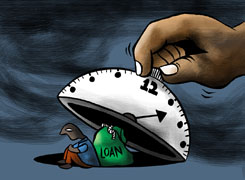
I have a credit card written off status on my cibil . This is about 2 lakhs on 2 credit card. I made last payment in 2019 and was unable to make payments later as I lost my job.Now i have stable job and can pay off 2 lkahs, My worry is will the bank take 2 laksh or add interest on that and ask me to pay 8 or 10 lakhs for this ? can anyone advice if this situation is similar and have you heard about any solutions . I can make payment of 2 lakhs outstandng as reflecting in my cibil report
Ans: First, appreciate your honesty and responsibility.
You faced job loss and survived a difficult phase.
Now you have income and intent to close dues.
That itself is a strong and positive step.

There are solutions available.

What “written off” actually means

– “Written off” does not mean loan is forgiven.
– It means bank stopped active recovery temporarily.
– The amount is still legally payable.
– Bank or recovery agency can approach you.

– CIBIL shows this as serious default.
– But it is not a criminal case.

Your biggest worry clarified clearly
Will bank ask Rs. 8–10 lakhs now?

In most practical cases, NO.

– Banks rarely recover full inflated amounts.
– Interest technically keeps accruing.
– But banks know recovery is difficult.

– They prefer one-time settlement.
– They want closure, not long fights.

What usually happens in real life

– Outstanding shown may be Rs. 2 lakhs.
– Bank internal system may show higher amount.

– They may initially demand more.
– This is a negotiation starting point.

– Final settlement usually happens near:
– Principal amount
– Or slightly above principal

– Rs. 8–10 lakhs demand is rarely enforced.

Why your position is actually strong

– Default happened due to job loss.
– Time gap is several years.
– Account is already written off.

– You are now willing to pay.
– You can offer lump sum.

Banks respect lump sum offers.

What you should NOT do

– Do not panic and pay blindly.
– Do not accept verbal promises.
– Do not pay without written confirmation.

– Do not pay partial amounts casually.
– That weakens your negotiation position.

Correct step-by-step approach
Step 1: Contact bank recovery department

– Call customer care.
– Ask for recovery or settlement team.
– Avoid agents initially.

Step 2: Ask for settlement option

Use clear language:
– You lost job earlier.
– Situation is stable now.
– You want to close accounts fully.

Ask specifically for:
– One Time Settlement option
– Written settlement letter

Step 3: Negotiate calmly

– Start by offering Rs. 2 lakhs.
– Mention it matches CIBIL outstanding.

– Bank may counter with higher number.
– This is normal negotiation.

– Many cases close between:
– 100% to 130% of principal

Rarely more, if negotiated well.

Important: Written settlement letter

Before paying anything, ensure letter states:

– Full and final settlement
– No further dues will remain
– Account will be closed
– CIBIL status will be updated

Never rely on phone assurance.

How payment should be made

– Pay only to bank account.
– Avoid cash payments.
– Keep receipts safely.

– After payment, collect closure letter.

Impact on your CIBIL score

Be very clear on this point.

– “Written off” will not disappear immediately.
– Settlement changes status to “Settled”.

– “Settled” is better than “Written off”.
– But still considered negative initially.

– Score improves gradually over time.

What improves CIBIL after settlement

– No new defaults
– Timely payments on future credit
– Low credit utilisation
– Patience

Usually improvement seen within 12–24 months.

Should you wait or settle now?

Settling now is better because:

– Old defaults block future loans.
– Housing loan becomes difficult.
– Car loan interest becomes high.

– Emotional stress continues otherwise.

Closure brings mental relief.

Common fear: “What if they harass me?”

– Harassment has reduced significantly.
– RBI rules are stricter now.
– Written settlement protects you.

– If harassment happens, complain formally.

Have others faced this situation?

Yes, thousands.

– Many lost jobs after 2018–2020.
– Credit card defaults increased widely.

– Most cases got settled reasonably.
– You are not alone.

Things working in your favour

– Old default
– Written-off status already marked
– Willingness to pay lump sum
– Stable income now

This gives negotiation power.

After settlement: what next

– Avoid credit cards initially.
– Start with small secured products.

– Pay everything on time.
– Keep credit usage low.

– Score will heal gradually.

Final reassurance

You will not be forced to pay Rs. 8–10 lakhs suddenly.
Banks prefer realistic recovery.
Your readiness to pay Rs. 2 lakhs is valuable.

Handle this calmly and formally.
Take everything in writing.
You are doing the right thing now.

...Read more

Nayagam P

Nayagam P P  |10859 Answers  |Ask -

Career Counsellor - Answered on Dec 19, 2025

Asked by Anonymous - Dec 18, 2025Hindi
Career
I am 41 year's old bp and sugar patient i completed 3years articleship for the purpose CA cource,now iam looking for paid assistant Job because still iam not clear my ipcc exams salary very low 10k per month,can I quit finance and accounting job because of my health please advise or suggest
Ans: At 41 years old with hypertension and diabetes, having completed 3 years of CA articleship but unable to clear IPCC exams while earning ?10,000 monthly, continuing in high-stress finance/accounting roles presents genuine health risks. Research confirms that sedentary, high-pressure accounting and finance jobs significantly exacerbate hypertension and Type 2 Diabetes through chronic stress, irregular routines, and poor sleep quality—particularly affecting professionals aged 35-50. Yes, quitting finance is medically justified. Rather than abandoning your accounting foundation, strategically transition to less stressful, specialized accounting/finance roles utilizing your three years of articleship experience while prioritizing health. Pursue three alternative certifications requiring 6-18 months of flexible, online study—compatible with managing your health conditions while maintaining income. These certifications leverage your existing accounting knowledge, command premium salaries (?6-12 LPA+), offer remote/flexible work options reducing stress, and require minimal additional skill upgradation beyond what you've already invested.? Option 1 – Certified Fraud Examiner (CFE) / Forensic Accounting Specialist: Complete NISM Forensic Investigation Level 1&2 (100% online, 6-12 months) or Indiaforensic's Certified Forensic Accounting Professional (distance learning, flexible). Your CA articleship background is ideal for fraud detection roles. Salary: ?6-9 LPA; Stress Level: Moderate (deadline-driven analysis, not client management); Work-Life Balance: High (project-based, remote-capable); Skill Upgradation Needed: Fraud investigation techniques, financial forensics software—both taught in certification.? Option 2 – ACCA (Association of Chartered Accountants) or US CPA: More flexible than CA (study at own pace, global recognition, no lengthy articleship repeat). ACCA requires 13-15 months online study with five paper exemptions (since you've completed articleship); US CPA takes 12 months post-articleship. Salary: ?7-12 LPA (India), higher internationally; Stress Level: Lower (flexible study schedule, no rigid mentorship like CA); Work-Life Balance: Excellent (flexible learning, no daily office stress initially); Skill Upgradation: International accounting standards, tax practices, audit frameworks—all covered in coursework. Option 3 – CMA USA (Cost & Management Accounting): Specializes in management accounting and financial planning vs. auditing. Requires two exams, 200 study hours total, completable in 8-12 months. Highly preferred by MNCs, IT companies, startups for finance manager/FP&A roles. Salary: ?8-12 LPA initially, potentially ?20+ LPA as Finance Manager/CFO; Stress Level: Low (CMA roles focus on strategic planning, less client pressure); Work-Life Balance: Excellent (corporate roles often more structured than CA practice); Skill Upgradation: Management accounting principles, data analytics, financial modeling—valuable for modern finance roles.? Final Advice: Quit immediately if current role is deteriorating health. Register for ACCA or US CPA within 30 days—most flexible, globally recognized, requiring minimal additional investment. Simultaneously pursue Forensic Accounting certification (6-month concurrent track) as backup specialization. Target roles as Compliance Analyst, Forensic Accountant, or Corporate Finance Manager—all leverage your articleship, offer 40-45 hour weeks (vs. CA practice's 50-60), enable remote work, and command ?8-12 LPA within 18 months. Your health is irreplaceable; your accounting foundation is valuable enough to transition strategically rather than completely exit.? All the BEST for a Prosperous Future!

Follow RediffGURUS to Know More on 'Careers | Money | Health | Relationships'.

...Read more

Ramalingam

Ramalingam Kalirajan  |10906 Answers  |Ask -

Mutual Funds, Financial Planning Expert - Answered on Dec 19, 2025

Money
I am 62 years of age. i have bought Max life smart wealth long term plan policy and Max life smart life advantage growth per pulse insta income fixed returns policies 2 /3 years ago. Are these policies good as i want to get benefits when i am alive. is there a way i can close " max life smart wealth long term plan policy ", as i am facing difficulty in paying up the premium. The agents don't give clear picture. please suggest.
Ans: You have shown courage by asking the right question.
Many seniors suffer silently with unsuitable policies.
Your concern about living benefits is very valid.
Your age makes clarity extremely important now.

» Your current life stage reality
– You are 62 years old.
– You are in active retirement planning phase.
– Capital protection matters more than growth.

– Cash flow comfort is critical.
– Stress-free income is more important than returns.
– Long lock-ins create anxiety now.

» Understanding the type of policies you bought
– These are investment-cum-insurance policies.
– They mix protection and investment together.

– Such products are complex by design.
– Benefits are spread over long durations.

– Charges are high in early years.
– Liquidity remains very limited initially.

» Core issue with such policies at your age
– These policies suit younger earners better.
– They need long holding periods.

– At 62, time horizon is shorter.
– You need access to money now.

– Premium commitment becomes stressful.
– Returns remain unclear for many years.

» Focus on your stated need
– You want benefits while alive.
– You want income and flexibility.

– You do not want confusion.
– You want transparency.

– This is absolutely reasonable.

» Reality check on living benefits
– Living benefits are slow in such policies.
– Early years give very little value.

– Most benefits come much later.
– This delays usefulness.

– Income promises are often misunderstood.
– Actual cash flow is usually low.

» Why agents fail to give clarity
– Products are difficult to explain honestly.
– Commissions are front-loaded.

– Explanations focus on maturity numbers.
– Risks and lock-ins get downplayed.

– This creates disappointment later.

» Premium stress is a clear warning sign
– Difficulty paying premium is serious.
– It should never be ignored.

– Forced continuation hurts retirement peace.
– This signals mismatch with your needs.

» Can such policies be closed
– Yes, they can be exited.
– Exit terms depend on policy status.

– Minimum holding period usually applies.
– After that, surrender becomes possible.

– You may receive surrender value.
– This value is often lower initially.

» Emotional barrier around surrender
– Many seniors fear losing money.
– This fear delays correct decisions.

– Continuing wrong products increases loss.
– Early correction reduces damage.

» Assessment of continuing versus exiting
– Continuing means more premium burden.
– Returns remain uncertain.

– Liquidity stays restricted.
– Stress continues every year.

– Exiting stops further premium drain.
– Money becomes usable elsewhere.

» Income needs in retirement
– Retirement needs predictable cash flow.
– Expenses do not wait for maturity.

– Medical costs rise unexpectedly.
– Family support needs flexibility.

– Locked products reduce confidence.

» Insurance versus investment separation
– Insurance should protect, not invest.
– Investment should grow or give income.

– Mixing both causes confusion.
– Separation improves clarity.

» What a Certified Financial Planner would assess
– Your regular expenses.
– Your emergency fund adequacy.

– Your health cover sufficiency.
– Your existing liquid assets.

– Your comfort with volatility.

» Action regarding investment-cum-insurance policies
– These policies are not ideal now.
– They strain cash flow.

– They do not give immediate income.
– They reduce flexibility.

– Surrender should be seriously considered.

» How to approach surrender decision calmly
– First, ask for surrender value statement.
– Ask insurer directly, not agents.

– Request written breakup.
– Include all charges.

– Compare future premiums versus surrender value.

» Important surrender-related points
– Surrender value may seem low.
– This is common in early years.

– Focus on future peace, not past loss.
– Stop throwing good money after bad.

» Tax aspect awareness
– Surrender proceeds may have tax impact.
– This depends on policy structure.

– Get clarity before final action.
– Plan withdrawal carefully.

» What to do after surrender
– Do not keep money idle.
– Reinvest based on retirement needs.

– Focus on income generation.
– Focus on capital safety.

» Suitable investment approach after exit
– Use diversified mutual fund solutions.
– Choose conservative to balanced options.

– Prefer actively managed funds.
– They adjust during market changes.

» Why index funds are unsuitable here
– Index funds mirror full market falls.
– No downside protection exists.

– Volatility can disturb sleep.
– Recovery may take time.

– Active funds aim to reduce damage.
– This suits senior investors better.

» Why regular mutual fund route helps
– Guidance is crucial at this age.
– Behaviour control matters.

– Regular reviews prevent mistakes.
– Certified Financial Planner support adds confidence.

– Cost difference is worth guidance.

» Income planning without annuities
– Avoid irreversible income products.
– Keep flexibility alive.

– Use systematic withdrawal approaches.
– Control amount and timing.

» Liquidity planning importance
– Keep enough money accessible.
– Emergencies do not announce arrival.

– Liquidity gives mental comfort.
– Avoid forced asset sales.

» Health expense preparedness
– Health costs rise sharply after sixty.
– Inflation is brutal here.

– Keep separate health contingency fund.
– Do not depend on policy maturity.

» Estate and family clarity
– Ensure nominees are updated.
– Write a clear Will.

– Avoid confusion for family.
– Simplicity matters now.

» Psychological peace as a goal
– Retirement planning is emotional.
– Stress harms health.

– Financial clarity improves wellbeing.
– Confidence comes from control.

» Red flags you should never ignore
– Premium pressure.
– Unclear benefits.

– Long lock-in periods.
– Agent-driven explanations only.

» What you should do immediately
– Ask insurer for surrender details.
– Evaluate calmly with numbers.

– Stop listening only to agents.
– Seek unbiased planning view.

» What not to do
– Do not continue blindly.
– Do not stop premiums without clarity.

– Do not delay decision endlessly.
– Delay increases loss.

» Your age-specific investment mindset
– Growth is secondary now.
– Stability is primary.

– Income visibility is essential.
– Liquidity is non-negotiable.

» Emotional reassurance
– You are not alone.
– Many seniors face similar issues.

– Correcting course is strength.
– It is never too late.

» Final Insights
– These policies are not aligned now.
– Premium stress confirms mismatch.

– Surrender option should be explored seriously.
– Protect peace over promises.

– Shift towards flexible, transparent investments.
– Focus on living benefits and comfort.

– Simplicity will serve you best now.

Best Regards,

K. Ramalingam, MBA, CFP,

Chief Financial Planner,

www.holisticinvestment.in

https://www.youtube.com/@HolisticInvestment

...Read more

Ramalingam

Ramalingam Kalirajan  |10906 Answers  |Ask -

Mutual Funds, Financial Planning Expert - Answered on Dec 19, 2025

Money
Hi Reetika, I am 43 year old. I am currently working in private organization. Having an Investment of 8.0 Lac in NPS, 27 Lac in PF, 4 Lac in PPF and 2.5 Lac in FD. My child is in 11th Science. I have my own house and no any loan. I need to Invest around 80.0 Lac for Child Education, Marriage and Retirement.
Ans: You have taken a sensible start with disciplined savings.
Owning a house without loans is a strong advantage.
Starting early retirement assets shows responsibility.
Your goals are clear and time is still supportive.

» Life stage and responsibility review
– You are 43 years old and employed.
– Your income phase is still growing.
– Your child is in 11th Science.

– Education expenses will start very soon.
– Marriage goals are medium-term.
– Retirement is long-term but critical.

– This stage needs balance, not extremes.
– Growth and safety both are required.

» Current asset structure understanding
– Retirement-linked savings already exist.
– These assets give long-term discipline.

– Provident savings form a stable base.
– Pension-oriented savings add future comfort.

– Public savings give safety and tax efficiency.
– Fixed deposits give short-term liquidity.

– Overall structure is conservative currently.
– Growth assets need gradual strengthening.

» Liquidity and emergency readiness
– Fixed deposits cover immediate needs.
– Emergency risk appears controlled.

– Maintain at least six months expenses.
– This avoids forced investment exits.

– Do not reduce liquidity for long-term goals.

» Education goal time horizon assessment
– Child education starts within few years.
– Expenses will rise sharply during graduation.

– Foreign education may increase cost further.
– This goal needs partial safety focus.

– Avoid market-linked volatility for near-term needs.

» Marriage goal perspective
– Marriage goal is emotional and financial.
– Expenses usually occur after education.

– This allows moderate growth approach.
– Capital protection remains important.

» Retirement goal clarity
– Retirement is still twenty years away.
– Time is your biggest strength.

– Small discipline now creates big comfort later.
– Growth assets must play a key role.

» Gap understanding for Rs. 80 lacs goal
– Your current assets are lower than required.
– This gap is normal at this age.

– Regular investing will bridge the gap.
– Lump sum expectations should be realistic.

– Salary growth will support higher investments later.

» Income utilisation approach
– Salary should fund regular investments.
– Annual increments should raise contributions.

– Bonuses should be goal-based.
– Avoid lifestyle inflation.

» Asset allocation strategy direction
– Future investments must be diversified.
– Do not depend on one asset type.

– Growth-oriented funds suit long-term goals.
– Stable funds suit near-term needs.

– Balance reduces stress during volatility.

» Mutual fund role in your plan
– Mutual funds allow disciplined participation.
– They reduce direct market timing risk.

– Professional management adds value.
– Diversification improves consistency.

– They suit education and retirement goals.

» Why actively managed funds matter
– Markets are volatile and emotional.
– Index funds follow markets blindly.

– Index funds fall fully during downturns.
– There is no downside protection.

– Actively managed funds adjust exposure.
– Fund managers reduce risk during stress.

– They aim to protect capital better.
– This suits family goals.

» Regular investing discipline
– Monthly investing builds habit.
– Market ups and downs get averaged.

– This reduces regret and fear.
– Discipline matters more than timing.

» Direct versus regular fund clarity
– Direct funds need strong self-discipline.
– Monitoring becomes your responsibility.

– Wrong decisions hurt long-term goals.
– Emotional exits are common.

– Regular funds provide guidance.
– Certified Financial Planner support adds value.

– Behaviour control protects returns.

» Tax awareness for mutual funds
– Equity mutual fund long-term gains face tax.
– Gains above Rs. 1.25 lakh are taxed.

– Tax rate is 12.5 percent.
– Short-term equity gains face 20 percent tax.

– Debt fund gains follow slab rates.

– Tax planning must align with withdrawals.

» Education funding investment approach
– Use stable and balanced funds.
– Avoid aggressive exposure close to need.

– Gradually reduce risk as goal nears.
– Protect capital before usage.

» Marriage funding approach
– Balanced growth approach is suitable.
– Do not chase high returns.

– Ensure funds are available on time.

» Retirement funding approach
– Long-term horizon allows growth focus.
– Equity-oriented funds are essential.

– Volatility is acceptable now.
– Time smoothens risk.

» Review of existing retirement assets
– Provident savings ensure base security.
– Pension savings add longevity support.

– These assets should remain untouched.
– They form your safety net.

» Inflation impact awareness
– Education inflation is very high.
– Medical inflation rises faster.

– Retirement expenses increase steadily.
– Growth assets fight inflation.

» Insurance protection check
– Ensure adequate life cover.
– Family must remain protected.

– Health cover must be sufficient.
– Medical costs can derail plans.

» Estate and nomination hygiene
– Ensure nominations are updated.
– Family clarity avoids future stress.

– Consider writing a Will.
– This ensures smooth asset transfer.

» Behavioural discipline importance
– Market noise creates confusion.
– Stick to your plan.

– Avoid frequent changes.
– Consistency brings results.

» Review and tracking rhythm
– Review investments once a year.
– Avoid daily monitoring.

– Adjust based on life changes.
– Keep goals priority-based.

» Risk capacity versus risk tolerance
– Your risk capacity is moderate.
– Your responsibilities are high.

– Avoid extreme strategies.
– Balance comfort and growth.

» Psychological comfort in planning
– Your base is already strong.
– Time supports your goals.

– Discipline will do the heavy work.
– Panic is your biggest enemy.

» Finally
– Yes, achieving Rs. 80 lacs is possible.
– Time and discipline are in your favour.

– Start structured investing immediately.
– Increase contributions with income growth.

– Keep goals separated mentally.
– Stay invested during volatility.

– Your journey looks stable and hopeful.

Best Regards,

K. Ramalingam, MBA, CFP,

Chief Financial Planner,

www.holisticinvestment.in

https://www.youtube.com/@HolisticInvestment

...Read more

Ramalingam

Ramalingam Kalirajan  |10906 Answers  |Ask -

Mutual Funds, Financial Planning Expert - Answered on Dec 19, 2025

Asked by Anonymous - Dec 19, 2025Hindi
Money
Hi , I am 50 years old having wife and 1 kid. I got laid off in March 2025 and currently running my own company since July 2025 where in I had invested Rs. 2.50 lacs. At present I am not taking any money from the company but we are not making any losses either. I am having an Investment of 1) 30 lacs in Saving A/c and FDs. 2) 20 lacs in NSC maturing in year 2030. 3) 9 lacs in Mutual Funds. 4) 45 lacs in Equity which i intend to liquidate and put in Mutual Funds. 5) 75 lacs in PPF, PF & NPS. 6) Wife earning 50 lacs annually. 7) She has 40 lacs in Saving A/c and FDs. 8) 1.20 Cr. in PPF, PF & NPS. 9) We also own 2 properties with current fair market value of Rs. 5 Cr. 10) One property is giving us rent of Rs. 66K per month. 11) Apart from this we are also expecting to get ~ Rs. 2.50 Cr. over next 15 years for the insurance policies getting matured. Expenses & Liabilities: 1) Monthly expenses of Rs. 4.50 lacs which includes Rent, Insurance premium, EMI against Education loan for my kid's, Medical premium, Travel, Grocery and other miscl. expenses. 2) Car loan EMI of 40,000 per month which is included in the Rs. 4.50 lacs monthly expenses. This loan is till March 2027. 3) Education loan of Rs. 1.05 Cr. with current liability of Rs. 80 lacs as we paid Rs. 25 lacs to the Bank as prepayment. We need to spend ~ Rs. 40 lacs more to support for the kid education in USA till year 2027. 4) We intend to pay the entire Education loan by max. 2030. My question is, will this be enough for me and my wife for the retirement as my wife intends to work till 2037 if everything goes fine (when she turns 60) and I will continue running my company looking at taking Rs. 1 lacs per month from it from next FY.
Ans: You have built strong assets with discipline and patience.
Your financial journey shows clarity, courage, and long-term thinking.
Despite job loss, stability is well protected.
Your family position is better than most Indian households.

» Current life stage understanding
– You are 50 years old with working spouse.
– One child pursuing overseas education.
– You are semi-employed through your own business.
– Your wife has strong income visibility.
– This phase needs protection, not aggressive risk.

– Cash flow control matters more than returns now.
– Liquidity planning is extremely important.
– Emotional decisions must be avoided.

» Employment transition and business assessment
– Job loss was sudden but handled calmly.
– Starting your company shows confidence and skill.
– Initial investment of Rs. 2.50 lacs is reasonable.
– Zero loss position is a good sign.

– No salary draw reduces pressure on business.
– Planned Rs. 1 lac monthly draw is sensible.
– This keeps household stability intact.
– Business income should be treated as variable.

– Do not overestimate future business income.
– Use it only as a support pillar.

» Family income stability review
– Wife earning Rs. 50 lacs annually is a major strength.
– Her income anchors your retirement plan.
– Employment till 2037 gives long runway.

– Her savings discipline looks excellent.
– Large retirement corpus already exists.
– This reduces pressure on your assets.

– You should align plans jointly.
– Retirement must be treated as family goal.

» Asset allocation snapshot assessment
– You hold assets across cash, debt, equity, and retirement buckets.
– Diversification already exists.
– That shows mature planning habits.

– Savings and FDs give immediate liquidity.
– NSC gives defined maturity comfort.
– Equity exposure is meaningful.
– Retirement accounts are strong.

– Real estate is end-use, not investment.
– Rental income adds safety.

» Savings accounts and FDs analysis
– Rs. 30 lacs in savings and FDs offer flexibility.
– Wife holding Rs. 40 lacs adds cushion.

– This covers emergencies and education gaps.
– Liquidity is sufficient for next three years.

– Avoid keeping excess idle cash long-term.
– Inflation quietly erodes value.

– Use this bucket for planned withdrawals.

» NSC maturity planning
– Rs. 20 lacs maturing in 2030 is well timed.
– This aligns with education loan closure.

– This can be earmarked for debt repayment.
– Do not link this to retirement spending.

– It gives psychological comfort.

» Mutual fund exposure review
– Existing mutual fund holding is small.
– Rs. 9 lacs needs scaling gradually.

– Your plan to shift equity into funds is wise.
– This improves risk management.

– Mutual funds suit retirement phase better.
– They provide professional management.

– Avoid sudden large transfers.
– Phased movement reduces timing risk.

» Direct equity exposure evaluation
– Rs. 45 lacs in equity needs careful handling.
– Market volatility can hurt emotions.

– Concentration risk exists in direct equity.
– Monitoring requires time and skill.

– Gradual exit is sensible.
– Move funds into diversified mutual funds.

– Avoid panic selling.
– Use market strength periods for exits.

» Retirement accounts strength review
– Combined PF, PPF, and NPS is very strong.
– Your Rs. 75 lacs is meaningful.
– Wife’s Rs. 1.20 Cr is excellent.

– These assets ensure base retirement security.
– They protect longevity risk.

– Do not disturb these accounts prematurely.
– Let compounding continue.

» Real estate role clarity
– Two properties worth Rs. 5 Cr add net worth comfort.
– One property gives Rs. 66k monthly rent.

– Rental income supports expenses partially.
– This reduces portfolio withdrawal stress.

– Do not consider new property investments.
– Focus on financial assets.

» Insurance maturity inflows assessment
– Expected Rs. 2.50 Cr over 15 years is valuable.
– This gives future liquidity.

– These inflows should not be spent casually.
– They must be reinvested wisely.

– Align maturity money with retirement phase.

» Expense structure evaluation
– Monthly expense of Rs. 4.50 lacs is high.
– This includes many essential heads.

– Education, rent, insurance, travel are significant.
– EMI burden is temporary.

– Expenses will reduce after 2027.
– That improves retirement readiness.

» Car loan review
– EMI of Rs. 40,000 till March 2027 is manageable.
– This is already included in expenses.

– No action required here.
– Avoid new vehicle loans.

» Education loan strategy
– Education loan balance of Rs. 80 lacs is large.
– Overseas education requires careful funding.

– Planned additional Rs. 40 lacs till 2027 is realistic.
– Do not compromise retirement assets for education.

– Target full closure by 2030 is practical.
– Use NSC maturity and surplus income.

– Avoid using retirement accounts for repayment.

» Cash flow alignment till 2027
– Wife’s income covers majority expenses.
– Rental income adds support.

– Business draw of Rs. 1 lac helps.
– Savings bridge shortfalls.

– Cash flow mismatch risk is low.

» Retirement readiness assessment
– Combined family net worth is strong.
– Retirement corpus foundation is already built.

– Major expenses peak before 2027.
– After that, burden reduces.

– Wife working till 2037 adds security.
– This delays retirement withdrawals.

» Post-2037 retirement picture
– After wife retires, expenses will drop.
– No education costs.
– No major EMIs.

– Medical costs will rise gradually.
– Planning buffers already exist.

– Rental income continues.

» Mutual fund strategy for future
– Shift equity proceeds into diversified mutual funds.
– Use a mix of growth-oriented and balanced approaches.

– Avoid index-based investing.
– Index funds lack downside protection.

– They move fully with markets.
– No human judgement is applied.

– Actively managed funds adjust allocations.
– They protect better during volatility.

– Skilled managers add value over cycles.

» Direct funds versus regular funds clarity
– Regular funds offer guidance and discipline.
– Ongoing review is critical at this stage.

– Direct funds require self-monitoring.
– Errors can be costly near retirement.

– Behaviour management matters more than cost.
– Professional handholding reduces mistakes.

– Use mutual fund distributors with CFP credentials.

» Tax awareness on mutual funds
– Equity mutual fund LTCG above Rs. 1.25 lakh is taxed.
– Tax rate is 12.5 percent.

– Short-term equity gains face 20 percent tax.
– Debt mutual fund gains follow slab rates.

– Plan withdrawals tax efficiently.
– Do not churn unnecessarily.

» Withdrawal sequencing in retirement
– Start withdrawals from surplus funds first.
– Use rental income for regular expenses.

– Keep retirement accounts untouched initially.
– Delay withdrawals improves longevity.

– Insurance maturity inflows can fund later years.

» Medical and health planning
– Medical inflation is a major risk.
– Ensure adequate health cover.

– Review coverage every three years.
– Build separate medical contingency fund.

– Avoid dipping into equity during emergencies.

» Estate and succession clarity
– Assets are large and diverse.
– Proper nominations are critical.

– Draft a clear Will.
– Review beneficiaries periodically.

– Avoid family disputes later.

» Psychological comfort and risk control
– You are financially strong.
– Avoid fear-driven decisions.

– Avoid chasing returns.
– Stability matters more now.

– Keep plans simple and review yearly.

» Finally
– Yes, your assets are sufficient for retirement.
– Discipline must continue.

– Control expenses during transition years.
– Avoid large lifestyle upgrades.

– Focus on asset allocation, not market timing.
– Your retirement future looks secure.

Best Regards,

K. Ramalingam, MBA, CFP,

Chief Financial Planner,

www.holisticinvestment.in

https://www.youtube.com/@HolisticInvestment

...Read more

Radheshyam

Radheshyam Zanwar  |6751 Answers  |Ask -

MHT-CET, IIT-JEE, NEET-UG Expert - Answered on Dec 19, 2025

Career
Sir i have given 12th in 2025 and passed with 69% but not given jee exam in 2025 and not in 2026 also But i want iit anyhow sir is this possible that i give 12th in 2027 and cleared 75 criteria then give jee mains and also i am eligible for jee advanced
Ans: You have already appeared for and passed the Class 12 examination in 2025. As per the eligibility criteria, only two consecutive attempts for JEE (Advanced) are permitted—the first in 2025 and the second in 2026. Therefore, you will not be eligible to appear for JEE (Advanced) in 2027. Reappearing for Class 12 does not reset or extend JEE (Advanced) eligibility.

However, you can still achieve your goal of studying at an IIT through an alternative and well-established pathway. You may take admission to an undergraduate engineering program of your choice, appear for the GATE examination in your final year, and secure a qualifying score to gain admission to a postgraduate program at a top IIT.

This is a strong and viable route to IIT. At this stage, it would be advisable to move forward by enrolling in an engineering program rather than focusing again on Class 12, JEE Main, or JEE Advanced.

Good luck.
Follow me if you receive this reply.
Radheshyam

...Read more

Reetika

Reetika Sharma  |432 Answers  |Ask -

Financial Planner, MF and Insurance Expert - Answered on Dec 18, 2025

Asked by Anonymous - Dec 16, 2025Hindi
Money
Hello Reetika Mam, I am 48 year having privet Job. I have started investment from 2017, current value of investment is 82L and having monthly 50K SIP as below. My goal to have 2.5Cr corpus at the age of 58. Please advice... 1. Nippon India small cap -Growth Rs 5,000 2. Sundaram Mid Cap fund Regular plan-Growth Rs 5,000 3. ICICI Prudential Small Cap- Growth Rs 10,000 4. ICICI Prudential Large Cap fund-Growth Rs 5,000 5. ICICI Prudential Balanced Adv. fund-Growth Rs 5,000 6. DSP Small Cap fund Regular Growth Rs 5,000 7. Nippn India Pharma Fund- Growth Rs 5,000 8. SBI focused Fund Regular plan- Growth Rs 5,000 9. SBI Dynamic Asset Allocation Active FoF-Regular-Growth Rs 5,000
Ans: Hi,

You can easily achieve your goal of 2.5 crores after 10 years. Your current investment value of 82 lakhs alone can grow to 2.5 crores assuming CAGR of 12% and monthly 50k SIP will give additional 1.1 crores, making a total corpus of 3.6 crores at 58.

But I see a problem with your current allocation. The fund selection is more aligned towards small caps of different AMCs and very concentrated and overlapped portfolio.
You need to diversify it so as to secure your current investment while getting a decent CAGR of 12% over next 10 years.
Focus on changing your current funds to large caps and BAFs and flexicaps and avoid sectoral funds.

You can also work with an advisor to get detailed analysis of your portfolio.
Hence you should consult a professional Certified Financial Planner - a CFP who can guide you with exact funds to invest in keeping in mind your age, requirements, financial goals and risk profile. A CFP periodically reviews your portfolio and suggest any amendments to be made, if required.

Let me know if you need more help.

Best Regards,
Reetika Sharma, Certified Financial Planner
https://www.instagram.com/cfpreetika/

...Read more

Reetika

Reetika Sharma  |432 Answers  |Ask -

Financial Planner, MF and Insurance Expert - Answered on Dec 18, 2025

Money
Hi, I am 32 years old, married, and have a 4-year-old daughter. My monthly take-home salary is 55,000 rupees, and my wife's salary is 31,000 rupees, making our total income 86,000 rupees. I am currently in a lot of debt. Our total EMIs amount to 99,910 rupees (total loans with an average interest rate of 12.5%), and even with my father covering most of the monthly expenses, I still spend about 10,000 rupees. This leaves me with a shortage of approximately 25,000 rupees (debt) every month. My total debt across various banks is 36,50,000 rupees, and I also have a gold loan of 14 lakhs. I cannot change the EMI or loan tenure for another year. I also have a 2 lakh rupee loan from private lenders at an 18% interest rate. My total debt is over 52 lakhs. Now, with gold and silver prices rising, I'm worried that I won't be able to buy them again. I have an opportunity to get a 2 lakh rupee loan at a 12% interest rate, and I'm thinking of using that money to buy gold and silver and then pledge them at the bank again. Half of my current gold loan is from a similar situation – I took a loan from private lenders, bought gold, and then took a gold loan from the bank to repay the private loan. Given my current situation and my family's circumstances, should I buy more gold or focus on repaying my debts? What should I do? The monthly interest on my loans is approximately 50,000 rupees, meaning 50,000 rupees of my salary goes towards interest every month. What should I do in this situation? I also have an SBI Jan Nivesh SIP of 2000 rupees per month for the last four months. I have no savings left. I am thinking of taking out term insurance and health insurance, but I am hesitating because I don't have the money. I am looking for some suggestions to get out of these debts.
Ans: Hi Surya,

You are in a very complicated situation. This whole debt trapped needs to be worked on very judiciously. Let us go through all the aspects in detail.

1. Your total monthly household salary - 86000; monthly expense - 10000 contribution as of now; monthly EMI - approx. 1 lakhs.
2. Current loans - 36.5 lakhs from various banks at 12.5%; Gold Loan - 14 lakhs; private lenders - 2 lakhs at 18% >> totalling to 52 lakhs.
3. 50k interest per month payable - implies capital payment is very less leading to more problem.

- Keen on buying gold with loan. This is where more problem will began. Avoid buying gold using loan.
- Your focus should be on reducing your debt instead of increasing it.

Strategy to follow:
1. Close the loan with higher interest rate - 2 lakh personal lender. This will reduce your EMI and give you more potential to prepay other loans.
2. Try and take financial help from your family in prepaying small loans from banks. This can reduce your burden.
3. If you have any unused assets, can sell them to pay off your loans.

Points to NOTE:
> Avoid taking any more loans.
> When your EMI burden reduces, do make an emergency fund of 2-3 lakhs for yourself for any uncetain situation.
> Make sure to have a health insurance for yourself and family.
> Can stop your investments for now. They are of no use if your EMIs are more than your income. Can start investing once your EMI's reduce atleast by 20-30% for you.

Let me know if you need more help.

Best Regards,
Reetika Sharma, Certified Financial Planner
https://www.instagram.com/cfpreetika/

...Read more

DISCLAIMER: The content of this post by the expert is the personal view of the rediffGURU. Investment in securities market are subject to market risks. Read all the related document carefully before investing. The securities quoted are for illustration only and are not recommendatory. Users are advised to pursue the information provided by the rediffGURU only as a source of information and as a point of reference and to rely on their own judgement when making a decision. RediffGURUS is an intermediary as per India's Information Technology Act.

Close  

You haven't logged in yet. To ask a question, Please Log in below
Login

A verification OTP will be sent to this
Mobile Number / Email

Enter OTP
A 6 digit code has been sent to

Resend OTP in120seconds

Dear User, You have not registered yet. Please register by filling the fields below to get expert answers from our Gurus
Sign up

By signing up, you agree to our
Terms & Conditions and Privacy Policy

Already have an account?

Enter OTP
A 6 digit code has been sent to Mobile

Resend OTP in120seconds

x