Home > Money > Question
Need Expert Advice?Our Gurus Can Help

33-Year-Old Dad Seeks Investment Advice for Daughter's Education

Ramalingam

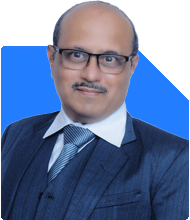
Ramalingam Kalirajan  |10830 Answers  |Ask -

Mutual Funds, Financial Planning Expert - Answered on Jul 19, 2024

Ramalingam Kalirajan has over 23 years of experience in mutual funds and financial planning.
He has an MBA in finance from the University of Madras and is a certified financial planner.
He is the director and chief financial planner at Holistic Investment, a Chennai-based firm that offers financial planning and wealth management advice.... more
Asked by Anonymous - Jul 11, 2024Hindi

Listen
Money

I am 33 years old. I have a daughter of 2 years. I have parents with high BP and diabetes. I am working on Government sector with net salary 55k. I am investigating 12k in SIP. 4K in axis small cap, 4k parag Parekh flexi cap, 4k in SBI ELSS and 2k in Mirar asset emerging cap. I HBL of 10 lakh. I have medicine insurance and term insurance of 50lakh.NPS contribution 14k. I want 1 CR for my daughter's education. How should I plan.Thank you.

Ans: 1. Current Financial Overview

1.1 Income and Expenses

Net salary: Rs 55,000 per month.
SIP investments: Rs 12,000 per month.
NPS contribution: Rs 14,000 annually.
Insurance: Health and term insurance coverage.
1.2 Existing Investments

SIPs: Rs 12,000 monthly.
Axis Small Cap: Rs 4,000
Parag Parikh Flexi Cap: Rs 4,000
SBI ELSS: Rs 4,000
Mirae Asset Emerging Bluechip: Rs 2,000
Fixed Deposits (FD): Rs 10,00,000
Term insurance: Rs 50,00,000.
2. Goal: 1 Crore for Daughter’s Education

2.1 Time Horizon

Assuming the goal is for your daughter’s education in 15 years, you have ample time to accumulate this corpus.
2.2 Investment Strategy

2.2.1 Increase SIP Contributions

Given your long-term goal, consider increasing your SIP contributions progressively.
You can start with a 10-15% increase in SIPs annually to keep pace with inflation and rising costs.
2.2.2 Diversify SIP Investments

Equity Funds: Continue with your current funds, which cover various sectors and market caps.
Balanced Funds: Include some balanced or hybrid funds for stability and growth.
Debt Funds: Consider investing a portion in debt funds for lower risk and stable returns.
2.2.3 Explore Additional Investment Options

Mutual Funds: Actively managed funds can provide better returns compared to passive funds.
Public Provident Fund (PPF): Consider adding PPF to your investment mix for tax benefits and guaranteed returns.
Systematic Investment Plans (SIPs): Increase your investments in equity funds to maximize growth potential over time.
2.2.4 Evaluate Fixed Deposits

While FDs are safe, their returns are lower compared to equity investments.
Consider allocating a portion of your FD corpus into higher-return investments for long-term growth.
3. Health Insurance and Emergency Fund

3.1 Health Insurance

Ensure your health insurance covers major medical expenses, especially for chronic conditions like diabetes and hypertension.
3.2 Emergency Fund

Maintain an emergency fund of 6-12 months of expenses to cover unforeseen situations.
This fund should be liquid and easily accessible.
4. National Pension System (NPS)

4.1 Contribution

Continue with your annual NPS contribution of Rs 14,000.
NPS provides a stable retirement corpus and tax benefits.
4.2 Review

Periodically review your NPS investments and ensure they align with your risk tolerance and retirement goals.
5. Financial Planning for Daughter’s Education

5.1 Target Corpus

To accumulate Rs 1 crore in 15 years, aim for a balanced investment strategy with growth-oriented assets.
5.2 Periodic Review

Regularly review your investment strategy and adjust contributions as needed.
Rebalance your portfolio based on performance and market conditions.
Final Insights

To achieve your goal of Rs 1 crore for your daughter’s education, increase your SIP contributions, diversify investments, and periodically review your financial plan. Balance your investments between equity and debt to ensure growth and stability. Maintain an emergency fund and ensure adequate health insurance coverage. Regularly monitor and adjust your investments to stay on track.

Best Regards,

K. Ramalingam, MBA, CFP,

Chief Financial Planner,

www.holisticinvestment.in
DISCLAIMER: The content of this post by the expert is the personal view of the rediffGURU. Users are advised to pursue the information provided by the rediffGURU only as a source of information to be as a point of reference and to rely on their own judgement when making a decision.
Money

You may like to see similar questions and answers below

Ramalingam

Ramalingam Kalirajan  |10830 Answers  |Ask -

Mutual Funds, Financial Planning Expert - Answered on May 12, 2024

Asked by Anonymous - Feb 19, 2024Hindi
Listen
Money
I am 53 with 1 cr corpus , invested in MF( lump sum - equity and SIP of 85 k month for last 2 years) PPF, NSC, stocks, FD . I have 2 children one is working and the daughter is in 12 would like to pursue medicine . I want to know the following A. How do I plan my finances ahead ? B. My daughters education ? My pension ? C. A medical policy is there for 26 lakhs for a family of 4 . Is that enough or I need to take another policy ? D. What amount should I have to lead a decent and comfortable life . Without depending on kids .( have a house of my own ) Kindly help / advice .
Ans: Hello Mr. Kumar Shashi Raj,

It's great that you're actively planning for your financial future and your children's education. Let's address your concerns step by step:

A. Planning your finances ahead:

With a corpus of 1 crore and diversified investments like MFs, PPF, NSC, stocks, and FDs, you're on the right track.
Consider reviewing your investment portfolio periodically to ensure alignment with your financial goals and risk tolerance.
Continue your SIPs and monitor the performance of your equity investments.
Explore options for retirement planning to secure a steady income post-retirement. You can consider instruments like NPS or annuities for this purpose.
B. Your daughter's education:

Since your daughter aims to pursue medicine, it's crucial to plan for the substantial expenses associated with her education.
Estimate the cost of her medical education and explore education loans, scholarships, or other funding options to supplement your savings.
Consider investing in instruments like mutual funds or fixed deposits specifically earmarked for her education expenses.
C. Medical insurance:

Your existing medical policy covering 26 lakhs for a family of four is a good start.
However, considering rising healthcare costs and the possibility of unforeseen medical emergencies, it's advisable to assess if this coverage is adequate.
Evaluate the premium versus coverage benefits and consider topping up your existing policy or purchasing an additional policy for enhanced coverage.
D. Retirement planning and leading a comfortable life:

Determine your desired post-retirement lifestyle and estimate your retirement expenses, including healthcare, travel, and other essentials.
Calculate the corpus required to generate a steady income stream post-retirement, considering factors like inflation and life expectancy.
Aim to build a retirement corpus that can sustain your lifestyle without relying on your children's financial support.
Maximize contributions to retirement-oriented schemes like NPS or voluntary provident fund to boost your retirement corpus.
Regularly reassess your financial plan and make adjustments as needed to stay on track towards your financial goals.

Best Regards,

K. Ramalingam, MBA, CFP,
Chief Financial Planner,
www.holisticinvestment.in

..Read more

Ramalingam

Ramalingam Kalirajan  |10830 Answers  |Ask -

Mutual Funds, Financial Planning Expert - Answered on Jul 18, 2024

Asked by Anonymous - Jul 08, 2024Hindi
Listen
Money
Hi Sir, i am 55, earning around 14L PM , am the single earner in my family. I have a daughter who is 14 year and doing her higher Secondary. I hold the following assets MF- 1.7 cr Shares - 1.6cr Two properties worth - 1.6 cr + land worth - 35 L in cr mkt value. Getting a rental income of 25K from one property and the other one 20K which i give to my monther for her exp ( she lives with me only) still i give her Insurance in HDFC Life which will give a guaranteed return of 27 L when my daughter gets into graduation. + life cover of 1.25 cr which am servicing. + gold and few liquid assets worth 15L . With monthly expenses of around 75K hardly saving much - managing some 20K pm in MF . how to plan for my child studies and a cushion as retirement corpus. As am working in a pvt co, don't see any retirement age as of now.
Ans: Assessing Your Current Financial Situation
You have a robust portfolio with diversified assets. Let's look at your current holdings:

Mutual Funds: Rs 1.7 crore
Shares: Rs 1.6 crore
Properties: Rs 1.6 crore
Land: Rs 35 lakh
Rental Income: Rs 45,000 per month (Rs 25,000 and Rs 20,000)
Guaranteed Return from Insurance: Rs 27 lakh
Life Cover: Rs 1.25 crore
Gold and Liquid Assets: Rs 15 lakh
Monthly Expenses: Rs 75,000
Monthly Savings: Rs 20,000 in Mutual Funds
Planning for Your Child’s Education
Your daughter is 14 years old, and higher education expenses are approaching. Here's a structured plan:

Guaranteed Insurance Return: The Rs 27 lakh guaranteed return will be a significant help when she starts her graduation. This ensures you have a secured fund for her education.

Mutual Funds and Shares: Continue to monitor and adjust your investments in mutual funds and shares to ensure they align with her education timeline. You can consider a systematic withdrawal plan (SWP) from mutual funds when required.

Building a Retirement Corpus
To ensure a comfortable retirement, let's outline your strategy:

Rental Income: Continue to utilize the Rs 45,000 monthly rental income. Consider renting both properties if selling is not a viable option. The rental income can supplement your monthly expenses post-retirement.

Mutual Funds and Shares: With a total of Rs 3.3 crore in mutual funds and shares, ensure a balanced allocation between equity and debt. As you near retirement, gradually increase the proportion of debt to reduce risk.

Monthly Savings: Increase your monthly savings if possible. If you can increase your investment in mutual funds from Rs 20,000 to Rs 50,000 per month, it will significantly boost your retirement corpus.

Liquid Assets and Gold: Keep a portion of your assets liquid for emergencies. You can also leverage gold if needed during retirement.

Insurance and Risk Management
Your current life cover of Rs 1.25 crore is substantial, but review your insurance needs periodically to ensure it remains adequate. Health insurance is also crucial, especially as you age.

Investment Strategy
Mutual Funds: Continue investing in diversified mutual funds. Consider consulting a Certified Financial Planner (CFP) to evaluate the performance of your current funds and explore better-performing options.

Equity Investments: Stay invested in high-quality stocks. Periodically review your portfolio to ensure it is well-diversified and aligned with your risk tolerance.

Key Recommendations
Increase Savings: Aim to save and invest more than Rs 20,000 monthly if possible. This will help you reach your retirement goals faster.

Rental Income: Consider renting out both properties if feasible. This can provide a stable income stream during retirement.

Education Fund: Utilize the guaranteed return from your insurance policy for your daughter's education expenses.

Balanced Portfolio: Gradually shift from equity to debt as you approach retirement to reduce risk.

Final Insights
Your financial foundation is strong. With careful planning and adjustments, you can achieve your retirement goals and provide for your daughter's education. Regularly review and rebalance your portfolio to stay on track.

Best Regards,

K. Ramalingam, MBA, CFP,

Chief Financial Planner,

www.holisticinvestment.in

..Read more

Ramalingam

Ramalingam Kalirajan  |10830 Answers  |Ask -

Mutual Funds, Financial Planning Expert - Answered on Sep 24, 2024

Asked by Anonymous - Sep 24, 2024Hindi
Money
Dear Sir, I am 46 years IT professional currently working and having below investments: PPF - 9 Lacs Mutual Fund - 26 Lacs Fixed Deposit - 42 Lacs PF - 25 Lacs House (Inherited) - 75 Lacs House (Own) - 2 CR (No home Loan) Monthly Take Home Salary (Post Taxes) - 1,10,000 INR Monthly SIP - 65000 INR Monthly expenses - 50,000 INR (School Fees, Household expenses etc...) I have daughter who is 10 Years old. Need to plan for her studies (Graduation and Post Graduation), as well as plan for my early retirement (Age: 50 Years). Corpus Required - 2.5 CR Can you please guide me how I can plan for same.
Ans: First, congratulations on building a solid financial foundation. You’ve accumulated a mix of assets across PPF, mutual funds, fixed deposits, and provident funds. You also own two houses, one inherited and one purchased. Your take-home salary is Rs 1.1 lakh, and you invest Rs 65,000 in SIPs monthly while managing expenses of Rs 50,000. Planning early retirement and your daughter’s education will require careful financial management.

Let’s evaluate your current investments and how they align with your goals.

Financial Goals: Early Retirement and Education Planning
You aim to retire at 50, which is four years away. You also want to fund your daughter’s education for both graduation and post-graduation. These are your two key financial goals.

To achieve this, your investment strategy must focus on:

Building a retirement corpus of Rs 2.5 crore
Ensuring a separate education corpus for your daughter
Let’s break this down.

Evaluating Your Current Investments
Public Provident Fund (PPF)

You have Rs 9 lakhs in PPF, a safe investment with steady returns. This fund should continue as part of your portfolio, providing a stable, risk-free component.

However, PPF alone may not offer the growth you need for retirement or education. It’s a good safety net, but you need more aggressive growth elsewhere.

Mutual Funds (Rs 26 Lakhs)

Mutual funds are a critical part of your retirement and education plan. You already have Rs 26 lakhs invested here, which shows a balanced approach. However, it’s essential to review the types of mutual funds you’re investing in.

For long-term goals, actively managed funds in large-cap or multi-cap categories will help. These funds can provide growth while balancing risk.

Avoid direct funds and index funds, as they may not provide the needed active management or potential growth required for a shorter retirement horizon.

Fixed Deposit (Rs 42 Lakhs)

Fixed deposits offer safety but low returns compared to inflation. Rs 42 lakhs is a significant portion of your portfolio in FDs. Over time, this may not keep up with inflation, especially for long-term goals like education and retirement.

Consider reallocating some of this money into more growth-oriented assets like mutual funds or balanced debt-equity investments. This will help your money grow faster while still maintaining some safety.

Provident Fund (Rs 25 Lakhs)

Provident Fund is a stable, long-term investment. The Rs 25 lakhs you’ve accumulated here will provide additional security. However, like PPF, it won’t be enough to meet your retirement goals due to its conservative nature.

This fund should remain a part of your retirement plan, but you’ll need to supplement it with more aggressive growth strategies.

Real Estate (Inherited House and Own House)

You have two houses—one inherited and one you’ve purchased. While these are valuable assets, real estate is not liquid. Selling these homes may not always be feasible if you need funds urgently.

Instead of depending on real estate for retirement, focus on liquid investments that can be converted into regular income when required.

Structuring Your Investments for Early Retirement
To retire by 50, you need to create a solid corpus of Rs 2.5 crore in the next four years. With your current investments and SIPs, you are on the right path, but some adjustments can help ensure you meet your goals.

Steps to Achieve Early Retirement:
Increase SIP Allocation: Currently, you’re investing Rs 65,000 per month in SIPs. This is a good start, but if possible, increase this amount. Given your monthly take-home salary, you may be able to contribute more toward your retirement corpus.

Shift Fixed Deposits to Higher Growth Investments: As mentioned earlier, Rs 42 lakhs in FDs is too conservative for your goals. Consider transferring some of this into mutual funds, especially large-cap and multi-cap funds, for better returns. You can allocate part of it to debt funds for stability and the rest to equity for growth.

Balanced Asset Allocation: As you approach retirement, aim for a 60-40 or 70-30 equity-to-debt ratio. This will give you the growth needed to meet your corpus goal while also protecting your capital.

Systematic Withdrawal Plan (SWP): Post-retirement, consider using an SWP from mutual funds to generate regular income. This will ensure that your money continues to grow while providing monthly income to cover expenses.

Healthcare and Emergency Fund: Make sure to have a contingency fund and health insurance. Medical expenses can increase with age, so having a separate emergency fund will protect your retirement corpus.

Planning for Your Daughter’s Education
Your daughter is 10 years old, so her graduation and post-graduation costs will arise in the next 8-12 years. It’s crucial to build a separate education fund so that you don’t dip into your retirement savings.

Steps to Achieve Education Goals:
Create a Separate Education Fund: Estimate the future cost of her education, accounting for inflation. Begin setting aside a portion of your investments specifically for this goal. Large-cap and hybrid mutual funds will provide a good mix of growth and stability.

Regular SIP for Education: Increase your SIP contribution or start a separate SIP dedicated to education. This will ensure you accumulate the required corpus by the time she reaches college.

Avoid Reliance on Real Estate: Selling property for education expenses can be risky. Instead, focus on building a liquid fund that can be easily accessed when required.

Managing Your Monthly Expenses
Your current monthly expenses are Rs 50,000, and your salary is Rs 1.1 lakh. You’re comfortably able to invest Rs 65,000 monthly in SIPs. However, when you retire, you’ll need to generate enough monthly income to cover these expenses.

Steps to Manage Retirement Expenses:
Inflation-Adjusted Expenses: Account for inflation in your retirement planning. Rs 50,000 monthly expenses today could double in 15-20 years. Your retirement corpus should generate enough to cover these increased costs.

Sustainable Withdrawal Rate: Plan a safe withdrawal rate from your corpus. Typically, a 3-4% annual withdrawal rate ensures that your corpus lasts throughout retirement.

Emergency Fund: Maintain an emergency fund that can cover at least 12 months of expenses. This provides a cushion for any unforeseen financial needs.

Tax Considerations
Post-retirement, managing taxes will be important. You need to structure your investments in a tax-efficient way to maximise your returns and minimise tax liabilities.

Steps for Tax Efficiency:
Invest in Tax-Saving Mutual Funds: Some mutual funds offer tax benefits under Section 80C. Although you are close to retirement, a portion of your investments can still be directed here to reduce your tax burden.

Provident Fund and PPF: Both PF and PPF offer tax-free interest. These should remain part of your portfolio for tax-efficient growth.

Capital Gains Management: Plan the sale of mutual funds and other assets in a tax-efficient way to minimise capital gains tax.

Final Insights
Your current financial situation is strong, with a diversified portfolio across multiple asset classes. However, to meet your goal of retiring by 50 with a Rs 2.5 crore corpus, you’ll need to make some adjustments. These include reallocating funds from FDs to mutual funds for better growth, increasing your SIPs if possible, and creating a separate education fund for your daughter.

It’s also important to have a well-balanced portfolio that provides growth, stability, and liquidity. Regular reviews of your investments and tax planning will ensure that you stay on track.

Best Regards,
K. Ramalingam, MBA, CFP,
Chief Financial Planner,
www.holisticinvestment.in
https://www.youtube.com/@HolisticInvestment

..Read more

Ramalingam

Ramalingam Kalirajan  |10830 Answers  |Ask -

Mutual Funds, Financial Planning Expert - Answered on Jun 04, 2025

Asked by Anonymous - Jun 01, 2025
Money
Dear Sir, I am 37 years old, having a income of 1.05L per Month. I have 2 Kids with 7 & 4 year old. I have invested in insurance(Ulip- approx 3.5L per annum & Term - 55k).I'm planning to Buy a land of Rs.35 Lakh in Few months with help of Personal loan. I have a savings of approx 8L. I have also invested in Stock which around 2.25L. Now I'm looking for my Baby girl(7) Higer education planning which Could come Approx 75L-1Cr in next 10 Years. Please suggest me how to plan this. Regards
Ans: You are 37 years old, earning Rs. 1.05 lakh per month.

You have two daughters aged 7 and 4.

You are paying Rs. 3.5 lakh yearly on a ULIP. That’s about Rs. 29,000 monthly.

You are paying Rs. 55,000 yearly for a term plan. This is good to keep.

You have savings of Rs. 8 lakh and stocks worth Rs. 2.25 lakh.

You plan to buy land for Rs. 35 lakh using a personal loan.

You want to plan Rs. 75 lakh to Rs. 1 crore for elder daughter’s education in 10 years.

Problems in Current Financial Plan
ULIP is an expensive product. It combines insurance and investment.

These two goals must always be kept separate.

Personal loan for land is not advisable. It creates EMI pressure.

Land will not help you with education expenses after 10 years.

Direct stock exposure is risky. Your goal needs safety with growth.

Immediate Steps to Take
Surrender your ULIP. You are paying a high cost every year.

After 5-year lock-in, most ULIPs give very poor returns.

Use the maturity or surrender value for education investment.

Keep the term plan. It’s a must for your family’s protection.

Avoid personal loan for land. It will affect cash flow and savings.

Reallocate Existing Assets
From your Rs. 8 lakh savings, keep Rs. 3 lakh as emergency fund.

This should cover 6 months of family expenses.

Balance Rs. 5 lakh can be invested for your daughter’s education.

Stock portfolio of Rs. 2.25 lakh can also be shifted to safer mutual funds.

Don’t take new risks for long-term goals.

Investment Plan for Daughter’s Education
You need Rs. 75 lakh to Rs. 1 crore in 10 years.

Start monthly SIP of at least Rs. 25,000 in mutual funds.

Prefer multicap and flexicap funds with long-term performance.

Choose regular mutual funds with support of a Certified Financial Planner.

Increase SIP by 10% every year to match income growth.

Whenever you get bonus or gift money, invest that as lump sum.

Why Mutual Funds Work Better Than ULIPs
ULIPs charge policy allocation, mortality, and fund management fees.

Your actual investment amount is much lower than premium.

Fund choices inside ULIPs are limited and non-transparent.

Mutual funds are more flexible and transparent.

SIPs in mutual funds allow you to invest monthly, review quarterly, and exit smartly.

Avoid Direct Mutual Funds
Direct funds look cheaper but come with no guidance or review.

You may stop SIPs during market fall due to fear.

Investing through regular mode with CFP gives discipline and rebalancing support.

Even a 0.5% difference in cost is worth the long-term guidance.

Reduce Financial Stress
Cancel your land purchase plan for now.

A personal loan will add high-interest EMIs.

Use your income wisely to focus only on your daughter’s education.

Your current income can support the education goal comfortably if planned well.

Keep These Things in Mind
Review your investments every 6 months with help of a CFP.

Keep your stock portfolio small and diversified.

Emergency fund should not be used for investment or land.

Don’t get into new insurance-cum-investment schemes.

Avoid peer pressure while planning land or property purchases.

Mutual Fund Taxation (When Redeeming Later)
Long-term capital gains above Rs. 1.25 lakh in equity funds are taxed at 12.5%.

Short-term capital gains are taxed at 20%.

Debt fund gains are taxed as per your income slab.

Plan your redemption in stages during the last 2–3 years of the goal.

This will help you save tax and reduce market risk.

Your 10-Year Roadmap
Stop ULIP. Surrender it and shift to mutual funds.

Drop personal loan plan for land. It is a financial burden.

Start SIP of Rs. 25,000 per month now and grow it yearly.

Use Rs. 5 lakh from savings + Rs. 2.25 lakh stock for education.

Have Rs. 3 lakh kept aside in emergency savings.

Track and review this plan regularly.

Plan for second daughter after elder daughter’s goal is fully on track.

Finally
Your intentions for your children’s future are strong and admirable.

Right now, focus only on your elder daughter’s education.

Keep life simple. Avoid mixing insurance and investments.

Mutual funds through a CFP are your best wealth-building option.

Land and personal loans can wait. Education goal cannot.

Best Regards,
K. Ramalingam, MBA, CFP,
Chief Financial Planner,
www.holisticinvestment.in
https://www.youtube.com/@HolisticInvestment

..Read more

Latest Questions
Reetika

Reetika Sharma  |333 Answers  |Ask -

Financial Planner, MF and Insurance Expert - Answered on Nov 09, 2025

Money
I am 31, teetotaler, with no bad habits, bachelor, leading celibacy, no chronical ailment, minimalist, investing in various schemes of mutual from the age of 18, now my investment is Rs. 50 lacs, with SIP of Rs. 15K every month in equity funds, and 40 lacs medical insurance 1.5Cr term insurance. Insurance premia are taken care by dividend from equity shares. My average annual expenses at present is Rs.5 lacs. Please guide me at what age should I give up the job and submit my resignation from MNC job, and retire, where I have no dependants nor depending on any one. Please guide me and advise.
Ans: Hi Mani,

You are one of the rare example of someone who is a long term investor and have build quite a good corpus through all these years.
Let us have a look at what can be done:
1. Insurance - you are well covered. Even premiums are being taken care of using dividends.
2. Emergency fund - build a dedicsted fund of minimu 10 lakhs in liquid funds for any emergency situation.
3. Mutual funds - a SIP of 15k has built you a corpus of 50 lakhs in 13 years which is great. You should also focus on increasing your investments to the maximum capacity whenever possible.
4. You are a bachelor and want to retire. But you also have to plan if ou want to get married. Getting married will change the entire plan. You will need funds to get marry, start family, kid's education and marriage. All these things should also be considered before making any decision.
5. Your current expenses of 5lakhs will double easily on getting married, so your resignation and retirement depends on this plan as well.

Hence my suggestion would be to focus on increasing income for now and you are too young to consider leaving your job. Plan your future goals and then take this decision collectively.

Also as your MF portfolio crosses 50 lakhs, would suggest you to consult a professional Certified Financial Planner - a CFP who can guide you with exact funds to invest in keeping in mind your age, requirements, financial goals and risk profile.

Let me know if you need more help.

Best Regards,
Reetika Sharma, Certified Financial Planner
https://www.instagram.com/cfpreetika/

...Read more

Reetika

Reetika Sharma  |333 Answers  |Ask -

Financial Planner, MF and Insurance Expert - Answered on Nov 09, 2025

Asked by Anonymous - Oct 18, 2025Hindi
Money
Hello. I'm 41yr old woman have 2 kids age 13 and 7. I own 3bhk duplex house in Bangalore. My monthly income comes upto 60k per month. I have invested 45lakhs in bhive workspace company and getting returns of 64k per month. I have also invested in 5 autos tie-up with rapid and earning 75k returns on tht. I have invested 12 lakhs in motilal Oswal midcap elss fund. Now I'm getting 1cr from my parents property share. Where should I invest for good returns and safe investment for future wealth? And I also love traveling so need to save some money for future for my health and my desire to fulfill. Plz guide me wisely.
Ans: Hi,

You have done great investments with some companies and aree earning out of it. This is the best form of diversification.
I understand, you have your house, monthly income from salary and your investments.
To further diversify the 1 crore that you are getting, can consider investing in a mix of equity oriented and balanced mutual funds. Your current investment in the Oswal midcap ELSS doesn't seem good. Even this can be shifted to a much better fund suited to your requirements wrt your risk appetite.

You can work with a professional advisor who will guide you with exact fund names to invest your 1 crore and also redirect 12 lakhs from elss fund to another fund.

Your goal of travelling can be done using a portion of 15% from 1 crore that you will get. This amount will be invested in debt and small cap funds and you can do a sWP from this amount to fulfil your travel goal.

Regarding health, first make sure to have a dedicated health insurance for yourself and family with a cover of minimum 25 lakhs. And have an emergency fund of around 10-15 lakhs. This would be sufficient to take care of this.

Lastly, refrain from doing investments based on any random tips in mutual funds as any wrong fund selection can hamper the growth of your portfolio.
Hence consult a professional Certified Financial Planner - a CFP who can guide you with exact funds to invest in keeping in mind your age, requirements, financial goals and risk profile.

Let me know if you need more help.

Best Regards,
Reetika Sharma, Certified Financial Planner
https://www.instagram.com/cfpreetika/

...Read more

DISCLAIMER: The content of this post by the expert is the personal view of the rediffGURU. Investment in securities market are subject to market risks. Read all the related document carefully before investing. The securities quoted are for illustration only and are not recommendatory. Users are advised to pursue the information provided by the rediffGURU only as a source of information and as a point of reference and to rely on their own judgement when making a decision. RediffGURUS is an intermediary as per India's Information Technology Act.

Close  

You haven't logged in yet. To ask a question, Please Log in below
Login

A verification OTP will be sent to this
Mobile Number / Email

Enter OTP
A 6 digit code has been sent to

Resend OTP in120seconds

Dear User, You have not registered yet. Please register by filling the fields below to get expert answers from our Gurus
Sign up

By signing up, you agree to our
Terms & Conditions and Privacy Policy

Already have an account?

Enter OTP
A 6 digit code has been sent to Mobile

Resend OTP in120seconds

x