Home > Career > Question
Need Expert Advice?Our Gurus Can Help
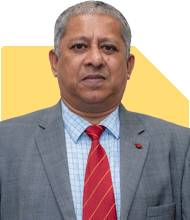
Radheshyam

Radheshyam Zanwar  |6751 Answers  |Ask -

MHT-CET, IIT-JEE, NEET-UG Expert - Answered on Aug 19, 2025

Radheshyam Zanwar is the founder of Zanwar Classes which prepares aspirants for competitive exams such as MHT-CET, IIT-JEE and NEET-UG.
Based in Aurangabad, Maharashtra, it provides coaching for Class 10 and Class 12 students as well.
Since the last 25 years, Radheshyam has been teaching mathematics to Class 11 and Class 12 students and coaching them for engineering and medical entrance examinations.
Radheshyam completed his civil engineering from the Government Engineering College in Aurangabad.... more
Rachna Question by Rachna on Aug 19, 2025Hindi
Career

Which is better to get placement in india, msc biotechnology from dtu or biomedical science from delhi university??

Ans: Hello dear
The M.Sc. Biotechnology program from DTU offers stronger placement opportunities and attracts top recruiters like Google, Microsoft, Biocon, Dr. Reddy’s, and Serum Institute. In contrast, Delhi University’s M.Sc./M.Sc. Biomedical Science placements are limited to non-technical roles with lower pay and are more focused on research or academia. (The above information is collected online, as we also do not have such information in a solid form.) Please consult the placement divisions for the most current and detailed information instead of searching online unnecessarily.

Good luck.
Follow me if you receive this reply..
Radheshyam
Career

You may like to see similar questions and answers below

Nayagam P

Nayagam P P  |10859 Answers  |Ask -

Career Counsellor - Answered on Jun 28, 2025

Asked by Anonymous - Jun 27, 2025Hindi
Career
Which is better for bsc biotechnology in Guru Nanak Institute of Pharmaceutical Science and Technology or IMT Raipur
Ans: Guru Nanak Institute of Pharmaceutical Science and Technology (GNIPST) in Kolkata, established in 2005 and accredited by NAAC and NBA, offers a four-year BSc Biotechnology program with state-of-the-art research facilities and experienced faculty. It admits 40 students annually and maintains an average placement rate of around 80% over the past three years, with a mean package of ?3.20 LPA and core recruiters such as Apollo Hospitals, Cipla, and Wockhardt. IMT University Raipur’s three-year BSc (Hons.) Biotechnology program, aligned with NEP 2020, enrolls 60 students per batch, features BSL-II and advanced instrumentation labs, and mandates a three-month industry internship in the final year. The university provides 100% placement assistance through over 950 recruitment sessions, achieving approximately 50% actual placements and an average package of ?6 LPA in 2023. Both programs deliver strong academic support, but GNIPST’s specialized pharma-biotech network contrasts with IMT Raipur’s broader industry engagement and higher average packages.

Recommendation: Opt for GNIPST if core biotechnology research and consistent 80% campus placements with leading pharmaceutical recruiters are your priority; select IMT Raipur for its structured three-month internship, extensive placement assistance, and higher average package reflecting wider industry engagement. All the BEST for the Admission & a Prosperous Future!

Follow RediffGURUS to Know More on 'Careers | Money | Health | Relationships'.

..Read more

Nayagam P

Nayagam P P  |10859 Answers  |Ask -

Career Counsellor - Answered on Jul 14, 2025

Latest Questions
Ramalingam

Ramalingam Kalirajan  |10910 Answers  |Ask -

Mutual Funds, Financial Planning Expert - Answered on Dec 22, 2025

Money
I am 66 years senior citizen getting Rs 60,000/- pension from Central Govt. I have a house that I brought in 2021 for Rs 3 crores and presently valued at Rs 6 crores. I have about 3 crores corpus. Should I sell my apartment and keep cash or leave my property to 2 daughters of mine ?
Ans: Your discipline and clarity at this age are truly appreciable.
Your openness helps build a strong and thoughtful decision path.

» Your Current Life Stage Context
– You are sixty six years old.
– You receive steady Central Government pension income.
– Monthly pension is Rs 60000.
– This income gives baseline financial comfort.
– Pension reduces dependence on volatile assets.
– You also own a self occupied apartment.
– The apartment was purchased in 2021.
– Purchase value was around Rs 3 crores.
– Current market value appears around Rs 6 crores.
– You also hold financial corpus near Rs 3 crores.
– You have two daughters.
– You are evaluating sale versus inheritance.
– This shows deep responsibility and foresight.

» Emotional And Family Angle
– Property decisions are never only financial.
– Emotional comfort matters at this age.
– Peace of mind matters most now.
– Stability matters more than high returns.
– Daughters’ security is also important.
– Harmony between children is critical.
– Clear decisions avoid future disputes.
– Simplicity helps during later years.
– Mental comfort should guide choices.

» Housing As A Lifestyle Asset
– A house is first a living space.
– It provides safety and dignity.
– It offers emotional anchoring.
– Senior years value familiarity.
– Shifting homes causes stress.
– Selling home changes daily routines.
– Renting later brings uncertainty.
– Dependence on landlords increases.
– Maintenance control reduces after selling.
– Stability usually matters more now.

» Financial Security From Pension
– Your pension is inflation sensitive to some extent.
– It gives predictable cash flow.
– It supports daily expenses.
– It reduces pressure on investments.
– Pension lowers longevity risk significantly.
– You need not chase aggressive returns.
– Capital preservation becomes priority.
– Regular income already exists.
– This is a strong advantage.

» Role Of Existing Rs 3 Crores Corpus
– Financial corpus provides additional safety.
– It supports medical needs.
– It supports emergencies.
– It supports lifestyle upgrades.
– It supports children support if required.
– Asset allocation should remain conservative.
– Liquidity planning is important.
– Tax efficiency also matters.
– Risk exposure should be limited.

» Should You Sell The Apartment
– Selling creates large cash exposure.
– Cash faces inflation erosion risk.
– Reinvestment decisions create stress.
– Wrong timing risks capital loss.
– Tax outgo may arise.
– Managing large liquidity needs discipline.
– Emotional comfort of own home reduces.
– Rental living may feel restrictive.
– Healthcare access continuity may break.
– Neighbourhood familiarity gets disturbed.

» Risks Of Holding Excess Cash
– Cash loses value over time.
– Inflation steadily erodes purchasing power.
– Bank limits create concentration risk.
– Reinvestment decisions invite market timing risk.
– Family pressure on cash increases.
– Idle cash tempts impulsive decisions.
– Managing liquidity becomes responsibility.
– Cash also creates safety illusion.

» Tax Considerations On Sale
– Property sale may attract capital gains tax.
– Indexation benefits depend on holding period.
– Net proceeds reduce after taxes.
– Reinvestment pressure increases post sale.
– Tax planning requires careful sequencing.
– Sudden tax outgo impacts corpus.
– This needs calm assessment.

» Estate Planning Importance
– Estate planning becomes essential now.
– It avoids disputes later.
– It protects daughters equally.
– It gives clarity and transparency.
– It reflects your wishes clearly.
– It reduces legal delays.
– It brings family harmony.
– It ensures smooth asset transfer.

» Leaving Property To Daughters
– Property inheritance is emotionally strong.
– It gives tangible legacy.
– It avoids immediate tax triggers.
– It allows daughters future flexibility.
– They may sell later jointly.
– They may retain if desired.
– Clear Will avoids conflicts.
– Equal allocation maintains harmony.

» Joint Ownership Challenges
– Joint ownership requires cooperation.
– Sale decisions need consensus.
– Usage decisions may differ.
– Maintenance responsibilities may clash.
– Clear instructions reduce confusion.
– A Will must specify intent.
– Executor role becomes important.

» Role Of Will And Nomination
– A registered Will is critical.
– It supersedes nominations.
– It reflects your clear intent.
– It should mention asset distribution.
– It should name executor.
– It should cover financial assets.
– It should cover property clearly.
– Periodic review is advisable.

» Medical And Care Planning
– Healthcare costs rise sharply later.
– Cash buffer must exist.
– Insurance coverage review is essential.
– Emergency liquidity should be ready.
– Hospital access continuity matters.
– Familiar area helps care.
– Home proximity to children matters.

» Children Financial Independence Check
– Assess daughters’ financial stability.
– Understand their housing situation.
– Understand their family needs.
– Avoid assumptions silently.
– Open communication helps clarity.
– Transparency builds trust.
– Avoid future misunderstandings.

» Psychological Comfort Assessment
– Ask where you feel safest.
– Ask where routines feel easiest.
– Ask where health support exists.
– Ask where social circle exists.
– Comfort often outweighs numbers.
– Emotional peace is priceless.

» Alternative Middle Path
– You need not rush selling.
– You can continue living comfortably.
– You can strengthen estate planning.
– You can organise finances cleanly.
– You can maintain liquidity separately.
– You can review annually.

» Liquidity Without Selling Home
– Financial corpus already provides liquidity.
– Pension covers regular expenses.
– Emergency funds can be earmarked.
– Medical reserves can be segregated.
– This reduces sale pressure.

» Asset Allocation Review
– Reduce high risk exposures gradually.
– Focus on income oriented instruments.
– Maintain tax efficiency.
– Ensure simple monitoring.
– Avoid complex structures.
– Simplicity aids peace.

» Role Of Certified Financial Planner
– A Certified Financial Planner adds objectivity.
– Helps integrate tax planning.
– Helps estate planning coordination.
– Helps risk management review.
– Helps succession clarity.
– Helps family communication if needed.

» Avoiding Forced Decisions
– Avoid decisions driven by fear.
– Avoid decisions driven by hearsay.
– Avoid pressure from relatives.
– Avoid impulsive restructuring.
– Calm planning gives best outcomes.

» Scenario If You Sell
– Only consider if living becomes difficult.
– Only consider if health requires relocation.
– Only consider if maintenance overwhelms.
– Plan reinvestment beforehand.
– Plan tax outgo beforehand.
– Plan monthly income replacement.

» Scenario If You Retain
– Continue enjoying self owned comfort.
– Strengthen legal documentation.
– Keep property papers updated.
– Inform daughters clearly.
– Maintain property insurance.
– Review Will periodically.

» Family Communication Strategy
– Share intentions openly.
– Explain reasons calmly.
– Invite questions.
– Avoid secrecy.
– Transparency prevents conflict.

» Long Term Peace Objective
– Your life phase seeks calm.
– Predictability matters more now.
– Complexity reduces quality of life.
– Stability brings confidence.
– Clear planning brings dignity.

» Finally
– Your pension gives strong base.
– Your corpus gives safety cushion.
– Your home gives emotional security.
– Selling is not necessary immediately.
– Retaining with clear Will feels balanced.
– Estate planning deserves priority now.
– Periodic review keeps flexibility alive.

Best Regards,

K. Ramalingam, MBA, CFP,

Chief Financial Planner,

www.holisticinvestment.in

https://www.youtube.com/@HolisticInvestment

...Read more

Ramalingam

Ramalingam Kalirajan  |10910 Answers  |Ask -

Mutual Funds, Financial Planning Expert - Answered on Dec 22, 2025

Asked by Anonymous - Nov 26, 2025Hindi
Money
I have invested money through ARSSBL in block trading and IPO now when I am trying to withdraw my funds they are asking me to pay service fees and short term capital gains tax before I can withdraw money.
Ans: I appreciate your alertness and courage in raising this concern early.
Many investors face similar pressure during withdrawals.
Your question shows responsibility and financial awareness.

» Understanding the current situation
– You invested through a platform claiming block trading and IPO access.
– You are now requesting withdrawal of your invested funds.
– They are demanding service fees before releasing money.
– They are also asking advance short term capital gains tax.
– This demand is creating confusion and anxiety.

Such situations deserve calm and structured evaluation.
Rushed payments often worsen losses.
Your pause is the correct first step.

» How legitimate investment platforms handle withdrawals
– Genuine platforms deduct charges after profit booking.
– Taxes are never collected in advance from investors.
– Capital gains tax is paid directly to the government.
– Tax payment happens during income tax filing.
– Brokers do not collect tax before fund release.

This process is consistent across regulated markets.
Any deviation requires strong caution.
Your experience clearly deviates from norms.

» Red flags visible in your experience
– Advance fee demand before withdrawal is suspicious.
– Advance tax demand before payout is abnormal.
– Pressure tactics indicate possible intent to trap funds.
– Lack of transparent contract terms raises concern.
– Absence of clear regulator oversight is alarming.

These indicators appear together in many fraud cases.
Experienced Certified Financial Planners observe this pattern often.
Awareness at this stage can still limit damage.

» Block trading and IPO access reality check
– Block trades require institutional level access.
– Retail investors rarely participate directly.
– IPO allocations follow regulated processes.
– No platform can guarantee profits.
– Promised assured returns indicate misrepresentation.

Such offerings are often misused for deception.
Marketing language may sound sophisticated.
Structure behind it often lacks substance.

» Service fee demand assessment
– Legitimate fees are deducted from sale proceeds.
– Investors are never asked to prepay fees.
– Fee invoices should be transparent and documented.
– Fees should appear in agreement documents.
– Verbal demands lack legal standing.

Paying fees upfront rarely solves withdrawal issues.
It often leads to additional demands.
This cycle drains investor confidence and capital.

» Short term capital gains tax clarity
– Capital gains tax arises only after selling assets.
– Tax liability is calculated at financial year end.
– Investors pay tax during income tax filing.
– Brokers do not act as tax collectors.
– Advance tax requests signal misinformation.

This demand alone is a serious warning sign.
It contradicts Indian tax structure completely.
Certified Financial Planners treat this as high risk.

» Psychological pressure techniques used
– Urgency is deliberately created.
– Fear of losing funds is triggered.
– Hope of recovery is repeatedly offered.
– New charges appear after each payment.
– Communication becomes selective and delayed.

These tactics aim to exhaust the investor emotionally.
Once emotions take control, mistakes follow.
Staying analytical protects your position.

» Regulatory and legal angle
– Verify if the entity is SEBI registered.
– Check registration numbers independently.
– Avoid links or screenshots provided by them.
– Use official regulator portals only.
– Absence of registration confirms illegitimacy.

Regulated entities follow strict withdrawal norms.
Unregulated entities operate without accountability.
Investor protection exists only under regulation.

» Immediate steps you should take
– Stop all further payments immediately.
– Do not send any additional funds.
– Preserve all communication records carefully.
– Save payment proofs and transaction details.
– Avoid verbal discussions going forward.

Documentation is your strongest defence now.
Silence from your side can reduce pressure.
Do not argue or negotiate further.

» Financial damage control perspective
– Accept that sunk cost cannot guide decisions.
– Focus on preventing additional loss.
– Emotional attachment worsens outcomes.
– Rational detachment brings clarity.
– Future financial health matters more.

This mindset shift is critical.
Many investors recover only after accepting reality.
Delay increases financial erosion.

» Role of a Certified Financial Planner here
– Objective evaluation without emotional bias.
– Portfolio level damage control planning.
– Cash flow stabilisation guidance.
– Tax compliance clarity going forward.
– Long term wealth rebuilding approach.

This is not about chasing losses.
It is about restoring financial balance.
Structured advice supports recovery.

» How to report and escalate safely
– File a complaint with cyber crime authorities.
– Submit details through official government portals.
– Avoid private recovery agents.
– Avoid social media recovery offers.
– These often compound losses.

Reporting protects future investors too.
Even partial recovery begins with formal complaint.
Silence only helps wrongdoers.

» Long term investment hygiene lessons
– Avoid platforms promising special access.
– Prefer transparent and regulated routes.
– Understand exit terms before investing.
– Never invest based on urgency.
– Documentation must precede money transfer.

These habits protect wealth consistently.
They reduce dependency on hope-based decisions.
Discipline builds lasting confidence.

» Rebuilding confidence after such experience
– Self blame is unproductive.
– Education is the real takeaway.
– Many intelligent investors face such traps.
– Awareness spreads only through sharing.
– Confidence returns with structured planning.

This phase will pass.
Your financial journey is not defined by one event.
Recovery is achievable with clarity.

» Broader financial health review needed
– Emergency fund adequacy must be reviewed.
– Insurance coverage should be checked.
– Debt exposure needs evaluation.
– Investment diversification requires restructuring.
– Cash flow discipline must be reinforced.

This situation highlights system gaps.
Addressing them strengthens future resilience.
360 degree review is essential now.

» Finally
– Do not pay service fees upfront.
– Do not pay advance capital gains tax.
– Treat this demand as a serious red flag.
– Focus on damage control and protection.
– Seek structured guidance from a Certified Financial Planner.

Hope remains through informed action.
Your awareness today protects tomorrow’s wealth.
Calm steps now reduce regret later.

Best Regards,

K. Ramalingam, MBA, CFP,

Chief Financial Planner,

www.holisticinvestment.in

https://www.youtube.com/@HolisticInvestment

...Read more

Anu

Anu Krishna  |1757 Answers  |Ask -

Relationships Expert, Mind Coach - Answered on Dec 22, 2025

Asked by Anonymous - Dec 22, 2025Hindi
Anu

Anu Krishna  |1757 Answers  |Ask -

Relationships Expert, Mind Coach - Answered on Dec 22, 2025

Relationship
My son is a B. Tech (computer Science) second year student in a well reputed Private University in Greater Noida. He is working very hard in studies but not able to get good grade or passing marks. He is introvert type and has not many friends. He has been introduced to many teachers and senior students for hand holding purposes and guiding him but he not coming up to meet them and sort out his problems. He is a hosteler. To whom should we take him (Professional Counsellor/ Psychologist/ Psychiatrist) to assess and know the exact reasons or issues he is facing to address his problems. How can we help him to come out of present situation.
Ans: Dear Maheshwar,
It's wise to ask your family doctor/close friend/someone with experience in counseling/therapy to recommend someone they know in Greater Noida area; that way it will become easy for your son to access that professional due to proximity. Alternatively, these days a lot of counseling and therapy sessions are done online. Whatever you choose, let it be on the recommendation from any of the above mentioned individuals.
When you choose a professional, please bear in mind if they have:
- expertise in handling youngsters in this digital world
- experience in dealing with the case with patience rather that jumping to prescribe medications

Ask your questions and only when you are satisfied that he/she is the right person to work with your son, engage with them professionally.

All the best!
Anu Krishna
Mind Coach|NLP Trainer|Author
Drop in: www.unfear.io
Reach me: Facebook: anukrish07/ AND LinkedIn: anukrishna-joyofserving/

...Read more

Ramalingam

Ramalingam Kalirajan  |10910 Answers  |Ask -

Mutual Funds, Financial Planning Expert - Answered on Dec 20, 2025

Money
Hello Sir I am investing in 5 different 7200 per month total 36000 fund as below Axis large and midcap
Ans: You have shown strong financial discipline.
Regular monthly investing reflects serious intent.
Staying invested needs patience and belief.
Your effort over time deserves appreciation.

» Current Investment Structure Overview

– You invest Rs. 36,000 every month.
– Amount is split across five equity-oriented strategies.
– This shows diversification intent.
– Diversification reduces single-style risk.

– Monthly investing suits salaried income patterns.
– SIPs align well with long-term goals.
– Equity exposure suits wealth creation goals.

– Five funds is manageable but needs review.
– More funds do not mean better safety.
– Proper role clarity matters more.

» Portfolio Intent and Goal Alignment

– Your goal appears long-term wealth creation.
– Equity suits goals beyond seven years.
– Time horizon supports market volatility absorption.

– Long-term goals need consistent behaviour.
– Discipline matters more than fund selection.
– Staying invested creates compounding benefits.

– Your approach matches long-term thinking.
– This mindset improves outcome probability.

» Asset Allocation Perspective

– Your portfolio is equity-heavy.
– Equity brings higher volatility short term.
– Equity rewards patience over time.

– Ensure debt investments exist separately.
– Debt brings stability and peace.
– Debt supports emergencies and near-term needs.

– Keeping debt separate is sensible.
– It improves mental clarity.

» Diversification Quality Assessment

– Diversification across market segments exists.
– Exposure covers large and mid-sized companies.
– This balances stability and growth potential.

– Too much overlap can reduce benefits.
– Similar stocks may repeat across strategies.
– This reduces true diversification.

– Over-diversification also reduces conviction.
– Fewer focused strategies work better.

» Need for Portfolio Simplification

– Five equity strategies may be reviewed.
– Simplification improves tracking and control.
– Monitoring becomes easier with fewer holdings.

– Each fund must have a clear role.
– Avoid duplication of investment styles.

– Consolidation improves portfolio efficiency.
– It also reduces emotional confusion.

» Actively Managed Strategy Advantage

– Actively managed funds use research-based decisions.
– Managers adjust allocations with market changes.
– They respond to valuations and risks.

– Indian markets reward active stock selection.
– Corporate quality varies widely here.
– Active monitoring adds value.

– Fund managers avoid weak businesses earlier.
– This protects downside during market stress.

– Active management suits long-term Indian investors.

» Why Passive Strategies Have Limitations

– Passive strategies track markets blindly.
– They stay fully invested always.
– They cannot reduce risk during excess valuations.

– Overvalued stocks remain included.
– Weak companies stay until index changes.

– There is no human judgement.
– No valuation discipline exists.

– During corrections, losses are full.
– There is no downside protection.

– Actively managed funds handle volatility better.
– They aim to protect capital also.

» SIP Amount Adequacy Review

– Rs. 36,000 monthly is meaningful.
– Consistency matters more than starting amount.

– Income growth should drive future increases.
– Step-ups improve long-term results.

– Avoid stretching finances for higher SIPs.
– Comfort matters for sustainability.

» Step-Up Strategy Insight

– Step-ups should match income growth.
– Aggressive step-ups increase stress risk.

– Stable step-ups are more practical.
– Even moderate increases work well.

– Review step-ups annually.
– Adjust based on cash flows.

– Flexibility is more important than targets.

» Behavioural Discipline Evaluation

– You stayed invested consistently.
– This shows emotional maturity.

– Many investors stop during volatility.
– You continued despite market noise.

– This behaviour creates long-term wealth.

– Avoid frequent portfolio checking.
– Market movements can trigger fear.

» Market Volatility Preparedness

– Equity markets move in cycles.
– Sharp corrections are normal.

– Expect at least one major fall.
– Emotional readiness matters most then.

– SIPs help manage volatility impact.
– They average costs automatically.

– Stay focused on long-term goals.

» Rebalancing Strategy Importance

– Rebalancing protects accumulated gains.
– It manages risk over time.

– Equity exposure should reduce gradually.
– Especially near goal timelines.

– Rebalancing must be rule-based.
– Avoid emotional decisions.

» Tax Awareness for Equity Investments

– Equity taxation rules have changed.
– Long-term gains above Rs. 1.25 lakh face tax.

– Short-term gains attract higher tax.
– Frequent churn increases tax burden.

– Long-term holding improves tax efficiency.

– Planned withdrawals reduce tax impact.

» Cash Flow and Emergency Planning

– Emergency fund is essential.
– Six months expenses is ideal.

– Emergency money should be liquid.
– Avoid equity for emergencies.

– This protects investments during crises.

» Insurance and Protection Planning

– Health insurance coverage must be adequate.
– Medical inflation rises fast.

– Term insurance should cover dependents.
– Coverage must match responsibilities.

– Protection supports long-term investing success.

» Lifestyle Inflation Management

– Income growth increases lifestyle temptation.
– Expenses should grow slower.

– Savings rate decides wealth creation speed.
– Control lifestyle upgrades consciously.

» Review Frequency Guidance

– Annual review is enough.
– Avoid monthly changes.

– Review after major life events.
– Income changes need updates.

– Market news alone needs no action.

» Monitoring Progress Towards Goals

– Track progress once a year.
– Use realistic expectations.

– Markets will not move linearly.
– Shortfalls are normal sometimes.

– Focus on consistency and discipline.

» Role of Professional Guidance

– Regular plans offer ongoing support.
– Guidance helps during volatile periods.

– A Certified Financial Planner adds value.
– Behaviour coaching matters most.

– Long-term success depends on decisions.

» Estate and Nomination Planning

– Ensure all nominations are updated.
– This avoids family stress later.

– Writing a simple will helps.
– It provides clarity and peace.

» Finally

– Your investing habit is strong.
– Your consistency builds financial strength.

– Portfolio structure is broadly suitable.
– Simplification can improve efficiency.

– Active management supports Indian markets well.
– Behaviour discipline will decide outcomes.

– Stay patient and review yearly.
– Wealth creation is a journey.

Best Regards,

K. Ramalingam, MBA, CFP,

Chief Financial Planner,

www.holisticinvestment.in

https://www.youtube.com/@HolisticInvestment

...Read more

Ramalingam

Ramalingam Kalirajan  |10910 Answers  |Ask -

Mutual Funds, Financial Planning Expert - Answered on Dec 20, 2025

Asked by Anonymous - Dec 20, 2025Hindi
Money
Hello sir I am investing 7200 per month in 5 different fund with expected step up of 20% in coming may 2026 detail below and xirr 14.24% Axis large mid cap 224070/ HDFC bse sensex 214998 Mirae asset midcap fund 231265/ Parag Parikh flexi 225912/ Quant large and midcap fund 210315 This is going since last 3 years started with 25k total accumulation 1133560/ This is for my long term goal like 8 cr in 10 year and used that fund accordingly Is this portfolio looking good ? Are any changes needed is step up good for target please help suggest and modification actually I got these funds 3 year back from my CA friend and since then they are as is with no changes please give your input and changes needed I am also investing govt employe regular scheme as well as debt fund but will be keeping them seperate from this portfolio please help reviewing
Ans: You are doing many things correctly.
Your discipline and patience deserve appreciation.
Three years of steady investing shows strong intent.
Your clarity on long-term goals is a big strength.

» Overall Portfolio Structure Assessment

– Your portfolio is fully equity-oriented.
– Equity is suitable for long-term wealth goals.
– A ten-year horizon supports equity exposure.
– Your diversification across styles is sensible.
– Exposure spans large, mid, and flexible strategies.

– This reduces dependency on one market segment.
– Your portfolio avoided extreme sector concentration.
– Volatility risk is still present and expected.
– Emotional discipline will be very important ahead.

– Your current value growth shows market participation.
– XIRR above inflation is encouraging.
– Returns may fluctuate sharply during market cycles.

» SIP Discipline and Behaviour Review

– Monthly investing builds strong financial habits.
– SIPs reduce timing risk over market cycles.
– Consistency matters more than fund switching.
– Your three-year continuity is a positive sign.

– Markets rewarded patience during volatile phases.
– You stayed invested during uncertain periods.
– That behaviour improves long-term outcomes.

– SIPs also support emotional stability.
– They prevent impulsive lump-sum decisions.

» Step-Up Strategy Evaluation

– A 20 percent annual step-up is aggressive.
– Aggressive step-ups suit rising income profiles.
– Sustainability matters more than intention.

– Review income growth before committing yearly.
– Ensure lifestyle expenses remain comfortable.
– Avoid stress-driven investment decisions.

– If income growth is uneven, reduce step-up.
– Even 10 to 15 percent works well.

– Flexibility is better than forced commitments.
– Step-ups should feel easy, not painful.

» Goal Feasibility Review for Rs. 8 Crore

– A large goal needs multiple support pillars.
– SIP alone may not be enough.
– Step-ups improve probability, not certainty.

– Market returns are not linear.
– Ten-year periods can include flat phases.
– Expect at least one deep correction.

– Equity helps beat inflation over time.
– But equity never guarantees fixed outcomes.

– You must prepare for shortfall scenarios.
– Backup plans are part of smart planning.

» Portfolio Concentration and Overlap

– Multiple funds can still overlap.
– Similar stocks appear across strategies.
– Overlap reduces true diversification benefits.

– Too many funds dilute conviction.
– Fewer, well-managed strategies work better.

– Portfolio simplicity improves tracking and discipline.
– Monitoring becomes easier with fewer holdings.

– Consider consolidating into fewer categories.
– Keep allocation intentional, not accidental.

» Fund Management Style Balance

– You hold growth-oriented strategies.
– Mid-segment exposure increases volatility.
– Flexibility helps adjust across cycles.

– Actively managed strategies add value here.
– Skilled managers adjust allocations dynamically.
– They respond to valuations and risks.

– This is helpful in volatile markets.
– Active decisions reduce downside impact sometimes.

» About Index-Oriented Investing Reference

– One holding tracks a broad market index.
– Index strategies follow markets blindly.
– They cannot avoid overvalued stocks.

– Index portfolios stay fully invested always.
– They suffer fully during market falls.
– No defensive action is possible.

– Index funds ignore business quality shifts.
– Poor companies remain until index changes.

– Actively managed funds avoid weak businesses earlier.
– Fund managers use research-based decisions.
– They manage risk, not just returns.

– Over long periods, good active funds outperform.
– Especially in emerging markets like India.

– Indian markets reward stock selection skill.
– Active management adds meaningful value here.

» Risk Management Perspective

– Equity risk rises near goal timelines.
– Ten years may feel long today.
– It will reduce faster than expected.

– Gradual risk reduction is essential later.
– Do not stay fully aggressive always.

– Portfolio rebalancing must be planned.
– Shifting gains protects accumulated wealth.

– Risk capacity differs from risk tolerance.
– Income stability defines risk capacity.
– Emotions define risk tolerance.

» Tax Efficiency Awareness

– Equity taxation rules have changed.
– Long-term gains above Rs. 1.25 lakh are taxed.
– Short-term gains face higher taxation now.

– Frequent churn increases tax leakage.
– Staying invested reduces unnecessary taxes.

– Goal-based withdrawals help manage tax impact.
– Random redemptions reduce efficiency.

» Behavioural Finance Observations

– You trusted advice and stayed consistent.
– That discipline deserves appreciation.

– Avoid frequent performance comparisons.
– Social media creates unnecessary anxiety.

– Markets move in cycles, not straight lines.
– Patience creates wealth, not speed.

– Avoid reacting to short-term news.
– News is noise for long-term investors.

» Role of Debt and Government Schemes

– Keeping debt investments separate is wise.
– Debt adds stability to total wealth.

– Government schemes support capital protection.
– They also provide predictable cash flows.

– Use debt for near-term goals.
– Use equity only for long-term goals.

– This separation improves mental clarity.

» Portfolio Review Frequency

– Annual review is sufficient.
– Avoid quarterly tinkering.

– Review after major life changes.
– Income changes need strategy updates.

– Market events alone need no action.

» Emergency and Protection Planning

– Ensure adequate emergency reserves exist.
– Six months expenses is ideal.

– Health insurance should be sufficient.
– Cover must rise with medical inflation.

– Term insurance should protect dependents.
– Coverage should match responsibilities.

– Protection planning supports investment success.

» Inflation and Lifestyle Planning

– Inflation erodes purchasing power silently.
– Equity helps fight inflation over time.

– Lifestyle upgrades must be planned.
– Avoid increasing expenses with income fully.

– Savings rate matters more than returns.

» Estate and Nomination Planning

– Ensure nominations are updated.
– This avoids future family stress.

– Write a simple will.
– It gives clarity and peace.

» Rebalancing Strategy Guidance

– Do not rebalance emotionally.
– Follow predefined asset ranges.

– Shift profits after strong rallies.
– Add equity during deep corrections.

– Rebalancing improves risk-adjusted returns.

» Monitoring Progress Towards Goal

– Track progress annually.
– Use realistic expectations.

– Do not anchor to fixed numbers.
– Markets rarely cooperate perfectly.

– Focus on process, not prediction.

» Finally

– Your foundation is strong and disciplined.
– Your intent and consistency are commendable.

– Portfolio structure is broadly appropriate.
– Some consolidation may improve efficiency.

– Step-up should remain flexible.
– Sustainability matters more than aggression.

– Active management suits your long-term goal.
– Behavioural discipline will decide outcomes.

– Continue reviewing holistically each year.
– Adjust strategy, not emotions.

Best Regards,

K. Ramalingam, MBA, CFP,

Chief Financial Planner,

www.holisticinvestment.in

https://www.youtube.com/@HolisticInvestment

...Read more

DISCLAIMER: The content of this post by the expert is the personal view of the rediffGURU. Investment in securities market are subject to market risks. Read all the related document carefully before investing. The securities quoted are for illustration only and are not recommendatory. Users are advised to pursue the information provided by the rediffGURU only as a source of information and as a point of reference and to rely on their own judgement when making a decision. RediffGURUS is an intermediary as per India's Information Technology Act.

Close  

You haven't logged in yet. To ask a question, Please Log in below
Login

A verification OTP will be sent to this
Mobile Number / Email

Enter OTP
A 6 digit code has been sent to

Resend OTP in120seconds

Dear User, You have not registered yet. Please register by filling the fields below to get expert answers from our Gurus
Sign up

By signing up, you agree to our
Terms & Conditions and Privacy Policy

Already have an account?

Enter OTP
A 6 digit code has been sent to Mobile

Resend OTP in120seconds

x