Home > Money > Question
Need Expert Advice?Our Gurus Can Help

Should 40-Year-Old Self-Employed Creative Professional with No Kids and Dependent Parents Surrender Endowment Policies?

Ramalingam

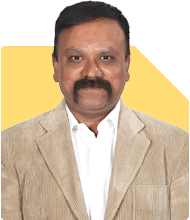
Ramalingam Kalirajan  |10971 Answers  |Ask -

Mutual Funds, Financial Planning Expert - Answered on Feb 07, 2025

Ramalingam Kalirajan has over 23 years of experience in mutual funds and financial planning.
He has an MBA in finance from the University of Madras and is a certified financial planner.
He is the director and chief financial planner at Holistic Investment, a Chennai-based firm that offers financial planning and wealth management advice.... more
Asked by Anonymous - Feb 03, 2025Hindi
Listen

Money

So I have multiple Endowment policies of Tata Aia. The total Sum invested is about 15 lacs; if I surrender them all now, I will get about 9 lacs as Surrender Value. I am 40 now and don't have any other savings. Whatever I can save goes towards the premium of these policies now. I have about 6 years more to pay towards these policies.(for some 4 years) Kindly advise what I can do. It's me and my partner and we don't have kids. I have older parents who are partially dependent on me. I am afraid I will be unable to make wealth like my peers. My job is not high-paying since I am in the creative field and am self-employed with an annual income of about 8-12lacs per annum. I only have mutual funds worth 1 lac rupees apart from these savings. Besides this, I have a term insurance for 50 lacs and medical insurance for me and my wife for 50 lacs as well. I am afraid that I will not be able to accumulate as much wealth to beat inflation. Currently also on a rented house staying with my wife.

Ans: You have taken steps to secure your future. But your current financial strategy is limiting wealth creation. Let’s assess and restructure your finances for better growth.

Existing Financial Position
Annual Income: Rs. 8-12 lakh
Endowment Policy Investment: Rs. 15 lakh
Surrender Value: Rs. 9 lakh
Mutual Funds: Rs. 1 lakh
Term Insurance: Rs. 50 lakh
Medical Insurance: Rs. 50 lakh (Self & Spouse)
Rental House: Staying with your wife
Parental Responsibility: Partial financial dependency
Limited Savings: Most go towards insurance premiums
Your current setup offers security but lacks efficient wealth growth.

The Problem with Endowment Policies
Returns are low compared to inflation.
You are locked into high premiums for years.
Your savings are not growing efficiently.
The surrender value is lower than your investment.
These policies do not support wealth creation.
You must exit these policies and redirect funds into better investment options.

What Should You Do?
Surrender Endowment Policies
Exit the policies and take the Rs. 9 lakh surrender value.

Stop further premium payments to free up cash flow.

Invest this amount in mutual funds for better returns.

Keep part of the funds in a liquid fund for emergencies.

Build a Better Investment Portfolio
Start a SIP in actively managed mutual funds.

Allocate across flexi-cap, mid-cap, and small-cap funds.

Gradually increase SIP contributions as income grows.

Avoid direct funds and invest through a MFD with CFP credentials.

Secure an Emergency Fund
Keep at least Rs. 3-5 lakh in a fixed deposit or liquid fund.

This will protect you from income fluctuations.

Do not use this for regular expenses.

Manage Parental Support and Household Expenses
Estimate medical and living expenses for parents.

Keep a separate healthcare fund for future medical needs.

Ensure they have health insurance coverage to reduce financial burden.

Plan for Wealth Creation
Increase investment percentage as income grows.

Keep a balance between growth and stability in investments.

Avoid unnecessary expenses and focus on long-term financial health.

Aim for an investment target of Rs. 2-3 crore in the next 15 years.

Managing Inflation and Future Expenses
Inflation will increase your living costs over time.

Your investments must outperform inflation for wealth creation.

Keep increasing your SIP amount every year by at least 10-15%.

Your goal should be to generate passive income from investments.

Should You Buy a House?
Your income is variable, making a loan risky.

A home loan will restrict investment potential.

Focus on building wealth first before buying a house.

Renting is better for flexibility and financial growth right now.

Finally
Your financial foundation is strong, but it needs restructuring.

Surrender endowment policies and redirect funds into mutual funds.

Build an emergency fund, invest consistently, and protect against inflation.

You can achieve long-term financial success with the right strategy.

Best Regards,

K. Ramalingam, MBA, CFP,

Chief Financial Planner,

www.holisticinvestment.in
https://www.youtube.com/@HolisticInvestment
DISCLAIMER: The content of this post by the expert is the personal view of the rediffGURU. Users are advised to pursue the information provided by the rediffGURU only as a source of information to be as a point of reference and to rely on their own judgement when making a decision.
Money

You may like to see similar questions and answers below

Ramalingam

Ramalingam Kalirajan  |10971 Answers  |Ask -

Mutual Funds, Financial Planning Expert - Answered on May 03, 2024

Listen
Money
Dear Sir, I am 44 yrs old with wife and 2 kids of age 9&11.I have been investing my money into the following sectors over the last few years back. 1.LIC and SBI money back policies of 8.5L and will be mature in 2034. 2.Life cover for self of 50L has to pay till 2047 annually of 20K. 3.Max life ULIP plan SA 6L mature in 2031. 4.Family floater Health I surance of 5L 4.HDFC life click 2I combo plan invest of 9L 5.SSA till date for both children 1L each 5.SIP of 20K since last 4.5yrs monthly 6.SIP lumpsum of 1L invested in Axis medium cap fund invested 4yrs back My question is to secure my child education and retirement life after 55 yrs , corpus should be 2 Crore what else I have to do
Ans: It's commendable that you've been diligently planning for your family's future. Your commitment to securing your children's education and ensuring a comfortable retirement is truly admirable.

Considering your current investments, it's essential to evaluate if they align with your long-term goals. While your existing plans offer some protection and potential growth, diversifying your portfolio could provide added stability and growth potential. Have you explored avenues beyond traditional insurance policies and mutual funds?

Certified Financial Planners can offer personalized strategies tailored to your aspirations and risk tolerance. They can suggest options that balance growth potential with risk mitigation, guiding you towards achieving your desired corpus. Have you considered consulting one to fine-tune your financial roadmap?

Remember, the journey to financial security is not just about numbers—it's about ensuring peace of mind and enabling your loved ones to pursue their dreams. By proactively seeking guidance and exploring diverse investment avenues, you're laying a robust foundation for a fulfilling future. Keep nurturing your financial garden, and the seeds you sow today will bloom into a prosperous tomorrow.

..Read more

Ramalingam

Ramalingam Kalirajan  |10971 Answers  |Ask -

Mutual Funds, Financial Planning Expert - Answered on Jun 20, 2025

Money
I am 41 years old with 30 lakhs home loan for 20 years, personal loan of 19 Lakhs for 6 years and 13 Lacs OD. My monthly salary is 1.7 lakhs where all EMI goes around 1 Lacs. One Endowment policy is on 1 Lacs for 20 years and 14 years already completed. Need your guidance and would like to retire by age of 50. I have one Daughter who is in 1st standard
Ans: Your dedication to plan early is commendable.
You have clear responsibilities and debt commitments.
Let’s now build a strong financial roadmap.

Current Financial Snapshot
Age: 41

Home Loan: Rs. 30 lakh for 20 years

Personal Loan: Rs. 19 lakh for 6 years

Overdraft (OD): Rs. 13 lakh outstanding

Monthly Income: Rs. 1.7 lakh

EMIs: Total around Rs. 1 lakh/month

Endowment Policy: Annual premium Rs. 1 lakh; 14 years completed; 6 years left

Daughter: 1st standard

You have significant debts and a basic insurance cum saving policy.
Your retirement goal is age 50 with daughter’s long-term education needs.

1. Analyze Debt Burden and Cash Flow
EMI is ~59% of your income.

High debt reduces savings power.

Immediate focus must be on reducing debt.

Higher interest comes from personal loan and OD.

Home loan has lower interest but long tenure.

EMI covers all essential individual and family needs.
Your current outflow leaves little flexibility.

2. Continue or Surrender Endowment Policy?
Your 20-year endowment policy with 6 years remaining is cross?evaluated:

Pros:

Guaranteed maturity benefit

Savings discipline

Cons:

Low bonus and low effective return

High cost; premiums > returns

No flexibility or optimism of switching

Recommendation:
Continue it till maturity since 14 years is elapsed.
Surrendering now would lead to loss.
Canceling now will get some surrender value but reduced gains.
Continue and then reinvest maturity proceeds wisely.

3. Debt Repayment Priority Framework
Rank your debts by interest and urgency:

Overdraft (OD): high interest; greatest priority

Personal Loan: next high interest

Home Loan: lower interest; least urgency

Use accelerated repayment principles:

After paying finish personal loan, redirect EMI to OD.

Use any bonuses to reduce OD quickly.

Overpay when possible to reduce high-cost finance burden.

Do not increase home loan payments now.

Reducing debt will free up EMI in a year, boosting monthly surplus.

4. Reassess Insurance and Protection Cover
You have a term policy embedded in endowment and likely no separate pure term plan.
You and spouse need pure term insurance of 10–15x income.
Don't buy annuities or fresh ULIPs.

Health Insurance:

Confirm health cover adequacy.

Consider separate policy if family health needs expand.

Senior parents may need coverage soon; plan ahead.

Strong coverage before age 50 keeps unforeseen risks manageable.

5. Create Short-Term Emergency Fund
Due to high debt, liquidity is thin.

Build an emergency fund of Rs. 2–3 lakh.
Keep in liquid mutual fund or savings bank.
Start with Rs. 10–15k monthly until buffer is in place.
This protects your cash flow during unexpected events.

6. Design Monthly Repayment & Repurposing Strategy
Once OD clears, monthly surplus emerges:

Step 1 (next 6–12 months):

Home EMI continues

Focus on OD + Personal loan

Emergency fund savings

Endowment premium payment

Minimal or no mutual fund investing

Step 2 (12 months onward):

EMIs drop as high-interest debts clear

Redirect freed EMIs into investments

Start structured SIPs for key goals

Timeline helps you regain control stepwise.

7. Goal Mapping and Investment Targets
You have two main future goals:

Goal 1 – Retirement at age 50 (9 years)
Goal 2 – Daughter’s education and higher education (12–15 years)

Your current monthly surplus must be aligned to meet both goals.

8. Investment Phase Starts After Debt Rationalisation
Once high-interest debts clear, deploy EMIs systematically:

Phase 1 (after 12–18 months) – With EMI freed:

Emergency Reserve: Ensure fully built

Retirement Corpus via mutual funds

Education Fund via separate mutual fund folio

9. Equity-Based Retirement Corpus Strategy
To retire by 50 and manage lifestyle post-retirement you must grow a large core equity corpus.

Steps:

Start SIP of Rs. 50,000/month into equity fund(s).

Use actively managed, large?cap or flexi?cap funds.

Avoid index funds; they lack downside cushion.

Avoid direct funds; no professional rebalancing or monitoring.

Stick to regular plan mode with Certified Financial Planner.

Continue this for 9 years (age 50).

By age 50, build corpus >Rs. 2–3 crore (based on performance).

This equity corpus should be supplemented with other instruments.

10. Mid?Cap Allocation for Additional Potential
A mid?cap fund can provide extra growth in medium to long term.

Allocate Rs. 10,000/month to select mid?cap fund.

Use regular plan with active management (e.g., HDFC mid?cap fund).

Cap mid?cap exposure at ~20% of total equity portfolio.

Monitor fund performance annually.

The mid?cap option helps boost returns but must be controlled for risk.

11. Child’s Education Corpus Planning
Your daughter is in 1st grade; her graduation will be 15 years away.

Use a separate mutual fund folio for education.

Invest Rs. 20,000/month into an equity fund now.

Maintain regular plan via MFD with CFP.

Once child is 5 years away from higher education, shift portion to safer options (hybrid/debt).

This disciplined approach avoids mixing education and retirement funds.

12. Building a Hybrid and Debt Stability Layer
Allocate Rs. 10,000/month into a hybrid balanced fund.

Hybrid provides portfolio stability and downside cover.

Keep also a small SIP of Rs. 5,000/month into a short duration debt fund.

This ensures liquidity and low-volatility coverage.

13. PPF and EPF as Long-Term Debt Anchors
You have no mention of PPF or EPF, but if available continue investing:

EPF grows automatically; it supports retirement financially.

PPF provides tax benefit and stable return.

Continue maxing PPF yearly; its 15-year lock-in matches retirement timeline.

These instruments give tax shelter and debt anchoring to the portfolio.

14. Portfolio Asset Allocation Post?Debt
Once EMI freedom is achieved, target rough breakdown:

50% Equity (Large/Flexi/Mid?cap)

20% Hybrid Balanced Funds

10% Short?Duration Debt Funds

10% PPF / EPF / SSY

10% Cash or Liquid Funds

This structure protects in market volatility and fosters disciplined growth.

15. Tactical Withdrawal Strategy Post Retirement
After age 50:

Continue holding equity portion for 3–5 years into retirement.

Withdraw from hybrid or debt for tax efficiency.

Maintain at least 1?year expenses in liquid fund.

Use planned SWPs (Systematic Withdrawal Plans) to smooth income.

Manage LTCG tax while withdrawing equity.

EPF and PPF withdrawals have tax implications; structure accordingly.

This ensures long-term stability and phased income generation.

16. Father and Mother Financial Protection
Your parents were not exponential points but need attention now.

If not already covered, arrange personal term plan for parents (age limit up to 75).

Add senior citizens health cover of Rs. 5–7 lakh for them.

Ensure medical cost is not a burden on your corpus.

Include their expenses in your cash flow monitoring.

17. Estate Planning and Nominations
Update nominations for all accounts (EPF, PPF, mutual funds, insurance).

Prepare a simple Will.

Provide your spouse or trusted person rights to manage your accounts.

Prepare instructions for OD account closure, house loan etc.

These steps ease your family’s stress during unforeseen times.

18. Ongoing Portfolio Review Mechanism
Review your investments every six months.

Check goals, current corpus vs. target pathway.

Rebalance if allocation has drifted.

Consult Certified Financial Planner for course correction.

Update asset weighting earlier if retirement nears or daughter’s fee needs arise.

19. Avoiding Common Pitfalls
Please avoid these mistakes:

Don’t increase loan tenure to reduce EMI—keeps you in debt longer.

Don’t invest in high-risk speculative instruments.

Don’t buy ULIPs, annuities, or investment-linked insurance again.

Don’t mix endowment maturity with retirement corpus unless plan aligned.

Don’t take fresh loans before retirement target.

Don’t delay planning for your parents’ healthcare.

Avoid index and direct mutual funds lacking guidance.

20. Financial Education and Family Involvement
Talk with your spouse yearly about financial goals and progress.

Educate your daughter on discipline, saving and goal tracking.

Consider small joint educational savings account for her.

Encourage her to understand fundamentals when older.

Build financial awareness as consistent family habit.

21. Timeline Recap – Step by Step
Months 1–12:

Clear OD + Personal loan

Continue EMI for home + endowment policy

Build partial emergency buffer

Pause new investments

Months 13–24:

Bulk repay OD and personal loan

Complete emergency corpus

Continue endowment policy

Begin disciplined small SIPs per phase outline

Months 25–36:

Full monthly SIP setup active

Major investments into equity, mid?cap, education fund, hybrid

Review asset ratios

Ages 45–49:

Grow SIP and corpus

Maintain E?up buffer

Consider passive income layering (e.g. urban house renting)

Age 50 onwards:

Transition SIP corpus to SWP for income

Carefully deploy endowment maturity proceeds

Use home equity sale if desired for buffer or travel

22. Retirement Comfort and Corpus Sufficiency
Assuming reasonable returns:

Equity → 12%

Hybrid → 9%

Debt/PPF → 6–7%

Calculating your SIP accumulations and existing corpus:

By Age 50 you could have ~Rs. 3.5–4 crore (from SIP plan and growth)

This allows 4% SWP = Rs. 12–16 lakh annually (~1–1.3 lakh/month), with EPF and PPF supplement

Home sale of home or equity transfer can add further buffer

This supports inflation-adjusted monthly expenses of Rs. 1–1.5 lakh post-retirement

Therefore goal of comfortable life until your 70s and beyond is achievable with disciplined execution.

23. Final Insights
Your goal of retiring at 50 with child’s education is achievable.

Debt reduction is crucial now.

Post-debt you must channel savings into goal-based investments.

Equity, mid?cap, hybrid, debt, PPF/EPF forms a balanced portfolio.

Avoid index funds, direct funds, annuities, ULIPs.

Maintain health insurance and build buffer.

Use expert guidance and regular plan mode

Revisit strategy annually and adjust glide path

Teach children financial discipline along the way

Your clarity, discipline, and early start make success possible.
Next nine years can position you firmly for peaceful and secure retirement.

Best Regards,
K. Ramalingam, MBA, CFP,
Chief Financial Planner,
www.holisticinvestment.in
https://www.youtube.com/@HolisticInvestment

..Read more

Ramalingam

Ramalingam Kalirajan  |10971 Answers  |Ask -

Mutual Funds, Financial Planning Expert - Answered on Jun 21, 2025

Money
I am 41 years old with 30 lakhs home loan for 20 years, personal loan of 19 Lakhs for 6 years and 13 Lacs OD. My monthly salary is 1.7 lakhs where all EMI goes around 1 Lacs. One Endowment policy is on 1 Lacs for 20 years and 14 years already completed. Need your guidance and would like to retire by age of 50. I have one Daughter who is in 1st standard
Ans: You are 41 now, with a strong salary, but also with heavy loan load. You aim to retire by 50. You have a daughter in Class 1. You also hold an endowment policy nearing maturity.

You are at a financial crossroad. Strategic actions now will shape your freedom later.

Let us build a clear 360-degree roadmap.

Loan Burden Needs Focused Strategy

You hold three major liabilities:

Rs 30 lakh home loan – tenure 20 years

Rs 19 lakh personal loan – tenure 6 years

Rs 13 lakh overdraft (OD) – likely revolving credit

EMIs total around Rs 1 lakh per month.

This eats 60% of your income. Very high.

Retirement in 9 years is possible, but only if debt is handled quickly.

Here’s how to manage it:

Personal loan is highest priority.
It has short tenure and high interest. Clear it in 3–4 years.

OD needs to be reduced monthly.
Withdraw only if absolutely needed.

Home loan should continue.
But prepay slowly after other loans are reduced.

Avoid top-up loans or balance transfer for now.

Keep no credit card dues. Avoid buy-now-pay-later offers.

Each Rs 1 lakh repaid now saves interest of Rs 2–3 lakh later.

Cash Flow Restructuring Is Urgent

With Rs 1 lakh in EMIs, and Rs 1.7 lakh salary, you must use the remaining Rs 70,000 very carefully.

Your spending must be tight and purposeful.

Here’s a suggested plan for now:

Rs 10,000 for daughter's education and basic future needs

Rs 5,000 to increase health insurance premium if needed

Rs 30,000 to create emergency fund over 12 months

Rs 25,000/month to repay personal loan faster

Once personal loan is cleared, shift Rs 25,000 into SIPs.

You must live lean for 3–4 years to become financially free.

Use bonuses, incentives, and any side income to reduce OD.

Emergency Fund Must Be Built First

You currently didn’t mention any savings or emergency corpus.

That is dangerous with your debt level and family responsibility.

Start building emergency fund immediately:

Target Rs 3–4 lakh in 12 months

Use high-yield liquid mutual fund or short-term debt fund

This prevents new loans during any medical or job break

Emergency fund is your financial airbag. Don't delay it.

Endowment Policy – Time to Exit and Reinvest

You mentioned an endowment policy of Rs 1 lakh premium.

14 years completed. Maturity in 6 years.

Please surrender it now and reinvest the proceeds.

Here’s why:

Returns from endowment are usually 4–5% annual

You have heavy loans and no investments

Every rupee should work harder for you now

A Certified Financial Planner can help with surrender value estimate.

Use that money to repay loan or start SIPs.

Insurance should never be used for investments.

Instead, take a term insurance cover of Rs 50–75 lakh.

Premium will be low and protection will be strong.

Plan to Retire at 50 – Achievable with Discipline

You want to retire in 9 years, at age 50.

Let us define what you need for that:

Monthly income post-retirement: Minimum Rs 60,000+ (inflation-adjusted)

Corpus needed by 50: Around Rs 1.8–2.2 crore

You must save aggressively for next 5–7 years

How to achieve this:

Clear personal loan by age 45

Close OD by 46

Use SIPs of Rs 30,000/month from age 45 to 50

Add every bonus and variable income to mutual funds

Delay luxury spends and vacation for 4 years

From age 50, you can use SWP (Systematic Withdrawal Plan) from mutual funds.

You will also hold your house – no rent needed in retirement.

Mutual Fund Investments – Your Main Growth Tool

Once loans are managed, start SIPs in mutual funds.

Use regular plans via a Certified Financial Planner and MFD.

Avoid direct funds:

They offer no advice or emotional discipline

In bad markets, panic decisions happen

Avoid index funds:

No human judgement involved

Just track the market up and down

No protection during crash

Instead, choose:

Flexi-cap funds for long-term growth

Large and mid-cap for stability

Hybrid equity for retirement corpus

Increase SIP amount every year.

You will need around Rs 2 crore corpus to support 35 years of post-retirement life.

Your Daughter’s Education – Start SIP Now

She is in Class 1. You have 12 years till college.

Start a Rs 5,000 SIP in equity mutual fund for her education.

Increase it to Rs 7,000 in 2 years.

This will give you around Rs 15–18 lakh by 2036.

Do not keep this money in FDs or RDs.

Mutual funds will beat inflation and build wealth faster.

Health and Term Insurance Is Must

Please ensure:

Family floater health insurance of Rs 10–15 lakh

Term insurance till age 60 of Rs 50–75 lakh

Do not buy ULIPs or endowment policies again.

Your daughter and wife must be protected.

This gives you peace of mind.

Avoid Real Estate, Gold or Other Non-Productive Assets

You didn’t mention any property purchase or plan.

Please avoid new property for investment:

Brings EMI and stress

Poor liquidity

Hard to sell during emergency

Focus on building your financial assets instead.

Let your money grow without loans or stress.

How Your Monthly Income Should Be Used From Now

Rs 1.7 lakh monthly income needs a smart structure:

Till age 44:

Rs 1 lakh for EMIs

Rs 30,000 for emergency, insurance, and daughter

Rs 40,000 for household and lean living

From age 45:

EMIs down to Rs 60,000

Start Rs 30,000–40,000 SIPs

Build up corpus rapidly

Use bonuses for SIPs or loan closure.

Never invest in unknown stocks, crypto or unregulated assets.

Review and Rebalance Every 12 Months

Use a Certified Financial Planner to:

Review debt closure speed

Adjust SIPs and fund allocation

Check insurance needs and education corpus progress

Plan withdrawals and taxation in retirement

Small changes every year will multiply your results.

Don’t do it alone. Personal finance is not trial and error.

Finally

You are still young and earning well.

But your high loans and low investment need attention now.

Focus on:

Clearing personal loan and OD first

Surrendering endowment policy

Building emergency fund

Starting SIPs after loan pressure eases

Avoiding new loans or property

Securing insurance properly

Saving for your daughter’s future separately

You can retire by 50. But act fast and stay disciplined.

With a Certified Financial Planner by your side, you can build a strong future.

Best Regards,
K. Ramalingam, MBA, CFP,
Chief Financial Planner,
www.holisticinvestment.in
https://www.youtube.com/@HolisticInvestment

..Read more

Ramalingam

Ramalingam Kalirajan  |10971 Answers  |Ask -

Mutual Funds, Financial Planning Expert - Answered on Jun 24, 2025

Money
Hello Sir, I'm 39,a Govt Employee drawing 52k take home after CPF of 10k as my monthly Salary, I want to accumulate 1Cr by the age of 50, and I have following expenses and investment- 1- Rs 5300 LIC 'Jeevan Anand' started on 2015 for 33 years and sum assured value is 200000. Don't know how much ill get after 33 years some online platform says maturity amount 86L. What to do with this LIC someone suggest to surrender and invest elsewhere.. 2- SIP 2k UTI Nifty 50, 1k sbi contra, 1k sbi small cap and 2k sbi psu. Total accumulation around 50K till date 3- 6.5L loan, Monthly premium 14k, still 6L left for repayment. 4- CPF- 10k monthly 5- PPF bal till dat RS 6L 6- SSA of my girl child is 3k monthly 7- My monthly expenses 20k 9- no health insurance. However, I have a facility of reimburse if hospitalized but in CGHS rate. 10- no term plan as Im in a believe that LIC may help. 11- Emergency fund bal 1L PLEASE SUGGEST ME TO MANAGE MY FINANCE.
Ans: You are 39, a government employee, and take home Rs. 52,000 monthly.
You have financial discipline, which is a big strength.

You wish to build Rs. 1 crore by age 50.
That gives you 11 years.
This goal is achievable with a structured plan.

Let’s evaluate your current position first.
Then we will build a 360-degree financial strategy.

Your Current Cash Flow and Expenses
Monthly take-home: Rs. 52,000

Loan EMI: Rs. 14,000

LIC premium: Rs. 5,300

SIPs: Rs. 6,000

SSA: Rs. 3,000

Expenses: Rs. 20,000

Total outgoing = Rs. 48,300

Surplus left = Around Rs. 3,700

Your monthly flow is tight.
Surplus is very low.
Still, your savings habit is good.

But we need to reduce pressure on cash flow.
And make your money work better.

LIC Jeevan Anand Policy – The Hidden Problem
This is your biggest cash-flow drain now.
You pay Rs. 5,300 monthly (Rs. 63,600 yearly).
Policy term is 33 years. Sum assured is Rs. 2 lakh.

You mentioned some platform shows maturity value as Rs. 86 lakh.
That is not realistic. These are misleading assumptions.

Let’s understand the issue:

Actual guaranteed benefit is very low

Most return comes from non-guaranteed bonuses

These bonuses are not fixed or promised

Real return is often just 4% to 5%

Very poor return over 33 years

Life cover is only Rs. 2 lakh – too low

Not enough for your family protection

Action Plan:

Surrender this policy now

Take paid-up value if surrender is costly

Reinvest this Rs. 5,300 into better SIPs

This shift will build higher wealth

You will also free up cash flow for other needs

SIP Portfolio Review – Unbalanced Allocation
You invest Rs. 6,000 monthly as SIP.
Break-up is:

Rs. 2,000 in index fund

Rs. 1,000 in contra fund

Rs. 1,000 in small cap

Rs. 2,000 in PSU fund

Problems in current portfolio:

Overlap in themes

Too much passive index exposure

Small-cap and PSU sectors are high-risk

No diversification into balanced or flexi-cap

No large-cap active exposure

Index funds have big drawbacks:

No human judgement

Just copy market blindly

Keep bad stocks also

No chance to outperform

Only average return

Solution:

Stop index fund SIP

Shift to active large-cap or flexi-cap

Retain contra fund as it is a diversified style

Keep small-cap only if you can stay invested for 10+ years

Avoid sector-based PSU fund – very cyclical and risky

Choose funds through CFP and MFD only

Do not invest in direct plans – they give no guidance

Use regular plans for expert handholding

Loan EMI – Too High for Your Salary
You pay Rs. 14,000 EMI monthly.
Loan balance is Rs. 6 lakh.

That eats 27% of your income.
It is putting pressure on savings.

Suggestions:

Try to prepay small amounts yearly

Use any bonus, arrears, or gifts

Clear loan within 3–4 years

After loan closure, shift EMI to SIP

Reducing EMI will increase monthly surplus.
That surplus can fund your Rs. 1 crore goal.

CPF and PPF – Safe Long-Term Instruments
You contribute Rs. 10,000 to CPF.
PPF balance is Rs. 6 lakh.

These are good for long-term savings.
PPF is tax-free and secure.
CPF also builds retirement corpus.

But returns are moderate.
So, these alone can’t meet your Rs. 1 crore goal.
You need equity SIPs for growth.

Action Plan:

Continue PPF every year

Contribute at least Rs. 1 lakh yearly

Continue CPF as per government norms

Sukanya Samriddhi Account – Keep Going
You invest Rs. 3,000 monthly in SSA.
This is a good long-term choice.
Your daughter’s future is protected.

Keep in mind:

Use only for daughter’s education or marriage

This is not for your retirement or wealth-building

SSA gives fixed interest

Use SIPs for your own goals

No Health Insurance – Very Risky
You don’t have personal health insurance.
You depend on CGHS rate reimbursements.

This is dangerous.
CGHS hospitals may not be enough in serious cases.

One medical emergency can:

Drain your savings

Break your SIPs

Increase debt

Delay your goals

Action Plan:

Buy personal health cover of Rs. 5–10 lakh

Add top-up plan for higher coverage

Premium is low if taken early

Buy individual or floater policy

Claim CGHS first, then use policy if required

No Term Insurance – Big Mistake
You don’t have term insurance.
You believe LIC will help.

But your LIC policy only gives Rs. 2 lakh.
That is too low.
If anything happens, your family will struggle.

Term insurance is pure life cover.
It gives large sum assured at very low cost.

Action Plan:

Take term insurance for Rs. 50–75 lakh

Premium will be very affordable

Take policy till age 60 or 65

This gives your family protection

Do not delay this step.
It is as important as health cover.

Emergency Fund – Needs Boosting
You have Rs. 1 lakh emergency fund now.
Your monthly expense is Rs. 20,000
So, you have 5 months’ buffer.
That is good start.

Next Steps:

Build this to Rs. 1.5–2 lakh over next year

Keep in sweep-in FD or liquid account

Never use it for regular expenses

Use only for job loss, medical, urgent repairs

Goal: Rs. 1 Crore in 11 Years
You want Rs. 1 crore by age 50.
You are 39 now.
Only 11 years left.

To reach this, you need:

Higher monthly SIP

Disciplined savings

Better fund selection

Avoiding LIC-type products

Ending loan quickly

Having term and health cover

Step-by-step path:

Surrender LIC policy

Stop index and PSU funds

Choose balanced portfolio with help of CFP

Increase SIP from Rs. 6,000 to Rs. 12,000 gradually

Close loan early

Buy term insurance and health insurance now

Continue PPF and SSA regularly

Link each SIP to goal

Review fund performance every year

Rebalance if any SIP underperforms

Track progress of Rs. 1 crore goal every year

You will need guidance to build this plan.
So always invest in regular mutual funds through an MFD
who has CFP qualification.

They will guide portfolio review, risk level, tax planning, and more.
Avoid direct funds. They do not support long-term goals properly.

Finally
You are sincere and focused.
That itself is a big strength.

You are 39. Still have enough time.
But decisions must be smart and timely.

LIC is not the way to create wealth.
SIPs with proper fund selection will help.

Avoid index and direct plans.
Stay with active and guided mutual funds.

Don’t ignore health and term cover.
One medical crisis can ruin your goal.

Build your Rs. 1 crore target step by step.
Start with what is in your control.

Keep cash flow under control.
Keep expenses low.
Increase savings each year.

And track your goal with a clear path.

Best Regards,
K. Ramalingam, MBA, CFP,
Chief Financial Planner,
www.holisticinvestment.in
https://www.youtube.com/@HolisticInvestment

..Read more

Latest Questions
Ramalingam

Ramalingam Kalirajan  |10971 Answers  |Ask -

Mutual Funds, Financial Planning Expert - Answered on Jan 19, 2026

Asked by Anonymous - Jan 19, 2026Hindi
Money
Sir, Greetings. Age 40 working in MNC and take home of 1.4L. I am planning for house purchase of valuation of 1Cr. And i have my investement of 80L. Presently i own a flat which may yield 45L if sell and 15K if i rent. I need suggestion on below. 1. Do i need to close all investement and go for purchase. 2. Shall i need to liquidate only partial amount and remaining on loan (Doing New ITR). 3. Shall i go for rental property and wait to accumlate the money. 4. Shall i wait for some time and get funds accumlated, then go for purchase.
Ans: Sir, your clarity, discipline, and willingness to evaluate options show maturity and financial awareness.
You are asking the right questions at the right age.
This gives you control and flexibility.
» Your current financial position and strength
– Age forty gives you time advantage and income stability.
– Working in an MNC provides predictable cash flow.
– Monthly take-home of Rs.1.4 lakh shows good earning capacity.
– Existing investments of Rs.80 lakh reflect strong saving habits.
– Owning a flat already gives you housing security.
– Potential sale value of Rs.45 lakh adds liquidity if required.
– Rental income of Rs.15,000 gives limited cash support.
This is a strong base.
You are not under pressure.
This allows calm and logical decisions.
» Purpose clarity before house purchase
– A house should first serve emotional and living needs.
– A house should not disturb long-term financial stability.
– A house should not exhaust lifetime investments.
– A house should not reduce emergency safety.
Clarity of purpose decides the funding method.
Buying for self-use is different from buying for returns.
» Understanding the Rs.1 crore house decision
– A Rs.1 crore house is a big commitment.
– It impacts liquidity, cash flow, and future goals.
– It also impacts retirement planning and flexibility.
You must protect future goals while buying comfort.
Balance is essential.
» Option one: Closing all investments for purchase
– Using full Rs.80 lakh will drain liquidity.
– You will lose future compounding benefits.
– Rebuilding investments later becomes harder.
– Job risk or health risk can cause stress.
This option reduces financial confidence.
It increases emotional pressure after purchase.
As a Certified Financial Planner, I do not support full liquidation.
» Impact of full liquidation on long-term goals
– Retirement planning will slow down sharply.
– Children’s future goals may get delayed.
– Emergency buffer will reduce.
– Market re-entry later may be costly.
Wealth once broken takes time to rebuild.
» Option two: Partial liquidation with home loan
– This is a balanced approach.
– It protects part of your investments.
– It spreads risk over time.
– It keeps liquidity intact.
This option gives flexibility.
This option reduces regret risk.
» How partial liquidation helps emotionally
– You stay invested in growth assets.
– You feel confident about future goals.
– You avoid feeling cash-strapped.
– You maintain financial dignity.
Peace of mind matters.
» Home loan considerations with partial funding
– Home loans provide tax efficiency.
– EMI creates financial discipline.
– Loan interest cost must remain comfortable.
– EMI should not exceed safe limits.
Loan should serve convenience.
Loan should not become burden.
» EMI affordability assessment
– EMI must fit within monthly surplus.
– Lifestyle expenses must stay comfortable.
– Emergency savings must remain untouched.
Your income supports a reasonable EMI.
Avoid stretching beyond comfort.
» Role of investments during loan period
– Investments continue compounding quietly.
– Long-term goals stay protected.
– Inflation risk gets addressed.
Time works in your favour here.
» Option three: Buying rental property and waiting
– Rental yield is usually low.
– Maintenance reduces net income.
– Vacancy risk affects cash flow.
– Tax reduces effective return.
As a Certified Financial Planner, I do not recommend rental property for investment.
» Why rental waiting strategy is weak
– Money stays locked.
– Growth is uncertain.
– Liquidity is poor.
– Returns rarely beat inflation.
This option delays clarity.
This option increases complexity.
» Opportunity cost of waiting through rental income
– Rental income is slow.
– Property price movement is unpredictable.
– Investment growth opportunity is lost.
Time is valuable.
» Option four: Waiting and accumulating more funds
– Waiting gives more savings.
– Waiting reduces loan requirement.
– Waiting improves confidence.
However, waiting has risks too.
» Risks of waiting too long
– Property prices may rise.
– Construction costs may increase.
– Lifestyle needs may change.
Waiting should be time-bound.
» Emotional side of delayed purchase
– Repeated delays create frustration.
– Family comfort may get postponed.
Balance patience with action.
» Recommended balanced approach
– Do not liquidate all investments.
– Use partial investment amount.
– Take a comfortable home loan.
– Keep emergency fund untouched.
This approach gives control.
» How much liquidity should remain
– At least one year expenses should stay liquid.
– Medical and job risks must be covered.
Safety comes first.
» Treatment of existing flat decision
– Selling gives liquidity.
– Renting gives limited monthly support.
Evaluate emotional attachment first.
» When selling the existing flat makes sense
– If maintenance is high.
– If location no longer suits you.
– If sale funds reduce loan stress.
Decision should be practical.
» When retaining the flat makes sense
– If emotionally valuable.
– If future self-use is planned.
Avoid holding due to fear alone.
» Tax impact awareness
– Capital gains tax applies on sale.
– Equity mutual fund taxation follows new rules.
– Debt mutual fund gains follow slab rate.
Tax should not drive decisions alone.
» Investment allocation continuity
– Continue systematic investing during home loan.
– Do not stop long-term wealth creation.
Consistency builds confidence.
» Asset allocation discipline
– Equity provides growth.
– Debt provides stability.
– Balance reduces stress.
Avoid extreme positions.
» Risk management review
– Adequate term insurance is essential.
– Health insurance must be strong.
– Emergency fund must be separate.
House purchase increases responsibility.
» Cash flow stress testing
– EMI plus expenses must remain manageable.
– Allow buffer for rate hikes.
Plan for worst case calmly.
» Inflation protection perspective
– Living costs will rise.
– Children needs will rise.
Investments help fight inflation.
» Psychological comfort after purchase
– Partial loan keeps flexibility.
– Remaining investments give confidence.
Financial peace matters.
» Long-term retirement view
– Retirement planning should not pause.
– Time lost cannot be recovered.
Stay invested steadily.
» Avoid common mistakes during house purchase
– Avoid emotional overbuying.
– Avoid stretching EMI limits.
– Avoid draining investments fully.
Simple discipline avoids regret.
» Decision framework summary
– Purpose clarity first.
– Liquidity protection next.
– Loan comfort assessment.
– Investment continuity ensured.
This gives clarity.
» Finally
– Your financial base is strong.
– Your income supports balanced decisions.
– Partial liquidation with loan suits best.
– Avoid rental property strategy.
– Avoid full investment closure.
– Keep long-term goals intact.
This path supports comfort today and confidence tomorrow.
Best Regards,
K. Ramalingam, MBA, CFP,
Chief Financial Planner,
www.holisticinvestment.in
https://www.youtube.com/@HolisticInvestment

...Read more

Ramalingam

Ramalingam Kalirajan  |10971 Answers  |Ask -

Mutual Funds, Financial Planning Expert - Answered on Jan 19, 2026

Money
Hi Sir, My Name is Ravi Kumar and by professional IT Solution Consultant. My goal is buy a Home value is around 50L, Please suggest to me which funds I should continue, stop or reduce? Any better fund categories or asset allocation you would suggest? I would like a brief review of my mutual fund portfolio and guidance on whether I should continue, rebalance or make any changes Current Mutual Fund Portfolio:-| ABSL Multi Cap Fund – SIP ₹3,000 (Dec 2021), Partial withdrawal and reinvestment done, Current value: ₹1.71 lakh Invested: ₹1.35 lakh, | Quant Active Fund – SIP ₹10,000 (Dec 2023), Current value: ₹2.25 lakh Invested: ₹2.40 lakh, | Nippon India Small Cap Fund – SIP ₹2,500 (Jan 2024), Current value: ₹58,016 Invested: ₹57,500,| Franklin India ELSS Tax Saver Fund – SIP ₹5,000 (Jan 2025), Current value: ₹56,260 Invested: ₹55,000, | ABSL Digital India Fund – SIP ₹2,500 (Jan 2025), Current value: ₹23,218 Invested: ₹22,500, | ABSL Nifty India Defence Index Fund – SIP ₹1,000 (Jan 2025), Current value: ₹10,044 Invested: ₹8,914, | HDFC Flexi Cap Fund – SIP ₹6,000 (Apr 2025) + ₹18,000 lump sum, Current value: ₹68,663 Invested: ₹66,000, | Franklin India ELSS Tax Saver Fund – Lump sum 5000 Current value: ₹5,109 (Some SIPs were paused for a few months in 2025 due to personal reasons.)
Ans: I appreciate your discipline and transparency.
You have started investing early.
You are thinking about a clear life goal.
Buying a home shows responsibility and vision.

Your effort deserves structured guidance.
Your portfolio needs refinement, not rejection.
Clarity will reduce stress and improve outcomes.

» Understanding Your Primary Goal
– Your main goal is home purchase.
– Target value is around Rs.50 lakh.
– This is a medium-term goal.
– The goal is non-negotiable.

Home buying needs certainty.
Volatility must be controlled here.

» Time Horizon Assessment
– You did not mention exact purchase year.
– Likely within five to seven years.
– This period is sensitive to market swings.

Risk must be moderated.
Capital safety matters more than returns.

» Your Current Mutual Fund Structure
– Portfolio is equity heavy.
– Exposure is scattered across many themes.
– Overlap risk is visible.
– Goal alignment is weak currently.

Returns look acceptable.
Structure needs correction.

» Review of Multi Cap Exposure
– Multi cap gives flexibility.
– Fund manager shifts allocation across market caps.
– This suits uncertain market phases.

– Continue this category.
– SIP amount is reasonable.

No immediate action needed here.

» Review of Active Diversified Equity Exposure
– Active diversified funds suit long-term wealth creation.
– They adjust sector and stock exposure.

– However, volatility can be high short term.
– Your home goal needs stability.

– SIP amount should be moderated.

Reduce dependency for home goal.

» Review of Small Cap Exposure
– Small caps are high risk.
– Returns come with sharp volatility.
– Drawdowns can be deep and long.

– This category is unsuitable for home purchase goals.
– Emotional stress can be high.

– Stop further SIPs here.

Allow existing units to grow.

» Review of ELSS Exposure
– ELSS funds serve tax saving purpose.
– Lock-in reduces liquidity risk.

– Your exposure is reasonable.
– Avoid adding more beyond tax needs.

– ELSS should not fund home purchase.

Use it only for tax planning.

» Review of Sectoral Technology Exposure
– Sector funds are cyclical.
– Performance depends on global trends.
– Timing matters significantly.

– High concentration risk exists.
– Sectoral funds are not goal-friendly.

– Stop fresh SIPs here.

Do not add more money.

» Review of Defence Index Exposure
– This is a thematic index product.
– Index funds follow momentum blindly.

– No downside control exists.
– Valuations are ignored completely.

– Volatility can surprise investors.

This category is unsuitable for your goal.

» Why Index Funds Are Risky Here
– Index funds fall fully during corrections.
– No active risk management happens.
– No profit booking discipline exists.

– They suit long horizons only.
– Home goal needs predictability.

Actively managed funds are better.

» Review of Flexi Cap Exposure
– Flexi cap funds are versatile.
– Managers move between segments.

– This suits changing market cycles.
– SIP amount is reasonable.

– Continue this category.

This fund supports long-term growth.

» Overall Portfolio Diagnosis
– Too many equity categories.
– Too many themes.
– Too much volatility for home goal.

– Goal clarity is missing.

This needs correction now.

» Goal-Based Asset Segregation
– Separate home goal money.
– Separate long-term wealth money.

Mixing goals creates confusion.

» Home Purchase Money Strategy
– Capital safety is priority.
– Growth is secondary.
– Liquidity is important.

Avoid aggressive equity here.

» Suitable Categories for Home Goal
– Conservative hybrid strategies.
– Short to medium duration debt strategies.
– Balanced allocation approaches.

These reduce volatility.

» Why Not Pure Equity for Home Goal
– Market timing risk exists.
– A crash near purchase date hurts badly.

– Loan dependency may increase.

Safety beats returns here.

» Long-Term Wealth Portion Strategy
– Equity can be used here.
– Time absorbs volatility.

– Active management helps discipline.

This part can grow steadily.

» SIP Realignment Suggestion
– Reduce total equity SIP exposure.
– Redirect some SIPs to stable categories.

– Stop thematic and small cap SIPs.

This aligns with home goal.

» Handling Existing Investments
– Do not exit everything suddenly.
– Gradual rebalancing is better.

– Emotional decisions cause regret.

Take phased action.

» Why Regular Mutual Fund Route Helps
– Guidance ensures discipline.
– Behavioural mistakes reduce.

– Portfolio reviews stay objective.

– Long-term success improves.

» Disadvantages of Direct Investing Without Guidance
– Investors chase performance.
– Panic during volatility increases.

– Wrong exits destroy returns.

Guidance protects behaviour.

» Tax Awareness for Your Planning
– Equity mutual fund gains have clear rules.
– Long-term gains above threshold are taxed.

– Short-term gains attract higher tax.

Avoid frequent churn.

» Emergency Fund Check
– Ensure six months expenses aside.
– Do not invest emergency money.

This avoids forced redemptions.

» Insurance Check Brief
– Ensure adequate term cover.
– Health cover should be sufficient.

Do not mix insurance with investment.

» Psychological Comfort Matters
– Portfolio should allow peaceful sleep.
– Stress reduces decision quality.

Stability improves consistency.

» Timeline Discipline
– Review portfolio yearly.
– Adjust as home purchase nears.

Reduce equity exposure gradually.

» Avoid These Mistakes Now
– Avoid chasing last year’s returns.
– Avoid adding new themes.
– Avoid frequent switching.

Simplicity works best.

» Role of a Certified Financial Planner
– Helps align investments with goals.
– Helps manage risk objectively.

– Helps control emotions.

This adds long-term value.

» Final Insights
– Your intent to buy a home is strong.
– Your investment journey has started well.
– Portfolio needs goal alignment.
– Small caps and themes add unnecessary risk.
– Index based themes lack downside protection.
– Actively managed diversified funds suit you better.
– Separate home goal from wealth goal.
– Reduce volatility as purchase nears.
– Discipline will decide success, not returns.
– With correction now, your goal is achievable.

Best Regards,

K. Ramalingam, MBA, CFP,

Chief Financial Planner,

www.holisticinvestment.in

https://www.youtube.com/@HolisticInvestment

...Read more

Ramalingam

Ramalingam Kalirajan  |10971 Answers  |Ask -

Mutual Funds, Financial Planning Expert - Answered on Jan 19, 2026

Asked by Anonymous - Jan 19, 2026Hindi
Money
I would like to retire next year. I am a male, aged 50+. I currently have around 2.8 crore in cash, including all my savings. In addition, I receive rental income of 1 lakh per month from my properties. I also own a few plots, which I do not plan to sell. However, I intend to construct a house after retirement, partly for self-use and partly for rental income. My total immovable assets, excluding cash, are approximately 5 crore (3 crore in flats and 2 crore in plots). I have zero outstanding loans. I have a daughter who is currently pursuing engineering. After retirement, I may continue working. I could join an engineering college as a lecturer, take up online technical work, or open a coaching center, which would provide some additional income. My current monthly expenses are around 35,000–40,000. At present, I am working in the tech industry with an annual package of 50 lakh. Please advise on the following: Is it a wise decision to retire next year? How should I invest my money to generate better returns post-retirement? Should I work for a couple more years to accumulate additional savings?
Ans: You are in a very strong and rare position at this age.
Very few people reach this level of clarity and asset strength by 50+.

1. Big Picture Assessment of Your Financial Position

Let us first look at where you stand today.

Age: 50+

Cash and liquid savings: ~ Rs.2.8 crore

Rental income: Rs.1 lakh per month

Monthly living expenses: Rs.35,000–40,000

No loans or liabilities

Immoveable assets: ~ Rs.5 crore

High current income: Rs.50 lakh per annum

Daughter’s education ongoing

Scope for post-retirement income

This is an exceptionally strong balance sheet.

Even without future income, your current assets can support you comfortably.

2. Is It Wise to Retire Next Year?
Financially

From a purely financial perspective, yes, you can afford to retire next year.

Here is why:

Your rental income alone covers expenses more than twice.

Your expense-to-asset ratio is very low.

You have large surplus cash reserves.

You have zero debt risk.

Your basic living costs are already “self-funded”.

This puts you in the financial freedom zone, not just retirement.

Emotionally and Practically

However, retirement is not only about money.

At 50+, the real questions are:

Do you enjoy your current work?

Does work affect your health or peace?

Do you have a plan for mental engagement post-retirement?

If work feels stressful or meaningless now, retirement makes sense.
If work still excites you and is not harming health, continuing has value.

3. Should You Work a Few More Years?

This is not a necessity.
This is an option.

Working 2–3 more years gives you:

Extra cushion for your daughter’s milestones

Lower pressure on investments later

More flexibility during house construction

Psychological comfort during transition

But remember:

You are already financially independent.
Additional work improves comfort, not survival.

A soft retirement may suit you best.

4. Soft Retirement Strategy (Highly Suitable for You)

Instead of full retirement next year, consider this:

Exit high-pressure tech role

Shift to lower-stress income roles

Choose flexible, interest-based work

Examples you already mentioned:

Lecturer role in engineering college

Online technical consulting

Coaching or mentoring centre

These give:

Mental engagement

Social interaction

Supplemental income

Identity continuity

This reduces withdrawal pressure from investments.

5. Understanding Your Post-Retirement Cash Flow

Let us simplify.

Monthly Inflows (Conservative View)

Rental income: Rs.1 lakh

Optional work income: variable

Monthly Outflows

Living expenses: Rs.40,000

Education support: manageable from surplus

You already have monthly surplus, even after retirement.

This means your investments do not need to generate income immediately.

That is a luxury position.

6. How Should You Invest Rs.2.8 Crore Post-Retirement?

The goal is preservation + steady growth + flexibility.

Not aggressive chasing.

Core Principles

Protect capital

Beat inflation gently

Maintain liquidity

Avoid concentration risk

7. Do Not Invest Everything at Once

This is very important.

Markets move in cycles

Emotional comfort matters post-retirement

Deploy funds in phases.

Keep at least:

2–3 years of expenses in very stable assets

This ensures peace during market volatility.

8. Asset Allocation Philosophy for You

Given your position:

You do NOT need high risk

You still need some growth

You need simplicity

A balanced approach works best.

Why Equity Still Matters

Retirement can last 30+ years

Inflation slowly erodes purchasing power

Some equity exposure protects long-term value.

Why Not High Equity

Rental income already provides stability

Large capital drawdowns affect peace

Moderation is key.

9. Why Actively Managed Funds Suit You

At this stage:

Market volatility matters more than returns

Downside protection is important

Actively managed funds:

Adjust portfolios based on valuations

Reduce exposure during extreme phases

Focus on risk control

Passive products simply follow markets up and down.

10. Avoid These Post-Retirement Mistakes

Avoid insurance-linked investment products

Avoid locking money for long durations

Avoid chasing “guaranteed high returns”

Avoid managing too many products

Simplicity protects peace.

11. SWP Can Be Used Later, Not Immediately

You do not need income withdrawals now.

That is excellent.

Let your investments grow quietly for a few years.

Later, if required:

SWP can generate tax-efficient monthly income

Rental income reduces withdrawal pressure

This extends corpus life significantly.

12. Construction of New House

This is an important future expense.

Key suggestions:

Keep construction money separate

Do not expose it to market volatility

Phase construction aligned with cash flow

Avoid funding construction entirely from volatile assets.

13. Daughter’s Education and Responsibilities

Engineering education expenses are manageable with your cash position.

No aggressive investment is needed for this goal.

Focus on stability, not returns.

14. Estate Planning Is Now Critical

At your asset level:

Update nominations

Write a clear will

Simplify asset structure

This protects family peace.

15. Psychological Aspect of Retirement

Many high earners struggle with:

Sudden loss of routine

Identity shift

Over-monitoring investments

Continuing some work avoids this trap.

16. Final Recommendation on Retirement Timing
Financial Answer

You can retire next year without fear.

Practical Answer

A gradual transition is wiser.

Reduce intensity now

Exit fully in 1–2 years

Build alternate engagement

This balances money, health, and purpose.

17. Final Insights

You are financially independent already

Your rental income is a major strength

Rs.2.8 crore cash gives unmatched flexibility

You do not need aggressive returns

Capital protection matters more now

Soft retirement suits your profile best

Continue light work if it gives joy

Invest calmly, not urgently

Peace and flexibility are your real wealth

You have done extremely well.
The next phase should be calm, flexible, and purposeful.

Best Regards,

K. Ramalingam, MBA, CFP,

Chief Financial Planner,

www.holisticinvestment.in

https://www.youtube.com/@HolisticInvestment

...Read more

Anu

Anu Krishna  |1762 Answers  |Ask -

Relationships Expert, Mind Coach - Answered on Jan 19, 2026

Asked by Anonymous - Jan 06, 2026Hindi
Relationship
Is a joint family better than living separate? My boyfriend is a Gujarati who has always lived in a joint family. He is 32 and they do business together as a family. That's a tradition for over 80 years now. Every one has separate rooms, businesses. But they prefer and try to have one meal together. I am 27, an MBA from a Tamil family. I have cousins and grandparents but we have always been a nuclear family travelling betweeen Mumbai and Pune. I have a younger sister who lives with my parents in Pune. I find the concept of joint family too overwhelming. I am okay to meet them during festivals but living in the same house with so many people is making me uncomfortable. I love my BF so much that I might just agree to make him happy but deep inside I know I will regret the decision. I feel it is so unfair that I have to choose between following his tradition and my comfort and peace. He doesn't mind if I eat non veg outside the house. There are no other discomfort or disagreement areas apart from this. His parents have accepted me as their daughter and I find it hard to tell them I want to live separate. What should I do?
Ans: Dear Anonymous,
Well, maybe this could have been a criterion to discuss if you had thought of an arranged marriage. But with choosing your life partner, there's always going to be things that will stare you down that you might not be willing to accept.
But well, one can't have it all; I highly doubt that your boyfriend is going to be the one to disturb an age-old tradition and you surely do not want to be the one who is blamed for him breaking that tradition, yeah?
So, I guess it's a 'sit-down' time where the two of you talk about this very important situation. There is a value system clash and this could be a potential cause for unwanted rifts in future if either of you compromises. So, iron this out before you take take that leap into marriage.

All the best!
Anu Krishna
Mind Coach|NLP Trainer|Author
Drop in: www.unfear.io
Reach me: Facebook: anukrish07/ AND LinkedIn: anukrishna-joyofserving/

...Read more

Anu

Anu Krishna  |1762 Answers  |Ask -

Relationships Expert, Mind Coach - Answered on Jan 19, 2026

Ramalingam

Ramalingam Kalirajan  |10971 Answers  |Ask -

Mutual Funds, Financial Planning Expert - Answered on Jan 19, 2026

Asked by Anonymous - Jan 17, 2026Hindi
Money
Hello, I am 60 years old and recently retired. I am likely to get around ₹ 55 Lacs as retirement benefits in a month. Can you please suggest where I should invest this total fund ? I don't have any liability. I can take moderate risk and can park this fund for 5 years and then start SWP from the accumulated value from sixth year onwards. Can you please suggest best ways to invest ?
Ans: First, I appreciate your disciplined working life and clean financial position.
Reaching retirement without liabilities is a big achievement.
Your clarity about time horizon and SWP shows good planning maturity.

I will respond as a Certified Financial Planner.
The focus will be stability, income, and inflation protection.

» Understanding Your Current Situation
– Age is sixty years.
– Recently retired from active service.
– Retirement corpus expected is Rs.55 lakh.
– No loans or liabilities.
– Moderate risk capacity stated clearly.
– Investment horizon before income is five years.
– SWP planned from sixth year onwards.

This is a balanced and workable situation.

» Key Objectives for This Corpus
– Capital protection is essential.
– Regular income should be predictable.
– Inflation impact must be managed.
– Volatility should remain controlled.
– Liquidity must be available when needed.

All decisions must respect these goals.

» Important Reality at This Life Stage
– Capital preservation matters more than aggressive growth.
– Large drawdowns become stressful post retirement.
– Income planning must be structured.

Risk should be measured and purposeful.

» Common Mistake to Avoid Now
– Avoid investing entire amount in one asset.
– Avoid chasing high return promises.
– Avoid locking money in rigid products.

Flexibility is very important now.

» Why Bank Deposits Alone Are Not Enough
– Interest may not beat inflation.
– Taxation reduces real return.
– Reinvestment risk exists after maturity.

They are safe but incomplete solutions.

» Why Equity Still Has a Role
– Retirement can last twenty five years or more.
– Inflation slowly erodes purchasing power.

Some growth asset exposure is necessary.

» Why Full Equity Is Not Suitable
– Market volatility impacts mental peace.
– Sequence risk affects early withdrawals.

Balance is the correct approach.

» Suggested Overall Allocation Thought Process
– One part for stability.
– One part for income planning.
– One part for inflation protection.

This creates a strong retirement structure.

» Phase One: First Five Years Accumulation
– This phase builds a base for SWP.
– Income is not required immediately.

Returns should be steady, not aggressive.

» Role of Debt-Oriented Mutual Funds
– They provide stability.
– They reduce volatility.
– They support predictable cash flows.

These are suitable for retirement phase.

» Why Not Traditional Guaranteed Products
– Returns may not match inflation.
– Lock-in limits flexibility.

Liquidity matters during retirement.

» Role of Equity-Oriented Mutual Funds
– Equity supports long-term sustainability.
– Active management helps risk control.

This portion should be moderate.

» Why Actively Managed Funds Are Better Here
– Markets change frequently.
– Active funds adjust allocations.

Index-based products lack downside control.

» Disadvantages of Index Funds in Retirement
– Full market falls affect corpus.
– No valuation discipline.
– No flexibility during stress phases.

Actively managed funds handle volatility better.

» Five-Year Parking Strategy Logic
– Money should not sit idle.
– It should grow with controlled risk.

Gradual appreciation builds SWP base.

» SWP Planning From Sixth Year
– SWP converts corpus into monthly income.
– It is tax efficient when planned well.

Regular income without selling entire corpus.

» Tax Perspective on Withdrawals
– Equity mutual fund long-term gains have favourable tax rules.
– Debt fund taxation depends on income slab.

Tax planning improves net income.

» Why SWP Is Better Than Fixed Interest Income
– Flexible withdrawal amount.
– Better tax efficiency.
– Capital continues to work.

This suits retirement income needs.

» Liquidity Advantage
– Funds can be accessed anytime.
– Medical or family needs can be met.

This gives peace of mind.

» Inflation Protection Over Long Retirement
– Expenses rise every year.
– Static income loses value.

Growth assets protect purchasing power.

» Risk Management During SWP
– Withdraw only required amount.
– Avoid large withdrawals during market falls.

Discipline preserves corpus.

» Rebalancing Importance
– Asset allocation changes over time.
– Annual review helps correct imbalance.

This keeps risk aligned.

» Emergency Reserve Even After Retirement
– Keep separate emergency buffer.
– This avoids forced withdrawals.

Medical expenses can be sudden.

» Psychological Comfort Matters
– Retirement income should be stress free.
– Daily market tracking is unnecessary.

Simple structure works best.

» What You Should Avoid
– Avoid insurance-linked investment plans.
– Avoid high yield debt promises.
– Avoid unregulated products.

Safety and clarity come first.

» How a Certified Financial Planner Adds Value
– Helps structure SWP efficiently.
– Helps manage taxes and risk.
– Helps maintain discipline during market cycles.

Guidance reduces costly mistakes.

» Periodic Review Framework
– Review once every year.
– Adjust withdrawals if required.
– Adjust allocation with age.

This ensures sustainability.

» Family Considerations
– Nomination must be updated.
– Simplicity helps family members.

Clear structure avoids confusion.

» Finally
– Rs.55 lakh is a meaningful retirement corpus.
– Your zero liability status is a strength.
– Moderate risk approach is appropriate.
– Balanced allocation works best.
– Five-year accumulation before SWP is sensible.
– Controlled equity exposure protects inflation.
– Debt provides stability and income planning.
– SWP offers tax efficient regular income.
– Periodic review ensures long-term comfort.
– Retirement can be peaceful and dignified.

Best Regards,

K. Ramalingam, MBA, CFP,

Chief Financial Planner,

www.holisticinvestment.in

https://www.youtube.com/@HolisticInvestment

...Read more

DISCLAIMER: The content of this post by the expert is the personal view of the rediffGURU. Investment in securities market are subject to market risks. Read all the related document carefully before investing. The securities quoted are for illustration only and are not recommendatory. Users are advised to pursue the information provided by the rediffGURU only as a source of information and as a point of reference and to rely on their own judgement when making a decision. RediffGURUS is an intermediary as per India's Information Technology Act.

Close  

You haven't logged in yet. To ask a question, Please Log in below
Login

A verification OTP will be sent to this
Mobile Number / Email

Enter OTP
A 6 digit code has been sent to

Resend OTP in120seconds

Dear User, You have not registered yet. Please register by filling the fields below to get expert answers from our Gurus
Sign up

By signing up, you agree to our
Terms & Conditions and Privacy Policy

Already have an account?

Enter OTP
A 6 digit code has been sent to Mobile

Resend OTP in120seconds

x