Home > Money > Question
Need Expert Advice?Our Gurus Can Help

Should I opt for health insurance or invest in an FD?
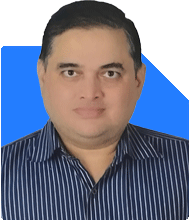
Milind

Milind Vadjikar  | Answer  |Ask -

Insurance, Stocks, MF, PF Expert - Answered on Mar 07, 2025

Milind Vadjikar is an independent MF distributor registered with Association of Mutual Funds in India (AMFI) and a retirement financial planning advisor registered with Pension Fund Regulatory and Development Authority (PFRDA).
He has a mechanical engineering degree from Government Engineering College, Sambhajinagar, and an MBA in international business from the Symbiosis Institute of Business Management, Pune.
With over 16 years of experience in stock investments, and over six year experience in investment guidance and support, he believes that balanced asset allocation and goal-focused disciplined investing is the key to achieving investor goals.... more

Murali Question by Murali on Mar 06, 2025Hindi

Listen
Money

HELLO Greetings I am wondering whether to pay Rs50000 Health insurance premium for an insurance of Rs.500000 or keep Rs.10lakhs FD which i have funds and no other requirement against it. Pl give your valuable advise

Ans: Hello;

It is okay if you are quite sure that the 10 L sum kept aside for medical emergencies, if any, will not be consumed for some other need.

This is what typically happens and then may encounter health criticality without funds for it.

You may shop around online and also check with government general insurance companies.

Hopefully GST council expedites it's decision to eliminate or reduce GST applicable on health insurance.

In my view, it is better to have a health insurance cover and deploy your funds to generate optimal returns.

Ultimately it is your choice/preference.

Best wishes;
DISCLAIMER: The content of this post by the expert is the personal view of the rediffGURU. Users are advised to pursue the information provided by the rediffGURU only as a source of information to be as a point of reference and to rely on their own judgement when making a decision.
Money

You may like to see similar questions and answers below
Sanjib

Sanjib Jha  | Answer  |Ask -

Insurance Expert - Answered on Sep 23, 2022

Listen
Money
I am 73 (DOB 10-07-1949). I had an open heart surgery in Sept., 1999. I am taking blood thinner otherwise ok. My wife is 66 (DOB 13-09-1956). She has no problems. I have a 5L Family Floater health insurance from Oriental Insurance - Bank Saathi Policy at an annual premium of about Rs. 35,000 for self and wife. Since in these days this is not sufficient, I want another policy for 5L or Top Up for 5 / 10 L for self and wife. Please advise an honest suitable minimum cost affordable policy since I have limited capacity to pay because my life time savings in Punjab & Maharashtra co-op Bank Ltd., Mumbai, has been looted by bank Management, Senior Employees, HDIL Construction Co. (Wadwhans), RBI, Politicians and Govt. Another point. Earlier I had policies with National Insurance, New India Insurance and Oriental Insurance from my Bank tie-up but one after the other they broke the tie up with Banks and offered their direct policy raising annual premium from 11,000 to 43,000 (National Insurance) and others also on same lines because they follow dishonest business policy and just want to loot the common man. How anybody can afford such increase after 8 years with Govt. co. insurance Policy? IRDA is also on their side being dishonest. Not only private but Govt. cos. are also dishonest, corrupt and want to kill the common man.
Ans: Hi Mr RN Mitra, sorry to hear about your condition, wish you good health and recovery.

As far as the top up plan is considered, given your age and pre-existing diseases, your risk profile is high and most insurers may not be able to offer Super top up plans.

The best option is to apply for a new base plan with a higher sum insured, however the premium will be on the higher side.

..Read more

Ramalingam

Ramalingam Kalirajan  |10924 Answers  |Ask -

Mutual Funds, Financial Planning Expert - Answered on Apr 23, 2024

Listen
Money
I am 32 years old male, working in a government organisation (institute). Where i get free health check-up, medicines and consultation in our institute dispensary. If anything they cannot cure then dispensary will give referral to other hospitals in the city (expenses borne by our organisation) for health related issues and get treatment at CGHS rates for all health issues. After retirement i will get a CGHS card if we go to other hospitals without referral still I will get reimbursement at CGHS rates. Now please suggest me whether I should buy a health insurance apart from this? I already have a HDFC ergo optima restore for 5 lakh sum assured to cover my family (wife, child and myself) which i did not use so far in 4 years and feel it's waste. Yearly I pay 24k for this hdfc health insurance. Please clarify. It's premium is increasing @10% every year.
Ans: Given your existing health benefits from your government organisation and the HDFC Ergo health insurance you already hold, adding another health insurance might seem redundant at this point. The CGHS benefits you'll receive post-retirement also offer substantial coverage. However, consider these factors:

Cost Analysis: Evaluate the total premium paid for the HDFC Ergo policy against the benefits received. If you find it's not cost-effective, reconsider its value.
Future Needs: As you age, healthcare costs tend to rise. With the HDFC Ergo premium increasing at 10% annually, assess if it remains affordable in the long run.
Coverage Gaps: Identify any specific healthcare needs or treatments not covered by your current policies. If there are significant gaps, you might consider supplemental insurance.
Savings Alternative: Instead of buying another policy, you could divert the premium amount to a separate health savings account or invest it for future medical expenses.
In conclusion, while your current coverage seems comprehensive, review its cost-effectiveness and your future healthcare needs. Balancing affordability with adequate coverage is key to making an informed decision.

..Read more

Ramalingam

Ramalingam Kalirajan  |10924 Answers  |Ask -

Mutual Funds, Financial Planning Expert - Answered on Jul 25, 2024

Listen
Money
I am single and retired with no family or loan commitments. with my enough funds in dividend funds for my routine monthly expenses, I have taken a Health Insurance for Rs.10 lacs with Royal Sundaram and life insurance term plan for Rs.50 lacs and Traditional insurance plan from LIC for Rs. 25 lacs on various named policies out of which except yearly premium of Rs.50,000 all policy payment terms were over. (policies like Jeevan Tarang, Jeevan Amrut etc) To cover this Rs.50000 insurance premium, I am getting survival benefit from Jeevan Tarang policy every year; only the date will differ which I could manage with my credit card payment. Can you please advise me whether the health insurance cover is okay and Life cover is okay; or should I take extra cover. Though I do not require to leave a legacy, I may also surrender the policy, in case of need. please advise
Ans: Financial Overview
Current Status

You are single and retired.

No family or loan commitments.

Insurance Policies

Health insurance: Rs. 10 lakhs with Royal Sundaram.

Life insurance term plan: Rs. 50 lakhs.

Traditional insurance plans from LIC: Rs. 25 lakhs.

Annual insurance premium: Rs. 50,000.

Appreciating Your Efforts
You have a well-structured plan.

Health and life insurance cover your needs.

Insurance Review
Health Insurance

Your health insurance cover is Rs. 10 lakhs.

Consider increasing it to Rs. 20 lakhs.

This ensures better protection against rising medical costs.

Life Insurance

Your life cover is Rs. 50 lakhs.

Since you have no family commitments, this is sufficient.

Traditional Insurance Plans
Jeevan Tarang and Jeevan Amrut

These plans provide survival benefits.

Use these benefits to pay your annual premium.

Surrender Option

Consider surrendering these policies if needed.

The surrender value can be reinvested in mutual funds.

Investment Strategy
Mutual Funds

Actively managed funds can offer higher returns.

Consider SIPs in large-cap and balanced funds.

PPF and NPS

Continue with PPF and NPS investments.

They offer safety and tax benefits.

Disadvantages of Index Funds
Lower Returns

Index funds mimic the market.

They often yield lower returns compared to actively managed funds.

Lack of Flexibility

Index funds have less flexibility.

Actively managed funds adapt to market conditions.

Disadvantages of Direct Funds
Lack of Guidance

Direct funds lack professional advice.

Regular funds provide support through MFDs with CFP credentials.

Higher Risk

Direct funds can be riskier.

Professional guidance helps mitigate risks.

Emergency Fund
Maintain Liquidity

Keep an emergency fund.

Ensure it's equivalent to 6-12 months of expenses.

Liquid Mutual Funds

Consider liquid mutual funds for this purpose.

They offer better returns than savings accounts.

Action Plan
Increase Health Cover

Increase your health insurance to Rs. 20 lakhs.

Review Traditional Policies

Consider surrendering LIC policies.

Reinvest the proceeds in mutual funds.

Continue SIPs

Increase SIP contributions.

Focus on large-cap and balanced funds.

Maintain Emergency Fund

Keep a sufficient emergency fund.

Use liquid mutual funds for better returns.

Final Insights
Your current insurance and investment strategy is commendable.

Consider increasing your health cover for better protection.

Reevaluate traditional policies and focus on mutual funds.

Maintain an emergency fund for financial stability.

Best Regards,

K. Ramalingam, MBA, CFP

Chief Financial Planner

www.holisticinvestment.in

..Read more

Ramalingam

Ramalingam Kalirajan  |10924 Answers  |Ask -

Mutual Funds, Financial Planning Expert - Answered on Aug 08, 2024

Listen
Money
Hi Sir, Hope you finding this message well and healthy. Thankyou so much for the response on my last question. I want your help or recommendations in choosing a health insurance for me and wife and 2 kid. I am looking a for best plan not cheap for at least 15 lac cover. I have shortlisted HDFC ergo optima secure. However I need your expert advice and recommendations.
Ans: Choosing the right health insurance plan for your family is crucial. A good plan ensures that you are financially protected in case of medical emergencies. You have shortlisted HDFC Ergo Optima Secure, which is a great start. Let’s discuss the factors you should consider when choosing the best health insurance plan for your family, covering you, your wife, and your two kids with at least a Rs 15 lakh cover.

Coverage and Benefits
Sum Insured
Adequate Coverage: Ensure the plan offers a minimum cover of Rs 15 lakh. Higher coverage provides better financial protection.
Hospital Network
Cashless Treatment: Look for a plan with a wide network of hospitals offering cashless treatment. This ensures ease during emergencies.
Room Rent Limits
Room Rent Capping: Choose a plan with higher room rent limits or no capping. This prevents out-of-pocket expenses during hospitalization.
Pre and Post-Hospitalization
Extended Coverage: Ensure the plan covers pre and post-hospitalization expenses. This covers expenses incurred before and after hospitalization.
Daycare Procedures
Comprehensive Cover: The plan should cover various daycare procedures. Many treatments don’t require 24-hour hospitalization.
No Claim Bonus (NCB)
Incremental Benefits: Look for plans offering a No Claim Bonus. This increases your sum insured for every claim-free year.
Inclusions and Exclusions
Maternity and Newborn Cover
Family Planning: If you are planning for more children, ensure maternity and newborn cover is included.
Critical Illness Cover
Serious Conditions: Consider a plan that covers critical illnesses. This ensures coverage for life-threatening conditions.
Disease Waiting Period
Waiting Period: Check the waiting period for pre-existing diseases. A shorter waiting period is preferable.
Specific Exclusions
Understand Exclusions: Read the policy document to understand specific exclusions. This helps avoid surprises during claim time.
Additional Benefits
Annual Health Check-Up
Preventive Care: Plans offering annual health check-ups help in early detection of health issues.
Wellness Programs
Healthy Lifestyle: Some plans offer wellness programs and discounts for maintaining a healthy lifestyle.
Ambulance Cover
Emergency Services: Ensure the plan covers ambulance charges. This is crucial during medical emergencies.
Restore Benefits
Reinstatement of Sum Insured: Look for plans that offer restore benefits. This reinstates your sum insured if exhausted within a policy year.
Premiums and Co-Payments
Affordable Premiums
Cost-Effectiveness: Ensure the premium is affordable for the benefits offered. Compare different plans for cost-effectiveness.
Co-Payment Clause
Co-Payment: Be aware of the co-payment clause. Lower co-payment means less out-of-pocket expenses.
Claim Process and Customer Service
Easy Claim Process
Smooth Claims: Choose a plan with a hassle-free claim process. Online claim settlement options are preferable.
Customer Support
Support System: Good customer service is essential. Ensure the insurer has a robust support system for queries and claims.
Claim Settlement Ratio
Reliability: Check the insurer’s claim settlement ratio. A higher ratio indicates reliability and trustworthiness.
Recommendations
Balanced Plan
Comprehensive Coverage: Choose a plan that balances coverage, benefits, and premiums. Ensure it meets your family’s healthcare needs.
Customizable Plans
Tailored Options: Opt for plans that allow customization. Add-ons and riders enhance the basic plan as per your requirements.
Renewability
Lifelong Renewability: Ensure the plan offers lifelong renewability. This is crucial for continuous coverage in old age.
Portability
Switching Plans: Check if the plan allows portability. This helps in switching insurers without losing benefits.
Final Insights
Choosing the right health insurance involves evaluating coverage, benefits, and costs. Ensure the plan meets your family’s healthcare needs and offers adequate financial protection. Regularly review your policy and update it as per changing requirements.

Best Regards,

K. Ramalingam, MBA, CFP,

Chief Financial Planner,

www.holisticinvestment.in

..Read more

Latest Questions
Ramalingam

Ramalingam Kalirajan  |10924 Answers  |Ask -

Mutual Funds, Financial Planning Expert - Answered on Dec 23, 2025

Money
Hi Sir, I started a SIP of 3k from 3months investing in Nipon India Small Cap fund. I started investing via \xis bank mobile app. Please suggest me if thats the safe way to do through bank app. And I am willing to start another SIP of 3k per month. Planning to do it on groww app. Please suggest some good SIP plans and guide me on how good and safe to start via groww app.
Ans: I appreciate your early step into disciplined investing.
Starting SIPs shows long-term thinking.
Beginning small builds confidence and learning.
Your willingness to ask questions is healthy.

» Your Current SIP Action Review
– You started SIP of Rs 3,000 monthly.
– SIP duration is three months.
– Investment is through a bank mobile app.

This shows good initiative.
Early habits shape future wealth.

» Understanding Your Chosen Fund Category
– The fund belongs to small-sized companies category.
– Such funds are high risk.
– Such funds give high volatility.

Returns can be uneven yearly.
Patience is very important here.

» Suitability Of Small Company Funds
– Small companies grow faster sometimes.
– They also fall harder during corrections.
– Not suitable as first-only investment.

Exposure should be limited initially.
Balance is essential.

» Starting Early
– You started without waiting for perfection.
– Many delay investing unnecessarily.
– Action matters more than perfection.

This mindset helps long-term success.

» Risk Awareness Is Necessary
– Small company funds fluctuate sharply.
– Short-term losses are common.
– Emotional control is required.

Three months is too short to judge.
Time horizon should be long.

» Minimum Suggested Time Horizon
– Such funds need at least seven years.
– Shorter periods cause disappointment.
– SIP helps reduce timing risk.

Consistency matters more than returns initially.

» Bank App As Investment Platform
– Bank apps are generally safe.
– Transactions are regulated.
– Holdings are stored with registrars.

Platform safety is not the main risk.
Investment choice matters more.

» Limitations Of Bank Apps
– Limited guidance provided.
– Product pushing is common.
– Advice is not personalised.

Banks focus on convenience.
Planning depth is usually missing.

» Bank Staff Support Limitations
– Staff change frequently.
– Knowledge levels vary.
– Long-term accountability is absent.

This affects continuity of advice.

» Safety Of Investments Versus Platform
– Funds are held in your PAN.
– Platform failure does not erase investments.
– Units remain safe with fund house.

So platform safety fear is minimal.
Decision quality matters more.

» Planning Another SIP Thought
– You want another Rs 3,000 SIP.
– Total SIP becomes Rs 6,000 monthly.

This is positive growth behaviour.
But structure needs correction.

» Platform Comparison Perspective
– You plan using another app.
– Such apps promote self investing.
– Guidance quality is limited.

Ease should not replace planning.

» Direct Platform Reality Check
– Such apps promote direct plans.
– Expense difference looks attractive.
– But hidden costs exist.

Cost is not only expense ratio.
Mistakes cost more.

» Disadvantages Of Direct Plans
– No personalised advice.
– No behaviour guidance during falls.
– No portfolio review support.

Investors act emotionally without guidance.
This hurts returns badly.

» Decision Errors In Direct Investing
– Panic selling during market falls.
– Overconfidence during rallies.
– Frequent fund switching.

These mistakes destroy compounding.
They are very common.

» Lack Of Accountability In Apps
– Apps do not call you.
– Apps do not stop wrong actions.
– Responsibility lies fully on investor.

This is risky for beginners.

» Why Regular Plans Add Value
– Guidance helps discipline.
– Asset allocation stays balanced.
– Behavioural mistakes reduce.

Value is beyond commission.
Support matters during volatility.

» Role Of MFD With CFP Credential
– Certified Financial Planner gives structure.
– Advice aligns with goals.
– Long-term handholding exists.

This improves investment experience.
Returns become smoother.

» Cost Versus Value Perspective
– Direct plans save small percentage.
– Wrong decisions lose big percentages.

Net outcome matters more.
Peace of mind matters too.

» Your Current Portfolio Concentration Risk
– Only one equity category exposure exists.
– Risk is concentrated.
– Diversification is missing.

This increases volatility risk.
Balance is needed urgently.

» Importance Of Diversification
– Different funds behave differently.
– Market cycles impact unevenly.
– Balance reduces shock.

Diversification improves consistency.

» Ideal SIP Structure For Beginners
– One aggressive component.
– One stable growth component.
– One flexible allocation component.

This spreads risk evenly.
Comfort increases automatically.

» Why Avoid Multiple Apps
– Tracking becomes confusing.
– Discipline weakens.
– Reviews become difficult.

One guided platform is better.
Simplicity improves adherence.

» Data Security Perspective
– Apps are regulated.
– Data security standards exist.
– Risk is minimal.

But advice quality remains missing.

» Behaviour During Market Corrections
– Small company funds fall sharply.
– Beginners panic easily.
– SIP stoppage becomes tempting.

Guidance prevents wrong reactions.

» Emotional Support Value
– Markets test patience.
– Fear appears suddenly.
– Someone must guide.

Apps cannot replace humans here.

» Why Starting With Only Small Companies Is Risky
– Volatility is high.
– Returns are uneven.
– Confidence may break early.

Balanced start builds trust.

» Gradual Exposure Approach
– Start with core stability.
– Add aggression slowly.
– Increase risk with experience.

This improves journey comfort.

» SIP Amount Increase Strategy
– Rs 6,000 is fine initially.
– Increase annually with income growth.
– Discipline matters more than amount.

Time creates wealth here.

» Tax Awareness Brief
– Equity funds tax applies on selling.
– Long-term gains have limits.
– Short-term gains are taxed higher.

Holding longer improves efficiency.

» Avoid Frequent Changes
– Switching funds harms compounding.
– Costs increase silently.
– Discipline reduces regret.

Stick to strategy firmly.

» Monitoring Frequency
– Review once a year.
– Avoid monthly checking.
– Noise causes confusion.

Long-term vision matters.

» Avoid Social Media Influence
– Tips are often misleading.
– Past returns are highlighted.
– Risk is hidden.

Structured advice avoids traps.

» Role Of Goal Mapping
– Define why you invest.
– Time horizon matters.
– Risk choice depends on goals.

Without goals, investing feels stressful.

» Emergency Fund Reminder
– Keep emergency money separate.
– Do not mix with SIPs.
– Liquidity is essential.

This prevents SIP stoppage.

» Insurance And Protection Check
– Health cover should be adequate.
– Life cover matters if dependents exist.

Protection supports investment continuity.

» Long-Term Wealth Mindset
– Wealth grows slowly.
– Patience beats intelligence.
– Process beats prediction.

Consistency wins always.

» Common Beginner Mistakes To Avoid
– Chasing last year returns.
– Using too many apps.
– Ignoring allocation balance.

Awareness saves money.

» How A CFP Helps In SIP Planning
– Designs suitable allocation.
– Reviews yearly changes.
– Guides during volatility.

This partnership adds value.

» Confidence Building Perspective
– You already started investing.
– You are learning actively.
– Improvement is natural.

This journey will get smoother.

» Platform Safety Final View
– Bank app is safe.
– App based platforms are safe.
– Investment safety lies with fund house.

Decision quality matters more.

» Final Insights
– Starting SIP is a good step.
– Small company exposure is risky alone.
– Diversification is necessary now.
– Avoid self-direct platforms initially.
– Regular plans with CFP guidance add value.
– Consistency and discipline build wealth.

You are on the right path.
Correct structure will improve outcomes.

Best Regards,

K. Ramalingam, MBA, CFP,

Chief Financial Planner,

www.holisticinvestment.in

https://www.youtube.com/@HolisticInvestment

...Read more

DISCLAIMER: The content of this post by the expert is the personal view of the rediffGURU. Investment in securities market are subject to market risks. Read all the related document carefully before investing. The securities quoted are for illustration only and are not recommendatory. Users are advised to pursue the information provided by the rediffGURU only as a source of information and as a point of reference and to rely on their own judgement when making a decision. RediffGURUS is an intermediary as per India's Information Technology Act.

Close  

You haven't logged in yet. To ask a question, Please Log in below
Login

A verification OTP will be sent to this
Mobile Number / Email

Enter OTP
A 6 digit code has been sent to

Resend OTP in120seconds

Dear User, You have not registered yet. Please register by filling the fields below to get expert answers from our Gurus
Sign up

By signing up, you agree to our
Terms & Conditions and Privacy Policy

Already have an account?

Enter OTP
A 6 digit code has been sent to Mobile

Resend OTP in120seconds

x