Home > Money > Question
Need Expert Advice?Our Gurus Can Help

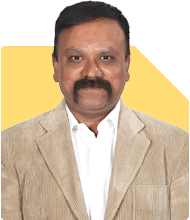
Ramalingam

Ramalingam Kalirajan  |10842 Answers  |Ask -

Mutual Funds, Financial Planning Expert - Answered on Oct 24, 2024

Ramalingam Kalirajan has over 23 years of experience in mutual funds and financial planning.
He has an MBA in finance from the University of Madras and is a certified financial planner.
He is the director and chief financial planner at Holistic Investment, a Chennai-based firm that offers financial planning and wealth management advice.... more
Asked by Anonymous - Oct 16, 2024Hindi

Money

I am 47 years old and since 1 year I am investing 18k in sip and since 3 years in nos around 15k.do I need to increase by investment. I have home loan of 45 lacs and roughly I get 1.70 salary every month i want to have corpus of 25 lacs by 2028 March for my child education can I achieve it. Considering I am having pf of 16k from my salary and 14k from employer every month. 1k in ppt and 2.5 lacs in stocks. Can I get this amount by 2028

Ans: You are currently 47 years old, and your primary focus is to accumulate Rs 25 lakhs by March 2028 for your child's education. You are already investing Rs 18,000 in SIPs, Rs 15,000 in NPS, and contributing to provident funds (PF) with both employee and employer contributions. Additionally, you hold Rs 2.5 lakhs in stocks and have a home loan of Rs 45 lakhs. Your monthly salary is Rs 1.7 lakhs.

Let’s break this down and see if you can achieve your goal by 2028.

Your Existing Investments
SIP Investment: Rs 18,000 per month.

NPS Contribution: Rs 15,000 per month, combining your own and your employer’s contribution.

Provident Fund: Rs 16,000 from your salary and Rs 14,000 from your employer every month.

Stocks: You currently have Rs 2.5 lakhs in stocks.

Other Investments: Rs 1,000 in PPF, which could also grow by 2028 but will be more conservative.

You have a structured approach with SIP, NPS, PF, and stocks, which is a positive step. You are also contributing regularly, which will help in the long run.

Analysing the Corpus Goal of Rs 25 Lakhs by 2028
Your goal of Rs 25 lakhs by March 2028 for your child’s education is realistic but will require a strategic approach.

Time Horizon: You have approximately four years to reach this goal.

Current Investments: Your ongoing SIP and NPS contributions are long-term wealth-building tools. However, we need to determine whether these investments, combined with existing resources, will be sufficient to meet your Rs 25 lakh target in four years.

Let’s evaluate your investment options and consider some strategies to improve your chances of meeting this target.

Increasing Your SIPs
Current SIP Contribution: Rs 18,000 per month is a good start. However, considering your timeline and the corpus needed, you might need to increase this amount slightly.

Recommended SIP Increase: An increase in your SIPs could help accelerate your corpus growth. A small step-up in SIPs, say by Rs 5,000 per month, can make a significant difference over four years.

Step-Up Strategy: You could also consider increasing your SIPs annually by 10-15%, if possible. This approach, known as a step-up SIP, allows you to increase your contributions as your income grows. Given your monthly salary of Rs 1.7 lakhs, this increase should be manageable.

Potential Returns from SIPs
You are currently investing in SIPs. Actively managed mutual funds have the potential to provide an annual return of 10-14% over the long term. Since your horizon is four years, expect some market volatility, but over time, you should see growth.

SIP contributions with regular increases will likely help you build a solid corpus. However, be mindful that market-linked instruments carry risk, and you need to keep track of the portfolio’s performance.

Importance of Actively Managed Funds
Let’s discuss the benefits of actively managed funds over passive options like index funds:

Targeted Growth: Actively managed funds allow the fund manager to pick high-growth potential stocks. This is especially important when trying to meet a specific financial goal in a shorter time frame.

Performance Management: Actively managed funds have the flexibility to adapt to market conditions, reducing the risk of underperformance. They are more dynamic than index funds, which simply follow the market.

Higher Returns Potential: Historically, actively managed funds in certain categories like small-cap or mid-cap funds have outperformed index funds, giving investors the edge needed to grow their wealth.

Index funds, while lower cost, may not provide the same potential for higher returns as actively managed funds.

Disadvantages of Direct Funds
You should avoid direct mutual funds, even though they have lower expense ratios. Here’s why:

Lack of Guidance: Direct funds don’t come with the expert advice and ongoing support that investing through a Certified Financial Planner (CFP) offers. A CFP helps you navigate market fluctuations and adjusts your portfolio according to your goals and risk tolerance.

Risk Management: Without expert oversight, managing risk becomes challenging. An MFD with a CFP credential can actively guide you through rebalancing your portfolio or making strategic shifts.

While direct funds seem like an attractive low-cost option, they might not provide the value and expert guidance you need to meet your goals.

Evaluating Your NPS Contribution
Your monthly NPS contribution of Rs 15,000 is a good tool for long-term retirement planning. However, it may not significantly help you towards your short-term goal of Rs 25 lakhs by 2028, since NPS is a locked-in investment until retirement.

Still, NPS contributions are valuable for building your overall retirement corpus and ensuring you have sufficient funds post-retirement.

Utilising Provident Fund Contributions
Your monthly PF contributions are Rs 30,000 (Rs 16,000 from your salary and Rs 14,000 from your employer). While this will help you in the long term, you cannot access this fund for your immediate goal.

However, it provides financial security in the form of retirement savings, which is crucial for the future.

Stocks as Part of the Portfolio
You currently hold Rs 2.5 lakhs in stocks. While equity markets offer high growth potential, they also come with higher risks. You should continue to monitor your stock portfolio closely.

Diversification: If your stocks are concentrated in one or two sectors, you might want to diversify to reduce risk. You can move part of this portfolio into less volatile instruments as you approach your goal deadline.

Growth Potential: If these stocks perform well, they can contribute significantly to your education corpus. But, you must stay prepared for fluctuations.

Managing Your Home Loan
You have a home loan of Rs 45 lakhs. Home loans come with tax benefits, but they also create a cash outflow in the form of EMIs. Considering your goal, you should not aggressively try to prepay the loan right now. Instead, focus on building your Rs 25 lakhs corpus.

Keep servicing the loan as per schedule. You can revisit prepayment options once your child’s education goal is secured.

Other Investments
PPF Contribution: You are investing Rs 1,000 per month in PPF. While PPF is a safe investment with guaranteed returns, it has a long lock-in period. Given your short-term goal, PPF won’t significantly contribute to your Rs 25 lakh target.
However, it can be a part of your long-term financial planning for retirement or other future goals.

Taxation on Mutual Funds and Stocks
Keep in mind the tax implications of your investments:

LTCG on Mutual Funds: For equity mutual funds, long-term capital gains (LTCG) over Rs 1.25 lakh are taxed at 12.5%.

STCG on Mutual Funds: Short-term capital gains (STCG) are taxed at 20%.

Stock Investments: Gains from stocks also follow similar tax rules.

You should plan your withdrawals carefully to minimize tax liability when you liquidate these assets in 2028 for your child’s education.

Recommendations for Achieving Your Goal
To achieve your Rs 25 lakh corpus by 2028:

Increase SIPs: Raise your monthly SIP contributions by Rs 5,000, making it Rs 23,000 per month. This increase will boost your investment corpus over four years.

Step-Up Approach: Consider increasing your SIPs by 10-15% annually to keep up with inflation and increase your corpus.

Review Stocks: Continue to monitor your stock investments. Reallocate a portion to safer investments as you get closer to your goal.

Stay Focused on Short-Term Goal: While your PF and NPS contributions are crucial for long-term planning, your SIPs and stock investments will drive your short-term goal. Focus on these for now.

Finally
Your goal of Rs 25 lakhs by 2028 is achievable with some adjustments. Increase your SIP contributions and monitor your stock investments closely. By staying disciplined and following this approach, you can meet your child’s education needs while maintaining a strong foundation for future financial security.

Best Regards,

K. Ramalingam, MBA, CFP,

Chief Financial Planner,

www.holisticinvestment.in

https://www.youtube.com/@HolisticInvestment
DISCLAIMER: The content of this post by the expert is the personal view of the rediffGURU. Users are advised to pursue the information provided by the rediffGURU only as a source of information to be as a point of reference and to rely on their own judgement when making a decision.
Money

You may like to see similar questions and answers below

Ramalingam

Ramalingam Kalirajan  |10842 Answers  |Ask -

Mutual Funds, Financial Planning Expert - Answered on May 15, 2024

Asked by Anonymous - May 15, 2024Hindi
Listen
Money
Hi Sir, I am 46 years old and yeI have created 30 lakh corpus. Currently my take home salary is 1.4 lakh per month. I am investing 12500 per month in ppf . 5000 in Nps tier 1 and 1000 in nps tier 2 account. 20 K SIP in Mf. Like SBI balance fund 5000,Tata digital 5000, Nippon larg cap 2000, Motilal Oswal midcap 2000,Quant small cap 5000 and recently added Quant psu 1000. And some amount in invested lic yearly. also have 65 lakh medical cover for my family's. I have plan my retirement at the age of 55 . Can i Growup my corpus 1.5 CR at the time of retirement and get atleast 1lakh monthly for expenses. My another question is I investigated 8.5 lakh in direct stock(20) since 2021 for 10 years and get arround 20% return from last 3 years. Should I continue this or exist from the direct stock and invested this amount in MF. Please guide. My wife is already working in private school and his salary is 20k pm. Please guide
Ans: It's great to see your proactive approach towards financial planning and investment. Let's delve into your retirement and investment goals to ensure you're on track to achieve financial security and growth.

Retirement Planning Analysis
Planning to retire at 55 with a target corpus of 1.5 crores and a monthly expense requirement of 1 lakh is an ambitious yet achievable goal. Let's assess your current investments and savings to determine if they align with your retirement objectives.

Current Investment Portfolio Evaluation
Your investment portfolio exhibits a diversified mix of instruments, including PPF, NPS, mutual funds, LIC, and direct stock holdings. This diversified approach spreads risk and maximizes growth potential, aligning with your long-term financial goals.

Growth Projection and Retirement Corpus Target
To achieve a retirement corpus of 1.5 crores by 55, we'll need to assess your current savings rate, investment returns, and inflation impact. Utilizing retirement calculators and financial modeling can help determine the required monthly contributions and investment growth rate to meet your target.

Investment Strategy Review
Given your successful track record with direct stock investments and the robust performance with a 20% return over the past three years, continuing this strategy can be beneficial. However, it's essential to periodically review and rebalance your portfolio to optimize returns and mitigate risk.

Asset Allocation and Risk Management
Maintaining a balanced asset allocation across equity, debt, and other asset classes is key to managing risk and achieving long-term growth. Regularly monitoring market conditions and adjusting your portfolio accordingly can help capitalize on opportunities and minimize downside risk.

Importance of Contingency Planning
While focusing on retirement planning, it's crucial to prioritize contingency planning, including emergency funds, health insurance coverage, and estate planning. Adequate medical coverage for your family and an emergency fund provide financial security during unexpected events.

Consultation with a Certified Financial Planner
Engaging with a Certified Financial Planner can provide personalized guidance and strategies tailored to your financial goals and risk tolerance. They can help optimize your investment portfolio, assess retirement readiness, and navigate any financial challenges along the way.

Conclusion
With careful planning, disciplined savings, and strategic investment decisions, achieving your retirement goal of a 1.5 crore corpus by 55 is attainable. Continuing your direct stock investments alongside mutual funds can diversify your portfolio and enhance long-term growth potential. Consulting with a Certified Financial Planner will provide valuable insights and ensure you stay on track towards financial independence.

Best Regards,

K. Ramalingam, MBA, CFP,
Chief Financial Planner,
www.holisticinvestment.in

..Read more

Ramalingam

Ramalingam Kalirajan  |10842 Answers  |Ask -

Mutual Funds, Financial Planning Expert - Answered on Jul 15, 2024

Asked by Anonymous - Jul 08, 2024Hindi
Money
Hi Sir, I'm 43+, Monthly take home is around 3.20 Lacs, Currently i have invested in Shares (Current Portfolio is around 1.75 Crs). EMI is around 1.1 lacs P/m (Home loan 1 - 50K per month till 2037, 30K car loan till 2027 (Planning to close this year by paying 12 lacs, please suggest if this option of preclosure is good or EMI is good), 30k per month of home 2 till 2040., Recently i have started investing in SIP 1 lacs P/M, and balance 1.20 lacs goes in house, kids education expense. Have EPF balance of 40 lacs as on date. As mentioned above recently i have started investing in SIP (From Oct 2023 onwards), which is at the tune of 1 lacs per month. SIP are Franklin India Prima Fund regular Plan - Growth - 25K, ICICI Prudential Small cap fund retail plan G - 25K, Kotak Multicap fund regular plan growth - 15K, DSP Blackrock mid cap fund regular plan growth - 10 K, and Parag Parikh Flexi Cap fund - Regular plan growth - 25 K. Will increase the SIP investment by 10% every year going forward. Sir, My question is with current SIP investment will i be able to generate 8~10 Cr corpus fund by retirement (Assuming that i will be in Job and working for next 15 years). Current Share portfolio is for long term investment only (assuming i get 12~15% of return every year). Please note : will be spending around 80 lacs for my Son education in engineering from 2027 to 2031, 50% will be spend from savings and balance 50% from education loan.
Ans: It is commendable that you have a structured approach to your finances and investments. Let us delve into an in-depth analysis of your current financial situation and provide a detailed assessment of your future financial objectives, especially focusing on building a corpus of Rs 8-10 crores by retirement.

Current Financial Overview
Income and Expenses
Your current monthly take-home income is around Rs 3.20 lakhs. This is a healthy income, providing you with a good foundation to build your investments. With an EMI burden of Rs 1.1 lakhs per month, you have a significant portion of your income allocated towards debt repayment. It is essential to manage this debt efficiently to maximize your savings and investments.

Investment Portfolio
Your current investment portfolio is diversified across shares, SIPs, and EPF. Here is a quick breakdown:

Shares: Your long-term share portfolio is valued at Rs 1.75 crores.

SIPs: You have recently started SIPs of Rs 1 lakh per month across various funds. This is a positive step towards systematic investment.

EPF: Your EPF balance is Rs 40 lakhs as of now.

EMI Obligations
You have three major EMIs:

Home loan 1: Rs 50,000 per month till 2037
Car loan: Rs 30,000 per month till 2027 (with a plan to prepay Rs 12 lakhs)
Home loan 2: Rs 30,000 per month till 2040
Other Expenses
You have also accounted for household and educational expenses, which is Rs 1.20 lakhs per month. This ensures your family’s needs are met while you invest for the future.

Investment Strategy
SIP Investments
Your SIP investments are well diversified across different types of funds. This diversification helps in managing risks and achieving steady growth. Increasing SIP investments by 10% annually is a prudent strategy, ensuring that your investments grow with your income.

Long-term Share Investments
Assuming a 12-15% return per annum from your share investments, you are on a good path. Shares, being long-term investments, have the potential to provide significant returns, especially if chosen wisely.

EPF
Your EPF provides a secure and stable return, acting as a safety net for your retirement corpus. It is crucial to continue contributing to this fund as it offers tax benefits and compounded growth.

Debt Management
Prepaying Car Loan
Prepaying the car loan of Rs 12 lakhs can be a good decision. It will reduce your EMI burden by Rs 30,000 per month. With the car loan closed, you can redirect this amount towards your investments, accelerating your wealth creation.

Home Loans
Your home loans have a longer tenure, and given their current interest rates, it is advisable to continue with the EMIs. Home loans also provide tax benefits which should be considered.

Future Financial Goals
Retirement Corpus
To achieve a corpus of Rs 8-10 crores by the time you retire, it is crucial to stay disciplined with your investments. Assuming you continue working for the next 15 years, here are some key points to consider:

SIP Growth: Increasing your SIPs by 10% annually will significantly boost your corpus. Starting with Rs 1 lakh per month, your SIPs will grow to Rs 4.18 lakhs per month by the 15th year, assuming a 10% annual increment.

Compounded Growth: With an assumed annual return of 12%, your SIPs alone could potentially grow to Rs 5-6 crores in 15 years. Combined with your share portfolio and EPF, achieving an Rs 8-10 crores corpus is feasible.

Regular Review: Periodically review and rebalance your portfolio. This ensures that your investments are aligned with your goals and market conditions.

Child’s Education
You have planned Rs 80 lakhs for your son’s education, with 50% from savings and 50% from an education loan. This is a balanced approach, ensuring that you do not deplete your savings entirely. Education loans also come with tax benefits on the interest paid.

Risk Management and Insurance
Adequate Insurance
Ensure you have adequate life and health insurance. This protects your family and finances in case of unforeseen events. Evaluate your existing policies and consider additional coverage if necessary.

Emergency Fund
Maintain an emergency fund to cover at least 6-12 months of your expenses. This provides a buffer against unexpected financial shocks.

Tax Planning
Optimize Deductions
Maximize your tax-saving investments under sections 80C, 80D, and other relevant sections. This reduces your tax liability and increases your investable surplus.

Long-term Capital Gains
Plan your withdrawals and investments to optimize long-term capital gains. This involves holding investments for the required duration to benefit from lower tax rates.

Final Insights
Your current financial strategy is robust and well-planned. With disciplined investment and regular reviews, you are on track to achieve your retirement corpus of Rs 8-10 crores. Here are some final suggestions to ensure continued success:

Stay Informed: Keep yourself updated with financial markets and investment opportunities.

Seek Professional Advice: Periodically consult with a Certified Financial Planner to review your strategy and make necessary adjustments.

Focus on Goals: Stay focused on your long-term goals, avoiding impulsive financial decisions.

Your dedication and planning are commendable. With continued discipline and smart financial management, you are well on your way to a secure and prosperous retirement.

Best Regards,

K. Ramalingam, MBA, CFP,

Chief Financial Planner,

www.holisticinvestment.in

..Read more

Ramalingam

Ramalingam Kalirajan  |10842 Answers  |Ask -

Mutual Funds, Financial Planning Expert - Answered on Jul 25, 2024

Asked by Anonymous - Jul 17, 2024Hindi
Listen
Money
Hi Mam, I'm 43+, Monthly take home is around 3.20 Lacs, Currently i have invested in Shares (Current Portfolio is around 1.75 Crs). EMI is around 1.1 lacs P/m (Home loan 1 - 50K per month till 2037, 30K car loan till 2027 (Planning to close this year by paying 13 lacs, please suggest if this option of preclosure is good or EMI is good, will be paying this amount by selling some shares), 30k per month of home 2 till 2040., Recently i have started investing in SIP 1 lacs P/M, and balance 1.20 lacs goes in house, kids education expense. Have EPF balance of 40 lacs as on date. As mentioned above recently i have started investing in SIP (From Oct 2023 onwards), which is at the tune of 1 lacs per month. SIP are Franklin India Prima Fund regular Plan - Growth - 25K, ICICI Prudential Small cap fund retail plan G - 25K, Kotak Multicap fund regular plan growth - 15K, DSP Blackrock mid cap fund regular plan growth - 10 K, and Parag Parikh Flexi Cap fund - Regular plan growth - 25 K. Will increase the SIP investment by 10% every year going forward. Sir, My question is with current SIP investment will i be able to generate 10~12 Cr corpus fund by retirement (Assuming that i will be in Job and working for next 15 years). Current Share portfolio is for long term investment only (assuming i get 12~15% of return every year). Please note : will be spending around 1~1.5 cr for my Son education in engineering from 2027 to 2031, 50% will be spend from savings and balance 50% from education loan.
Ans: Financial Snapshot
Age: 43+
Monthly Take Home Salary: Rs 3.20 lakhs
Current Investment in Shares: Rs 1.75 crores
EMI Payments: Rs 1.1 lakhs per month
Home Loan 1: Rs 50,000 till 2037
Car Loan: Rs 30,000 till 2027 (planning to close this year)
Home Loan 2: Rs 30,000 till 2040
Monthly SIP Investment: Rs 1 lakh (started Oct 2023)
Monthly Household and Education Expenses: Rs 1.20 lakhs
EPF Balance: Rs 40 lakhs
Expected Expenses for Son's Education: Rs 1-1.5 crores (2027-2031)
Assessing Current Investments
Share Portfolio:

Value: Rs 1.75 crores
Assumed Annual Return: 12-15%
Long-term growth potential is strong. Continue holding for compounding benefits.
SIP Investments:

Started in Oct 2023
Current SIP of Rs 1 lakh per month in a diversified mix of funds
Analyzing Loan Preclosure Option
Car Loan Preclosure:

Current EMI: Rs 30,000 per month till 2027
Preclosure Amount: Rs 13 lakhs (consider selling some shares)
Pros of Preclosure:

Reduces monthly EMI burden
Saves interest costs
Cons of Preclosure:

Selling shares might impact portfolio growth
Evaluate if share sale aligns with long-term goals
Recommendation:

If interest rate on car loan is high, preclosure can be beneficial.
Ensure share sale does not significantly affect long-term portfolio growth.
Evaluating SIP Investments
Current SIP Allocation:

Franklin India Prima Fund: Rs 25,000
ICICI Prudential Small Cap Fund: Rs 25,000
Kotak Multicap Fund: Rs 15,000
DSP Blackrock Mid Cap Fund: Rs 10,000
Parag Parikh Flexi Cap Fund: Rs 25,000
Plan to Increase SIP by 10% Annually:

This is a good strategy. It helps to combat inflation and increase your corpus over time.
Active vs. Index Funds:

Advantages of Actively Managed Funds:
Potential to outperform market
Professional management
Disadvantages of Index Funds:
Passive tracking of the market
No chance to outperform during market rallies
Projected Retirement Corpus
Assumptions:

Monthly SIP: Rs 1 lakh (increasing by 10% annually)
Investment Horizon: 15 years
Average Annual Return: 12-15%
Projection:

Estimated Corpus at Retirement:
With a 12% annual return: Approximately Rs 10-12 crores
With a 15% annual return: Potentially higher than Rs 12 crores
Financial Planning for Son's Education
Expected Expenses:

Rs 1-1.5 crores over 4 years (2027-2031)
Plan to use 50% savings and 50% education loan
Recommendation:

Start a dedicated education fund
Consider balanced or hybrid funds for stability and growth
Ensure this fund aligns with the investment horizon and risk tolerance
Final Insights
Your current investment strategy is strong.
Increasing SIP contributions annually is a prudent move.
Evaluate the car loan preclosure option based on interest rates and long-term goals.
Maintain a diversified portfolio to balance risk and growth.
Regularly review your investments with a Certified Financial Planner to stay on track.
By following these steps, you should be well-positioned to achieve a corpus of Rs 10-12 crores by retirement. Additionally, planning for your son's education expenses with a dedicated fund will ensure financial stability.

Best Regards,

K. Ramalingam, MBA, CFP,

Chief Financial Planner,

www.holisticinvestment.in

..Read more

Ramalingam

Ramalingam Kalirajan  |10842 Answers  |Ask -

Mutual Funds, Financial Planning Expert - Answered on Oct 01, 2024

Asked by Anonymous - Sep 30, 2024Hindi
Money
Hi Mam, I'm 43+, Monthly take home is around 3.40 Lacs, Currently i have invested in Shares (Current Portfolio is around 1.50 Crs). EMI is around 1.2 lacs P/m (Home loan 1 - 50K per month till 2037, 30K car loan till 2027 (Planning to close this year by paying 13 lacs, please suggest if this option of preclosure is good or EMI is good, will be paying this amount by selling some shares), 30k per month of home 2 till 2040., Last year i have started investing in SIP 1 lacs P/M, and balance 1.20 lacs goes in house, kids education expense. Have EPF balance of 40 lacs as on date. As mentioned above recently i have started investing in SIP (From Oct 2023 onwards), which is at the tune of 1 lacs per month. SIP are Franklin India Prima Fund regular Plan - Growth - 25K, ICICI Prudential Small cap fund retail plan G - 25K, Kotak Multicap fund regular plan growth - 15K, DSP Blackrock mid cap fund regular plan growth - 10 K, and Parag Parikh Flexi Cap fund - Regular plan growth - 25 K. Will increase the SIP investment by 10% every year going forward. Sir, My question is with current SIP and shares investment will i be able to generate 10~12 Cr corpus fund by retirement (Assuming that i will be in Job and working for next 15 years). Current Share portfolio is for long term investment only (assuming i get 12~15% of return every year). Please note : will be spending around 60~70 cr for my Son education in engineering from 2027 to 2031, 50% will be spend from savings and balance 50% from education loan. Current value of house 1 - 1.35 Cr (EMI is 50K), House 2 Current Value is 82 Lacs (EMI is 30K).
Ans: You have a healthy financial profile, with significant investments in shares (Rs 1.50 crore) and a diversified portfolio of SIPs. Your monthly income of Rs 3.40 lakhs and ongoing EMI payments indicate a steady cash flow, but your future expenses, especially for your son’s education, require careful planning.

Here are key aspects to focus on:

Shares Investment: Rs 1.50 crore portfolio with long-term goals. If you can achieve a 12-15% return, this will grow significantly over the next 15 years.

SIPs: You have diversified well across mid-cap, small-cap, multicap, and flexi-cap funds. Increasing your SIP by 10% annually is a wise move to achieve compounding returns.

Debt: Your EMI obligations are Rs 1.2 lakh monthly, spread across three loans.

Home Loan and Car Loan Preclosure
You are considering preclosing your car loan by selling Rs 13 lakhs worth of shares. Here’s an evaluation of whether preclosure is the right decision:

Preclosure of Car Loan: Your car loan EMI is Rs 30,000 per month and will last till 2027. Prepaying Rs 13 lakhs now will save you interest, but given that car loans typically have a lower interest rate, you should assess if the shares you sell are likely to deliver a return greater than the interest saved. If you anticipate higher returns from your equity portfolio, continuing the loan might be beneficial.

Home Loans: Both home loans are long-term commitments (till 2037 and 2040). As real estate is appreciating, holding onto these loans may be financially sound, especially considering home loan tax benefits. But if you have surplus funds in the future, prioritizing the repayment of home loan 2 (lower value) could reduce your debt burden early.

SIP and Mutual Fund Investments
You’ve started a Rs 1 lakh SIP across different mutual funds. Here are some insights:

Current SIP Allocation: Your allocation is diversified, covering small, mid, and multicap funds, providing balanced exposure to market fluctuations. A yearly 10% increase in SIP will significantly boost your corpus.

Actively Managed Funds: Active funds, like the ones you’ve chosen, tend to outperform passive funds in Indian markets. You’ve avoided index funds, which can often underperform during volatile market conditions. Actively managed funds give you the advantage of fund manager expertise, especially in emerging markets.

Review Regularly: While your SIPs are a strong strategy, it’s essential to review their performance yearly. Ensure that underperforming funds are replaced with those providing consistent returns.

Targeting a Corpus of Rs 10-12 Crore by Retirement
With 15 years to retirement, your goal of accumulating Rs 10-12 crore is achievable with disciplined investing. Let’s evaluate the path forward:

Shares: Assuming a 12-15% annual return on your Rs 1.50 crore share portfolio, your wealth could grow significantly. Over 15 years, with a 12-15% return, this alone could amount to Rs 7-10 crore.

SIPs: A monthly SIP of Rs 1 lakh, growing by 10% annually, can generate a substantial corpus. Given the power of compounding and potential returns of 10-12%, your SIP investments could contribute Rs 4-6 crore by the time you retire.

Combining your SIP growth with your equity investments, you should comfortably reach your target of Rs 10-12 crore, provided markets perform as expected.

Planning for Son's Education Expenses
You’ve planned for your son’s engineering education, which is expected to cost Rs 60-70 lakhs. Here’s a breakdown of how to manage these expenses:

Savings and Loans: You plan to fund 50% of this amount from your savings and the rest from an education loan. Education loans can be a good option, as they provide tax benefits and can be repaid over time without straining your immediate cash flow.

Asset Allocation: As 2027 approaches, start setting aside a portion of your portfolio into less volatile assets (like debt mutual funds) to ensure that you have liquidity for these expenses without being forced to sell your shares at a loss.

EPF and Future Contributions
Your Rs 40 lakh EPF balance is a solid foundation for retirement. Continuing your EPF contributions for the next 15 years will ensure that you have a significant corpus by retirement, offering additional security. EPF provides a safe, tax-free, and stable return, complementing your more aggressive equity and mutual fund investments.

Liquidity and Emergency Fund
You are currently managing your expenses well, but liquidity is essential, especially as future expenses for your son’s education loom. It’s advisable to have an emergency fund that covers at least 6-12 months of expenses. This should be kept in a liquid fund or a high-interest savings account to ensure easy access.

Tax Planning
Given your high income, efficient tax planning will be essential to ensure that your wealth grows optimally:

Capital Gains Tax: Be mindful of the new capital gains tax rules when selling your shares or redeeming mutual funds. Plan your redemptions to optimize your tax outgo. The new taxation rates of 12.5% for LTCG and 20% for STCG will impact your returns.

Tax-Saving Investments: Ensure that you are making the most of tax-saving opportunities, such as the Rs 1.5 lakh deduction under Section 80C, tax benefits on home loan interest under Section 24, and the additional Rs 50,000 under Section 80CCD for NPS contributions.

Increasing SIP Investment
Your plan to increase SIP contributions by 10% annually is excellent. It will maximize the compounding effect and boost your retirement corpus significantly. Here's how it will benefit you:

Growing Contributions: Increasing SIPs every year ensures your investment keeps pace with inflation and your rising income. This disciplined approach will enhance your chances of meeting your retirement goal of Rs 10-12 crore.
Final Insights
With a well-balanced investment portfolio, strategic use of loans, and disciplined SIP contributions, you are on track to reach your financial goals. Here are some key takeaways:

Preclose the car loan if the interest saved outweighs the potential returns from your shares. Else, continue with the EMI.

Maintain your current SIP strategy, but review fund performance regularly. Consider reallocating underperforming funds.

Your target of Rs 10-12 crore by retirement is achievable with disciplined investing in shares and SIPs.

Keep liquidity in mind for your son’s education. Move a portion of your investments into safer assets as the expenses near.

Ensure adequate tax planning to minimize your liabilities and grow your wealth efficiently.

Best Regards,

K. Ramalingam, MBA, CFP,
Chief Financial Planner,
www.holisticinvestment.in
https://www.youtube.com/@HolisticInvestment

..Read more

Ramalingam

Ramalingam Kalirajan  |10842 Answers  |Ask -

Mutual Funds, Financial Planning Expert - Answered on Sep 04, 2025

Asked by Anonymous - Sep 04, 2025Hindi
Money
Dear sir, I am working in PSU Bank and 38 years old. My present net salary is 1.05 lacs. I have been investing in SIPs since 2016 and gradually increased SIP contribution with increase in salary. presently my monthly SIP is Rs. 34000. and my total MF portfolio is 47 lacs( XIRR: 17.40%). I have Term Plan of 2 crores. I and my family members are covered under health cover from my Bank till retirement. I have NPS portfolio of Rs. 30 lacs at present with monthly total contribution at 26000 (including mine and employer) and PF corpus of Rs. 16 lacs with monthly contribution at 14000 (mine and employer). I have 5 lacs in FD for emergency fund and approx 10 lacs of gold. I also have a plot of approx Rs. 20 lacs. Till now I was debt free and had above savings. I have son of 7 years and daughter of 2 year. Recently I booked a flat and availed Housing loan of Rs. 95 lacs from my Bank and my monthly EMI from this month is Rs. 43000. So from current month my SIP will reduce monthly to 15000. I will again increase it with my salary increase by approx 10% every year. Kindly let me know with present savings and portfolio what will be my corpus after 20 years during my retirement and whether my present corpus will grow sufficient ly to cover my child education expenses when they reach 17 years for higher education. I will keep my MF portfolio and not break it. NPS and PF are statutory deduction so it will also continue till my retirement. And any suggestions from your side to increase my corpus in the next 15-20 years.
Ans: You have built a very strong foundation at 38. Your disciplined saving, high SIP commitment, and statutory retirement contributions show long-term vision. Many people struggle to balance home loan and investments, but you already have clarity to continue investing along with EMI responsibility. Let us go step by step to evaluate your present structure, future corpus, and what improvements can be done.

» Current Financial Position
– Net salary of Rs 1.05 lakhs gives you healthy cash flow.
– SIP contribution of Rs 34,000 since 2016 built Rs 47 lakhs portfolio.
– XIRR of 17.4% shows consistency and right fund selection.
– NPS corpus of Rs 30 lakhs with Rs 26,000 monthly contribution adds strong retirement base.
– PF corpus of Rs 16 lakhs with Rs 14,000 monthly ensures further stability.
– Emergency corpus of Rs 5 lakhs FD is good for 5-6 months expenses.
– Rs 10 lakhs gold acts as hedge though not high-growth asset.
– Term plan of Rs 2 crores is strong protection for family.
– Plot worth Rs 20 lakhs is extra safety net though not income-generating.
– New house with Rs 95 lakhs loan, EMI Rs 43,000 is manageable within income.

» Impact of New Home Loan
– EMI of Rs 43,000 reduces investible surplus.
– You have cut SIP to Rs 15,000 for now.
– This looks wise because EMI must be priority.
– Increasing SIP again with salary growth will offset short dip.
– Every 10% salary increase, channel part to SIP.
– This way, your long-term compounding will not suffer much.

» Mutual Fund Portfolio Assessment
– Rs 47 lakhs MF corpus with 17.4% XIRR is excellent progress.
– You are already experienced investor, not new.
– Even after reducing SIPs, compounding of Rs 47 lakhs continues.
– Staying invested long term is key, not stopping SIPs permanently.
– Over 20 years, this portfolio alone can become multiple crores.
– Active mutual funds give advantage over index funds.
– Index funds lack human judgment and sector rotation.
– Active funds can reduce risk in falling markets, unlike index funds.

» NPS Portfolio Evaluation
– Rs 30 lakhs in NPS with Rs 26,000 monthly contribution is strong.
– Employer contribution adds benefit beyond your own savings.
– NPS gives tax savings as well as market exposure.
– Corpus will grow well till your retirement age.
– Withdrawal structure may be partly annuity-linked, but still forms large base.
– Keep this allocation as is, since it is statutory.

» PF Corpus Review
– Rs 16 lakhs corpus with Rs 14,000 monthly grows steadily.
– EPF gives safety and fixed growth.
– It balances your high equity exposure.
– Over 20 years, PF will accumulate to large safe corpus.

» Children Education Planning
– Son is 7 years, daughter is 2 years.
– Their higher education goal is 10-15 years away.
– This aligns perfectly with mutual fund growth horizon.
– Your current MF portfolio can be earmarked partly for education.
– For son’s education at 17, you have 10 years left.
– Rs 47 lakhs growing at equity pace can provide sufficient funds.
– You can start earmarking a portion of SIPs for each child separately.
– This keeps clarity of goal and avoids confusion later.

» Emergency and Gold Allocation
– Rs 5 lakhs FD as emergency is slightly low with EMI burden.
– You may consider increasing it to 6-8 months of total expense plus EMI.
– This avoids pressure in job loss or emergency.
– Rs 10 lakhs gold is fine as hedge, but growth is limited.
– Do not increase gold allocation further.

» Impact of EMI on Future Corpus
– EMI reduces surplus, but your salary growth will restore SIPs.
– Even Rs 15,000 SIP continued for long adds strong value.
– Rs 47 lakhs existing base is already compounding daily.
– Over 20 years, the portfolio will grow far bigger than current EMI outgo.
– Do not worry about temporary slowdown, just ensure consistency.

» Insurance and Protection Adequacy
– Rs 2 crore term cover is good at your age and income.
– But review whether it covers your loan plus family needs.
– With Rs 95 lakh loan, protection must cover EMI responsibility also.
– If needed, add an extra term cover to bridge gap.
– Health cover from bank is good till retirement, but review portability after.
– Supplementary family health cover outside employer is also safer.

» Future Corpus Outlook after 20 Years
– MF corpus of Rs 47 lakhs with long growth can reach multi-crore size.
– NPS at Rs 30 lakhs with ongoing contributions will also become sizeable.
– PF at Rs 16 lakhs will also compound strongly.
– Gold and plot will act as support but not main growth drivers.
– Combining all, you can expect a retirement corpus well beyond requirement if discipline continues.
– Your children’s education goal is also achievable with present path.

» Strategies to Increase Corpus
– Step up SIPs with every salary hike.
– Prepay part of home loan whenever you get bonus.
– This reduces interest burden and frees cash sooner for SIPs.
– Keep SIPs separate for children education and retirement.
– Avoid selling MF portfolio for short-term needs.
– Review portfolio once every year with Certified Financial Planner.
– Rebalance allocation between equity and debt when market extremes happen.
– Keep debt allocation only for safety and goal protection.
– Avoid land or property for investment purpose, since it reduces liquidity.
– Stay with financial assets for transparent compounding.

» Tax Efficiency
– Equity mutual funds have long-term tax at 12.5% above Rs 1.25 lakhs gain yearly.
– Short-term equity gains taxed at 20%.
– PF and NPS give tax advantages now and stable growth.
– Gold gains are taxed as per slab if in fund form.
– Plan redemption based on tax impact.
– Avoid frequent switching to reduce tax drag.

» Emotional Discipline in Long Term
– Market volatility will test patience many times.
– Do not panic and stop SIPs when market falls.
– Remember compounding works best in down cycles too.
– Stick to 20-year horizon with calmness.
– This patience alone creates multi-crore wealth.

» Finally
– You are already ahead of many in financial discipline.
– Your present corpus, SIP habit, and statutory savings ensure strong base.
– Children’s education goals are well covered with MF growth.
– Retirement corpus after 20 years will be more than sufficient.
– Just continue SIPs, increase with salary, and review yearly.
– Prepay home loan when possible to free cash flow.
– Do not divert savings into land or gold.
– Stick to equity and debt funds for real wealth.
– With your discipline, your family’s future is already secure.

Best Regards,

K. Ramalingam, MBA, CFP,

Chief Financial Planner,

www.holisticinvestment.in

https://www.youtube.com/@HolisticInvestment

..Read more

Latest Questions
Nayagam P

Nayagam P P  |10837 Answers  |Ask -

Career Counsellor - Answered on Nov 13, 2025

Reetika

Reetika Sharma  |360 Answers  |Ask -

Financial Planner, MF and Insurance Expert - Answered on Nov 13, 2025

Asked by Anonymous - Nov 07, 2025Hindi
Money
Sir, I am 39 years PSU employee with monthly net salary of 1.10 lacs. I have a son of 9 years and daughter of 1 year. I am investing in MF through SIPs and lumpsump for last 7 years and my present MF portfolio is 50 lacs with XIRR of almost 18%. Presently I do SIP of 30000 per month. I also have housing loan and my EMI is 42000. I am provided accomodation and medical facilities from my employer. I also have accumulated 18 lacs in PF and Rs. 28 lacs in NPS. I have Term plan of 1.5 crs. I also have liquid funds of 10 lacs in FD for emergency purpose and approx 7 lacs in PPF. Since my child's major education expenses is still 7 to 8 years far for my son and 15 years for my daughter, I will continue my SIP of atleast for next 8 to 10 years without breaking my existing portfolio. Can I generate a corpus of more than 7 crs till my retirement with above funds and will it be sufficient to meet the inflation after 20 years.
Ans: Hi,

You have done and accumulated quite good at your age in different instruments with varied returns. Let us have a detailed look.

1. Emergency Fund - 10 lakhs in FD - good to go.
2. Term Plan - 1.5 crores - good to go.
3. Health Insurance - provided by employer. However, can take a separate personal insurance for yourself and family.
4. PF - 18 lakhs (continue)
5. NPS - 28 lakhs (continue)
6. PPF - 7 lakhs (can stop continuing, invest only bare minimum to keep account active. Close account upon maturity and reallocate these funds in mutual funds)
7. MF Portfolio - 50 lakhs with 30k monthly SIP
8. Home Loan EMI - 42000

Goals:
- Son's education - after 8 years
- Daughter's education - after 15 years
- Retirement - need 7 crores

You are very much on the right track. Your current financials look strong in terms of fulfiling your financial goals.

> Your current MF portfolio can be bifurcated into 2 parts
i. 40 lakhs for your retirement. This amount along with other amount from PF and NPS will finance your retirement forever (inflation adjusted). Additionally you wil lleave behind a great fortune for your kids.
ii. 10 lakhs for your kid's education. Continue your existing SIP of 30k per month and also contribute 7 lakhs from PPF account on its maturity towards this goal. For son, you will have 75 lakhs only from this investment and your daughter's education will have 1.5 crores when she requires.

This way your existing investments can take care of all your goals. Also, do increase your contibution in SIP yearly. It will help in generating a higher corpus for your family.

As your overall investments are more thann 10 lakhs in MFs, it is wise for you to connect with a professional who will assist you and make a dedicated investment plan as per your goals.
Hence, do consult a professional Certified Financial Planner - a CFP who will guide you with exact funds to invest in keeping in mind your age, requirements, financial goals and risk profile. A CFP periodically reviews your portfolio and suggest any amendments to be made, if required.

Let me know if you need more help.

Best Regards,
Reetika Sharma, Certified Financial Planner
https://www.instagram.com/cfpreetika/

...Read more

Reetika

Reetika Sharma  |360 Answers  |Ask -

Financial Planner, MF and Insurance Expert - Answered on Nov 13, 2025

Money
My current age is 41 Years old and private employe in I.T sector. I have five kids of 11,8,7,5 &2 years. My elder daughter is in 7th class now. I have monthly Net salary of 1 lakhs after taxes. I am saving 20/30 thousand monthly. My assets are as follows:- I have one house worth Rs.15 lakhs, Two commercial shops worth Rs, 50 L. Having no loan in the market. Insurance Rs. 50 L term plan for me. Yearly I pay 40k. Health insurance 11 lakh for my entire family from my organisation.Yearly I pay 20k. I maintain an emergency fund 1.5 lac liquid on hand. Would like to make a total fund og 5 Cr by 2035. I have a requirement during higher education for childerns/marriage/Business for my son's and retirement at my age of 51 yrs after 10 years. How to grow my income. I would like to focus on high-growth investment to achieve my goal. But I am planning to invest monthly from my salary. More ever I may get 4lack in next month. Now the thing is how to go about 4lack. Where to invest Am confused what to do. Kindly advise further for more wealth creation. Steady plan. Wealth builds slowly but surely. Can someone help design a withdrawal/Saving strategy to meet your income needs and achieve goal. I would like comfortable retirement with a steady income. Thanks....
Ans: Hi Syed,

Let us have a detailed look below:
- Your monthly income - 1 lakhs, expenses - around 75k , and money for saving - approx. 25k per month.
- Emergency fund - 1.5 lakhs . Would suggest you to make a FD of this fund as emergency fund.
- Term and Health insurance - covered. But sum assured is less for your family. It should be increased.
- One house - 15 lakhs; 2 commercial shops - 50 lakhs.

Requirements:
- Need 5 crores by 2035 i.e. in 10 years
- Need fund for higher education and marriage of 5 children
- Retirement corpus required after 10 years

To achieve all these goals, you need to invest starting right now in aggressive mutual funds with 25-30k left with you. And you can increase your investment with the increase in your income.
Realistically, retirement after 10 years is not possible, but you can try and upgrade your skills to earn more and invest more.

You are also getting 4 lakhs next month. Invest entire amount in aggressive mutual funds. Mutual funds will give you an annual return of 14-15% very easily. This is the best way to build wealth for the goals that you mentioned.
>> Make sure to stay away from LIC policies and ULIPs and other plans which lock your money.

As you are not much aware about mutual funds and investment, you should work with a professional who will draft a plan for you.

Hence, please consult a professional Certified Financial Planner - a CFP who can guide you with exact funds to invest in keeping in mind your age, requirements, financial goals and risk profile. A CFP periodically reviews your portfolio and suggest any amendments to be made, if required.

Let me know if you need more help.

Best Regards,
Reetika Sharma, Certified Financial Planner
https://www.instagram.com/cfpreetika/

...Read more

Ramalingam

Ramalingam Kalirajan  |10842 Answers  |Ask -

Mutual Funds, Financial Planning Expert - Answered on Nov 13, 2025

Money
Dear Sir I have invested in a 2 BHK apartment in Mumbai Malad East area near Dindoshi court. The builder is GSA Grandeur. The builder promised to handover the flat possession ready to stay in December 2004. Later due to some issues he informed that the Flat shall be ready by December 2005. Now still he is saying that Falt shall be ready by August 2006. In this regard sir please advise what action I should take against the builder. The Flat cost is 1.11 CR plus registration charges from which I have paid him 1 CR. Kindly guide whom to approach for further action. Regards
Ans: You have taken a major financial step by booking an apartment. I appreciate your initiative in seeking advice. As a Certified Financial Planner, here is a structured menu of action you can take — from validating your rights to escalating with the proper authorities. Make sure to review all your documents and decisions with a qualified property lawyer before proceeding further.

» Confirm the agreement details

Check your Agreement for Sale (or Contract) and note the promised possession date: you mention December 2004, then December 2005, and now August 2006.

Verify whether the builder (GSA Grandeur) / promoter has a registered project under MahaRERA (Real Estate Regulatory Authority, Maharashtra).

See whether the project is listed on the MahaRERA website with a registration number.

Check if the builder has issued written communications about delay and extensions (emails/letters) and whether they have acknowledged the original date and the subsequent revised date.

Retain all payment receipts (you paid Rs 1 Cr out of total Rs 1.11 Cr + registration) and keep a record of when each payment was made and as per which schedule of installments.

» Understand your legal rights under the law

Under the Real Estate (Regulation & Development) Act, 2016 (RERA) and corresponding Maharashtra rules, if a promoter delays handing over possession beyond the agreed time, you have a right to compensation or withdrawal (refund) as per Section 18 of the Act.

You may ask the builder to pay interest on the amount you have paid so far for the period of delay. The model agreement under Maharashtra RERA states that if the promoter is unable to deliver within the time-schedule, the promoter should pay interest for every month of delay.

If the builder fails to deliver within a “reasonable” extended time (or fails entirely), you can choose to withdraw and seek refund of your money, along with compensation.

If the project is not registered with RERA (even though it should have been), then you may have additional grounds for legal action under consumer law or contract law.

Please note: recent judgments highlight that the builder’s delay gives you rights; but home-loan interest you paid may not be fully refundable via consumer forum as per recent rulings.

» Immediate practical steps you should take

Write & send a formal letter (by registered post) to the builder (GSA Grandeur) stating:

You booked the 2 BHK apartment in Malad East near Dindoshi Court.

The agreed (original) possession date was December 2004 (as per the agreement) and subsequent revised dates.

You have paid Rs 1 Cr out of total Rs 1.11 Cr + registration charges.

You demand the builder to clearly state the revised firm date of handing over possession, or alternatively offer you the option to withdraw and refund the money if they cannot meet a firm date.

You seek interest on the amounts paid for the period of delay, as per model agreement and RERA provisions.

Keep all your communication in writing and copy all relevant documents: payment receipts, agreement, letters from builder, any announcements, etc.

Check whether the builder has applied for or received Occupancy Certificate (OC) or Completion Certificate for the project/phase. Without OC the handover is legally incomplete.

» Approach the regulatory and legal forums

Check on the MahaRERA website whether the project is registered and find the project registration number.

If registered, you can file a complaint with MahaRERA (Maharashtra Real Estate Regulatory Authority) under the Act. As per FAQs, you may approach them for a refund, compensation and interest for delay.

If the project is not registered or the builder is non-compliant, you may also consider filing a suit in the consumer forum or appropriate civil court/contract tribunal for breach of contract.

Before filing, consult a lawyer specialising in real estate/consumer law so that all your evidence and claims are framed properly.

» Evaluate your options: continue vs withdraw

If the builder now gives you a firm handover date (with OC, all works completed) then you may choose to continue, given that you have already invested a large sum.

However, if the builder is still giving vague dates (August 2006 or beyond) and there are no signs of progress (OC pending, works incomplete), then you should seriously consider withdrawal and refund.

In that event, you must ask for: full refund of amount paid, interest for delay period (and compensation if justified), plus possible damages for alternative accommodation/rent you may have taken.

Monitor whether the builder is proceeding with construction, obtaining approvals, and has conveyed clear timelines.

» Assessing risk & safeguarding yourself

Since you made the payment long ago and the possession is delayed significantly, there is time-value and risk involved.

Make sure your title rights are secure: the agreement must clearly state your unit, floor, parking (if any), and your payments.

Avoid making any further significant payments unless you receive a possession letter and builder gives you the keys and OC/occupancy certificate.

Check for any lien, mortgage or charge on the builder’s property which may delay transfer further.

Note that property/real estate is subject to large delays and builder insolvency risk; hence your proactive action is wise.

» Document checklist for your case

Agreement for Sale (signed by you and builder) with possession date clause.

Payment receipts/Cheque copies of your payments (1 Cr paid) and records of registration charges.

Written communications from builder about revised dates (December 2005, August 2006).

Project registration certificate on MahaRERA (if available).

Status of Occupancy Certificate / Completion Certificate for the building.

Construction status photographs, society formation records, if any.

Correspondence showing builder’s acknowledgment of delay or your demand for possession/refund.

Any rent/alternative accommodation expense you incurred due to delay (if applicable).

» Timeline of action

Immediately send the registered letter to builder demanding firm date or refund.

Within 1-2 months if builder does not respond with firm date, file complaint with MahaRERA or initiate legal action.

Keep monitoring builder’s progress; if there is substantial delay (many years beyond promised date) your case will become stronger.

Maintain all documents and remain proactive; deadlines and records matter in these matters.

» Final Insights
You have a strong basis to assert your rights. The fact that possession was promised years ago and is still delayed means you are well within your rights to demand either speedy handover or refund/compensation. Initiate formal written demand, verify builder registration under MahaRERA, maintain all records, and seek regulatory/legal redress if builder remains non-responsive. With the right approach and evidence, you can compel the builder to perform or compensate you. Your prompt action now will protect your investment and avoid further loss.

Best Regards,

K. Ramalingam, MBA, CFP,
Chief Financial Planner,
Holistic Investment Planners
www.holisticinvestment.in

https://www.youtube.com/@HolisticInvestment

...Read more

DISCLAIMER: The content of this post by the expert is the personal view of the rediffGURU. Investment in securities market are subject to market risks. Read all the related document carefully before investing. The securities quoted are for illustration only and are not recommendatory. Users are advised to pursue the information provided by the rediffGURU only as a source of information and as a point of reference and to rely on their own judgement when making a decision. RediffGURUS is an intermediary as per India's Information Technology Act.

Close  

You haven't logged in yet. To ask a question, Please Log in below
Login

A verification OTP will be sent to this
Mobile Number / Email

Enter OTP
A 6 digit code has been sent to

Resend OTP in120seconds

Dear User, You have not registered yet. Please register by filling the fields below to get expert answers from our Gurus
Sign up

By signing up, you agree to our
Terms & Conditions and Privacy Policy

Already have an account?

Enter OTP
A 6 digit code has been sent to Mobile

Resend OTP in120seconds

x