Home > Career > Question
Need Expert Advice?Our Gurus Can Help

Should I Choose SRM KTR CSE or BIT Bangalore EE?

Nayagam P

Nayagam P P  |11030 Answers  |Ask -

Career Counsellor - Answered on Aug 23, 2024

Nayagam is a certified career counsellor and the founder of EduJob360.
He started his career as an HR professional and has over 10 years of experience in tutoring and mentoring students from Classes 8 to 12, helping them choose the right stream, course and college/university.
He also counsels students on how to prepare for entrance exams for getting admission into reputed universities /colleges for their graduate/postgraduate courses.
He has guided both fresh graduates and experienced professionals on how to write a resume, how to prepare for job interviews and how to negotiate their salary when joining a new job.
Nayagam has published an eBook, Professional Resume Writing Without Googling.
He has a postgraduate degree in human resources from Bhartiya Vidya Bhavan, Delhi, a postgraduate diploma in labour law from Madras University, a postgraduate diploma in school counselling from Symbiosis, Pune, and a certification in child psychology from Counsel India.
He has also completed his master’s degree in career counselling from ICCC-Mindler and Counsel, India.
... more

Niyati Question by Niyati on Aug 07, 2024Hindi

Listen
Career

Hello sir which is better srm ktr cse or BIT banglore EE

Ans: Niyati, prefer SRM-CSE. All the BEST for Your Bright Future.

To know more on ‘ Careers | Education | Jobs’, ask / Follow Us here in RediffGURUS.
Career

You may like to see similar questions and answers below

Latest Questions
Ramalingam

Ramalingam Kalirajan  |11148 Answers  |Ask -

Mutual Funds, Financial Planning Expert - Answered on Apr 21, 2026

Asked by Anonymous - Apr 11, 2026Hindi
Money
Hi gurus...I am 33yr married female. I am making the following investments monthly 1. Sip of 17000pm 2. I invest in RD to be able to deposit in my ppf account ( trying to utilise full 1.5Lakh limit) 3. Every month my contribution ( including employer contribution ) to NPS is 9670pm Since my spouse is working in pvt sector, I would like to accumulate retirement money required to lead post retirement withdrawing 1.5 lakh monthly. Also, I will need to withdraw 10-15 lakh for home buying (planning in 5-7 years), and kids education after 15-18 years requiring 20 lakhs Pls suggest if this investment plan is good for my goal or I need to make any tweaks to achieve my goals
Ans: You have already started retirement planning at age 33 and that is a very strong step. Also, you are investing regularly through SIP, PPF and NPS. This shows discipline and long-term thinking. With some adjustments, your goals can become more comfortable and achievable.
» Understanding Your Present Investment Structure
Your current monthly investments are:
– SIP investment Rs 17,000
– RD for PPF contribution up to Rs 1.5 lakh yearly
– NPS contribution (employee + employer) Rs 9,670 monthly
These three together create a solid base for retirement planning. But since you have multiple goals, allocation planning becomes important.
» Retirement Goal Requirement Reality
You want retirement income of about Rs 1.5 lakh per month.
Important points:
– retirement may be after 25 to 27 years
– inflation will increase expenses strongly
– future monthly need may be much higher than today’s value
– so retirement corpus requirement will be large
This means present SIP amount alone may not be enough over long term.
Increasing equity mutual fund exposure gradually is important.
» Home Purchase Goal in 5 to 7 Years
You plan to withdraw Rs 10 to 15 lakh for house purchase.
Current approach:
– RD supporting PPF contribution is safe
– but PPF has long lock-in period
– withdrawal flexibility is limited
Better approach:
– create a separate mutual fund investment bucket for house goal
– choose balanced allocation between safety and growth
– avoid depending only on PPF for this goal
This improves liquidity and timing comfort.
» Children Education Goal After 15 to 18 Years
Education goal of Rs 20 lakh today will increase in future.
So planning should include:
– growth-oriented mutual fund investments
– long-term SIP increase gradually
– separate goal-based investment tracking
This will help you reach education target without disturbing retirement savings.
» Role of NPS in Your Retirement Planning
NPS contribution of Rs 9,670 monthly including employer share is a strong advantage.
Benefits:
– long-term disciplined retirement saving
– tax efficiency support
– employer contribution adds extra strength
Continue this without interruption.
» Importance of Increasing SIP Every Year
Your retirement success depends mainly on equity exposure.
Recommended action:
– increase SIP amount every year with salary increase
– even small yearly increase creates big future impact
– goal-based SIP planning gives better clarity
This improves retirement confidence.
» Need for Emergency Fund Planning
Before increasing investments further, check:
– minimum 6 months household expense reserve
– kept in safe liquid investment
– separate from long-term goals
This protects your financial plan during unexpected situations.
» Simple Allocation Improvement Strategy
For stronger goal achievement:
– continue NPS contribution
– continue PPF contribution for safety portion
– increase SIP gradually for retirement goal
– create separate SIP for house purchase goal
– create separate SIP for children education goal
Goal separation improves clarity and success rate.
» Finally
Your current investment plan is a strong starting structure. But to achieve retirement income of Rs 1.5 lakh monthly along with house purchase and children education goals, increasing SIP gradually and creating separate investments for each goal will make your plan much stronger and safer.
Best Regards,
K. Ramalingam, MBA, CFP,
Chief Financial Planner,
www.holisticinvestment.in
https://www.linkedin.com/in/ramalingamcfp/

...Read more

Ramalingam

Ramalingam Kalirajan  |11148 Answers  |Ask -

Mutual Funds, Financial Planning Expert - Answered on Apr 21, 2026

Asked by Anonymous - Apr 08, 2026Hindi
Money
I am 49 years old, single. My goal is retirement planning. At present I have an equity mutual fund portfolio of almost 27 lakhs (invested amount). Besides this I have emergency corpus of greater than 3 years of living expenses. My annual expenses are nearly 90,000. Currently running a monthly SIP of 5000/- in a midcap fund. Other categories invested include a large cap fund, a flexicap fund and a focussed fund. I will continue investing for another 8 to 10 years without any yearly top-ups. How much wealth will I be able to generate at around age 60? I have medical insurance. I have no financial dependents. I am debt-free.
Ans: You have done many things very well. Being debt-free, having no dependents, and maintaining 3+ years of emergency fund is a very strong position. This gives you good control over your retirement journey.

» Understanding Your Current Position

Age: 49, retirement in 8–10 years
Mutual fund corpus: around Rs.27 lakh (equity)
SIP: Rs.5,000 per month
Portfolio: large cap, flexi cap, focused, mid cap
No liabilities, no dependents, medical insurance in place

This is a clean and stable financial situation.

» Expected Wealth at Retirement

Your current SIP is relatively small compared to your goal timeline
With 8–10 years and no SIP increase, growth will be moderate

Based on normal market expectations:

Your corpus may grow to around Rs.60 lakh to Rs.90 lakh range

This is a realistic range, not guaranteed.

» Key Observation

Time is limited (only 8–10 years)
SIP amount is low
No step-up in investment

So, the main gap is contribution, not investment choice.

» Strengths in Your Plan

Diversified equity portfolio
No loans, so no pressure on cash flow
Strong emergency fund (3 years is excellent)
No dependents reduces financial burden

These give you flexibility to improve your plan quickly.

» Important Improvement Area

SIP of Rs.5,000 is too low for retirement goal
You have capacity to invest more

You should:

Increase SIP significantly if possible
Even doubling or tripling SIP can change outcome meaningfully

» Portfolio Strategy

Your mix of large, flexi, mid and focused is good
Keep it simple, avoid adding too many funds
Reduce very aggressive exposure as you approach 55+

Gradual shift plan:

Next 5 years: continue growth focus
Last 3–5 years: slowly move part of corpus to stable options

» Risk Management

Since no dependents, risk tolerance can be slightly higher
But retirement corpus should not face sharp volatility near goal

So:

Start reducing risk slowly after age 55
Do not wait till last year

» Income Planning After Retirement

Your annual expense is around Rs.90,000 (very low and positive factor)
Even a moderate corpus can support this lifestyle

But:

Keep buffer for inflation
Keep some allocation in income-generating options post retirement

» Tax Awareness

While rebalancing:
Equity LTCG above Rs.1.25 lakh taxed at 12.5%
STCG taxed at 20%

Plan withdrawals in a tax-efficient way later.

» What Can Improve Your Outcome

Increase SIP amount as early as possible
Invest any surplus or bonus
Stay invested without interruption
Avoid frequent changes

Even small increase now can create big difference later.

» Finally

You are financially stable and well-prepared in many ways
But your current SIP level may limit your final corpus
With higher contribution and disciplined approach, you can build a comfortable retirement fund
Your low expenses and no dependents are your biggest advantages

You are in control. With a few strong steps now, your retirement can be peaceful and independent.

Best Regards,

K. Ramalingam, MBA, CFP,

Chief Financial Planner,

www.holisticinvestment.in

https://www.linkedin.com/in/ramalingamcfp/

...Read more

Ramalingam

Ramalingam Kalirajan  |11148 Answers  |Ask -

Mutual Funds, Financial Planning Expert - Answered on Apr 21, 2026

Asked by Anonymous - Apr 15, 2026Hindi
Money
Hi, I'm a 32 y old female, doctor by profession. Our combined monthly income is roughly 3.2lakhs after taxes. It will also increase within 2 years. I have around 8.5lakhs in Mutual funds. We want to keep some amount as emergency fund and want to purchase a flat now of around 1.05cr excluding registration and other interior costs roughly another 10-15 lakhs (after 1 year). We (in laws) have a big house in village and another apartment (parents) in another city which came at a very low price (around 2.5k/sft) as part of government scheme for government employees (currently under emi too). Is this ideal to make 10% down payment and 90% loan now..or wait, accumulate wealth and then buy another house in Chennai? I am worried about financial freedom. Now we don't have any children but if we have some one day will the situation be the same?
Ans: You are planning your future very early at age 32. With strong combined income of about Rs 3.2 lakh per month after tax and already having investments started, you are in a very powerful position to build financial freedom step by step.

Your concern about whether to buy a flat now or later is a very important decision.

» Present Financial Strength Position

– Combined monthly income around Rs 3.2 lakh after tax
– Mutual fund investments about Rs 8.5 lakh
– Existing family support through houses already available in both sides
– No children currently
– Income expected to increase within 2 years

This gives you flexibility and decision power.

» Understanding the Risk of 10 Percent Down Payment and 90 Percent Loan

Buying a house with only 10 percent down payment creates pressure.

Possible challenges:

– EMI will be large for many years
– emergency savings may reduce
– flexibility reduces if career change happens
– planning for children becomes tighter later
– interior cost after 1 year adds extra burden

Financial freedom becomes slower with high loan exposure early in life.

» Importance of Emergency Fund Before Home Purchase

Before taking housing loan, keep emergency reserve ready.

Recommended safety level:

– minimum 6 to 12 months household expenses
– separate from house down payment amount
– should stay in safe and liquid investments

This protects you during job break, maternity period or health events.

» Future Child Planning Impact on EMI Comfort

Currently you do not have children.

After child arrival:

– medical costs increase
– lifestyle expenses increase
– possible career break for some time
– schooling expenses start early

So EMI which looks comfortable today may feel heavy later.

Planning with future child responsibility is very important.

» Interior Cost Reality Often Ignored

Interior cost of about Rs 10 to 15 lakh is realistic.

But normally actual cost becomes higher due to:

– modular kitchen
– wardrobes
– appliances
– furnishing

This should be included in planning before loan decision.

» Advantage of Waiting 2 to 3 Years Before Purchase

Waiting has strong benefits:

– down payment increases
– loan amount reduces
– EMI pressure becomes lighter
– mutual fund investments can grow
– emergency fund becomes stronger
– child planning flexibility improves

Financial freedom improves with patience.

» When Buying Now May Still Be Reasonable

Buying now can be considered if:

– house is for self-occupation near workplace
– EMI remains below comfortable level of income
– emergency fund already available
– interior cost planned separately
– long-term stay planned in same city

Otherwise waiting is safer.

» Smart Strategy for Next 24 Months

A better approach can be:

– build emergency fund first
– increase mutual fund investments monthly
– accumulate higher down payment
– plan interior cost separately
– review affordability after income increase

This improves confidence and reduces stress.

» Role of Mutual Funds in Your Financial Freedom Journey

At age 32, equity mutual funds are very powerful tools.

They help:

– wealth creation faster than traditional savings
– retirement planning early
– child education planning later
– reduce long-term loan dependency

Increasing SIP gradually now can make a big difference after 5 to 10 years.

» Finally

Taking a 90 percent loan now may reduce your financial freedom in coming years, especially after child planning. Waiting for about 2 years, strengthening emergency fund and increasing down payment will make your home purchase safer and more comfortable.

Best Regards,

K. Ramalingam, MBA, CFP,

Chief Financial Planner,

www.holisticinvestment.in

https://www.linkedin.com/in/ramalingamcfp/

...Read more

Ramalingam

Ramalingam Kalirajan  |11148 Answers  |Ask -

Mutual Funds, Financial Planning Expert - Answered on Apr 21, 2026

Money
hi sir myself piyush 45yrs old and working in PSU. I have approx.40 lakh saving through MF as on date as i m investing Rs.42000 monthly in MF.I have my own flat 02no worth 1.5 cr and 01 plat worth rs.25 lakh as asset.Kindly advise about how to save and maxilize savings further for my kids education and for retirement in 2041.
Ans: You have built a solid base. At age 45, having Rs.40 lakh in mutual funds and regular SIP of Rs.42,000 is a strong step. Owning assets also gives you comfort. Now we need to sharpen your plan for children and retirement.

» Understanding Your Current Position

Age: 45, retirement target around 2041
Mutual fund corpus: around Rs.40 lakh
Monthly SIP: Rs.42,000
Assets: 2 flats + 1 plot
Goals: children education + retirement

You are already disciplined. Now focus should be direction and optimisation.

» Key Observation About Your Assets

Real estate value is good (around Rs.1.75 Cr total)
But these are not income-generating unless rented
Also, they are not easily liquid

So:

Do not depend fully on property for retirement
Financial assets (mutual funds) should grow more

» Mutual Fund Strategy Review

Current SIP is good, but may need increase
Rs.42,000 per month alone may not be enough for both goals

You should:

Increase SIP by 5–10% every year
Add extra investments from bonus or increments

» Portfolio Structure Improvement
Your focus should be balanced growth:

Keep core allocation in flexi-cap style funds
Add large & mid cap for stability + growth
Keep limited exposure to mid and small caps for higher returns
Avoid too many funds, keep it simple and focused

» Children Education Planning
This is a time-bound goal.

You should:

Create separate SIP for each child
Keep time horizon in mind (how many years left)
For long term (10+ years), equity funds are suitable
For near-term goals (less than 5 years), gradually shift to safer options

Do not mix children goal and retirement investments.

» Retirement Planning (2041)
You have around 15–16 years.

Important actions:

Increase SIP regularly
Stay invested through market ups and downs
Avoid stopping SIP during corrections

Also:

As you approach 55+, slowly reduce risk
Shift some money to stable options step by step

» Risk Protection (Very Important)

Ensure you have adequate term insurance
Health insurance must be strong, even if PSU gives cover

This protects your family and your savings.

» Emergency Fund

Maintain at least 6 months expenses in liquid form
This avoids breaking investments during emergencies

» Tax Awareness During Rebalancing

Equity mutual fund gains above Rs.1.25 lakh taxed at 12.5%
Short-term gains taxed at 20%

So:

Do changes slowly and in a planned way

» What Can Improve Your Outcome

Increase SIP every year
Invest bonuses instead of spending fully
Keep portfolio simple and disciplined
Avoid over-dependence on property
Stay invested for long term

» Finally

You are on a good path already
With small increases in SIP and better allocation, your corpus can grow strongly
Focus on financial assets for liquidity and growth
Keep goals separate and clear

With consistency and patience, your children’s education and retirement can be handled comfortably.

Best Regards,

K. Ramalingam, MBA, CFP,

Chief Financial Planner,

www.holisticinvestment.in

https://www.linkedin.com/in/ramalingamcfp/

...Read more

Ramalingam

Ramalingam Kalirajan  |11148 Answers  |Ask -

Mutual Funds, Financial Planning Expert - Answered on Apr 21, 2026

Money
Hi, I just turned 50. I have 2 kids 15 and 9. I live along with my wife and parents. I am running house hold expenses on my own. I am at a stage where i need to start planning for retirement. I work for a company in tech department however i feel that with AI and other global scenarios job market is not secure so i am looking for an advise in terms of how to survive or have a backup plan if something happens on the job front. I do not have any loans except car loan of 7.6 lacs. I live in a loan free property and other that that i own two proplerties which are approx worth 2.7 cr. I have FDs worth 1.5 cr, ppf 30 lacs and other savings like Komal Jeeval with some 5-10 lacs payout. How should i plan for a rainy day or longer. My current comp is 1cr yearly.
Ans: You have already built a strong financial base with high savings, multiple properties, and zero housing loan. Also, your income level of around Rs 1 crore yearly gives you a powerful opportunity window in the next 8–10 years before retirement. Planning now for uncertainty due to AI impact shows very good foresight.

» Present Financial Strength Snapshot

– Own house without loan
– Two additional properties worth about Rs 2.7 crore
– Fixed deposits around Rs 1.5 crore
– PPF around Rs 30 lakh
– Komal Jeeval expected payout about Rs 5–10 lakh
– Only liability is car loan of Rs 7.6 lakh
– Supporting family of wife, two children and parents

This is already a strong foundation for retirement security.

» Risk From Job Uncertainty in Tech Sector

Your concern is practical.

Possible risks ahead:

– job role changes due to AI adoption
– early retirement pressure from company
– global slowdown impact
– salary correction risk after age 50

So creating backup income strategy is important now.

» Emergency Survival Planning First Step

Before retirement planning, create a “rainy day reserve”.

Recommended approach:

– keep at least 18 to 24 months household expenses in safe liquid assets
– avoid locking entire savings into long-term deposits
– maintain flexibility for job transition period

Your existing fixed deposits can support this easily.

» Children Education Responsibility Planning

Your children are age 15 and 9.

Upcoming expenses:

– higher education
– possible overseas studies
– marriage expenses later

Create separate education allocation from your existing corpus so retirement funds remain protected.

» Limitation of Keeping Large Money Only in Fixed Deposits

Fixed deposits give stability but not strong long-term growth.

Risks:

– inflation reduces value slowly
– tax on interest reduces effective return
– retirement life may last 30+ years

So part of FD money should move gradually into growth-oriented mutual funds.

» Role of Additional Properties in Retirement Planning

You already have two extra properties worth about Rs 2.7 crore.

These can act as:

– backup emergency support
– future rental income opportunity
– retirement contingency reserve

But retirement monthly income should not depend only on property value.

» Insurance Protection Review

Important checks at this stage:

– adequate family health insurance for all members including parents
– sufficient term life insurance till retirement age
– critical illness coverage if possible

Medical cost risk is one major retirement threat.

» Retirement Income Strategy Building Now

Your next 8–10 earning years are very powerful.

During this period:

– increase investments into diversified equity mutual funds
– reduce dependence only on fixed deposits
– create separate retirement income bucket
– create children education bucket separately
– close car loan faster if possible

This improves flexibility if job change happens suddenly.

» Planning Backup Income Options Before Retirement

Very useful steps:

– build consulting skills related to your tech experience
– create secondary income stream slowly
– explore advisory or freelance assignments
– maintain professional certifications updated

Even part-time income after age 55 improves retirement safety strongly.

» Komal Jeeval Policy Suggestion

Since you mentioned Komal Jeeval policy:

If returns are low and maturity benefit is small compared to long-term needs,

– consider surrendering after checking surrender value
– reinvesting proceeds into mutual funds for children education planning

This improves long-term growth potential.

» Finally

You are already financially ahead compared to many professionals at age 50. With some allocation shift from fixed deposits towards growth investments, education planning for children, and creation of a strong emergency reserve, you can comfortably handle job uncertainty and prepare confidently for retirement within the next decade.

Best Regards,

K. Ramalingam, MBA, CFP,

Chief Financial Planner,

www.holisticinvestment.in

https://www.linkedin.com/in/ramalingamcfp/

...Read more

Ramalingam

Ramalingam Kalirajan  |11148 Answers  |Ask -

Mutual Funds, Financial Planning Expert - Answered on Apr 21, 2026

Money
Hello Sir, I am Kiran, aging 37 yrs. i have 2 daughters (5 yrs & 3 Months). I have home loan 45 lakhs (10 yrs term still pending) currently getting 1.80 lakh salary. I am single earning person no other support. Can you please help me knowing where I should invest my money for all my future expenses? 1. I have Yearly SIP of 1.2 lakhs for 1st baby school fees. 2. Upto 2 lakhs emergency fund. 3. 1 girl have SSY. Just started with 50K. 4. Spent 12 lakhs fir home loan repayment. 5. Only 4 lakhs I have into my account, no term insurance buyed yet. Not sure what more have tot do? 6. Wife trying for exams, not yet success. 7. Added 14 lakhs in MF's, but due to war whole profit is lost. 8. I have taken Kotal Life insurance for 1st baby to get money after 18 yrs every year, paying 50k as yearly premium. What chancee I have to get early retirement with good corpus fund. Please assist.
Ans: You have taken many good steps already. Managing family, loan, kids and investments alone is not easy. Your effort is strong. Now we need to organise things properly so your future becomes safe and clear.

» Understanding Your Situation

Age: 37, single earning member
Two daughters (very important long-term goals)
Home loan: Rs.45 lakhs (10 years pending)
Salary: Rs.1.80 lakh per month
Savings and investments started, but not structured fully

You are in a critical stage where protection + planning both are needed.

» Immediate Risk Protection (First Priority)

You said no term insurance yet – this is a major gap
As single earning person, this is very risky

You should:

Take pure term insurance at least Rs.1.5 Cr to Rs.2 Cr
Take family health insurance (if not already) minimum Rs.10–15 lakh cover

This step protects your entire plan.

» Emergency Fund Correction

Current: Rs.2 lakh (very low for your income and responsibilities)

You should:

Maintain at least 6 months expenses
Target around Rs.8–10 lakh gradually

Keep this in safe and liquid options.

» Review of Existing Insurance Policy

Kotak life policy for child (Rs.50k yearly)

These plans usually give:

Low returns
Lock-in for long period

Better approach:

Continue only if already deep into policy
If early stage, consider stopping after checking surrender impact
Redirect money into mutual funds for better growth

» Children Education Planning
You have 2 daughters. This is your biggest goal.

Current steps:

SSY started – good decision
SIP for school fees – good discipline

What to improve:

Start separate SIPs for higher education (long-term)
Use diversified equity mutual funds (flexi cap + large & mid mix)
Keep long horizon (10–15 years) for growth

SSY alone will not be enough for higher education.

» Home Loan Strategy

10 years left is good
Do not rush to close fully

Balanced approach:

Continue EMI regularly
Use extra money partly for investment, not full prepayment
Home loan interest benefit also helps

» Mutual Fund Investment Review

You have invested Rs.14 lakh
Market fall due to war is temporary

Important understanding:

Short-term loss is normal
Long-term investing is where wealth builds

You should:

Continue SIP without stopping
Do not panic exit
Gradually increase SIP every year

» Monthly Cash Flow Planning
From Rs.1.80 lakh salary:

You should allocate:

20–25% for investments
EMI continues
Household expenses controlled
Step-up SIP yearly

Discipline matters more than timing.

» Early Retirement Possibility

You are 37 now
With proper investing for next 20–23 years, early retirement is possible

But current gaps:

No protection plan
Low emergency fund
Unstructured goal planning

Once corrected:

You can aim strong retirement corpus
Focus on consistency, not speed

» Role of Your Wife’s Income (Future Boost)

Once your wife starts earning, your situation will improve a lot

Future plan:

Use second income fully for investments
This can fast-track children goals and retirement

» Finally

You are doing many things right already
Just need structure and protection first
Focus on term insurance, emergency fund, and goal-based SIPs
Do not depend on insurance policies for wealth creation
Stay invested and increase SIP step by step

If you follow this path with discipline, your children’s future and your retirement can both be secured confidently.

Best Regards,

K. Ramalingam, MBA, CFP,

Chief Financial Planner,

www.holisticinvestment.in

https://www.linkedin.com/in/ramalingamcfp/

...Read more

Ramalingam

Ramalingam Kalirajan  |11148 Answers  |Ask -

Mutual Funds, Financial Planning Expert - Answered on Apr 21, 2026

Money
Hi Good morning, I am currently 50 years old and I have a investment in Mutual of around 1.25 Cr. Which incluads HDFC Balance advantage fund -25lakh, ICICI Multiasset - 25 lakh HDFC flexi Cap 25 lakh Motilal Oswal Midcap G- 25Lakh and Nippon India Small cap G- 25 Lakh and also I am running around 80 k of SIP in the above mention fund monthly. I want to retair in the age of 60 and at that time I want 10 Cr will it be possible. My Present portfalio is 12.53 % up as of now. Please guid me whether I am running in right track or need to change some stragedy
Ans: You have built a strong foundation. Reaching around Rs.1.25 Cr by age 50 with disciplined SIP of Rs.80,000 is a very good effort. Your clarity about retiring at 60 and targeting Rs.10 Cr is also a positive step.

Let me assess your situation and guide you clearly.

» Understanding Your Current Position

Current investment: Around Rs.1.25 Cr
Monthly SIP: Rs.80,000
Time horizon: 10 years
Portfolio mix: Balanced + Multi asset + Flexi cap + Mid cap + Small cap

This is a well-diversified portfolio across categories. You have both stability and growth components. That is a good sign.

» Is Rs.10 Cr Goal Achievable

Your current return is around 12.5%, which is reasonable
Over 10 years, markets can give around 10%–12% average returns (not guaranteed)
With current SIP and corpus, you may reach somewhere in the range of Rs.4.5 Cr to Rs.6.5 Cr approximately

So, reaching Rs.10 Cr with the current setup alone looks difficult. This is not a failure. It simply means the gap needs to be managed with smart adjustments.

» Strengths in Your Portfolio

Balanced and multi-asset funds reduce risk during market falls
Flexi cap gives flexibility to fund manager
Mid and small caps provide long-term growth potential
Equal allocation shows discipline

You are already doing many things right.

» Areas to Improve Strategy

Equal allocation to all categories may not be ideal at age 50
High exposure to mid and small caps (50%) increases volatility
Balanced advantage and multi-asset together may overlap in strategy

This does not mean you need to exit. It means you should rebalance.

» Suggested Portfolio Approach Going Forward

Gradually reduce small cap exposure slightly
Keep mid cap moderate, not aggressive
Increase allocation to flexi cap for stability with growth
Keep one hybrid strategy (either balanced or multi-asset, not both heavily)

This will reduce risk without killing growth.

» SIP Strategy Review

Rs.80,000 SIP is strong, but may not be enough for Rs.10 Cr goal
Try to increase SIP by 5%–10% every year (step-up SIP)
Even small increases yearly can make a big difference

Example mindset:

Today Rs.80,000 → next year Rs.88,000 → gradually increase

» Risk Management (Very Important at Your Age)

You are entering pre-retirement phase
Capital protection becomes equally important as growth
Avoid taking very high risk in small caps

You should aim for “steady growth with controlled risk”.

» Pre-Retirement Strategy (Next 5–7 Years)

Slowly shift some gains into safer categories as you approach 60
Do not wait till the last year
Gradual shift avoids market timing risk

» Tax Awareness

When you rebalance, remember:
Equity LTCG above Rs.1.25 lakh taxed at 12.5%
STCG taxed at 20%

So, rebalance in a planned and phased manner.

» Gap Bridging Options
To reach closer to Rs.10 Cr, you can:

Increase SIP gradually
Invest any bonus or surplus as lump sum
Stay invested without interruption
Avoid panic during market corrections

» Finally

You are on the right path, no doubt
But current strategy alone may not reach Rs.10 Cr
With SIP increase, better allocation, and disciplined investing, you can move much closer to your goal
Focus now should be balance between growth and safety

You have time, experience, and a good base. With small corrections, your journey can become much stronger and more predictable.

Best Regards,

K. Ramalingam, MBA, CFP,

Chief Financial Planner,

www.holisticinvestment.in

https://www.linkedin.com/in/ramalingamcfp/

...Read more

Ramalingam

Ramalingam Kalirajan  |11148 Answers  |Ask -

Mutual Funds, Financial Planning Expert - Answered on Apr 21, 2026

Money
Sir Iwant to transfer my Axis India consumption fund regular fund units to Axis India Defence fund regular. I already have HDFC DEFENCE FUND Regular. Bth bought at ₹10 NFO. Please advise.
Ans: You have taken an early position in sector opportunities through NFO investing. This shows good interest in thematic growth areas like defence and consumption. But shifting fully from one sector fund to another sector fund needs careful thought.

» Understanding Your Current Position

– You already hold one defence sector mutual fund (regular plan)
– You are holding one consumption sector mutual fund (regular plan)
– Both were purchased at Rs 10 during NFO stage
– Now you are planning to switch consumption sector exposure fully into defence sector

This will increase your exposure to a single sector.

» Risk of Increasing Exposure to One Sector

Sector funds are high-risk and high-volatility investments.

If you move your consumption sector investment into defence sector:

– your portfolio becomes concentrated in one theme
– returns depend fully on defence sector performance
– temporary corrections in defence stocks may impact both funds together
– diversification benefit will reduce

Sector concentration risk becomes high.

» Importance of Consumption Sector in Portfolio

Consumption sector usually performs differently from defence sector.

Consumption theme benefits from:

– rising income levels
– urban spending growth
– rural demand recovery
– long-term demographic advantage in India

So keeping exposure to consumption sector improves balance in your portfolio.

» Defence Sector Outlook Reality

Defence sector has strong long-term opportunity because of:

– government focus on domestic manufacturing
– export growth potential
– import substitution policy support

But defence sector also moves in cycles.

Sometimes:

– valuations become expensive
– short-term corrections happen
– returns may remain flat for some time

So increasing allocation aggressively now may not be safe.

» Switching Decision from Tax Angle

Switching means redemption and reinvestment.

If units are held less than one year:

– gains taxed at 20 percent (short-term capital gain)

If units are held more than one year:

– gains above Rs 1.25 lakh taxed at 12.5 percent (long-term capital gain)

So tax impact should be checked before switching.

» Better Strategy Instead of Full Switch

A balanced approach is safer:

– continue holding consumption sector fund
– continue holding defence sector fund
– avoid increasing defence allocation further now
– gradually invest future money through diversified equity mutual funds instead of adding more sector exposure

This improves stability and growth balance.

» Role of Regular Funds Through MFD Support

You are already investing through regular funds.

Benefits include:

– continuous monitoring support
– rebalancing guidance
– help during market corrections
– tax planning support
– goal-based investment tracking

This support becomes very useful especially in sector funds where timing decisions matter.

» Final Insights

Switching fully from consumption sector fund into another defence sector fund is not advisable now because it increases concentration risk. Keeping both sector exposures will create better balance and improve long-term portfolio stability. Future investments should move more towards diversified equity mutual funds instead of increasing sector allocation further.

Best Regards,

K. Ramalingam, MBA, CFP,

Chief Financial Planner,

www.holisticinvestment.in

https://www.linkedin.com/in/ramalingamcfp/

...Read more

Ramalingam

Ramalingam Kalirajan  |11148 Answers  |Ask -

Mutual Funds, Financial Planning Expert - Answered on Apr 21, 2026
Money
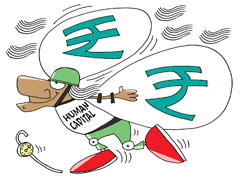
My age is 45 years and I would like to retire in next year 2027. I will be getting a interest of 30k per month. My EPF, gratuity & company share will be 40 Lakh if I retire next year, One Plot Valued 50 lakh. I have 20 lakh PPF and 50 lakh Fixed deposit. One boy age is 11 years. Presently my monthly expense is 30 k. Kindly advise if I can go ahead with my decision of early retirement.
Ans: You have already created a strong financial base with EPF, PPF, fixed deposits and company benefits. Planning retirement at 45 years shows clarity and courage. At the same time, early retirement needs careful checking because your retirement period may be more than 35 years.

Here is a full assessment to help you decide safely.

» Present Financial Position

– Expected retirement corpus next year: around Rs 40 lakh (EPF + gratuity + shares)
– Existing PPF: Rs 20 lakh
– Fixed deposit: Rs 50 lakh
– Plot value: Rs 50 lakh (not income generating)
– Monthly interest income expected: Rs 30,000
– Current monthly expenses: Rs 30,000
– Child age: 11 years (major education expenses coming)

Your savings habit is very strong. This is a big advantage.

» Monthly Income vs Monthly Expense Reality

At present:

– Expected income after retirement: Rs 30,000 per month
– Current expenses: Rs 30,000 per month

This looks balanced today. But retirement planning must consider:

– inflation increase every year
– medical expenses after age 50
– child education costs
– emergencies
– longer life expectancy (up to age 85 or more)

So matching today's expense is not enough for early retirement safety.

» Impact of Long Retirement Period

If you retire at 45:

– retirement duration may be 35–40 years
– expenses may double in future years
– fixed income sources alone may not support long-term needs

This creates a risk of money shortage later.

So full retirement next year looks financially tight at present.

» Child Education Responsibility

Your son is 11 years old.

In next 6–10 years:

– higher education expenses will come
– professional courses may need large funds
– education inflation is very high in India

This is an important responsibility before retirement.

» Role of Fixed Deposits and PPF in Your Plan

Your portfolio is safe but very conservative.

Good points:

– capital protection is strong
– stable income support available

Limitation:

– growth may not beat inflation fully over long retirement years

For early retirement, growth assets are also required along with safety assets.

» Plot in Your Asset Allocation

Plot value is Rs 50 lakh.

But:

– it does not generate monthly income
– selling may take time
– price growth is uncertain

So it cannot support regular retirement expenses unless converted into income generating investments later.

» Health Insurance Protection

Before early retirement, check:

– family floater health insurance coverage
– separate senior citizen policy planning
– emergency medical buffer

Medical costs are the biggest retirement risk today.

» Suggested Practical Strategy Before Taking Retirement Decision

Instead of retiring fully next year, a safer approach:

– continue working 3 to 5 more years if possible
– allow corpus to grow further
– increase investments into growth-oriented mutual funds
– create separate education fund for your son
– build medical emergency reserve

This can make retirement peaceful and confident.

» How Much Strength You Already Have

Your strengths are:

– zero loan burden
– disciplined savings
– multiple retirement assets
– manageable monthly expenses
– early planning mindset

These are excellent positives.

Only time factor is slightly early for full retirement.

» Smart Alternative Option

You may consider:

– partial retirement
– consulting work
– part-time income support

Even Rs 15,000 to Rs 20,000 extra income monthly can improve retirement safety strongly.

» Finally

Based on your current assets and responsibilities, immediate retirement next year carries moderate financial risk. A short extension of working years can make your retirement very comfortable and secure for long life needs and your child’s education goals.

Best Regards,

K. Ramalingam, MBA, CFP,

Chief Financial Planner,

www.holisticinvestment.in

https://www.linkedin.com/in/ramalingamcfp/

...Read more

DISCLAIMER: The content of this post by the expert is the personal view of the rediffGURU. Investment in securities market are subject to market risks. Read all the related document carefully before investing. The securities quoted are for illustration only and are not recommendatory. Users are advised to pursue the information provided by the rediffGURU only as a source of information and as a point of reference and to rely on their own judgement when making a decision. RediffGURUS is an intermediary as per India's Information Technology Act.

Close  

You haven't logged in yet. To ask a question, Please Log in below
Login

A verification OTP will be sent to this
Mobile Number / Email

Enter OTP
A 6 digit code has been sent to

Resend OTP in120seconds

Dear User, You have not registered yet. Please register by filling the fields below to get expert answers from our Gurus
Sign up

By signing up, you agree to our
Terms & Conditions and Privacy Policy

Already have an account?

Enter OTP
A 6 digit code has been sent to Mobile

Resend OTP in120seconds

x