Home > Money > Question
Need Expert Advice?Our Gurus Can Help

What's the Perfect Medical Insurance Sum Assured for a Family Like Mine?

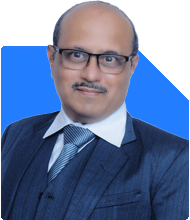
Ramalingam

Ramalingam Kalirajan  |10876 Answers  |Ask -

Mutual Funds, Financial Planning Expert - Answered on Jul 24, 2024

Ramalingam Kalirajan has over 23 years of experience in mutual funds and financial planning.
He has an MBA in finance from the University of Madras and is a certified financial planner.
He is the director and chief financial planner at Holistic Investment, a Chennai-based firm that offers financial planning and wealth management advice.... more

BR Question by BR on Jul 13, 2024Hindi
Listen
Money

What should be an ideal medical insurance sum assured for a family of 4 Husband : 44yrs, wife : 40 yrs, Two kids: 12 & 4 yrs to have a safe amount post retirement

Ans: 1. Assessing Medical Insurance Needs:

Family Health Risks:

Consider the health risks and history of each family member. Health insurance should cover possible medical expenses, including hospitalization, treatments, and emergencies.
Future Medical Costs:

Medical costs tend to rise over time due to inflation. Estimate future medical expenses by considering the current average costs and projected inflation rates.
2. Determining Sum Assured:

Current Coverage:

For a family with members aged 44, 40, 12, and 4 years, a basic coverage amount might not suffice. Higher coverage is advisable to avoid underinsurance.
Sum Assured Recommendation:

Minimum Coverage:

A sum assured of Rs. 10 lakhs to Rs. 15 lakhs per family member is typically recommended. This amount should cover a wide range of medical expenses and treatments.
Optimal Coverage:

For better security, consider a sum assured of Rs. 20 lakhs to Rs. 30 lakhs for the entire family. This amount can offer more comprehensive coverage and protect against high medical costs in the future.
3. Additional Considerations:

Inflation Protection:

Opt for policies with inflation protection features that increase the sum assured over time to keep up with rising medical costs.
Comprehensive Coverage:

Ensure the policy covers a wide range of medical conditions, including critical illnesses, pre-existing conditions, and maternity benefits if applicable.
Cashless Facility:

Choose a plan with a broad network of hospitals that offer cashless treatment, reducing out-of-pocket expenses during medical emergencies.
Policy Features:

Look for features like no claim bonus, annual health check-ups, and coverage for preventive care.
4. Reviewing and Updating Coverage:

Regular Review:

Review the insurance policy annually or after major life events (e.g., children growing up or significant health changes) to ensure it meets the evolving needs of your family.
Consult a Professional:

Consult a Certified Financial Planner to evaluate your specific needs and recommend the most suitable sum assured based on your family's health profile and financial situation.
Final Insights

An ideal medical insurance sum assured for a family of four, consisting of a 44-year-old husband, a 40-year-old wife, and two children (12 and 4 years), should ideally range from Rs. 20 lakhs to Rs. 30 lakhs. This amount provides adequate coverage for potential future medical expenses and ensures financial safety post-retirement. Always consider future medical inflation, policy features, and consult with a Certified Financial Planner for tailored advice.

Best Regards,

K. Ramalingam, MBA, CFP,

Chief Financial Planner,

www.holisticinvestment.in
Asked on - Jul 24, 2024 | Answered on Jul 26, 2024
Listen
Thanks..that’s really helpful !
Ans: You're welcome! If you have any more questions or need further assistance, feel free to ask. Best wishes on your financial journey!

Best Regards,

K. Ramalingam, MBA, CFP,

Chief Financial Planner,

www.holisticinvestment.in
DISCLAIMER: The content of this post by the expert is the personal view of the rediffGURU. Users are advised to pursue the information provided by the rediffGURU only as a source of information to be as a point of reference and to rely on their own judgement when making a decision.
Money

You may like to see similar questions and answers below
Ramalingam

Ramalingam Kalirajan  |10876 Answers  |Ask -

Mutual Funds, Financial Planning Expert - Answered on Oct 06, 2025

Money
Dear Sir, My age is 48 years.. yet I have no health insurance plan. I m working in Pvt Firm which covers 2 lacs Health insurance. But this is not sufficient. Please recommend best health insurance plan for my family. We are three members my wife aged 41 years and son 5 years old. all I have checked in policy bazar are showing different plans but not understand which will be good for my family. Please suggest. Because presently some Health insurance provider company generally fools the people.
Ans: You have taken a wise and responsible step by thinking about family health insurance now. At 48, it is very important to secure medical protection beyond company cover. Your awareness about misleading sales practices is also right. Many people buy policies without understanding coverage limits, waiting periods, and exclusions. Let us carefully analyse your situation and guide you with a 360-degree approach to select the right health insurance plan for your family of three.

» Importance of Having Independent Health Insurance

Company health insurance is helpful, but it is temporary.

It stops once you leave or retire from your job.

A personal health insurance policy continues lifelong.

Medical costs in India are rising faster than inflation.

A single hospitalisation can easily cost Rs 3 to 10 lakh.

Hence, a family policy ensures full protection even after job loss, change, or retirement.

» Understanding Your Current Cover

You are covered by a company group health plan for Rs 2 lakh.

That is too low for a family of three today.

A small surgery or private hospital stay can consume this limit fast.

Once the company cover is used, you may need to pay from your pocket.

So, personal family floater health insurance is essential.

» Ideal Coverage Amount

At your age, a base cover of Rs 10 lakh for family floater is ideal.

A top-up or super top-up plan can be added for Rs 15–20 lakh more.

Together, you get Rs 25–30 lakh total protection at low cost.

A base plan covers day-to-day hospitalisation.

A top-up covers large or multiple claims in a year.

This combination keeps your premium reasonable and coverage strong.

» Choosing Family Floater or Individual Plan

A family floater plan covers all members under one sum insured.

It is cheaper and convenient for a young family.

Since your wife is 41 and son is 5, a floater plan fits well.

The premium depends on the eldest member’s age, so it will be based on your age.

Individual plans are better only when there is a wide age gap or health issue in one person.

You can start with a floater now and add individual plans later if needed.

» Key Features to Check in a Good Policy

When comparing policies, focus on these core features instead of marketing offers:

Lifelong renewability: Ensure policy renews lifelong without age limit.

No claim-based loading: Premium should not rise just because you claimed.

Room rent limit: Prefer plans without sub-limits on room rent.

Pre and post-hospitalisation cover: Should cover at least 60 days before and 90 days after hospitalisation.

Daycare procedures: Should cover all daycare treatments, not a limited list.

No capping on diseases: Avoid policies that restrict specific illness costs.

Restoration benefit: Should automatically restore sum insured if used in a year.

Cashless network: Must have a large network of hospitals near your area.

Ambulance and domiciliary care: Should include both.

These points matter more than just low premium or cashback offers shown on comparison portals.

» Understanding Waiting Periods and Pre-existing Disease Cover

Every insurer keeps a waiting period for pre-existing diseases, usually 2–4 years.

It means such conditions are covered only after that period.

Some insurers offer shorter waiting periods or buyback options.

Choose one with minimum waiting period.

Also, check the initial waiting period of 30 days for general illness.

Accidental hospitalisation is usually covered from day one.

» Evaluating Claim Process and Customer Service

Many people face problems during claim time, not while buying policy.

Choose an insurer with proven cashless claim approval process.

Ask about their claim settlement ratio.

A good insurer should have 90% or more cashless claim success.

Also, check their grievance handling speed.

Reading genuine customer reviews (not ads) can help understand real service quality.

» Comparison of Plan Types

Base Health Insurance Plan: Gives full protection for normal hospitalisation.

Super Top-up Plan: Extends coverage at low cost after base amount is used.

Critical Illness Plan: Provides lump sum on diagnosis of major diseases.

For you, base plus super top-up plan is enough now.

Later, after age 55, you can consider adding a small critical illness cover.

» How to Avoid Getting Misled by Insurance Sellers

Never buy a policy just because of a low premium or gift offer.

Read the policy brochure carefully.

Focus on inclusions and exclusions.

Avoid agents who hide waiting period or sub-limit details.

Always buy from a Certified Financial Planner or registered insurance intermediary.

They explain in simple language and help you select need-based coverage.

Online comparison sites only show prices but not suitability.

So, you need professional guidance, not automated ranking.

» Suitable Coverage Strategy for Your Family

You can buy a Rs 10 lakh family floater base plan now.

Add a Rs 20 lakh super top-up policy from same insurer for seamless claim.

Include coverage for maternity and newborn care if planning second child.

Ensure coverage includes your wife’s and son’s hospitalisation, dental surgeries, daycare, and paediatric care.

Select a policy with annual health check-up benefit.

This will help you maintain regular health tracking.

» Premium Payment and Tax Benefits

Premium paid for health insurance qualifies for tax deduction under Section 80D.

You can claim up to Rs 25,000 per year for self, spouse, and children.

Paying by online transfer or card helps maintain valid proof for claim.

Avoid monthly premium options as they may cost more than annual payment.

» Evaluating Co-pay and Deductibles

Co-pay means you share part of hospital bill, usually 10–20%.

Some plans apply it above certain age or for specific treatments.

Prefer policies with zero or minimum co-pay.

Deductible applies mainly in top-up plans.

If your base plan covers Rs 10 lakh, keep deductible same for super top-up.

This ensures full coverage continuity without confusion.

» Importance of Health Declaration Honesty

Always declare your medical history truthfully when applying.

Even small ailments like high BP or sugar must be declared.

Non-disclosure can lead to rejection later.

Once declared honestly, the company cannot deny claim after waiting period.

» Family Health Planning Beyond Insurance

Maintain healthy lifestyle habits to reduce medical risks.

Eat balanced food and exercise at least 30 minutes daily.

Avoid smoking, alcohol, and stress.

Take regular health check-ups even if not covered.

Build a small health emergency fund for non-insured expenses like medicines or diagnostics.

» Understanding Why Early Purchase Matters

Premiums rise sharply with age after 45.

Buying now locks your health history and age slab.

If you wait till 50 or 55, premiums may be double.

Some diseases may start by then, making coverage harder.

So, early purchase ensures lifelong protection without exclusions.

» Policy Renewal Discipline

Never skip annual renewal.

Even one day delay can cause loss of continuity benefits.

Keep renewal date reminder in phone calendar.

Always pay directly through official insurer portal or trusted intermediary.

» Managing Health Insurance with Future Goals

Health insurance is not an investment. It is risk protection.

Do not mix with ULIPs or endowment policies.

Keep it separate from savings and mutual funds.

As income grows, you can enhance cover every few years using top-ups.

Also, review coverage every three years for family needs and inflation.

» Common Mistakes to Avoid

Selecting cheapest plan without checking hospital network.

Ignoring disease sub-limits and waiting periods.

Forgetting to check cashless tie-up in your city.

Not reading exclusion list carefully.

Mixing critical illness plan with hospitalisation plan wrongly.

Assuming corporate policy is enough for lifetime.

» How to Evaluate Insurer Reliability

Choose insurer with long experience in health segment.

Check claim settlement ratio, ideally above 95%.

Review their in-house claim team instead of third-party administrator.

Insurers with in-house claim management usually offer faster approvals.

Also, ensure they have digital claim intimation and mobile support.

» Role of Certified Financial Planner in Policy Selection

A Certified Financial Planner evaluates policies based on your health, age, and family.

They assess premium affordability, coverage adequacy, and claim process.

They also help renew and track changes every year.

This avoids confusion from online aggregators who just compare prices.

Hence, working with a CFP ensures clarity and long-term protection.

» Reviewing Cover Every Few Years

Inflation in medical cost is about 10–12% yearly.

Rs 10 lakh today may not be enough after 8–10 years.

Increase your base cover every 5 years or after salary rise.

You can add another super top-up plan instead of replacing old one.

This layered approach keeps protection current with changing healthcare prices.

» Planning for Post-Retirement Medical Security

After retirement, income may fall but health cost rises.

A lifelong renewable plan ensures you stay covered.

Premiums will be higher at 60, so start building a health fund.

Keep 2–3 years of premium in a liquid or debt fund.

This fund will help you maintain policy even without active income.

» Understanding Hospital Network Importance

Always choose insurer with hospitals near your home and office.

Check both private and multi-speciality hospitals in list.

Cashless approval makes claim easier and stress-free.

Reimbursement claims are lengthy and may delay refund.

So, wide hospital network is a strong selection factor.

» Building Complete Family Protection Plan

You should have:

A family floater health insurance plan.

A super top-up plan for high-value protection.

A separate term insurance plan for life risk.

An emergency medical fund for small expenses.

Together, these give full 360-degree family protection.

It secures your health, income, and financial peace.

» Steps to Finalise Your Policy

Shortlist 3–4 insurers with strong reputation.

Compare features, not just prices.

Call each insurer to clarify doubts before buying.

Buy directly from company or through CFP-managed service.

Keep all communication on email for record.

Verify policy document immediately after issue.

Inform your spouse about policy details and claim helpline.

» Finally

You have shown maturity and foresight by planning family health insurance at 48. This single decision will protect your family from major financial shocks. Focus on coverage features, not on advertisements or cashback offers. A Rs 10 lakh base plus Rs 20 lakh super top-up family floater policy is an ideal start. Buy from a reputed insurer with proven claim record and large hospital network. Ensure lifelong renewability, no sub-limits, and smooth cashless process.

Your family’s health safety deserves careful planning. With honest disclosure, timely renewal, and regular review, your policy will serve you reliably for decades. This will ensure you can focus on life goals with confidence and peace.

Best Regards,
K. Ramalingam, MBA, CFP,
Chief Financial Planner,
www.holisticinvestment.in

https://www.youtube.com/@HolisticInvestment

..Read more

Latest Questions
Naveenn

Naveenn Kummar  |234 Answers  |Ask -

Financial Planner, MF, Insurance Expert - Answered on Dec 09, 2025

Money
Dear Naveen Sir, I am 55 Years old and have five more years in superannuation. My monthly take home is approx. 6 Lacs PM . I have accumulated 2 Cr. in MF , 1.5 Cr in PF , 1 Cr FD and NPS and LIC put all together will be approx 50 Lacs and payout will start from 2028 onwards. I have just booked one 4 BHK and take home loan which is construction linked plan . Possession will be in 2029. My Daughter and Son are on Marriage age but both are also earning handsomely as they are in 30% bracket of IT . Have parental property approx 1.5 Cr which i will get in due course of the time. Monthly expenses are approx 1 Lacs only . Please suggest the way forward for next 5 Years .....how and where i start investing ....
Ans: Dear Sir
For a comprehensive QPFP level financial planning and retirement assessment we request the following details. These inputs will allow financial planner to prepare an accurate inflation-adjusted roadmap covering risk protection, income stability, investment strategy and long-term financial security.
________________________________________
1. Personal and Family Details
Your age and planned retirement year.
Spouse’s age, working status and future income expectations.
Number of dependents and their financial reliance on you.
Any major medical conditions in the family.
________________________________________
2. Parents’ Health and Financial Dependence
Current health condition of parents.
Do they have their own medical insurance cover.
Sum insured and type of policy.
Any critical illness or pre-existing conditions.
Monthly financial support you provide to them if any.
Expected future medical or caretaker expenses.
________________________________________
3. Income and Cash Flow
Monthly take home income.
Expected increments or bonuses for the next five years.
Monthly household expense structure.
Existing EMIs and financial commitments.
Monthly surplus available for investments.
Any expenses expected to rise due to inflation or lifestyle changes.
________________________________________
4. Home Loan and Liabilities
Sanctioned home loan amount, interest rate and tenure.
Current disbursement status under construction linked plan.
Your plan for EMI servicing and part-prepayment.
Any other loans or financial liabilities.
________________________________________
5. Real Estate Profile
Is this 4 BHK your first home or do you own other properties.
Any rental income from existing properties.
Purpose of the new 4 BHK after retirement for self, parents or children.
Your plan for the parental house. Retain, sell or rent.
Where you plan to settle post retirement.
________________________________________
6. Investment Portfolio
Current mutual fund corpus and category-wise split.
SIP amounts and investment horizon.
PF, EPF, PPF and other retirement scheme balances.
Fixed deposit amounts, maturity periods and ownership structure for DICGC protection.
NPS allocations Tier 1 and Tier 2.
LIC policies with surrender value and maturity year.
Any bonds, NCDs, PMS, private equity or invoice discounting exposure.
________________________________________
7. Emergency Preparedness
Current emergency fund value.
Loan facility available against MF or FD.
Any credit line for medical or sudden expenses.
________________________________________
8. Insurance Protection (Self and Spouse)
Term insurance coverage and policy details.
Health insurance sum assured and insurer.
Top-up or super top-up cover details.
Critical illness and accident cover status.
Adequacy of insurance after accounting for inflation.
________________________________________
9. Children’s Goals and Planning
Are you contributing financially to your children's planning.
Any corpus set aside for their marriage.
Children’s own investment and insurance setup.
Any future goals involving them.
________________________________________
10. Retirement Vision and Income Planning
Expected retirement lifestyle and monthly cost adjusted for inflation.
Your preferred retirement income structure
SWP from mutual funds
Annuity or pension products
PF interest
NPS annuity
Rental income
Plans to monetise or downsize real estate if needed.
Any travel, medical or lifestyle goals post retirement.
________________________________________
11. Estate and Succession Planning
Will availability and last update date.
Nominations across MF, PF, NPS, FD, LIC, demat and bank accounts.
Any instructions for asset distribution.
________________________________________
Next Step
Only Once you share these details, financial planner can prepare a complete five year roadmap covering asset allocation, inflation-adjusted corpus projections, loan strategy, insurance adequacy, medical preparedness, pension and SWP planning, liquidity management and post-retirement income stability.


Disclaimer / Guidance:
The above analysis is generic in nature and based on limited data shared. For accurate projections — including inflation, tax implications, pension structure, and education cost escalation — it is strongly advised to consult a qualified QPFP/CFP or Mutual Fund Distributor (MFD). They can help prepare a comprehensive retirement and goal-based cash flow plan tailored to your unique situation.
Financial planning is not only about returns; it’s about ensuring peace of mind and aligning your money with life goals. A professional planner can help you design a safe, efficient, and realistic roadmap toward your ideal retirement.

Best regards,
Naveenn Kummar, BE, MBA, QPFP
Chief Financial Planner | AMFI Registered MFD
https://members.networkfp.com/member/naveenkumarreddy-vadula-chennai
044-31683550

...Read more

Ramalingam

Ramalingam Kalirajan  |10876 Answers  |Ask -

Mutual Funds, Financial Planning Expert - Answered on Dec 09, 2025

Money
Im aged 40 years and my husband is aged 48 years. We have one son aged 8 years and daughter aged 12 years. We both are in business. What should be the ideal corpus to meet their education at the age of 18 years for both children? Present business income we can save Rs.50000 pm
Ans: You are thinking early. That itself is a smart step. Many parents postpone planning and later struggle with loans. You are not in that situation. So appreciate your approach.

You asked about ideal corpus for higher education. Education cost is rising fast. So planning early avoids financial pressure later.

You have two kids. Your daughter is 12. Your son is 8. You have around six years for your daughter and around ten years for your son. With this time frame, you need a proper structured plan.

» Understanding Future Education Cost

Education inflation in India is high. It is increasing year after year. Even professional courses are becoming costly. College fees, hostel fees, books, digital tools and transportation also add cost.

You need to consider this inflation. Higher education cost will not remain at today’s value. It will grow.

So if today a standard undergraduate program costs around a few lakhs, in six to ten years the cost may go much higher. That is why estimating corpus should consider this future cost.

You don’t need exact numbers today. You need a target range to plan. A comfortable range gives clarity.

» Typical Cost Structure for Higher Education

Higher education cost depends on:

– Private or government institution
– Course type
– City or abroad option
– Duration

For engineering, medical, management or technology courses, cost goes higher. For government colleges the cost is lower but seats are limited. Private colleges are more accessible but expensive.

So planning based only on government college assumption may create funding gaps. Planning based on private college range gives safer margin.

» Suggested Corpus for Both Children

For your daughter, considering next six years gap and inflation, a target range should be higher. For your son, you have more time. So his corpus can grow better because compounding works more with time.

For a comfortable education corpus that covers most course possibilities, many families plan for a higher number. It gives flexibility to choose better college without stress.

So you can aim for a larger goal for both children like this:

– Daughter: Target a strong education fund for next six years
– Son: Target a similar or slightly higher fund for the next ten years because future costs may be higher

You may not need the whole amount if your child chooses a less expensive route. But having extra cushion gives peace.

» Your Savings Ability

You mentioned you can save Rs.50000 monthly. That is a strong saving capacity. But this saving should not go entirely to a single goal. You will also need future retirement planning, emergency fund and other life goals.

Still, a reasonable portion of this amount can be allocated towards education planning. Some families divide savings based on urgency and time horizon. Since daughter’s goal is near, she may need a more stable allocation.

Your son’s goal is long term. So his part can stay in growth asset for longer.

» Choosing the Right Investment Style

A long term goal like your son’s education needs equity exposure. Equity gives better potential for long term growth. It beats inflation better than fixed deposits.

But for your daughter, pure equity can create risk because goal is nearer. Market fluctuations may affect final corpus. So she needs a balanced asset mix.

So investment approach must be different for both.

» Asset Allocation Strategy

For your daughter with six year horizon:

– Higher allocation to a balanced type category
– Some allocation to equity through diversified categories
– Step down equity allocation in final three years

This structure protects capital in later years.

For your son with ten year horizon:

– Higher equity allocation at start
– Continue systematic investing
– Reduce risk allocation gradually closer to goal period

This helps growth and protection.

» Avoiding Wrong Investment Products

Parents often buy traditional insurance plans or children policies for education. These policies give low returns. They lock money and reduce wealth creation potential.

So avoid purely insurance based products for education goals. Insurance is separate. Investment is separate. This separation creates clarity and better growth.

If you already hold any ULIP or investment insurance product, it may not be efficient. Only if you have such policies then you may review and consider if surrender is needed and reinvest in mutual funds. If you don’t have such policies, no need to worry.

» Role of Actively Managed Mutual Funds

For long term goals, actively managed mutual funds offer better flexibility and expert management. They are designed to outperform inflation. A regular plan through a mutual fund distributor with CFP support helps with guidance. They also track your goal and give advice in volatile phases.

Direct funds look cheaper on expense ratio. But they lack advisory support. Long term investors often make emotional mistakes in direct investing. They stop SIPs or switch wrong schemes. So advisory backed investing avoids costly behaviour mistakes.

Index funds look simple and low cost. But they only follow the market. They don’t protect during corrections. There is no strategy or research. Actively managed funds adjust holdings based on market research and valuation. For life goals like education, smoother growth and strategy are needed.

So regular plan with advisory support helps you avoid unnecessary emotional decisions.

» Importance of Systematic Investing

A fixed monthly SIP gives discipline. It also benefits from market volatility. When markets fall, SIP buys more units. In rise phase, the value grows.

A structured SIP helps both goals. For daughter, SIP should shift towards low volatility funds slowly. For son, SIP can run longer in growth-oriented funds before reducing risk.

Your contribution amount may change based on future business income. But start now with whatever comfortable.

» Protecting the Goal With Insurance

Since you both are running business, income stability may fluctuate. So ensuring life security is important. Term insurance is the right option. It is low cost and high coverage.

This ensures child’s education is protected even if income stops.

Medical insurance also matters. A medical emergency should not break education savings.

» Reviewing the Plan Periodically

A fixed plan is good. But markets and life conditions change. So review once every twelve months.

Points to review:

– Are SIPs running on time?
– Is allocation suitable for goal year?
– Any need to shift from equity to safer category?
– Any tax planning advantage needed?

But avoid checking portfolio every week. Frequent checking creates stress.

» Education Goal Withdrawal Plan

As the daughter’s goal comes close:

– Stop SIP in high risk category
– Start shifting profit to debt type fund over systematic transfers
– Keep final year money in safe option like liquid category

Same formula should be applied for your son when his goal approaches.

This protects against last minute market crash.

» Emotional Side of Planning

Education is an emotional goal. Parents feel pressure to provide the best. But planning removes fear.

Saving consistently gives confidence. Having a plan helps avoid panic decisions. It also brings clarity of future expense.

This planning sets financial discipline for your children as well.

» Taxation Factors

When redeeming funds for education, tax rules will apply. For equity fund withdrawals, long term capital gains above exemption are taxed at 12.5% as per current rules. For short term within one year, tax is higher.

For debt investments, gains are taxed as per your tax slab.

So plan the withdrawal timing to reduce tax.

Tax planning near goal year is very important.

» What You Can Do Next

– Start separate investments for each child
– Use SIP for disciplined investing
– Choose growth-oriented asset for son
– Choose balanced and phased investment approach for daughter
– Review allocation yearly
– Protect the goal with insurance cover

Following these steps helps achieve the target corpus smoothly.

» Finally

You are already thinking in the right direction. You have time for both goals. You also have a good saving frequency. So you can build a strong education fund without stress.

Your children’s future will be secure if you continue with a structured and disciplined plan.

Stay consistent with your savings. Make investment choices carefully. Review and adjust calmly over time.

This journey will help you reach your ideal corpus for both children.

Best Regards,

K. Ramalingam, MBA, CFP,

Chief Financial Planner,

www.holisticinvestment.in

https://www.youtube.com/@HolisticInvestment

...Read more

Ramalingam

Ramalingam Kalirajan  |10876 Answers  |Ask -

Mutual Funds, Financial Planning Expert - Answered on Dec 09, 2025

Asked by Anonymous - Dec 09, 2025Hindi
Money
Hi Sir, Regarding recent turmoils in global economic situation and trends, Trump's tariffs, relentless FII selling, should I be worried about midcap, large&midcap funds that I have in my mutual fund portfolio? I have been investing from last 4 years and want to invest for next 10 years only. And then plan to retire and move to SWP. I'm targeting a 10%-11% return eventually. And I don't want to make lower returns than FD's. Is now the time to switch from midcap, laege&midcap to conservative, large, flexi funds? Please suggest.
Ans: You have asked the right question at the right time. Many investors panic only after damage happens. You are thinking ahead. That is a strong habit.

You also have clarity about your goal, time horizon and expected returns. This mindset will help you handle market noise better.

» Current Market Sentiment and Global Events
The global economy is seeing stress. There are trade decisions, tariff announcements, and geopolitical issues. Foreign institutional investors are selling. News flow looks negative.
These events can cause short term volatility. Midcaps and small caps usually react faster during these phases. Even large caps show some stress.
But markets have seen many crises in the past. Elections, governments, conflicts, pandemics, financial crashes and tariff wars are not new events. Markets always recover over time.
Short term movements are unpredictable. Long term wealth creation depends more on patience and asset allocation.

» Your Time Horizon Matters More Than Market Noise
You have been investing for 4 years. You plan to invest for the next 10 years. That means your remaining maturity is long term.
For a 10 year goal, equity is suitable. Midcap and large and midcap funds are designed for long term investors. They are not meant for short periods.
If your time horizon is short, it is valid to worry about downside risk. But with 10 more years ahead, temporary volatility is normal and expected.
Short term fear should not drive long term decisions.

» Should You Switch to Conservative or Large Cap Now?
Switching based on panic or temporary news is not ideal. When you switch now, you lock the current lower value permanently. You also miss the recovery phase.
Large cap and flexi cap funds offer stability. But they also deliver lower growth potential during bull runs compared to midcaps.
Midcaps usually fall deeper when markets drop. But they also recover faster and often outperform in the next cycle.
Switching now may protect emotions but may reduce long term wealth creation.

» Target Return of 10% to 11% is Reasonable
Aiming for 10%-11% return with a 10 year investment horizon is realistic.
Fixed deposits now offer around 6.5% to 7.5%. After tax, the return becomes lower.
Equity funds have potential to generate better returns compared to FD over a long tenure. Midcap allocation contributes to this return potential.
So moving fully to conservative funds may reduce your ability to beat inflation comfortably.

» Impact of FII Selling
FII selling creates pressure on the market. But domestic investors including SIP flows are strong today. India is seeing strong structural growth.
Retail investors, mutual funds and systematic flows act as stabilizers.
FII selling is temporary and cyclical. It is not a permanent trend.

» Economic Slowdowns Create Opportunities
Corrections make valuations reasonable. This can benefit long term SIP investors.
During downturns, your SIP buys more units. During recovery, these units grow.
This mechanism works best in volatile categories like midcaps.
Stopping SIP or switching during dips blocks this benefit.

» Midcap Cycles Are Natural
Midcap funds move in cycles. They have phases of strong growth followed by correction. The correction phase is painful but temporary.
Every cycle contributes to future upside. Staying invested during all phases is important.
Many investors exit during downturns and enter again after markets rise. This behaviour produces lower returns than the mutual fund performance.

» Role of Portfolio Balance
Instead of exiting fully, review your asset allocation. You can hold a mix of:
– Large cap
– Flexi cap
– Midcap
– Large and midcap
This gives stability and growth potential.
Midcap should not be more than a suitable percentage for your age and risk tolerance. Since you are 36, some meaningful midcap exposure is fine.
If midcap exposure is very high, you can reduce slightly and move that portion to flexi cap or large cap funds slowly through a systematic transfer. Do not do a lump sum shift during panic.

» Behavioural Discipline Matters More Than Fund Selection
Market cycles test investor patience. Consistency in SIP and holding through declines builds wealth.
Most investors do not fail due to bad funds. They fail due to fear-based decisions.
Your approach should be systematic, not emotional.

» Do Not Compare with FD Frequently
FD gives predictable return. Equity gives volatile but higher potential return.
Comparing FD returns every time the market falls leads to wrong decisions.
FD is for safety. Equity is for growth. They serve different purposes.
Your retirement plan and SWP plan depends on growth. Only equity can provide that growth.

» Should You Change Strategy Because Retirement is 10 Years Away?
Now is not the time to exit growth segments. You are still in accumulation phase.
When you reach the last 3 years before retirement, then reducing equity exposure step by step is required.
At that stage, a glide path helps preserve gains. That time has not yet come.
So continue building wealth now.

» Market Timings and Shifts Rarely Work
Many investors try to predict markets. Most of them fail.
Switching based on news looks logical. But news and market timing rarely align.
Staying consistent with your asset allocation gives better results than frequent changes.

» Portfolio Review Approach
You can follow these steps:
– Continue SIPs in all categories
– Avoid stopping based on short term fears
– If midcap allocation is above comfort level, shift only small portion gradually
– Review allocation once in a year, not every month
This structured approach prevents emotional decisions.

» Tax Rules Matter When Switching
Switching between equity funds involves tax impact.
Short term capital gains tax is higher.
Long term capital gains above the exemption limit are taxed at 12.5%.
Switching without purpose can create avoidable tax leakage.
This reduces your compounding.

» When to Worry?
You need to reconsider only if:
– Your goal horizon becomes short
– Your risk appetite changes
– Your allocation becomes unbalanced
Not because of headlines or temporary corrections.

» Your Retirement SWP Plan
Once your accumulation phase is completed, you can shift to:
– Conservative hybrid
– Flexi cap
– Balanced allocation
This will support a smoother SWP.
But this transition should happen only closer to the retirement start date. Not now.

» SIP is Designed for Turbulent Years
SIP works best when markets are volatile. The hardest years for emotions are the most powerful for compounding.
Your long term discipline is your strategy.
Do not interrupt it.

» What You Should Do Now
– Stay invested
– Continue SIP
– Avoid panic selling
– Review allocation once a year
– Use a steady plan, not reactions
This will help you reach your target return range.

» Finally
You are on the right path. The current volatility is temporary. Your 10 year horizon gives enough time for recovery and growth.
Switching right now based on fear may reduce your future returns. Staying invested and continuing SIPs is the sensible approach.
Your goal of better return than FD is realistic. Equity can deliver that with patience.
Stay calm and systematic.
Best Regards,
K. Ramalingam, MBA, CFP,
Chief Financial Planner,
www.holisticinvestment.in
https://www.youtube.com/@HolisticInvestment

...Read more

Radheshyam

Radheshyam Zanwar  |6740 Answers  |Ask -

MHT-CET, IIT-JEE, NEET-UG Expert - Answered on Dec 09, 2025

DISCLAIMER: The content of this post by the expert is the personal view of the rediffGURU. Investment in securities market are subject to market risks. Read all the related document carefully before investing. The securities quoted are for illustration only and are not recommendatory. Users are advised to pursue the information provided by the rediffGURU only as a source of information and as a point of reference and to rely on their own judgement when making a decision. RediffGURUS is an intermediary as per India's Information Technology Act.

Close  

You haven't logged in yet. To ask a question, Please Log in below
Login

A verification OTP will be sent to this
Mobile Number / Email

Enter OTP
A 6 digit code has been sent to

Resend OTP in120seconds

Dear User, You have not registered yet. Please register by filling the fields below to get expert answers from our Gurus
Sign up

By signing up, you agree to our
Terms & Conditions and Privacy Policy

Already have an account?

Enter OTP
A 6 digit code has been sent to Mobile

Resend OTP in120seconds

x