Home > Career > Question
Need Expert Advice?Our Gurus Can Help

Aspiring Financial Services Entrepreneur Seeks Business Advice
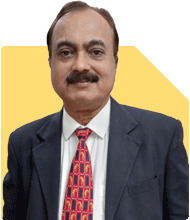
Pradeep

Pradeep Pramanik  | Answer  |Ask -

Career And Placement Consultant - Answered on Aug 12, 2024

Pradeep Pramanik is a career coach, placement consultant and director at Fast Track Career Consultants, which provides career counselling, soft skills training and placement consultancy services.
Pradeep, who hails from Bhagalpur in Bihar, has worked in the pharmaceutical industry for 15 years in sales, marketing, training and product management roles in companies like Lupin Pharmaceuticals, Elder Pharmaceuticals and Ranbaxy Laboratories.
During his tenure in the pharma industry, he has worked in different states including Bihar, Jharkhand, Andhra Pradesh, Telangana, Karnataka, Maharashtra, Tamil Nadu and West Bengal.
In 1998, he launched Fast Track Career Consultants with the aim of helping youngsters find jobs through the right career counselling, training and placement services.
They also offer HR analysis and appraisal services.
Over the years, he has been invited by management and engineering institutions to discuss education and employment policies, entrepreneurship, soft skills and emerging careers in India.
He has published four books on career counselling and contributed articles to print publications.... more

Himansu Question by Himansu on Jul 09, 2024Hindi

Listen
Career

Dear Sir, I am planning to start a Financial Services company which will work in intermediate of selling financial products. I am currently working in insurance selling. I need your suggestion regarding business and also plan of action to start my venture

Ans: Dear Mr. Himanshu , I appreciate that You want to become an Entrepreneur and have chosen one of the most promising but highly risky segment . Since you are in insurance industry I belive YOU must be having enough exposure of this segment and must have idea about the pros & cons of this sector . However venturing into MF/ Stock Industry , you need to have some one to support you as these very volatile sectors and money you invest , you should be in position to recover in shortest possible time . Once you have your face value and trust of your customers , things will be quite easy. Best of luck.
Career

You may like to see similar questions and answers below
Ramalingam

Ramalingam Kalirajan  |10872 Answers  |Ask -

Mutual Funds, Financial Planning Expert - Answered on Jul 11, 2024

Money
Hi, I am 42 yrs old and have 21 years of experience in sales and marketing. I have approx. 60 lacs of savings including PF and 10 lacs equity portfolio and 1 cr of real estate assets. I want to quit my job and start business. I had done some home work also in some products. I have 15 lacs of medical policy. 30 lacs of term plan and approx. 7 lacs of traditional plan of insurance. How can I go ahead. Pls advise
Ans: Your 21 years of experience in sales and marketing have led you to build a solid financial foundation. You have Rs. 60 lakhs in savings, Rs. 10 lakhs in equity, and Rs. 1 crore in real estate assets. Additionally, you have a medical policy worth Rs. 15 lakhs, a term plan worth Rs. 30 lakhs, and a traditional insurance plan worth Rs. 7 lakhs. This is a strong base to start from as you contemplate beginning your own business.

Evaluating Your Decision to Start a Business
Starting a business is a significant decision that requires thorough evaluation. Your experience in sales and marketing is a great advantage, and it's crucial to leverage this as you transition into entrepreneurship. Ensure your business plan is comprehensive, covering market research, product demand, competition, and financial projections.

Ensuring Financial Security
Before you quit your job, it’s important to secure your and your family’s financial future. Here are a few steps to ensure financial security:

Building an Emergency Fund
Ensure you have an emergency fund that covers at least 12 months of living expenses. This fund will act as a safety net in case your business takes longer to generate profits.

Reviewing Insurance Coverage
Your medical policy of Rs. 15 lakhs and term plan of Rs. 30 lakhs are essential for protecting your family. Consider increasing your term plan coverage to match your current income and liabilities.

Evaluating Traditional Insurance Plan
The traditional insurance plan of Rs. 7 lakhs may not provide the best returns. Consider surrendering it and reinvesting the proceeds into mutual funds for better growth potential.

Planning Your Business Finances
Starting a business requires careful financial planning. Here are steps to help you get started:

Creating a Business Budget
Prepare a detailed budget for your business. Include initial setup costs, monthly operating expenses, marketing costs, and other miscellaneous expenses. This budget will help you understand your financial needs and plan accordingly.

Securing Initial Capital
You have Rs. 60 lakhs in savings, which is a good starting point. Decide how much of this amount you are willing to invest in your business. Keep a portion of your savings intact as a safety net.

Exploring Funding Options
Consider exploring funding options such as business loans, angel investors, or venture capital if your business requires additional capital. Ensure you understand the terms and conditions of these funding options.

Diversifying Investments
While starting a business, it's essential to continue growing your personal wealth. Diversifying your investments will help you achieve this. Here are some options to consider:

Mutual Funds
Mutual funds are an excellent way to diversify your investments. They offer the potential for higher returns through professional management. Consider investing in a mix of equity and debt funds based on your risk appetite.

Types of Mutual Funds
Equity Funds: Invest primarily in stocks. Suitable for long-term goals due to their growth potential.

Debt Funds: Invest in fixed-income securities. Suitable for short to medium-term goals with lower risk.

Hybrid Funds: Combine equity and debt investments. Provide a balance of risk and return.

Benefits of Mutual Funds
Professional Management: Funds are managed by experienced fund managers.

Diversification: Spread your investments across different securities, reducing risk.

Liquidity: Easy to buy and sell units as per your needs.

Power of Compounding: Long-term investments can grow significantly through compounding returns.

Risks of Mutual Funds
Market Risk: Returns depend on market performance.

Credit Risk: Risk of issuer default in debt funds.

Interest Rate Risk: Changes in interest rates can affect debt fund returns.

Power of Compounding
Investing in mutual funds for the long term allows you to benefit from compounding. Reinvesting your returns helps your investments grow exponentially over time. This is a powerful tool for wealth creation.

Strategic Investment Approach
Here's a strategic approach to investing in mutual funds:

Asset Allocation
Equity Allocation: Given your moderate risk appetite, allocate 60-70% of your investments in equity funds.

Debt Allocation: Allocate 20-30% in debt funds for stability.

Hybrid Funds: Allocate the remaining 10-20% in hybrid funds for a balanced approach.

Regular Investments
Set up systematic investment plans (SIPs) to invest regularly in mutual funds. This approach helps in averaging out the cost of investments and reduces market timing risk.

Review and Rebalance
Regularly review your investment portfolio. Rebalance your portfolio to maintain your desired asset allocation and adjust based on market conditions.

Managing Business and Personal Finances
Balancing your business and personal finances is crucial. Here are some tips to help you manage both effectively:

Separate Business and Personal Finances
Keep your business and personal finances separate. Open a separate bank account for your business transactions. This will help you track your business expenses and income more efficiently.

Budgeting for Personal Expenses
Create a budget for your personal expenses. Ensure that your personal expenses are covered by your emergency fund and any income generated from your investments.

Monitoring Cash Flow
Regularly monitor your business and personal cash flow. This will help you identify any potential financial issues early and take corrective action.

Financial Goals
Set clear financial goals for your business and personal life. This will help you stay focused and motivated. Review your goals periodically and adjust them based on your progress.

Seeking Professional Advice
While you have done commendable homework, seeking professional advice can provide valuable insights. A Certified Financial Planner (CFP) can help you with detailed financial planning and investment strategies tailored to your goals.

Final Insights
Your solid financial foundation and prudent planning are commendable as you embark on your entrepreneurial journey. Balance your business ambitions with personal financial security. Diversify your investments, keep your emergency fund intact, and regularly review your financial goals. Your experience in sales and marketing will be invaluable as you start your business. Wishing you the best of luck!

Best Regards,

K. Ramalingam, MBA, CFP,

Chief Financial Planner,

www.holisticinvestment.in

..Read more

Harsh

Harsh Bharwani  | Answer  |Ask -

Entrepreneurship Expert - Answered on Dec 18, 2024

Listen
Career
I'm a Chartered accountant .. recently qualified .I'm interested in start up company with intention of book keeping services .software .pls give me some piece of idea regarding how to begin my book keeping services software ..
Ans: Starting a bookkeeping service powered by your own software is a great way to leverage your skills as a recently qualified chartered accountant. With the growing demand for streamlined accounting solutions, your idea has a lot of potentials. Here's how you can get started effectively:

Understand the market and identify your niche:- You have to start by researching the market to identify the specific needs of small & medium-sized businesses. Because many businesses are struggling with manual accounting or find existing software too complex or expensive. Focus on building a solution that is simple, affordable and addresses their pain points, such as automating invoices, tracking expenses and generating tax reports.

Develop or customize software:- Decide whether to build your software from scratch with the help of a development team or customize an existing platform like QuickBooks or Zoho Books to create a unique product. But make sure your software includes essential features like cloud access, real-time financial tracking, automated reminders, payroll management, and integration with banking systems. Prioritize an intuitive interface so that even non-accountants can use it easily.

Provide flexible and scalable solutions:- Start structuring your services with flexible pricing models, such as tiered subscription plans based on business size and its features. With Offers add-ons such as tax filing assistance, compliance consulting, or financial planning to differentiate yourself from other competitors. A free trial or discounted onboarding package can attract new customers and build trust to convert the audience into customers.

Build a strong brand and online presence:- Start your service as a reliable, tech-enabled bookkeeping solution by emphasizing your credentials as a chartered accountant. You Have to create a professional website with client testimonials, feature highlights and demo videos of your software. Use social media and content marketing to showcase the benefits of your services, such as cost savings, error reduction compliance accuracy and many more. Networking with local businesses and participating in professional forums can also help increase your visibility in the market.

Stay up to date and constantly improve:- Accounting laws and technology are evolving quickly, so keep your software updated with new versions to meet regulatory requirements after getting client feedback. Introduce AI-powered features like predictive analytics or fraud detection to stay ahead of competitors. Engage with your clients regularly to understand their challenges and improve your offerings.

By combining your expertise in accounting with cutting-edge technology, you can create a reliable and scalable bookkeeping solution that not only supports businesses but also establishes you as a leader in this field. Start small, focus on client needs, and let your service grow along with your reputation.

..Read more

Naveenn

Naveenn Kummar  |233 Answers  |Ask -

Financial Planner, MF, Insurance Expert - Answered on Sep 18, 2025

Money
Hi I am 36 years old and planning to start a business where I can manage my basic necessities. Till now my investment are below and I want to achieve 1 crore with below money in next 5 years. Around 2 lakhs in equity shares Around 3.5 lakhs in ULIP. 2.5 lakhs already matured and need to withdraw. Mutual funds started from last one year around 1 lakh. Around 7 lakhs in FD 20 lakhs in savings account 22 lakhs in EPFO account Taken 1 crore term plan Emergency fund is 3 lakhs in savings. Health insurance for all done. Need to utilise 20 lakhs which is savings account and 2.5 lakhs am withdrawing from ULIP suggest the plan for diversification of these funds. Which should yield better returns.
Ans: Dear Sir/Madam,

You are 36 years old, planning to start a business while targeting ?1 crore wealth in 5 years. Current investments include:

Equity shares: ?2 lakhs

ULIP: ?3.5 lakhs (?2.5 lakhs maturing soon)

Mutual funds: ?1 lakh (ongoing SIP)

Fixed deposits: ?7 lakhs

Savings account: ?20 lakhs

EPFO: ?22 lakhs

Term insurance: ?1 crore

Health insurance: covered

Emergency fund: ?3 lakhs

Key Concerns:

You have not mentioned monthly family expenses and dependents (spouse/kids/parents). This is critical to estimate backup requirements.

Business risk: if you quit your job fully, you must ensure at least 9–12 months’ expenses as a cushion.

Your emergency fund of ?3 lakhs is inadequate. It should ideally be ?10–12 lakhs.

Action Plan (Consolidated):

Plan A – If Business Succeeds:

Allocate ?8–10 lakhs from savings into business initially (not the full ?22.5 lakhs).

Keep ?10–12 lakhs in liquid/FD/debt funds for family backup.

Continue SIPs of at least ?25k per month into equity mutual funds for long-term growth.

Redeploy ULIP maturity amount (?2.5 lakhs) into mutual funds instead of small-cap ULIPs.

Plan B – If Business Struggles:

Ensure stable income for family via job or rental income.

Maintain EPFO as retirement base.

Use mutual funds and equity SIPs for long-term wealth building.

Do not compromise on insurance and health cover.

Next Steps:

Clarify monthly family expenses, dependents, and lifestyle goals (children’s education, house purchase, etc.).

Based on that, adjust how much can safely go into business vs. remain invested.

Work with a QPFP financial planner to create a cash flow budgeting and dual-path plan (business + security).

Mutual Fund investments are subject to market risks. Read all scheme related documents carefully before investing.

Best regards,
Naveenn Kummar, BE, MBA, QPFP
Chief Financial Planner | AMFI Registered MFD
https://members.networkfp.com/member/naveenkumarreddy-vadula-chennai

..Read more

Latest Questions
Ramalingam

Ramalingam Kalirajan  |10872 Answers  |Ask -

Mutual Funds, Financial Planning Expert - Answered on Dec 06, 2025

Asked by Anonymous - Dec 06, 2025Hindi
Money
Dear Sir/Ma'am, I need some guidance and advice for continuing my mutual fund investments. I am a 36 year old male, married, no kids yet and no debts/liabilities as such. I have couple of savings in PPF, NPS, Emergency funds and long term investing in direct stocks. I recently started below mentioned SIPs for long term to grow wealth. Request you to review the same and let me know if I should continue with the SIPs or need to rationalize. Kindly also advice on how to invest a lumpsum amount of around 6lacs. invesco small cap 2000 motilal oswal midcap 2700 parag parikh flexicap 3000 HDFC flexicap 3100 ICICI prudential largecap 3100 HDFC large and midcap 3100 HDFC gold etf FOF 2000 ICICI Pru equity and debt fund 3000 HDFC balanced advantage fund 3000 nippon india silver etf FOF 2000
Ans: You already built a solid foundation. Many investors delay planning. But you started early at 36. That gives you a strong advantage. You have no liabilities. You have long term thinking. You also have diversified savings like PPF, NPS, Emergency funds and direct stocks. That shows clarity and discipline. This approach builds wealth with less stress over time.

You also started systematic investments in equity funds. That is a positive step. Your selection covers multiple categories like large cap, mid cap, small cap, flexi cap, hybrid and precious metals. So the intent is right. You are trying to create a broad portfolio. That gives balance.

» Your Portfolio Composition Understanding
Your current SIP list includes:

Small cap

Mid cap

Flexi cap

Large cap

Large and mid cap

Hybrid category

Gold and Silver FoF

Equity and Debt allocation fund

Dynamic hybrid fund

This shows you are trying to cover many segments. But too many categories can create overlap. When there is overlap, you get confusion during review. It also makes portfolio discipline difficult. You may think you are diversified. But the holdings inside may repeat. That reduces efficiency.

Your portfolio now looks like:

Equity dominant

Hybrid for stability

Metals for hedge

So the broad direction is fine. But simplifying helps in long-term habit building.

» Fund Category Duplication
You hold:

Two flexi cap funds

One large and mid cap fund

One pure large cap fund

One mid cap fund

One small cap fund

Flexi cap funds already invest across large, mid, small. Then large and mid also overlaps. So the large cap exposure gets repeated. That may not add extra benefit. But it increases monitoring complexity.

So I suggest rationalising. Keep one fund per category in core. Keep satellite space for only high conviction.

» Core and Satellite Strategy
A structured portfolio follows core and satellite method.

Core portfolio should be:

Simple

Long term

Stable

Satellite portfolio can be:

High growth

Concentrated

Based on your thinking level, you can structure like this:

Core funds:

One large cap

One flexi cap

One hybrid equity and debt fund

One balanced advantage type fund

Satellite funds:

One mid cap

One small cap

One metal allocation if needed

This division gives clarity. You can continue SIPs with review every year. No need to stop and restart often. That reduces behavioural mistakes.

» Your Current SIP List Review with Suggested Streamlining

You can consider continuing:

One flexi cap

One large cap

One mid cap

One small cap

One balanced advantage

One equity and debt hybrid

You may reconsider keeping both flexi caps and both gold silver funds. One of each category is enough. Because too many funds do not increase returns. It complicates tracking.

Precious metal funds should not be more than 5 to 7 percent in your portfolio. This is because metals are hedge assets. They do not create compounding like equity. They act as protection during cycles. So keep them small.

» How to Use the Rs 6 Lakh Lump Sum
You asked about lump sum investing. This is important. Lump sum should not go fully into equity at one time. Markets move in cycles. So use a staggered method. You can invest the lump sum through STP (Systematic Transfer Plan). You can keep the amount in a liquid fund and set STP toward your chosen growth funds over 6 to 12 months.

This reduces timing risk. It also creates discipline. So your Rs 6 lakh can be deployed gradually. You may use 50% towards core equity funds and 30% toward satellite growth category. The remaining 20% can go into hybrid category. This gives balance and comfort.

» Regular Funds Over Direct Funds
One important point many investors miss. Direct funds look cheaper. But they demand deep knowledge, discipline, and behaviour control. Most investors lose more through emotional selling and wrong timing than they save on expense ratio.

With regular funds through a Mutual Fund Distributor with Certified Financial Planner qualification, you get guidance, structure and correction. The advisory discipline protects you during market extremes. That is more valuable than a small saving in expense ratio.

A personalised planner also tracks portfolio drift, rebalancing need and category shifts. So regular fund investing gives long-term benefit and behaviour coaching.

» Actively Managed Funds over Index or ETF
Some investors choose index funds or ETF thinking they are simple and cheap. But they ignore drawbacks.

Index funds or ETF will not avoid weak companies in the index. They will invest whether the company grows or struggles. There is no fund manager decision making. So when markets are at peak, index funds continue aggressive exposure. In downturns also they fall fully. There is no cushion.

Actively managed funds work with research teams. They can avoid bad sectors. They can shift allocation based on market and economy. Over long term, this gives better alpha and stability. So continuing with actively managed funds creates better wealth compounding.

» SIP Continuation Strategy
Once the rationalisation is done, continue SIPs every month without interruption. Pause and restart behaviour damages compounding power. SIP works best when you go through all market cycles. You benefit more during corrections because cost averaging works.

So continue SIP amount. You can also review SIP increase every year based on income. Increasing SIP by 10 to 15 percent every year helps you reach large corpus faster.

» Asset Allocation Based Approach
One key point in wealth creation is having the right asset mix. Equity gives growth. Hybrid gives balance. Metals give hedge. Debt gives safety. Your asset allocation should stay aligned to your risk profile and time horizon.

Since you are young and have long term horizon, higher equity allocation is fine. But as time moves, rebalancing is important. Rebalancing protects gains and restores allocation.

So review your asset allocation every year or during major life events like child birth, home buying or retirement planning.

» Behaviour Management
Many portfolios fail not due to bad funds. They fail due to bad decisions. Selling during correction. Stopping SIP when market falls. Chasing past return performance. These mistakes reduce wealth.

Your discipline so far is good. Continue to stay patient during volatility. Equity rewards patience and time.

» Financial Goals Clarity
Since you have no children now, you can decide your long-term goals. Typical goals may include:

Retirement

Future child education

Dream lifestyle purchase

Health care reserves

When goals are clear, investment purpose becomes stronger. So you can map each fund category to goal horizon. Short-term goals should not use equity. Long-term goals should use equity with hybrid support.

» Role of Review and Monitoring
Review once in a year is enough. Frequent review can create anxiety. Annual review helps check:

Fund performance

Expense drift

Category relevance

Allocation balance

Then adjust only if needed. This progress helps you stay confident and aligned.

» Taxation Awareness
Equity mutual funds taxation rules are:

Short term (below one year holding) taxable at 20 percent

Long term (above one year holding) gains above Rs 1.25 lakh taxable at 12.5 percent

Debt mutual funds are taxed as per your income slab.

So always hold equity funds for long term. That reduces tax impact and gives better growth.

» SIP Increase Plan
You can create a simple plan to increase SIP over time. For example:

Increase SIP at every salary increment

Increase SIP during bonus time

Use rewards or extra income for investing

This habit accelerates wealth. So by the time you reach 45 to 50 years, your investments could reach a strong level.

» Insurance and Protection
Before investing large, ensure you have term insurance and health insurance. If not already done, it is important. Insurance protects wealth. Without insurance, even a small medical event can impact investment plan. So review this part also. Since you are married, cover both.

» Wealth Behaviour Mindset
You are already disciplined. Just keep these simple principles:

Invest without stopping

Review once a year

Avoid funds overlap

Follow asset allocation

Avoid reacting to media noise

This helps you reach long term milestones.

» Finally
You are on the right track. Only fine tuning and simplification is needed. Your discipline is visible. Your portfolio will grow well with structure, patience and periodic review. Use the Rs 6 lakh with STP approach. And continue SIP with rationalised categories.

With time and consistency, wealth creation becomes effortless and peaceful. You just need to stay committed and avoid overthinking during market movements.

Best Regards,
K. Ramalingam, MBA, CFP,

Chief Financial Planner,

www.holisticinvestment.in

https://www.youtube.com/@HolisticInvestment

...Read more

Dr Dipankar

Dr Dipankar Dutta  |1837 Answers  |Ask -

Tech Careers and Skill Development Expert - Answered on Dec 05, 2025

Career
Dear Sir, I did my BTech from a normal engineering college not very famous. The teaching was not great and hence i did not study well. I tried my best to learn coding including all the technologies like html,css,javascript,react js,dba,php because i wanted to be a web developer But nothing seem to enter my head except html and css. I don't understand a language which has more complexities. Is it because of my lack of experience or not devoting enough time. I am not sure. I did many courses online and tried to do diplomas also abroad which i passed somehow. I recently joined android development course because i like apps but the teaching was so fast that i could not memorize anything. There was no time to even take notes down. During the course i did assignments and understood the code because i have to pass but after the course is over i tend to forget everything. I attempted a lot of interviews. Some of them i even got but could not perform well so they let me go. Now due to the AI booming and job markets in a bad shape i am re-thinking whether to keep studying or whether its just time waste. Since 3 years i am doing labour type of jobs which does not yield anything to me for survival and to pay my expenses. I have the quest to learn everything but as soon as i sit in front of the computer i listen to music or read something else. What should i do to stay more focused? What should i do to make myself believe confident. Is there still scope of IT in todays world? Kindly advise.
Ans: Your story does not show failure.
It shows persistence, effort, and desire to improve.

Most people give up.
You didn’t.
That means you will succeed — but with the right method, not the old one.

...Read more

DISCLAIMER: The content of this post by the expert is the personal view of the rediffGURU. Investment in securities market are subject to market risks. Read all the related document carefully before investing. The securities quoted are for illustration only and are not recommendatory. Users are advised to pursue the information provided by the rediffGURU only as a source of information and as a point of reference and to rely on their own judgement when making a decision. RediffGURUS is an intermediary as per India's Information Technology Act.

Close  

You haven't logged in yet. To ask a question, Please Log in below
Login

A verification OTP will be sent to this
Mobile Number / Email

Enter OTP
A 6 digit code has been sent to

Resend OTP in120seconds

Dear User, You have not registered yet. Please register by filling the fields below to get expert answers from our Gurus
Sign up

By signing up, you agree to our
Terms & Conditions and Privacy Policy

Already have an account?

Enter OTP
A 6 digit code has been sent to Mobile

Resend OTP in120seconds

x