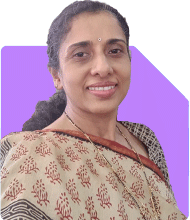
Need Expert Advice?Our Gurus Can Help
Ramalingam

Ramalingam Kalirajan  |11482 Answers  |Ask -

Mutual Funds, Financial Planning Expert - Answered on Nov 10, 2025

Ramalingam Kalirajan has over 26 years of experience in MF distribution and wealth management. He holds an MBA in Finance from the University of Madras and is a CFP (Certified Financial Planner) credentialed professional. He is the Director of Holistic Investment, a Chennai-based AMFI-registered Mutual Fund Distribution (ARN-4188) and APMI-registered PMS Distribution firm (APRN07386), helping clients build long-term wealth through mutual funds and other investment solutions.... more
Asked by Anonymous - Nov 09, 2025Hindi
Money

Hi , I am working in IT (tcs) with 40k salary and 1 year experience. I saved 2 lakhs in my bank and i am planning to go to masters in sep 2026( Due to on going situation I may or may not go for masters in this situation). So i want to multiple my money by doing something instead of just keeping them in bank. Can someone give me suggestions on how can i multiply my money?

Ans: You have done a great job at this young stage. You already work in IT. You earn Rs.40000 salary. You have only one year of experience. Yet, you saved Rs.2 lakhs. This shows great discipline. Many people fail to save even after many years of work. You already stand ahead. You also think about your future. You think about higher studies. You think about money growth. This shows maturity. You must feel proud of this start.

Your question is clear. You want to multiply your money. You do not want to leave the savings idle in the bank. You also have a possible plan for masters in 2026. But you are not fully sure. So your money plan needs flexibility. It must support you even if plans change. It must give safety and also growth. I will explain this from all angles in a simple way. My sentences will stay short. My tone will stay simple and clear. But I will also give deep insights as a Certified Financial Planner.

Below is a long, complete, 360 degree guidance for your situation.

» Appreciation for Your Early Discipline
– You saved Rs.2 lakhs at age 21 or 22.
– This is very strong discipline.
– Many people do not save even Rs.50000 in first years.
– Your mindset is rare.
– You think ahead in life.
– You value money.
– You think about growth.
– This gives you a big head start.
– You should keep this habit always.
– Early habits decide future success.

» Your Current Life Stage
– You are still early in your career.
– Your income will grow in coming years.
– Your responsibilities are still low.
– You have time on your side.
– Time is your biggest power.
– Money grows faster when started early.
– Compounding works best at your age.
– Small steps today create big results later.
– But you must manage risk with care.

» Your Masters Plan and Uncertainty
– You plan to go for masters in 2026.
– But you are not sure yet.
– This means your money plan must stay flexible.
– You must not lock money for long.
– You must not take very high risk.
– You must not choose long lock-in products.
– You need easy exit when required.
– You need reasonable growth.
– You need capital safety also.
– The plan should allow both situations.
– It should work even if you go abroad.
– It should also work if you stay here.

» Why Bank Savings Alone Is Not Enough
– Bank savings give very low returns.
– Interest may not beat inflation.
– Idle money loses value over time.
– For two years, bank interest will not help much.
– Your savings will stay almost flat.
– So you need better tools.
– But better tools must not take extreme risk.
– Balanced choices suit your stage.

» Avoid Taking Very High Risk
– Many youngsters chase fast money.
– They jump into crypto.
– They jump into trading.
– They jump into F&O.
– These give big losses at your stage.
– Your savings are precious now.
– You must protect every rupee.
– You must not try gambling products.
– You must focus on steady growth.
– You must keep money liquid.

» Why Mutual Funds Suit You
– Mutual funds give controlled risk.
– They give better returns than banks.
– They offer flexibility.
– You can withdraw anytime.
– They suit both short and long timelines.
– They can match your masters plan.
– They can match your job plan.
– They can match your future goals too.

» Use Regular Funds, Avoid Direct Funds
– Many youngsters buy direct funds.
– They think they reduce cost.
– But direct funds demand deep skills.
– You must choose schemes.
– You must track markets.
– You must rebalance at right time.
– You must manage emotions.
– These are not easy at early stage.
– Mistakes can cause losses.
– Regular funds through an MFD with CFP support help more.
– You get guidance.
– You get goal review.
– You get emotional protection.
– You avoid panic selling.
– You get stronger long-term outcomes.
– This support is more valuable than small cost savings.

» Why Index Funds Are Not Good for You
– Some people say index funds are simple.
– But index funds carry full market risk.
– They fall fully in market crashes.
– They offer no active control.
– There is no fund manager protection.
– For a beginner, this is risky.
– You need smoother movement.
– Actively managed funds give better support.
– They adjust exposure.
– They reduce downside.
– They suit young investors better.

» Your Best Investment Approach Now
– Your time horizon is two years.
– So you need moderate risk.
– You should avoid very volatile funds.
– You must avoid long lock-in options.
– You need simple and balanced choices.
– You must protect your capital.
– Your plan must support sudden need.

The most balanced approach for you is:

Part 1: Keep some money liquid
– Keep at least Rs.50000 in bank or liquid fund.
– This helps in emergencies.
– This keeps you stable.

Part 2: Invest the rest in suitable mutual funds
– Choose regular funds.
– Choose funds that suit 2 to 3 year goals.
– Choose funds that protect upside and downside.
– You can set up small SIP also.
– SIP builds habit.
– SIP grows long-term discipline.
– Even Rs.2000 SIP helps.
– It builds structure in your life.

» Avoid Fast Trading
– Do not trade stocks.
– Do not trade options.
– Do not jump into crypto.
– Do not chase stock tips.
– These destroy savings.
– Your capital is too precious.
– Protect stability.
– Build slow but steady.

» Think About Your Masters Funding
– If you go for masters in 2026, you need some corpus.
– Fees are high.
– Travel cost is high.
– Living cost is high.
– You may need loans.
– Your 2 lakhs can help initial payments.
– So keep your money safe.
– Do not expose it to very high risk.

» Think About Alternate Plan if You Don’t Go
– If you skip masters, the money can become your career booster.
– You can use it for courses.
– You can build your skill set.
– You can use it to shift roles.
– You can plan for future goals.
– You can invest more deeply.
– A small disciplined start now helps later.

» Building Wealth at a Young Age
– Your focus must be on growth.
– But growth must be steady.
– You should build patience.
– You should build emotional control.
– Wealth grows with time.
– Wealth grows with discipline.
– Wealth grows with focus.
– You have already started well.

» Combine Skill Growth and Money Growth
– Money grows faster when income grows.
– Income grows with skill.
– Skill matters more than investment return now.
– Use part of your savings for courses.
– Build certifications.
– Build job value.
– A Rs.2 lakh investment in skills can increase salary strongly.
– Higher salary allows higher SIP.
– Higher SIP builds long-term wealth.

» Build a Healthy Emergency Fund
– Emergency fund gives peace.
– It avoids stress during job change.
– It helps during course plans.
– It helps during health issues.
– You must have it before high risk steps.

» Build Simple Good Habits
– Use SIP.
– Save before spending.
– Review your expenses.
– Increase SIP each year.
– Avoid loans for lifestyle.
– Avoid credit card debt.
– These habits build wealth faster.

» Your Savings Can Grow in Right Way
– If you stay invested for 2 years, funds may grow.
– Market can move.
– But long view helps.
– You will learn discipline.
– You will learn patience.
– You will understand money better.

» Do Not Compare Yourself With Others
– Some people show big returns.
– They hide their losses.
– They chase risky tools.
– You avoid that.
– Slow and steady creates better results.

» Plan With a Certified Financial Planner
– A CFP can help track your goals.
– A CFP can help choose suitable funds.
– A CFP can help avoid risk errors.
– A CFP can help with emotional decisions.
– A CFP gives long-term structure.

» Tax View
– If you withdraw from equity funds within a year, STCG at 20 percent applies.
– If you withdraw after a year, LTCG above Rs.1.25 lakh is taxed at 12.5 percent.
– For debt funds, tax is based on your slab.
– You can plan your withdrawals smartly.
– Good planning reduces tax load.

» A 360 Degree Plan for You
– Save Rs.50000 as emergency buffer.
– Invest the rest in suitable regular funds.
– Build small monthly SIP.
– Increase SIP after each salary hike.
– Review your plan twice a year.
– Stay safe from high-risk products.
– Keep money accessible for masters.
– Revisit your plan when you get clarity in 2026.
– Keep long-term focus even if goals change.

» Finally
– You are off to a great start.
– You already have Rs.2 lakhs.
– You already show discipline.
– You already think long term.
– This mindset will take you far.
– With careful planning, your money can grow.
– With steady habits, your future will stay strong.
– You can multiply your savings safely.
– And you can support your masters plan if needed.
– Stay consistent.
– Stay patient.
– Keep improving your skills.
– Your financial future looks bright.

Best Regards,
K. Ramalingam, MBA, CFP,
Chief Financial Planner,
www.holisticinvestment.in

https://www.youtube.com/@HolisticInvestment
DISCLAIMER: The content of this post by the expert is the personal view of the rediffGURU. Users are advised to pursue the information provided by the rediffGURU only as a source of information to be as a point of reference and to rely on their own judgement when making a decision.
Money

You may like to see similar questions and answers below

Ramalingam

Ramalingam Kalirajan  |11482 Answers  |Ask -

Mutual Funds, Financial Planning Expert - Answered on Jul 15, 2024

Asked by Anonymous - Jul 02, 2024Hindi
Money
Im 33 year old women with 2 kids, one is around 3 year old , my daughter and my son is 3 months old. I have savings around 9 lakhs and i want to double the same in next 5 years to get total of savings 20 lakhs .pls suggest me how should i go about it . My net salary is around 60k and expenses around 20 k
Ans: First, let me appreciate your clarity and determination. Doubling your savings of Rs 9 lakhs in five years is a focused goal. Achieving this requires a strategic and disciplined approach.

Evaluating Your Current Financial Position
Your net salary is Rs 60,000 per month, with expenses around Rs 20,000. This leaves you with a surplus of Rs 40,000 each month. You have Rs 9 lakhs in savings. We need to deploy these savings wisely and also utilize your monthly surplus effectively.

Investment Options to Double Your Savings
Mutual Funds
Investing in mutual funds can offer good returns over five years.

Benefits of Actively Managed Funds:

Professional Management: Fund managers adjust portfolios based on market conditions.

Diversification: These funds spread investments across various sectors, reducing risk.

Systematic Investment Plan (SIP)
A SIP allows you to invest a fixed amount monthly in mutual funds. This helps in averaging costs and reducing market volatility impact.

Advantages of SIP:

Rupee Cost Averaging: Buys more units when prices are low and fewer when prices are high.

Discipline: Encourages regular saving and investing habits.

Creating an Investment Strategy
Lump Sum Investment:

Invest your Rs 9 lakhs savings in a diversified portfolio of mutual funds.

Monthly SIPs:

Allocate a portion of your Rs 40,000 monthly surplus into SIPs. For example, investing Rs 30,000 monthly in mutual funds can yield significant returns over five years.

Building a Diversified Portfolio
A well-diversified portfolio can help in achieving your financial goals.

Equity Mutual Funds
These funds invest in stocks and have the potential to deliver high returns.

Benefits:

High Growth Potential: Equities generally offer higher returns compared to other asset classes.

Inflation Hedge: Equity investments can outpace inflation.

Debt Mutual Funds
These funds invest in fixed-income securities like bonds.

Benefits:

Stability: Lower risk compared to equity funds.

Regular Income: Suitable for conservative investors looking for steady returns.

Balancing Risk and Return
Investing in equity mutual funds offers higher returns but comes with higher risk. Debt mutual funds are more stable but offer lower returns. A balanced approach is to invest in both, creating a mix that aligns with your risk tolerance and financial goals.

Avoiding Common Pitfalls
Avoiding Index Funds
Index funds mirror market indices. They may not outperform the market.

Disadvantages:

Lack of Flexibility: No active management to capitalize on market opportunities.

Market Risk: Entirely dependent on market performance.

Actively Managed Funds:

Offer the expertise of fund managers who adjust portfolios for better returns.

Importance of Regular Funds
Avoiding Direct Funds
Direct funds require investors to manage their investments.

Disadvantages:

Complexity: Requires deep market knowledge.

Time-Consuming: Continuous monitoring and adjustments needed.

Benefits of Regular Funds:

Managed by professionals, offering better potential for growth.

Emergency Fund
It's crucial to maintain an emergency fund. This ensures financial stability during unforeseen circumstances.

Recommendation:

Keep aside Rs 1-2 lakhs as an emergency fund, invested in liquid or ultra-short-term funds for easy access.

Insurance Coverage
Ensure you have adequate life and health insurance.

Life Insurance:

Adequate cover ensures financial security for your family.

Health Insurance:

Protects against medical emergencies and high healthcare costs.

Financial Discipline
Sticking to your investment plan requires discipline.

Regular Review:

Monitor your investments periodically to ensure they are on track.

Avoid Emotional Decisions:

Stay invested during market fluctuations to reap long-term benefits.

Importance of Certified Financial Planner (CFP)
A CFP can provide personalized advice tailored to your financial situation.

Benefits:

Expert Guidance: Professional advice on investment strategies.

Comprehensive Planning: Covers all aspects of financial planning, ensuring holistic growth.

Long-Term Financial Planning
While doubling your savings in five years is a short-term goal, consider long-term planning as well.

Retirement Planning:

Ensure you are saving adequately for a comfortable retirement.

Child’s Education:

Plan for your children's education expenses early.

Final Insights
Doubling your savings in five years is achievable with a strategic and disciplined approach. Invest your Rs 9 lakhs in a mix of equity and debt mutual funds. Utilize your Rs 40,000 monthly surplus through SIPs. Maintain an emergency fund and ensure adequate insurance coverage.

Regularly review your investments and avoid emotional decisions. Seek guidance from a Certified Financial Planner to ensure your financial plans are on track.

With a balanced approach and disciplined investing, you can achieve your financial goals and secure a bright future for your family.

Best Regards,

K. Ramalingam, MBA, CFP,

Chief Financial Planner,

www.holisticinvestment.in

..Read more

Moneywize

Moneywize   | Answer  |Ask -

Financial Planner - Answered on Sep 06, 2024

Asked by Anonymous - Sep 06, 2024Hindi
Listen
Money
How do I earn monthly income of 2 lakh post retirement which is 15 years away? I have Rs 30 lakh PF and 50 lakh investment in MFs. Please suggest some ways to multiply my investments so that post retirement I can earn Rs 2 lakh per month.
Ans: Creating a Retirement Corpus for a Monthly Income of Rs 2 Lakh

Understanding the Goal

To generate Rs 2 lakh per month post-retirement, you'll need a substantial corpus. Considering a conservative withdrawal rate of 4 per cent per year, you'll need approximately Rs 6 crore. This means you'll need to increase your current investments significantly over the next 15 years

Strategies to Achieve Your Goal:

1. Increase Monthly Contributions:

• Assess affordability: Determine how much more you can contribute each month to your investments.
• Consider additional income sources: Explore side hustles or part-time work to increase your income.

2. Optimise Existing Investments:

• Review your MF portfolio: Ensure your investments align with your risk tolerance and long-term goals.
• Rebalance regularly: Periodically adjust your asset allocation to maintain your desired risk-return profile.

3. Explore Alternative Investments:

• Real estate: Consider investing in rental properties for passive income.
• Equity investments: Explore direct stock investments or ETFs for potentially higher returns.
• Annuities: Purchase an annuity to provide a guaranteed income stream in retirement.

4. Leverage Tax Benefits:

• Utilise tax-saving instruments: Maximise investments in tax-saving options like ELSS, NPS, and PPF.
• Consult a tax advisor: Understand the tax implications of different investment strategies.

5. Consider Professional Advice:

Seek guidance from a financial advisor: A professional can help create a personalized retirement plan tailored to your specific needs and risk tolerance.

Example Calculation:

Assuming an annual return of 10 per cent on your investments, you'll need to contribute approximately Rs 25,000 per month to reach Rs 6 crore in 15 years This is a significant amount, but achievable with disciplined saving and investing.

Remember:

• Inflation: Factor in inflation when calculating your required retirement corpus.
• Emergency fund: Maintain an emergency fund to cover unexpected expenses.
• Risk tolerance: Choose investments that align with your comfort level.
• Regular review: Periodically assess your progress and make adjustments as needed.

By following these strategies and making consistent contributions to your investments, you can increase your chances of achieving your goal of a Rs 2 lakh monthly income post-retirement.

..Read more

Ramalingam

Ramalingam Kalirajan  |11482 Answers  |Ask -

Mutual Funds, Financial Planning Expert - Answered on May 19, 2025

Asked by Anonymous - May 19, 2025
Money
I'm a fresher who currently got placed into an NBFC for 25k salary in hand. How can I multiply this through investments and savings. Please suggest me some. Thank you in advance
Ans: Absolutely delighted to hear that you’ve landed a job. Your first step is a big one. Starting at Rs. 25,000 in hand, you’re not just earning—you’re building a future. Let’s break this down into clear action steps. My aim is to guide you like a Certified Financial Planner would, with a 360-degree plan for savings and smart investments.

I’ll help you understand what to do with your income, how to manage your spending, and how to multiply your savings over time.

Let’s begin with the most important areas.

Understand Your Cash Flow
First, track where every rupee goes.

Use a simple notebook or a mobile app.

Classify expenses: needs, wants, and savings.

Always aim to save before you spend.

Try to save 30% of your income each month.

That means at least Rs. 7,500 should be saved.

Build Your Emergency Fund
Start a separate bank savings account.

Keep Rs. 15,000 to Rs. 30,000 for emergencies.

This is not for shopping or vacation.

Only use it for medical or job-related problems.

Add a fixed amount monthly until you reach your goal.

Get Health Insurance Immediately
Your employer may offer one, but it is not enough.

Buy a personal health cover worth Rs. 3 lakh to Rs. 5 lakh.

Premiums are low for your age.

It protects your savings during illness.

Always disclose everything honestly while applying.

Term Insurance is Not Urgent Yet
You are single and just starting.

So, no need for term insurance now.

Take it only when you have dependents.

Focus instead on building assets and savings.

Automate Your Savings Process
Open a separate savings bank account for investments.

Set auto-transfer every month after salary credit.

This creates financial discipline automatically.

Don’t mix this with your spending account.

Treat savings as your monthly bill.

Start SIPs in Actively Managed Mutual Funds
Choose regular plans via a Certified Financial Planner.

They guide you with experience and research.

Don’t go for direct funds without guidance.

Direct funds need time, study, and ongoing monitoring.

Regular plans give you ongoing personalised support.

A CFP and MFD can help with fund switching also.

Benefits of Actively Managed Mutual Funds
Fund managers take decisions after market study.

Better for new investors like you.

Helps avoid sudden losses due to inexperience.

Higher chances of outperformance in long term.

Active funds adapt to market changes quickly.

Stay Away From Index Funds
Index funds follow market, no fund manager involved.

In bad markets, they also fall badly.

No one to protect or shift to safer assets.

No flexibility in difficult times.

Active funds manage risk better than index funds.

Choose SIPs with Proper Goal-Setting
Don't invest just for returns.

Invest with a goal in mind.

Examples: buy laptop, travel, marriage, house fund.

Assign timelines for each goal.

Choose funds based on time horizon and risk level.

Ideal Portfolio Mix for You
Equity mutual funds: Long-term wealth creation.

Hybrid mutual funds: Balance between growth and safety.

Recurring deposit or FD: For short-term needs.

Keep 2 or 3 funds only. Not more.

Don’t invest in random funds from friends or apps.

Avoid These Investment Mistakes
Don’t buy insurance for investment.

Don’t invest in LIC endowment or ULIPs.

They give low return and high lock-in.

No flexibility, no transparency.

Avoid chit funds and schemes from unknown sources.

Regularly Review Your Progress
Every 6 months, check your investments.

See if your savings rate is increasing.

Track how much emergency fund you have built.

Check if goals are getting closer.

A CFP can help you monitor and correct your path.

Build Skills to Increase Income
Savings alone won’t create wealth fast.

Improve your career skills also.

Take affordable online courses.

Ask for projects at work, build a reputation.

Better pay will give you higher savings later.

Budgeting Tips That Actually Work
Follow 50-30-20 rule: 50% needs, 30% wants, 20% savings.

For now, you may need to reverse it: 50% savings.

Use UPI apps for expense control alerts.

Don’t keep too much cash in hand.

Withdraw once a week, not daily.

Social Media Influencers are Not Financial Planners
Don’t follow random advice online.

Their needs are not your needs.

Your plan should match your goals, not theirs.

Stick to your savings plan strictly.

Professional advice is always better.

Avoid Loan Traps at Early Stage
Don’t take EMI cards or credit cards yet.

Start with a debit card linked to your bank.

Avoid monthly subscriptions that you forget.

Keep zero debt as long as possible.

Loans reduce your ability to save and invest.

Benefits of Investing via MFD with CFP Support
You get advice suited to your income level.

Fund selection is personalised.

Help is given for SIP starting, changes, withdrawals.

They help with taxes and switching too.

Your long-term success becomes their priority.

Don’t Fall for High Returns Promises
If someone offers 20% return, it’s risky.

Stable 10–12% return over years is good.

Compound growth needs patience.

Shortcuts often lead to losses.

Stay steady and grow slowly but surely.

Think Long Term, Act Monthly
Rs. 2,000 monthly SIP grows big in few years.

You will learn patience through SIP investing.

Don’t stop SIPs if market falls.

Use market fall as chance to grow faster.

Keep SIPs running without panic.

Protect Yourself from Tax Shocks Later
Equity mutual funds give tax benefit on long term.

LTCG above Rs. 1.25 lakh is taxed at 12.5%.

STCG is taxed at 20%.

For debt funds, all gains are taxed as per your slab.

So plan redemption properly.

Financial Independence Should Be Your Goal
Try to reach a stage where money works for you.

That needs slow and steady investing.

Once you reach Rs. 5 lakh corpus, add more SIPs.

With every hike, increase SIP by Rs. 500 to Rs. 1,000.

Build wealth step by step.

Stay Consistent, Not Perfect
You may skip saving in one month. That’s okay.

Don’t stop. Resume next month.

Track your progress, not your mistakes.

Stay focused on long term.

Small savings add up to big money later.

Finally
You have made a wonderful beginning.

Saving at Rs. 25,000 salary shows maturity.

With consistency, Rs. 7,500 monthly savings will create big wealth.

Stick to professionally managed mutual funds.

Don’t try shortcuts or risky bets.

Get support from a trusted Certified Financial Planner.

Learn, earn, save, invest, and grow at your own pace.

Best Regards,

K. Ramalingam, MBA, CFP,

Chief Financial Planner,

www.holisticinvestment.in

https://www.youtube.com/@HolisticInvestment

..Read more

Ramalingam

Ramalingam Kalirajan  |11482 Answers  |Ask -

Mutual Funds, Financial Planning Expert - Answered on Nov 10, 2025

Asked by Anonymous - Nov 09, 2025Hindi
Money
Hi sir, I am working in IT (tcs) with 40k salary and 1 year experience. I saved 2 lakhs in my bank and i am planning to go to masters in sep 2026( Due to on going situation I may or may not go for masters in this situation). So i want to multiple my money by doing something instead of just keeping them in bank. Can someone give me suggestions on how can i multiply my money?
Ans: You have taken a very wise step by saving Rs.2 lakhs early in your career. Many people in their first job fail to save. Your discipline shows maturity and a strong financial mindset. Let us explore how to make this money grow effectively before you go for your higher studies.

» Understanding your current situation

You are just one year into your career, earning Rs.40,000 per month. You already have a short-term goal — possible masters in September 2026. That means your time horizon is around 10 to 12 months for preparation and fee payment. Since this plan is not yet confirmed, your investment strategy must stay flexible. You must focus on capital protection first and returns second.

If your plan changes and you stay back to work longer, your investment choices can shift towards slightly higher-risk, higher-return options. So, we will look at both short-term and alternate scenarios.

» Why keeping money idle in a bank is not ideal

Money lying in a savings account earns only 2.5% to 3.5% interest. After inflation and tax, the real return becomes almost zero or negative. Your purchasing power decreases over time. Hence, your thought to make money work for you is correct and commendable.

However, investing without a plan or clarity can lead to loss. So first, we must decide the time frame, risk tolerance, and liquidity needs.

» Setting up an emergency reserve

Before investing, you must build a small emergency reserve. Unexpected situations like job loss, health issues, or family emergencies can come any time. You can set aside Rs.50,000 in a simple savings account or sweep-in fixed deposit for quick access. This ensures your investments stay untouched when sudden expenses come.

» If you are sure about your masters plan

If you are certain about going abroad in 2026, your goal is short-term. Then, capital safety is your top priority. You should not take high equity risk. Equity markets fluctuate in short term and can fall sharply due to global or local events.

In such cases, use low-risk options like liquid mutual funds or short-duration debt funds. They offer better returns than bank savings with moderate stability. Since your time horizon is short, avoid equity mutual funds completely.

Liquid or arbitrage funds can give around 6% to 7% returns with much lower risk. You can redeem them easily when you need money for application or visa expenses.

Remember, debt fund returns are taxed as per your income tax slab under the latest tax rules.

» If your masters plan gets delayed

If you finally decide not to go for masters in 2026, your horizon becomes longer. Then you can consider slightly higher-risk options like hybrid mutual funds. These funds invest partly in equity and partly in debt, balancing growth and safety.

They are suitable for young earners with limited savings who want moderate but steady growth. You can stay invested for 3 to 5 years and benefit from compounding.

You can start a Systematic Investment Plan (SIP) in such funds. Even Rs.2000 to Rs.3000 monthly SIP can build a good corpus over time.

» Avoid index funds at this stage

You may read many articles praising index funds. But for small investors like you, index funds have clear disadvantages.

Index funds simply copy the market index. They do not adapt to changing market situations. When markets fall, index funds also fall equally. There is no fund manager judgment to protect your capital.

Also, index funds tend to get overexposed to a few large companies. This increases concentration risk.

Actively managed funds, on the other hand, have professional fund managers who make decisions based on company fundamentals, valuations, and market trends. They can change holdings to protect or enhance returns.

For a beginner, an actively managed fund guided by a Certified Financial Planner offers better flexibility, active monitoring, and tailored strategy.

» Why avoid direct mutual fund investments

Direct mutual funds look cheaper as they have lower expense ratios. But they come without professional guidance. You have to do research, fund selection, portfolio review, and rebalancing on your own.

Most new investors make emotional decisions — they invest during market highs and withdraw during falls. This kills long-term returns.

When you invest through a Certified Financial Planner or Mutual Fund Distributor (MFD) with CFP qualification, you gain professional handholding. They help select the right schemes, monitor performance, and align investments with your goals.

Regular plans may have slightly higher cost, but they offer professional support, behavioural discipline, and periodic rebalancing. This adds more value than the small difference in expenses.

» Importance of disciplined investing

Investment success is more about consistency than market timing. Irregular or random investing doesn’t create wealth. If you continue your job, start small SIPs every month. Increase the SIP when your salary grows.

Even Rs.2000 per month invested for 5 years can create Rs.1.6 lakh to Rs.1.8 lakh, assuming modest returns. It builds a habit of saving and prepares you for bigger goals later in life.

» Avoid high-risk short-term instruments

Many youngsters fall for quick-return schemes, stock tips, or crypto promises. These can wipe out your savings easily. For a beginner with small corpus and uncertain goal, these are risky.

Stay away from speculative trades, intraday stock buying, or unverified digital assets. Building wealth requires patience and protection first, growth next.

» Consider recurring deposit or short-term FD if risk-averse

If you are very conservative, and don’t want market exposure, you can use short-term bank deposits. A one-year FD may yield around 6.5% to 7%. It is safe and predictable.

However, ensure you don’t block all funds in one FD. Keep flexibility to break partially if your plan changes.

» Keep financial flexibility for your masters goal

If you plan to go abroad, you will need funds for application fees, visa, initial stay, and emergencies. So, keep a portion of your money liquid. Avoid investing the full Rs.2 lakh in long-term products.

You can divide as follows:

Rs.50,000 as emergency reserve in bank

Rs.1 lakh in liquid or short-term debt fund

Rs.50,000 in hybrid or conservative balanced fund (only if masters plan may delay)

This mix offers balance of safety, liquidity, and moderate growth.

» Understanding taxation before investing

For short-term goals, taxation is important. If you withdraw equity fund before one year, the gains are treated as short-term capital gains (STCG) and taxed at 20%.

If you hold equity funds for more than one year, gains above Rs.1.25 lakh are taxed at 12.5%.

Debt funds, irrespective of holding period, are taxed as per your income tax slab. So, in your case with Rs.40,000 monthly income, the tax impact will be low if managed properly.

» Avoid mixing insurance with investment

If someone suggests ULIP or endowment plans, avoid them. They combine insurance and investment and give poor returns with long lock-in periods.

Buy pure term insurance once you have dependents. For now, as you are single and young, a simple health insurance is enough. It protects your savings during medical emergencies.

» Build knowledge before expanding investments

Spend time learning the basics of personal finance. Understand concepts like asset allocation, risk profiling, and compounding. These will help you take confident decisions in future.

You can read personal finance blogs, YouTube channels, or attend online sessions by Certified Financial Planners. Knowledge is the best investment at this stage.

» Think beyond just multiplying money

Your goal should not only be “multiply” but “grow safely with purpose.” Investments done in a hurry for short-term profits often cause regret.

Focus on creating a habit of structured saving. Over time, when your income grows and your goals expand, your early habits will help you build financial freedom.

You can plan for future goals like buying a home, starting a family, or early retirement through long-term mutual fund strategies later.

» Finally

You are at a very early yet powerful stage in your financial journey. Your savings habit and awareness about growth are great signs.

For now, protect your capital, keep some liquidity, and aim for moderate returns. Once your masters plan becomes clear, you can restructure investments accordingly.

With proper guidance from a Certified Financial Planner, you can learn disciplined investing, tax planning, and financial goal management.

Even a small start today builds strong financial roots for tomorrow. Keep learning, saving, and investing smartly.

Best Regards,
K. Ramalingam, MBA, CFP,
Chief Financial Planner,
www.holisticinvestment.in

https://www.youtube.com/@HolisticInvestment

..Read more

Latest Questions
Archana

Archana Deshpande  |136 Answers  |Ask -

Image Coach, Soft Skills Trainer - Answered on Oct 09, 2026

Asked by Anonymous - Jul 09, 2026
Career
I have taken a 12th-grade drop year, and this year I have to take admission. But my parents are not supporting me. Last year also, because of all these issues, my admission got delayed, and this year again, no one in my family is taking it seriously. They don't allow me to meet anyone or even go outside the house. They don't even let me go to the terrace. They keep saying, "Whatever you want to achieve, do it from home. People who really want to succeed can do it from anywhere." I don't have any problem studying from home. In fact, after my drop year, I started preparing for CA, and everything was going well initially. But after a few months, my mother started taking away my phone. She wouldn't let me talk to anyone, go outside, or even step onto the terrace. Along with that, there was a lot of mental and emotional abuse. My mother uses extremely abusive and degrading language toward me, and it has become very difficult for me to handle. Because of the constant verbal abuse and emotional stress, I often can't concentrate on my studies. Whenever I study peacefully for two days, the same traumatic cycle starts all over again the next day. This only happens to me in my family. I am the only daughter after my two elder brothers. I can't even share these things with anyone because none of my friends have to go through anything like this. Sometimes, if I simply go to the terrace, my mother starts shouting at me and uses extremely abusive language. Even if I use my phone only for studying, I am not allowed to keep it. I can't even talk to someone to refresh my mind or reduce stress, and I'm not allowed to meet my friends or go outside either. Sometimes, it becomes so overwhelming that I feel like I don't want to live in this house anymore. I feel trapped, emotionally exhausted, and completely isolated. All I want is a peaceful environment where I can study, focus on my future, and live with basic freedom and dignity.
Ans: Hi!!

I want you to understand that your desire to study, build a career and have some basic freedom is absolutely justified. You are not asking for too much. You are asking for an environment where you can concentrate on your studies, take decisions about your future and live with dignity.

From what you have shared, I feel your problem is not your ability to study or your willingness to work hard. You have already proved that you can prepare for CA and stay focused when things are going well. The real concern here is the environment in which you are expected to study.

You really need to understand that a peaceful mind is essential for effective learning. When you are constantly exposed to shouting, abusive language and emotional stress, it becomes difficult to concentrate, regardless of how determined you are to succeed. So please don't blame yourself for struggling with your studies. You are trying to focus on your future while simultaneously dealing with a very distressing situation at home.
Having said that, I would like you to think about something important. Your education and your future cannot remain on hold because of the circumstances you are facing today. You have already lost valuable time because of delays in admission, and I don't want you to lose another year waiting for things to improve on their own.
You need support, and you need to take practical steps towards securing your future.
First, identify a trusted adult who can understand your situation and help you. It could be a relative, a teacher, a former school counsellor or another responsible person you feel comfortable approaching. Please don't assume that nobody will understand you simply because your friends may not be experiencing the same difficulties. You don't have to deal with this alone.

Second, make your admission a priority. Find out the courses available to you, the eligibility requirements, the deadlines and the documents you need. If you cannot manage the process independently, seek help from a trusted adult who can guide you. You need a concrete plan rather than being caught in the same cycle of conflict and uncertainty.

Third, please understand that respecting your parents does not mean accepting abusive behaviour as something you deserve. You can love your family and still recognise that certain words and behaviours are hurting you. You don't have to fight or argue with your mother to prove your point. When things become heated, try to avoid escalating the situation and prioritise your emotional and physical safety.

And finally, please don't isolate yourself emotionally. You need someone with whom you can talk openly, someone who can listen without judging you. If the situation at home continues to feel unbearable, a counsellor or a trusted adult outside the family can help you work through it and explore safe options.

Remember, this difficult phase of your life does not define your future. You have ambitions, you want to study, and you want to become independent. Hold on to those goals, but don't feel that you have to achieve everything through sheer willpower while dealing with this distress alone.

Your future matters. Your mental well-being matters. And you deserve to live with dignity.

I would like to ask you two important questions -
* First, are you physically safe at home, or has the abuse ever become physical?
*Second, is there any trusted relative, teacher or other adult who could help you with your admission process?
I am asking because I want you to have advice that is practical for your situation, not just words of encouragement

Tc ! Best wishes always..

...Read more

Archana

Archana Deshpande  |136 Answers  |Ask -

Image Coach, Soft Skills Trainer - Answered on Oct 09, 2026

Asked by Anonymous - Oct 01, 2026
Career
I studied in an English-medium school, but during school and college most of my friends and even teachers were more comfortable speaking Hindi, so that became my natural communication language. Now after many years, I work in an office where English is used much more regularly. I can understand English and I can write basic things, but when I have to speak suddenly, I sometimes struggle to find the right words. Even for a simple question to a colleague, I first rehearse the sentence in my mind two or three times before saying it. If someone suddenly asks me something in English, I sometimes fumble even though I know what I want to say. I also depend quite a lot on ChatGPT to help me frame emails, messages and sometimes even replies because I worry about making grammar mistakes or sounding less professional. Recently, a new girl joined our office who speaks very confidently in English and seems more comfortable talking to people who are also very fluent or part of what feels like an ‘elite’ group. She does speak with us, but not as much, and sometimes I become more conscious about my own English when I see how naturally she communicates. I know everyone has a different communication style, but this has made me wonder whether my lack of fluency is affecting how people perceive me at work. How can I improve my spoken English and workplace communication so that I can speak spontaneously and confidently without mentally preparing every sentence first?
Ans: Hi!!!
First of all, you need to understand that being fluent in English does not necessarily mean being a good communicator. Communication is about how effectively you express your thoughts, ideas and feelings, and not merely about the language you speak.
From what you have shared, I feel your problem is not that you don't know English, but that you have become conscious of your English. The more you worry about making grammatical mistakes or using the wrong words, the more you hold yourself back. And the more you hold yourself back, the less opportunity you give yourself to become fluent.
You really need to ask yourself this question: Am I more concerned about communicating my thoughts, or about how people will judge my English? The moment you start worrying about the latter, you shift your focus from what you want to say to how you should say it. That is where the hesitation begins.
Remember, you don't have to speak perfect English to communicate confidently. You need to be clear, comfortable and willing to express yourself. Even people who speak English very fluently make grammatical mistakes, fumble for words and struggle to articulate their thoughts at times. It is perfectly normal!
So, what do you need to do?
Start speaking in English more often, even when you know your sentences may not be perfect. Don't rehearse every sentence in your mind before speaking. Allow yourself to think and speak at the same time. Initially, you may fumble, pause or use simpler words, but that is absolutely fine. Fluency comes with practice, not with the constant fear of making mistakes.
Make English a part of your everyday life. Speak to your colleagues in English, participate in conversations, share your opinions in meetings and practise expressing your thoughts aloud. Read aloud, listen to good English speakers and try summarising what you have read or heard in your own words. These small, consistent efforts will help you develop greater spontaneity and confidence.
And about using ChatGPT to frame your emails and messages — there is absolutely nothing wrong with using a tool to improve your communication. However, don't let the tool become a substitute for your own ability to think and express yourself. Try drafting your message first, and then use ChatGPT to refine it. Observe the changes, understand why they were made and gradually incorporate those learnings into your own communication.
As far as the new girl in your office is concerned, please don't allow her fluency to become a yardstick against which you Hi!!!
First of all, you need to understand that being fluent in English does not necessarily mean being a good communicator. Communication is about how effectively you express your thoughts, ideas and feelings, and not merely about the language you speak.
From what you have shared, I feel your problem is not that you don't know English, but that you have become conscious of your English. The more you worry about making grammatical mistakes or using the wrong words, the more you hold yourself back. And the more you hold yourself back, the less opportunity you give yourself to become fluent.
You really need to ask yourself this question: Am I more concerned about communicating my thoughts, or about how people will judge my English? The moment you start worrying about the latter, you shift your focus from what you want to say to how you should say it. That is where the hesitation begins.
Remember, you don't have to speak perfect English to communicate confidently. You need to be clear, comfortable and willing to express yourself. Even people who speak English very fluently make grammatical mistakes, fumble for words and struggle to articulate their thoughts at times. It is perfectly normal!
So, what do you need to do?
Start speaking in English more often, even when you know your sentences may not be perfect. Don't rehearse every sentence in your mind before speaking. Allow yourself to think and speak at the same time. Initially, you may fumble, pause or use simpler words, but that is absolutely fine. Fluency comes with practice, not with the constant fear of making mistakes.
Make English a part of your everyday life. Speak to your colleagues in English, participate in conversations, share your opinions in meetings and practise expressing your thoughts aloud. Read aloud, listen to good English speakers and try summarising what you have read or heard in your own words. These small, consistent efforts will help you develop greater spontaneity and confidence.
And about using ChatGPT to frame your emails and messages — there is absolutely nothing wrong with using a tool to improve your communication. However, don't let the tool become a substitute for your own ability to think and express yourself. Try drafting your message first, and then use ChatGPT to refine it. Observe the changes, understand why they were made and gradually incorporate those learnings into your own communication.
As far as the new girl in your office is concerned, please don't allow her fluency to become a yardstick against which you measure yourself. She may be more comfortable speaking English, but that does not make her more intelligent, more capable or a better professional than you. Everyone has a different background, different experiences and a different starting point.
Stop comparing, start practising and, most importantly, stop underestimating yourself.
You have already identified what you need to improve, and that is the first step towards change. Now, give yourself the opportunity to work on it without being overly critical of yourself.
Remember, the objective is not to impress people with your English. It is to express yourself with confidence, clarity and conviction.
When you stop trying to speak perfect English and start focusing on communicating effectively, you will gradually find your voice!

...Read more

Archana

Archana Deshpande  |136 Answers  |Ask -

Image Coach, Soft Skills Trainer - Answered on Oct 09, 2026

Asked by Anonymous - Oct 01, 2026
Career
I recently received feedback at work that I should be more assertive. The strange part is that I don’t consider myself shy - I speak when I have something to say and I’m quite comfortable with my colleagues. But the problem comes when I have a different opinion from someone senior. For example, last week during a team meeting, my manager suggested doing something in a particular way. I could clearly see one issue with the approach and had a different suggestion in mind, but when it was my turn to speak, I said something like, ‘Yes, that should be okay, maybe we can try it,’ instead of clearly explaining what I actually felt. Later, I discussed the same point with a colleague and realised I had actually been right about the concern, but by then the decision was already made. This happens with me quite often - I don’t want to sound argumentative or disrespectful, so I automatically soften my words and sometimes end up agreeing even when I genuinely have another opinion. How can I become more assertive in these situations, speak confidently to senior people and put forward a different viewpoint without coming across as rude, aggressive or overconfident?
Ans: Hi!!

*Being assertive does not mean being aggressive or disrespectful* It means expressing your thoughts and feelings confidently and respectfully!

If you hesitate to disagree, consider whether you fear judgment, offending the person, or challenging their authority! Identifying the cause can help you address it. Respecting someone’s position does not require agreeing with every opinion; your perspective may reveal something they have overlooked.

When you have a concern, pause, organise your thoughts, and state them clearly. For example: *“I understand your approach\. However, I have a concern we may want to consider before proceeding.”” You can be polite without being apologetic and respectful without being submissive.

Practise expressing your views in smaller situations. It may feel uncomfortable at first, but confidence will grow with experience.Trust your judgement and speak up when your input matters. You can disagree with someone without disrespecting them—that is true assertiveness!

Remember assertiveness is about respecting yourself and the other person equally! Understanding that you have as much right to express your opinion as the other person .

...Read more

Dr Upneet

Dr Upneet Kaur  |86 Answers  |Ask -

Marriage counsellor - Answered on Oct 09, 2026

Asked by Anonymous - Sep 28, 2026
Relationship
I’m facing a small but recurring issue with my wife when it comes to money. I’m naturally more of a saving person—I like keeping some money aside for future expenses, emergencies, children’s needs and other things that may come up unexpectedly. My wife, on the other hand, feels that if we can comfortably afford something now, there is no point in always postponing it just to save more. It’s not that either of us is irresponsible with money, and thankfully we don’t have any major financial problems, but this difference in our thinking keeps coming up every few weeks. Sometimes it starts with something as simple as buying something for the house or planning a holiday and then turns into a discussion about our overall spending habits. I don’t want her to feel that I’m controlling how she spends her money, and at the same time, I don’t want to feel guilty for wanting to save. How can couples with very different financial habits find a middle ground and decide together how much to spend, save and keep aside for the future without making money become a regular source of tension in the marriage?
Ans: Hello sir. I hope you are in good health. Coming to your question, financial management remains a little sensitive topic specially when both members are earning.
You both have different habits and different thinking in terms of financial management and I think both are correct. The only thing with which the things can be sorted out is that you both sit and discuss and mutually come to a specific percentage of income which should be saved and which should be kept aside for holidays or for home fund. This way you both will clearly know and then you will not have problem in spending or saving.
I hope this solves your problem.
All the best..take care !!

...Read more

Dr Upneet

Dr Upneet Kaur  |86 Answers  |Ask -

Marriage counsellor - Answered on Oct 09, 2026

Asked by Anonymous - Sep 28, 2026
Relationship
I’m a little confused about how I should handle situations involving my husband and his parents. Whenever they have an argument or disagreement, I usually prefer to stay quiet because I feel that if I get involved, the situation could become even more complicated. I don’t want his parents to feel that I’m trying to create a distance between them, and I also don’t want to say something in the heat of the moment that I may regret later. But after the argument is over, my husband sometimes tells me that he expected me to support him because I’m his wife. From my point of view, supporting him doesn’t necessarily mean agreeing with him or taking his side every time, especially when I don’t know the complete context of their disagreement. At the same time, I can understand why he may feel hurt if he thinks I’m simply standing by and watching when he needs me. How should to handle these situations when disagreements with in-laws keep creating tension in the marriage? Is there a healthy way for a spouse to show support without automatically taking sides or disrespecting the other family members?
Ans: Hello mam. I hope you are in good health.
Well, coming to your question, you can definitely take your partner's side by understanding the things on which the disagreements happen. For example you disagree with your partner at a specific point of time, in public you should try to calm the situation and take his side if possible but after that in private you can share your opinion and correct him if he is wrong somewhere. This way he ll feel that yes you support him but on the other hand he ll also realize that where he went wrong. Probably the situations will get better with this.
I really appreciate your nature that you don't want to disrespect other family members. Its very good and shows your upbringing and your intent of maintaining relationships.
Keep it up...take care !!

...Read more

Ramalingam

Ramalingam Kalirajan  |11482 Answers  |Ask -

Mutual Funds, Financial Planning Expert - Answered on Oct 08, 2026

Money
Hi ..I have registered a app called finsolalgo They told I got allocation for ipo which I kept 1 lac prev but they asked I need to pay 6lac ...which I couldn't pay...now they blocked my one lac saying as I didn't pay full allocation my amount blocked for 3 months but am not getting fater 3 months who will release my funds and all am feeling bad to believe them...now wat should I do ...finsolalgo is this company registered with sebi when I asked they told s we registered we have ruled and regulations ...that's y blocked like that ..wat should I do now
Ans: It is good that you have stopped and are checking this before paying another Rs.6 lakh.

Based on what you have described, I would be very cautious. The process you were told about does not look like the normal IPO application process.

» How a genuine IPO application normally works

In a normal IPO, the application money is blocked in your own bank account through ASBA or an approved UPI mandate.

If shares are allotted, the required amount is debited.

The remaining blocked amount is released after the allotment process. SEBI describes this process clearly.

A company or app normally cannot simply say:

– You paid Rs.1 lakh.

– You received an allocation of Rs.7 lakh.

– You must arrange another Rs.6 lakh.

– Otherwise your original Rs.1 lakh will remain blocked for 3 months.

That is a major point requiring verification.

» About the Rs.1 lakh being blocked

First check where exactly the Rs.1 lakh is blocked.

If it is genuinely blocked in your own bank account under an IPO ASBA/UPI mandate, contact your bank immediately and ask:

– Who has placed the mandate?

– What is the IPO name?

– Who is the sponsor bank?

– What is the application number?

– What is the registrar's name?

– What is the UPI mandate reference?

Do not depend only on what the FinsolAlgo app or its representatives are telling you.

If the money was actually transferred to a bank account controlled by the app/company/person, the situation is more serious. Do not send the additional Rs.6 lakh merely to release the earlier Rs.1 lakh.

» Is FinsolAlgo SEBI registered?

I checked the SEBI recognised-intermediary information available currently.

I could not verify a SEBI registration under the name "FinsolAlgo" from the information available to me.

This does not by itself prove that the entity is fraudulent. The legal entity name may be different from the app or trade name.

So ask them for:

– Exact legal company name.

– SEBI registration number.

– Category of SEBI registration.

– Registered office address.

– Name of the stock broker/intermediary handling the IPO application.

Then independently verify these details on SEBI's recognised intermediary records. SEBI maintains a searchable list of registered intermediaries.

Do not accept a statement such as "we are SEBI registered and we have our own rules" as proof.

» What you should do now

I would suggest these steps in this order:

– Do NOT pay the additional Rs.6 lakh.

– Do NOT pay any "release fee", "penalty", "tax", "processing charge" or similar amount.

– Do NOT share your OTP, UPI PIN, bank password or other banking credentials.

– Take screenshots of the entire conversation with FinsolAlgo.

– Save the payment receipt for the Rs.1 lakh.

– Save the IPO allocation message and all documents they provided.

– Contact your bank directly through its official customer-care channel.

– Ask the bank whether there is actually an IPO-related ASBA/UPI block on your Rs.1 lakh.

– If the bank confirms that no genuine IPO mandate exists, immediately inform the bank that you suspect an unauthorised or potentially fraudulent transaction.

– If money has already gone to another bank account, inform your bank immediately and ask about the appropriate fraud-reporting process.

» Do not wait for three months

I would not simply wait for three months based on their verbal assurance.

If this is a genuine IPO, there should be proper documentation and an identifiable IPO process.

There should also be a recognised intermediary, sponsor bank, registrar and application details.

The normal IPO process does not depend merely on an app telling you that your money will be released after three months. SEBI's own explanation says that funds are blocked for the IPO process and are subsequently debited or unblocked based on allotment.

» My assessment

The requirement to arrange another Rs.6 lakh after supposedly getting a Rs.7 lakh allocation is the biggest concern here.

Please do not try to recover the Rs.1 lakh by paying another Rs.6 lakh.

That can increase your exposure substantially.

Your immediate priority should be to establish where the Rs.1 lakh actually sits and whether there is a genuine IPO mandate.

If you share the exact message received from FinsolAlgo about the Rs.7 lakh allocation and the Rs.6 lakh payment, I can examine the wording and tell you which parts look normal and which parts are red flags.

Best Regards,

K. Ramalingam, MBA, CFP,
AMFI-Registered MFD – ARN 4188

www.holisticinvestment.in

https://www.linkedin.com/in/ramalingamcfp/

...Read more

Dr Nagarajan J S K

Dr Nagarajan J S K   |3317 Answers  |Ask -

NEET, Medical, Pharmacy Careers - Answered on Oct 08, 2026

Career
I am a student and NEET aspirant. I appeared for Class 10 in 2024 and passed Class 10 in 2024. I completed and passed Class 12 in 2026. I also appeared for NEET (UG) 2026, including the re-examination, but unfortunately I could not qualify for admission. My Class 12 marks are relatively low, although I have successfully passed Class 12 in 2026. Therefore, I am considering appearing for the Class 12 Improvement Examination in 2027 to improve my marks. I would like to kindly ask for clarification regarding the following: Since I have already passed Class 12 in 2026, am I eligible to appear for the Class 12 Improvement Examination in 2027? If I improve my Class 12 marks in 2027, will I remain eligible to appear for NEET (UG) 2027? Will appearing for the Class 12 Improvement Examination in 2027 create any issue during NEET counselling or MBBS admission if I qualify NEET 2027? Will my one-year gap after Class 12 (2026–2027), due to preparing for NEET, cause any problem in NEET eligibility or during MBBS admission? If improvement is permitted, which Class 12 marks/marksheet would be considered for NEET 2027 eligibility and admission?
Ans: HI ALAM,
GREETINGS FROM THE REDIFFGURUS!
The Advantages of NEET:

* NO UPPER AGE LIMIT
* UNLIMITED ATTEMPTS for HSC
* UNLIMITED ATTEMPTS FOR NEET
* A MINIMUM AGGREGATE PERCENTAGE OF 50% (varying by category) IS SUFFICIENT TO QUALIFY FOR NEET (except for AIIMS)
* ASPIRANTS CAN PRESENT DIFFERENT BOARD EXAM MARK SHEETS.

Due to these factors, the number of NEET aspirants is higher compared to other exams.

If you have the required marks to appear for NEET, you can proceed with your preparation. As you mentioned that your HSC marks are low (specifics not disclosed), focus on strengthening your weak subjects to help you achieve your goal. Simply aiming for improvement is not enough; you need to make significant progress.

You are planning to take the improvement exam for your marks. While preparing for this, it is essential to enhance your understanding of the subjects that are also relevant for NEET. There is a possibility that you might achieve the same level of marks you previously obtained in HSC if you do not make substantial improvements. Therefore, concentrate on honing the subjects necessary for NEET as well.

BEST WISHES.

...Read more

DISCLAIMER: The content of this post by the expert is the personal view of the rediffGURU. Investment in securities market are subject to market risks. Read all the related document carefully before investing. The securities quoted are for illustration only and are not recommendatory. Users are advised to pursue the information provided by the rediffGURU only as a source of information and as a point of reference and to rely on their own judgement when making a decision. RediffGURUS is an intermediary as per India's Information Technology Act.

Close  

You haven't logged in yet. To ask a question, Please Log in below
Login

A verification OTP will be sent to this
Mobile Number / Email

Enter OTP
A 6 digit code has been sent to

Resend OTP in120seconds

Dear User, You have not registered yet. Please register by filling the fields below to get expert answers from our Gurus
Sign up

By signing up, you agree to our
Terms & Conditions and Privacy Policy

Already have an account?

Enter OTP
A 6 digit code has been sent to Mobile

Resend OTP in120seconds

x