Home > Money > Question
Need Expert Advice?Our Gurus Can Help

Samraat

Samraat Jadhav  |2498 Answers  |Ask -

Stock Market Expert - Answered on Jul 17, 2025

Samraat Jadhav is the founder of Prosperity Wealth Adviser.
He is a SEBI-registered investment and research analyst and has over 18 years of experience in managing high-end portfolios.
A management graduate from XLRI-Jamshedpur, Jadhav specialises in portfolio management, investment banking, financial planning, derivatives, equities and capital markets.... more

Kumar Question by Kumar on Jul 17, 2025Hindi
Money

Hi samrat, i want to overcome out of my debt, please tell me solutions to get out of it, i want to clear all my debts, it is becoming difficult

Ans: Step-by-Step Strategy to Get Out of Debt
1. Prioritize Debts by Risk & Interest
- High Priority: Bank dues (likely high interest, risk of legal action), Gold loans (risk of asset loss)
- Medium Priority: Personal loans (may have flexible terms)
- Low Priority: Shop debt (if from suppliers or informal lenders, may be negotiable)
2. Negotiate & Consolidate
- Debt Consolidation: Explore combining multiple loans into one with lower interest. NBFCs or platforms like SingleDebt offer such services.
- Negotiate Terms: Request longer tenures or reduced EMIs from lenders. Many are open to restructuring if you show intent and consistency.
3. Increase Cash Flow
- Business Audit: Identify products/services with highest margins. Cut low-performing inventory or expenses.
- Side Income: Can you or a family member take up part-time work or monetize a skill?
- Asset Monetization: Consider selling non-essential gold or unused assets to reduce high-interest loans.
4. Create a Monthly Debt Plan
Assuming ?80K income:
- Essentials (rent, food, utilities): ?30K
- Business reinvestment: ?10K
- Debt repayment: ?40K (split across priority debts)
This may feel tight, but it’s a starting point. Even ?40K/month can reduce ?68L over time with smart restructuring.
DISCLAIMER: The content of this post by the expert is the personal view of the rediffGURU. Users are advised to pursue the information provided by the rediffGURU only as a source of information to be as a point of reference and to rely on their own judgement when making a decision.
Money

You may like to see similar questions and answers below

Ramalingam

Ramalingam Kalirajan  |10872 Answers  |Ask -

Mutual Funds, Financial Planning Expert - Answered on Jun 11, 2024

Money
Hello Sir, My in hand salary is 98000 but loan EMIs and Credit Card bills are 1.75 lacs. I don't have have savings due to multiple medical issues in my family from the 3-4 years. Im heart patient as well. Can you please guide me the way to com out from my debts. Thanks
Ans: I appreciate your courage in sharing your situation. Managing financial stress, especially with health issues, is challenging. Let's create a practical plan to help you get out of debt and build a secure financial future.

Understanding Your Financial Situation
Monthly Income: Rs 98,000
Monthly Debt Obligations: Rs 1.75 lakhs
Savings: None due to medical expenses
Immediate Steps to Manage Debt
Assessing Your Debt
Total Debt: Calculate the total amount owed, including all loan EMIs and credit card bills.
Interest Rates: Identify the interest rates for each debt. Prioritize high-interest debts first.
Budgeting and Expense Management
Create a Budget: List all your essential monthly expenses (food, utilities, rent, etc.). Identify non-essential expenses that can be reduced or eliminated.
Track Spending: Use a notebook or an app to track every rupee spent. This will help you identify areas to cut costs.
Prioritizing Debt Repayment
High-Interest Debt First
Credit Cards: These often have the highest interest rates. Focus on paying more than the minimum due to reduce principal faster.
Personal Loans: Once high-interest debts are managed, focus on personal loans.
Debt Consolidation Options
Debt Consolidation Loan: Consider taking a personal loan to consolidate high-interest debts into a single loan with a lower interest rate.
Balance Transfer: Transfer your credit card balance to a card with a lower interest rate, if possible.
Negotiating with Creditors
Contact Creditors: Explain your financial situation to your creditors. Request lower interest rates or a temporary reduction in monthly payments.
Debt Settlement: If negotiation fails, consider debt settlement. This involves negotiating a lump sum payment that is less than the total amount owed.
Increasing Your Income
Exploring Additional Income Sources
Freelancing: Use skills like writing, graphic design, or tutoring to earn extra income. Platforms like Upwork and Freelancer can help.
Part-Time Jobs: Look for part-time work that fits your schedule. Delivery services, tutoring, or online customer support jobs can provide additional income.
Leveraging Existing Skills
Skill Enhancement: Invest time in enhancing skills that can increase your earning potential. Online courses on platforms like Coursera or Udemy can be helpful.
Networking: Connect with professionals in your field who can offer freelance opportunities or part-time work.
Managing Health and Finances
Health Insurance
Review Existing Policies: Ensure that you and your family have adequate health insurance coverage to reduce out-of-pocket medical expenses.
Government Schemes: Explore government health schemes that may offer assistance with medical costs.
Long-Term Financial Planning
Building an Emergency Fund
Start Small: Once debts are under control, start building an emergency fund. Aim for at least 3-6 months’ worth of living expenses.
Consistency: Contribute a small, consistent amount each month to this fund.
Investing for the Future
Mutual Funds: After stabilizing your finances, consider investing in mutual funds for long-term growth. Start with small SIPs (Systematic Investment Plans).
Professional Guidance: Consult a Certified Financial Planner to choose the right funds and investment strategy based on your risk profile and goals.
Addressing Emotional and Psychological Stress
Seeking Support
Family and Friends: Share your concerns with trusted family members or friends who can offer support and advice.
Counseling: Consider seeking help from a financial counselor or a therapist to manage stress and develop coping strategies.
Positive Mindset
Focus on Progress: Celebrate small milestones in your debt repayment journey. Each step brings you closer to financial freedom.
Stay Motivated: Remind yourself of your long-term goals, like owning a home or securing a stable financial future.
Exploring Government and NGO Assistance
Government Schemes
Debt Relief Programs: Research if there are any government debt relief programs available that you may qualify for.
Subsidies and Grants: Explore government subsidies or grants that can assist with medical expenses or other financial needs.
Non-Governmental Organizations
Financial Assistance: Some NGOs offer financial assistance or low-interest loans to individuals in financial distress.
Medical Aid: Look for NGOs that provide support for medical expenses.
Planning for a Sustainable Future
Education and Skill Development
Lifelong Learning: Continue learning and upgrading your skills to increase job opportunities and earning potential.
Certifications: Obtain certifications in your field to enhance your qualifications and career prospects.
Financial Literacy
Financial Education: Educate yourself on personal finance, budgeting, and investing. Books, online courses, and workshops can be valuable resources.
Smart Financial Decisions: Apply your knowledge to make informed financial decisions, avoiding high-interest debt and building savings.
Practical Tips for Financial Discipline
Avoiding High-Interest Debt
Credit Card Usage: Use credit cards sparingly and only if you can pay the full balance each month to avoid interest charges.
Loans: Avoid taking new loans unless absolutely necessary. Focus on repaying existing debts first.
Regular Financial Review
Monthly Check-In: Review your financial situation monthly. Adjust your budget and spending as needed to stay on track.
Annual Goals: Set annual financial goals and review your progress at the end of each year.
Final Insights
Getting out of debt while managing health issues is challenging, but it is possible with a structured plan and disciplined approach. Prioritize paying off high-interest debt first, consider debt consolidation, and explore additional income sources. Manage expenses carefully and seek professional advice to develop a sustainable financial strategy.

Invest in your skills and financial education to improve your long-term earning potential. Seek support from family, friends, and professional counselors to manage emotional stress. Utilize government schemes and NGO assistance to alleviate financial burdens.

Remember, every step you take towards financial stability is progress. Stay focused on your goals, maintain a positive mindset, and celebrate small achievements along the way. With determination and careful planning, you can overcome your financial challenges and build a secure and prosperous future.

Best Regards,

K. Ramalingam, MBA, CFP,

Chief Financial Planner,

www.holisticinvestment.in

..Read more

Ramalingam

Ramalingam Kalirajan  |10872 Answers  |Ask -

Mutual Funds, Financial Planning Expert - Answered on Jul 02, 2024

Asked by Anonymous - Jul 02, 2024Hindi
Money
I am 28 earning 45k monthly having 3lakhs personal loan + 2 lakhs credit card bill , I can manage my monthly expenses ,but if there any imp expenses in that month which is leading me to other debt. Please give me a suggestion and get out of this debts .
Ans: I understand your situation and the stress that debt can bring. Let's work through a plan to manage your debts effectively and create a stable financial future for you. I’ll break this down into clear steps, keeping it simple and easy to follow.

Understanding Your Financial Situation
You are earning Rs 45,000 monthly and have debts totaling Rs 5 lakhs. This includes Rs 3 lakhs in personal loan and Rs 2 lakhs in credit card bills. You are managing your monthly expenses but any unexpected expense leads you to additional debt. Let's tackle this step-by-step.

Setting Financial Priorities
First, we need to prioritize your financial goals:

Clearing high-interest debts.

Building an emergency fund.

Managing your monthly expenses effectively.

High-Interest Debt Repayment
Focusing on Credit Card Debt
Credit card debt usually has high interest rates. Prioritize paying off this debt first. Here’s how:

Debt Snowball Method: Pay off the smallest debts first. This builds momentum and keeps you motivated.

Debt Avalanche Method: Pay off debts with the highest interest rates first. This saves money on interest in the long run.

Choose the method that suits you best. The important thing is to stay consistent.

Personal Loan Repayment
Once your credit card debt is under control, focus on your personal loan. Personal loans usually have lower interest rates compared to credit cards. Continue making regular payments while avoiding new debts.

Budgeting and Expense Management
Creating a budget is essential. Here’s a simple approach:

Track Your Expenses: Monitor all your spending for a month. Identify areas where you can cut costs.

Categorize Expenses: Divide expenses into essentials and non-essentials. Prioritize essentials like rent, groceries, utilities, and loan payments.

Limit Non-Essentials: Reduce spending on non-essential items. This frees up money to pay off debts.

Building an Emergency Fund
An emergency fund helps cover unexpected expenses without resorting to debt. Aim to save 3-6 months of expenses. Here’s how to start:

Automate Savings: Set up an automatic transfer to a separate savings account every month.

Start Small: Even saving Rs 500-1000 per month can make a big difference over time.

Increasing Your Income
Consider ways to boost your income. This can help accelerate debt repayment and build savings. Some options include:

Part-Time Job: Look for part-time work or freelance opportunities in your field.

Skill Upgradation: Invest in courses to enhance your skills. This can lead to better job prospects and higher income.

Avoiding New Debts
It’s crucial to avoid taking on new debts. Here are some tips:

Use Cash or Debit Card: Avoid using credit cards for purchases. Stick to cash or debit cards to control spending.

Plan for Large Expenses: Save for big purchases instead of relying on credit. This prevents new debt accumulation.

Understanding Mutual Funds
Once your debts are under control and you have an emergency fund, consider investing. Mutual funds are a good option for long-term wealth creation. Here’s a brief overview:

Types of Mutual Funds
Equity Funds: Invest in stocks. They offer high returns but come with higher risks. Suitable for long-term goals.

Debt Funds: Invest in bonds and securities. They are safer but offer lower returns. Good for short-term goals.

Hybrid Funds: Combine equity and debt. They offer a balanced approach with moderate risks and returns.

Advantages of Mutual Funds
Diversification: Spread your investments across various assets. This reduces risk.

Professional Management: Managed by experts who make investment decisions on your behalf.

Liquidity: Easy to buy and sell. You can withdraw money when needed.

Compounding: Earnings are reinvested, leading to exponential growth over time.

Regular Review and Adjustment
Review your financial plan regularly. Adjust your budget and investments based on changing goals and circumstances. Here’s how to stay on track:

Monthly Review: Check your budget and expenses every month. Ensure you are sticking to your plan.

Annual Review: Assess your overall financial situation yearly. Adjust investments and savings goals as needed.

Seeking Professional Guidance
Consider consulting a Certified Financial Planner (CFP) for personalized advice. They can help you create a tailored financial plan and provide expert guidance. Remember, you’re not alone in this journey.

Final Insights
Managing debt while building a stable financial future is challenging, but with discipline and a clear plan, it’s achievable. Prioritize paying off high-interest debts, create a budget, build an emergency fund, and consider long-term investments like mutual funds. Stay consistent, review your plan regularly, and seek professional advice when needed. Your dedication to improving your financial health is commendable, and with these steps, you can achieve financial stability and peace of mind.

Best Regards,

K. Ramalingam, MBA, CFP,

Chief Financial Planner,

www.holisticinvestment.in

..Read more

Ramalingam

Ramalingam Kalirajan  |10872 Answers  |Ask -

Mutual Funds, Financial Planning Expert - Answered on Jul 22, 2024
Asked by Anonymous - Jul 22, 2024Hindi
Listen
Money
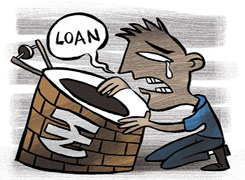
Dear sir, My monthly income is 1.5Lacs Monthly Expenses: 2.5 Lacs Borrowed money from Market 80Lacs How can get rid of this debt plz advise me Thank you Mohammed Majeed
Ans: Dear Mohammed,

Handling your debt effectively and improving your financial health requires a strategic approach. Here are some steps you can take to manage and eventually eliminate your debt.

Assess Your Current Financial Situation
Monthly Income and Expenses: You have a monthly income of Rs 1.5 lakhs and expenses of Rs 2.5 lakhs. This results in a deficit of Rs 1 lakh per month.

Borrowed Money: You have borrowed Rs 80 lakhs from the market. This is a significant amount and needs careful planning to repay.

Create a Detailed Budget
Track Expenses: Note down all your expenses, categorize them, and identify non-essential items.

Cut Down Costs: Focus on reducing discretionary spending. Prioritize needs over wants.

Increase Income Streams
Additional Work: Look for part-time or freelance opportunities to boost your income.

Utilize Skills: Use your skills to offer consulting or other services.

Debt Repayment Strategy
Prioritize High-Interest Debt: Focus on repaying the highest interest debt first. This will reduce the overall interest burden.

Debt Consolidation: Consider consolidating your loans into a single loan with a lower interest rate. This simplifies payments and can reduce interest costs.

Negotiate with Creditors
Interest Rate Reduction: Contact creditors to negotiate lower interest rates or extended repayment terms.

Restructuring Loans: If possible, restructure your loans to make repayment more manageable.

Financial Discipline
Avoid New Debt: Resist taking on new debt until the existing one is under control.

Emergency Fund: Gradually build an emergency fund to avoid relying on debt for unexpected expenses.

Utilize Professional Guidance
Certified Financial Planner: Seek advice from a Certified Financial Planner (CFP). They can provide a personalized plan based on your financial situation.
Regular Review and Adjustment
Monthly Review: Regularly review your budget and repayment plan. Adjust as needed to stay on track.

Final Insights
Commitment: Managing and eliminating debt requires commitment and financial discipline.

Professional Help: Utilize professional guidance to navigate complex financial decisions.

Long-Term View: Focus on long-term financial health, not just immediate relief.

Best Regards,

K. Ramalingam, MBA, CFP,

Chief Financial Planner,

www.holisticinvestment.in

..Read more

Ramalingam

Ramalingam Kalirajan  |10872 Answers  |Ask -

Mutual Funds, Financial Planning Expert - Answered on Sep 04, 2024

Money
Hi sir, I am overwhelmed with debt. I have multiple loans and outstanding credit card balances, and my income is only ?60,000 per month. I don't have any savings, and my total debt is nearly ?10 lakh. I’m struggling to understand how to clear it since my EMIs exceed my income, and no lending partner is willing to offer a balance transfer. I really want to get out of this financial mess
Ans: Your situation is indeed challenging, but it's important to know that there is a way forward. Having a total debt of Rs. 10 lakh with an income of Rs. 60,000 per month can feel overwhelming, especially when your EMIs exceed your income. The first step is to take control of the situation by clearly understanding all your debts, including the interest rates, EMI amounts, and due dates.

Prioritizing Debts for Repayment
List Your Debts: Make a detailed list of all your outstanding loans and credit card balances. Note down the interest rates, EMI amounts, and due dates for each debt.

Identify High-Interest Debts: Credit card balances typically have the highest interest rates. These should be your priority as they accumulate the most interest over time.

Focus on Clearing High-Interest Debt: Allocate any extra money towards the debt with the highest interest rate. Even a small extra payment can reduce the total interest you'll pay.

Evaluating Your Monthly Budget
Review Your Expenses: Break down your monthly expenses. Identify non-essential expenses that can be reduced or eliminated temporarily. This might involve cutting back on dining out, subscriptions, or other discretionary spending.

Increase Income if Possible: Consider ways to increase your income. This could be through a part-time job, freelancing, or selling items you no longer need. Every bit helps in reducing debt faster.

Automate Savings: Even though you don’t have savings now, start small. Automate a small amount to a savings account each month. This will help create a cushion for emergencies.

Negotiating with Lenders
Communicate with Your Lenders: Don’t hesitate to reach out to your lenders. Explain your situation and request a lower interest rate or extended repayment period. Some lenders may offer hardship programs or be willing to renegotiate terms.

Explore Debt Consolidation: Although you mentioned no lending partner is willing to offer a balance transfer, you might consider a debt consolidation loan from a peer-to-peer lender or credit union. This can lower your overall interest rate and simplify your repayments.

Avoiding New Debt
Stop Using Credit Cards: Until you’re in a better financial position, avoid using credit cards. This prevents adding more debt and helps you focus on paying off existing balances.

Delay Major Purchases: Postpone any major purchases until your debt is under control. Focus on clearing your existing obligations before taking on any new financial commitments.

Creating a Debt Repayment Plan
Debt Snowball Method: If high-interest debts are too overwhelming, consider the debt snowball method. Start by paying off the smallest debt first. Once cleared, move to the next smallest debt. This method can boost your morale as you see debts disappearing.

Debt Avalanche Method: If you can focus on high-interest rates, use the debt avalanche method. Pay off debts with the highest interest rate first. This reduces the total interest paid over time.

Automate Payments: Set up automatic payments for your EMIs. This ensures you never miss a payment and helps avoid late fees and penalties.

Seeking Professional Help
Certified Financial Planner (CFP): Consider consulting a Certified Financial Planner. They can help you develop a personalized plan to manage your debts, improve cash flow, and create a sustainable budget.

Debt Counselling Services: Some non-profit organizations offer debt counselling. They can negotiate with creditors on your behalf and help you set up a repayment plan.

Managing Stress
Focus on Your Health: Financial stress can take a toll on your health. Ensure you are eating well, exercising, and taking time to relax. Managing your stress levels is crucial to making clear decisions.

Stay Positive: Clearing debt is a long journey, but it is achievable. Celebrate small victories along the way, and keep your end goal in mind.

Final Insights
Stick to the Plan: Consistency is key in managing debt. Stick to your repayment plan, even if progress feels slow. Over time, your efforts will pay off.

Plan for the Future: Once your debt is under control, start building an emergency fund. This will prevent you from falling into debt again in the future.

Avoid Debt Traps: Be cautious of taking on new debt once you’ve cleared your current obligations. Focus on saving and investing instead.

Your situation, though difficult, is not without hope. By taking these steps and remaining disciplined, you can gradually clear your debt and regain financial stability.

Best Regards,

K. Ramalingam, MBA, CFP

Chief Financial Planner

www.holisticinvestment.in

..Read more

Latest Questions
Ramalingam

Ramalingam Kalirajan  |10872 Answers  |Ask -

Mutual Funds, Financial Planning Expert - Answered on Dec 06, 2025
Asked by Anonymous - Dec 06, 2025Hindi
Money
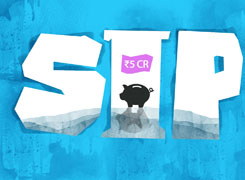
Dear Sir/Ma'am, I need some guidance and advice for continuing my mutual fund investments. I am a 36 year old male, married, no kids yet and no debts/liabilities as such. I have couple of savings in PPF, NPS, Emergency funds and long term investing in direct stocks. I recently started below mentioned SIPs for long term to grow wealth. Request you to review the same and let me know if I should continue with the SIPs or need to rationalize. Kindly also advice on how to invest a lumpsum amount of around 6lacs. invesco small cap 2000 motilal oswal midcap 2700 parag parikh flexicap 3000 HDFC flexicap 3100 ICICI prudential largecap 3100 HDFC large and midcap 3100 HDFC gold etf FOF 2000 ICICI Pru equity and debt fund 3000 HDFC balanced advantage fund 3000 nippon india silver etf FOF 2000
Ans: You already built a solid foundation. Many investors delay planning. But you started early at 36. That gives you a strong advantage. You have no liabilities. You have long term thinking. You also have diversified savings like PPF, NPS, Emergency funds and direct stocks. That shows clarity and discipline. This approach builds wealth with less stress over time.

You also started systematic investments in equity funds. That is a positive step. Your selection covers multiple categories like large cap, mid cap, small cap, flexi cap, hybrid and precious metals. So the intent is right. You are trying to create a broad portfolio. That gives balance.

» Your Portfolio Composition Understanding
Your current SIP list includes:

Small cap

Mid cap

Flexi cap

Large cap

Large and mid cap

Hybrid category

Gold and Silver FoF

Equity and Debt allocation fund

Dynamic hybrid fund

This shows you are trying to cover many segments. But too many categories can create overlap. When there is overlap, you get confusion during review. It also makes portfolio discipline difficult. You may think you are diversified. But the holdings inside may repeat. That reduces efficiency.

Your portfolio now looks like:

Equity dominant

Hybrid for stability

Metals for hedge

So the broad direction is fine. But simplifying helps in long-term habit building.

» Fund Category Duplication
You hold:

Two flexi cap funds

One large and mid cap fund

One pure large cap fund

One mid cap fund

One small cap fund

Flexi cap funds already invest across large, mid, small. Then large and mid also overlaps. So the large cap exposure gets repeated. That may not add extra benefit. But it increases monitoring complexity.

So I suggest rationalising. Keep one fund per category in core. Keep satellite space for only high conviction.

» Core and Satellite Strategy
A structured portfolio follows core and satellite method.

Core portfolio should be:

Simple

Long term

Stable

Satellite portfolio can be:

High growth

Concentrated

Based on your thinking level, you can structure like this:

Core funds:

One large cap

One flexi cap

One hybrid equity and debt fund

One balanced advantage type fund

Satellite funds:

One mid cap

One small cap

One metal allocation if needed

This division gives clarity. You can continue SIPs with review every year. No need to stop and restart often. That reduces behavioural mistakes.

» Your Current SIP List Review with Suggested Streamlining

You can consider continuing:

One flexi cap

One large cap

One mid cap

One small cap

One balanced advantage

One equity and debt hybrid

You may reconsider keeping both flexi caps and both gold silver funds. One of each category is enough. Because too many funds do not increase returns. It complicates tracking.

Precious metal funds should not be more than 5 to 7 percent in your portfolio. This is because metals are hedge assets. They do not create compounding like equity. They act as protection during cycles. So keep them small.

» How to Use the Rs 6 Lakh Lump Sum
You asked about lump sum investing. This is important. Lump sum should not go fully into equity at one time. Markets move in cycles. So use a staggered method. You can invest the lump sum through STP (Systematic Transfer Plan). You can keep the amount in a liquid fund and set STP toward your chosen growth funds over 6 to 12 months.

This reduces timing risk. It also creates discipline. So your Rs 6 lakh can be deployed gradually. You may use 50% towards core equity funds and 30% toward satellite growth category. The remaining 20% can go into hybrid category. This gives balance and comfort.

» Regular Funds Over Direct Funds
One important point many investors miss. Direct funds look cheaper. But they demand deep knowledge, discipline, and behaviour control. Most investors lose more through emotional selling and wrong timing than they save on expense ratio.

With regular funds through a Mutual Fund Distributor with Certified Financial Planner qualification, you get guidance, structure and correction. The advisory discipline protects you during market extremes. That is more valuable than a small saving in expense ratio.

A personalised planner also tracks portfolio drift, rebalancing need and category shifts. So regular fund investing gives long-term benefit and behaviour coaching.

» Actively Managed Funds over Index or ETF
Some investors choose index funds or ETF thinking they are simple and cheap. But they ignore drawbacks.

Index funds or ETF will not avoid weak companies in the index. They will invest whether the company grows or struggles. There is no fund manager decision making. So when markets are at peak, index funds continue aggressive exposure. In downturns also they fall fully. There is no cushion.

Actively managed funds work with research teams. They can avoid bad sectors. They can shift allocation based on market and economy. Over long term, this gives better alpha and stability. So continuing with actively managed funds creates better wealth compounding.

» SIP Continuation Strategy
Once the rationalisation is done, continue SIPs every month without interruption. Pause and restart behaviour damages compounding power. SIP works best when you go through all market cycles. You benefit more during corrections because cost averaging works.

So continue SIP amount. You can also review SIP increase every year based on income. Increasing SIP by 10 to 15 percent every year helps you reach large corpus faster.

» Asset Allocation Based Approach
One key point in wealth creation is having the right asset mix. Equity gives growth. Hybrid gives balance. Metals give hedge. Debt gives safety. Your asset allocation should stay aligned to your risk profile and time horizon.

Since you are young and have long term horizon, higher equity allocation is fine. But as time moves, rebalancing is important. Rebalancing protects gains and restores allocation.

So review your asset allocation every year or during major life events like child birth, home buying or retirement planning.

» Behaviour Management
Many portfolios fail not due to bad funds. They fail due to bad decisions. Selling during correction. Stopping SIP when market falls. Chasing past return performance. These mistakes reduce wealth.

Your discipline so far is good. Continue to stay patient during volatility. Equity rewards patience and time.

» Financial Goals Clarity
Since you have no children now, you can decide your long-term goals. Typical goals may include:

Retirement

Future child education

Dream lifestyle purchase

Health care reserves

When goals are clear, investment purpose becomes stronger. So you can map each fund category to goal horizon. Short-term goals should not use equity. Long-term goals should use equity with hybrid support.

» Role of Review and Monitoring
Review once in a year is enough. Frequent review can create anxiety. Annual review helps check:

Fund performance

Expense drift

Category relevance

Allocation balance

Then adjust only if needed. This progress helps you stay confident and aligned.

» Taxation Awareness
Equity mutual funds taxation rules are:

Short term (below one year holding) taxable at 20 percent

Long term (above one year holding) gains above Rs 1.25 lakh taxable at 12.5 percent

Debt mutual funds are taxed as per your income slab.

So always hold equity funds for long term. That reduces tax impact and gives better growth.

» SIP Increase Plan
You can create a simple plan to increase SIP over time. For example:

Increase SIP at every salary increment

Increase SIP during bonus time

Use rewards or extra income for investing

This habit accelerates wealth. So by the time you reach 45 to 50 years, your investments could reach a strong level.

» Insurance and Protection
Before investing large, ensure you have term insurance and health insurance. If not already done, it is important. Insurance protects wealth. Without insurance, even a small medical event can impact investment plan. So review this part also. Since you are married, cover both.

» Wealth Behaviour Mindset
You are already disciplined. Just keep these simple principles:

Invest without stopping

Review once a year

Avoid funds overlap

Follow asset allocation

Avoid reacting to media noise

This helps you reach long term milestones.

» Finally
You are on the right track. Only fine tuning and simplification is needed. Your discipline is visible. Your portfolio will grow well with structure, patience and periodic review. Use the Rs 6 lakh with STP approach. And continue SIP with rationalised categories.

With time and consistency, wealth creation becomes effortless and peaceful. You just need to stay committed and avoid overthinking during market movements.

Best Regards,
K. Ramalingam, MBA, CFP,

Chief Financial Planner,

www.holisticinvestment.in

https://www.youtube.com/@HolisticInvestment

...Read more

Dr Dipankar

Dr Dipankar Dutta  |1837 Answers  |Ask -

Tech Careers and Skill Development Expert - Answered on Dec 05, 2025

Career
Dear Sir, I did my BTech from a normal engineering college not very famous. The teaching was not great and hence i did not study well. I tried my best to learn coding including all the technologies like html,css,javascript,react js,dba,php because i wanted to be a web developer But nothing seem to enter my head except html and css. I don't understand a language which has more complexities. Is it because of my lack of experience or not devoting enough time. I am not sure. I did many courses online and tried to do diplomas also abroad which i passed somehow. I recently joined android development course because i like apps but the teaching was so fast that i could not memorize anything. There was no time to even take notes down. During the course i did assignments and understood the code because i have to pass but after the course is over i tend to forget everything. I attempted a lot of interviews. Some of them i even got but could not perform well so they let me go. Now due to the AI booming and job markets in a bad shape i am re-thinking whether to keep studying or whether its just time waste. Since 3 years i am doing labour type of jobs which does not yield anything to me for survival and to pay my expenses. I have the quest to learn everything but as soon as i sit in front of the computer i listen to music or read something else. What should i do to stay more focused? What should i do to make myself believe confident. Is there still scope of IT in todays world? Kindly advise.
Ans: Your story does not show failure.
It shows persistence, effort, and desire to improve.

Most people give up.
You didn’t.
That means you will succeed — but with the right method, not the old one.

...Read more

DISCLAIMER: The content of this post by the expert is the personal view of the rediffGURU. Investment in securities market are subject to market risks. Read all the related document carefully before investing. The securities quoted are for illustration only and are not recommendatory. Users are advised to pursue the information provided by the rediffGURU only as a source of information and as a point of reference and to rely on their own judgement when making a decision. RediffGURUS is an intermediary as per India's Information Technology Act.

Close  

You haven't logged in yet. To ask a question, Please Log in below
Login

A verification OTP will be sent to this
Mobile Number / Email

Enter OTP
A 6 digit code has been sent to

Resend OTP in120seconds

Dear User, You have not registered yet. Please register by filling the fields below to get expert answers from our Gurus
Sign up

By signing up, you agree to our
Terms & Conditions and Privacy Policy

Already have an account?

Enter OTP
A 6 digit code has been sent to Mobile

Resend OTP in120seconds

x