Need Expert Advice?Our Gurus Can Help

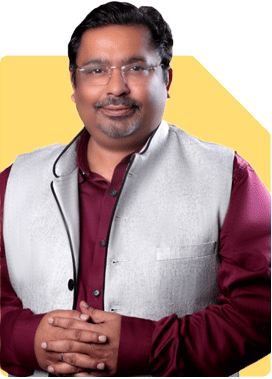
Ramalingam Kalirajan |10872 Answers |Ask -Follow
Mutual Funds, Financial Planning Expert - Answered on Aug 04, 2025
Ramalingam Kalirajan has over 23 years of experience in mutual funds and financial planning.
He has an MBA in finance from the University of Madras and is a certified financial planner.
He is the director and chief financial planner at Holistic Investment, a Chennai-based firm that offers financial planning and wealth management advice.... more
He has an MBA in finance from the University of Madras and is a certified financial planner.
He is the director and chief financial planner at Holistic Investment, a Chennai-based firm that offers financial planning and wealth management advice.... more
Asked by Anonymous - Jul 12, 2025Hindi

I want to invest at least fifteen thousand per month through SIP. Where should I invest it? I am a PSU employee and still have sixteen years of service left. Including PF and VPF, I currently have sixty lakhs saved.
Ans: Your commitment to monthly investing is inspiring. With 16 years left in service, you have time on your side. This gives enough room to build strong financial wealth. You are already on the right path with your savings in PF and VPF. Let us now help you make the best use of your Rs.15,000 SIP.
» Understand Your Investment Timeline and Risk Level
– You have 16 years left for retirement.
– This is a long-term horizon with compounding power.
– SIPs work well over long durations.
– Since your job is stable, you can handle some risk.
– So, equity mutual funds should form the core.
» Why Mutual Funds Suit You Best
– Mutual funds give better returns than PF or VPF.
– They offer growth and liquidity both.
– They are managed by expert fund managers.
– You get flexibility to change fund or amount anytime.
– Start with Rs.15,000 SIP in diversified mutual funds.
» Avoid Index Funds for Long-Term Wealth
– Index funds only copy the market trend.
– They don’t protect in falling markets.
– They have no fund manager support.
– Active funds perform better in most market phases.
– You need consistency, not just low cost.
» Avoid Direct Plans If You Want Better Monitoring
– Direct plans are cheaper but lack guidance.
– There is no expert to review or alert.
– Wrong fund selection leads to losses.
– Regular plans through MFD with CFP give support.
– You get advice, discipline and emotional control.
» Break SIP Into Three Mutual Fund Buckets
– Use three fund types to spread risk.
– Equity, hybrid and international diversification can help.
– Equity funds offer high returns in long term.
– Hybrid funds give stability with some growth.
– Consider small portion in international fund too.
» SIP Allocation Suggestion
– Rs.7,000 into large-cap and flexi-cap mutual funds.
– Rs.5,000 into hybrid aggressive or balanced advantage fund.
– Rs.3,000 into international equity or mid-cap fund.
– This gives balance and growth together.
» Review Mutual Fund SIPs Every Year
– Don’t keep same fund for 16 years blindly.
– Check each fund once a year.
– Continue if it beats benchmark and category.
– Replace if fund performance drops continuously.
– Stay with regular plans to get expert review.
» Mutual Funds Are Liquid, But Don’t Withdraw Often
– SIPs build wealth slowly and steadily.
– Don't withdraw mid-way for small goals.
– Let money grow without disturbance.
– Use other sources for short-term expenses.
» Continue Your PF and VPF
– You already have Rs.60 lakh in PF and VPF.
– These are safe and useful at retirement.
– But returns are slow and taxable beyond limit.
– Don’t rely only on PF for retirement.
– Mutual funds balance your overall portfolio.
» Avoid Real Estate as Investment Option
– Real estate has high cost and low liquidity.
– You cannot sell part of it during emergency.
– There is legal, maintenance and tax burden too.
– Mutual funds are flexible and cleaner to manage.
» Keep Emergency Fund Separate
– Create Rs.2–3 lakh liquid fund for emergency.
– Keep it outside SIP plan.
– Don’t invest emergency money in equity.
– Use it only for medical or job-related needs.
» Use SIPs for Long-Term Goals
– Plan SIP for retirement after 16 years.
– Also think of child’s education if applicable.
– Allocate separate SIPs for different goals.
– Label each SIP folio as per goal.
– This builds discipline and prevents confusion.
» Understand Mutual Fund Tax Rules
– If you sell equity funds after one year:
– LTCG above Rs.1.25 lakh taxed at 12.5%.
– If sold before one year: STCG taxed at 20%.
– For debt or hybrid funds, tax as per income slab.
– Plan redemptions smartly to reduce taxes.
» Consider SIP Top-Up Every Year
– Start SIP at Rs.15,000 now.
– Increase it by Rs.2,000 every year.
– Salary grows, so SIP should grow too.
– This small top-up gives big long-term impact.
» Don’t Stop SIP in Market Fall
– Markets will go up and down.
– Many stop SIPs when markets fall.
– This is the worst move.
– Continue SIP to get more units at low price.
– Stay invested, returns will follow.
» Avoid Mixing Investment with Insurance
– If you have LIC, ULIP, or endowment policy:
– Check returns carefully.
– Most give only 4–5% yearly.
– These are not wealth builders.
– Consider surrendering and reinvest in mutual funds.
» Review Goals with Certified Financial Planner
– CFP gives you professional and unbiased support.
– They check your goals, SIPs and fund selection.
– You get 360-degree personalised financial plan.
– Don’t rely on guesswork or friends’ advice.
– Certified approach works better for future wealth.
» Start SIP Through MFD With CFP Backing
– MFD channels provide regular plan with human advice.
– You get tracking, suggestions and discipline.
– This works better than apps and DIY platforms.
– Regular plan cost is worth the benefits.
– Guidance matters more than saving few rupees.
» Avoid Over-Diversifying Funds
– Too many funds create confusion.
– 3–4 funds are enough for Rs.15,000 SIP.
– Stay in each fund for 5–7 years minimum.
– Don’t chase latest trending funds.
– Stick with quality, not quantity.
» Don’t Invest Full SIP in Sector Funds
– Sector funds are risky and timing-based.
– They give returns only in short burst.
– Avoid them for long-term SIP.
– Stick with diversified and balanced funds.
– This gives steady long-term result.
» Also Build Non-Financial Discipline
– SIP is not just financial habit.
– It builds patience and focus.
– Don’t skip SIP for small spends.
– Make investing your top monthly priority.
» Tax-Saving Option Using SIP
– Use part of SIP in ELSS fund for tax saving.
– It has 3-year lock-in period.
– Gives tax benefit under 80C.
– Combine growth and tax saving in one step.
» Don’t Use SIP for Short-Term Goals
– SIP in equity should be 5 years or more.
– For short goals, use RD or liquid funds.
– Don’t pull out SIP in 1–2 years.
– Give time for growth to happen.
» Finally
– You are financially aware and goal focused.
– Rs.15,000 SIP with 16 years is powerful start.
– Avoid index and direct plans.
– Avoid real estate and gold investment now.
– Build mutual fund mix with active fund strategy.
– Review and improve plan yearly with certified help.
– Discipline and patience will lead to success.
– Your future wealth is built step-by-step with SIPs.
Best Regards,
K. Ramalingam, MBA, CFP,
Chief Financial Planner,
www.holisticinvestment.in
https://www.youtube.com/@HolisticInvestment
» Understand Your Investment Timeline and Risk Level
– You have 16 years left for retirement.
– This is a long-term horizon with compounding power.
– SIPs work well over long durations.
– Since your job is stable, you can handle some risk.
– So, equity mutual funds should form the core.
» Why Mutual Funds Suit You Best
– Mutual funds give better returns than PF or VPF.
– They offer growth and liquidity both.
– They are managed by expert fund managers.
– You get flexibility to change fund or amount anytime.
– Start with Rs.15,000 SIP in diversified mutual funds.
» Avoid Index Funds for Long-Term Wealth
– Index funds only copy the market trend.
– They don’t protect in falling markets.
– They have no fund manager support.
– Active funds perform better in most market phases.
– You need consistency, not just low cost.
» Avoid Direct Plans If You Want Better Monitoring
– Direct plans are cheaper but lack guidance.
– There is no expert to review or alert.
– Wrong fund selection leads to losses.
– Regular plans through MFD with CFP give support.
– You get advice, discipline and emotional control.
» Break SIP Into Three Mutual Fund Buckets
– Use three fund types to spread risk.
– Equity, hybrid and international diversification can help.
– Equity funds offer high returns in long term.
– Hybrid funds give stability with some growth.
– Consider small portion in international fund too.
» SIP Allocation Suggestion
– Rs.7,000 into large-cap and flexi-cap mutual funds.
– Rs.5,000 into hybrid aggressive or balanced advantage fund.
– Rs.3,000 into international equity or mid-cap fund.
– This gives balance and growth together.
» Review Mutual Fund SIPs Every Year
– Don’t keep same fund for 16 years blindly.
– Check each fund once a year.
– Continue if it beats benchmark and category.
– Replace if fund performance drops continuously.
– Stay with regular plans to get expert review.
» Mutual Funds Are Liquid, But Don’t Withdraw Often
– SIPs build wealth slowly and steadily.
– Don't withdraw mid-way for small goals.
– Let money grow without disturbance.
– Use other sources for short-term expenses.
» Continue Your PF and VPF
– You already have Rs.60 lakh in PF and VPF.
– These are safe and useful at retirement.
– But returns are slow and taxable beyond limit.
– Don’t rely only on PF for retirement.
– Mutual funds balance your overall portfolio.
» Avoid Real Estate as Investment Option
– Real estate has high cost and low liquidity.
– You cannot sell part of it during emergency.
– There is legal, maintenance and tax burden too.
– Mutual funds are flexible and cleaner to manage.
» Keep Emergency Fund Separate
– Create Rs.2–3 lakh liquid fund for emergency.
– Keep it outside SIP plan.
– Don’t invest emergency money in equity.
– Use it only for medical or job-related needs.
» Use SIPs for Long-Term Goals
– Plan SIP for retirement after 16 years.
– Also think of child’s education if applicable.
– Allocate separate SIPs for different goals.
– Label each SIP folio as per goal.
– This builds discipline and prevents confusion.
» Understand Mutual Fund Tax Rules
– If you sell equity funds after one year:
– LTCG above Rs.1.25 lakh taxed at 12.5%.
– If sold before one year: STCG taxed at 20%.
– For debt or hybrid funds, tax as per income slab.
– Plan redemptions smartly to reduce taxes.
» Consider SIP Top-Up Every Year
– Start SIP at Rs.15,000 now.
– Increase it by Rs.2,000 every year.
– Salary grows, so SIP should grow too.
– This small top-up gives big long-term impact.
» Don’t Stop SIP in Market Fall
– Markets will go up and down.
– Many stop SIPs when markets fall.
– This is the worst move.
– Continue SIP to get more units at low price.
– Stay invested, returns will follow.
» Avoid Mixing Investment with Insurance
– If you have LIC, ULIP, or endowment policy:
– Check returns carefully.
– Most give only 4–5% yearly.
– These are not wealth builders.
– Consider surrendering and reinvest in mutual funds.
» Review Goals with Certified Financial Planner
– CFP gives you professional and unbiased support.
– They check your goals, SIPs and fund selection.
– You get 360-degree personalised financial plan.
– Don’t rely on guesswork or friends’ advice.
– Certified approach works better for future wealth.
» Start SIP Through MFD With CFP Backing
– MFD channels provide regular plan with human advice.
– You get tracking, suggestions and discipline.
– This works better than apps and DIY platforms.
– Regular plan cost is worth the benefits.
– Guidance matters more than saving few rupees.
» Avoid Over-Diversifying Funds
– Too many funds create confusion.
– 3–4 funds are enough for Rs.15,000 SIP.
– Stay in each fund for 5–7 years minimum.
– Don’t chase latest trending funds.
– Stick with quality, not quantity.
» Don’t Invest Full SIP in Sector Funds
– Sector funds are risky and timing-based.
– They give returns only in short burst.
– Avoid them for long-term SIP.
– Stick with diversified and balanced funds.
– This gives steady long-term result.
» Also Build Non-Financial Discipline
– SIP is not just financial habit.
– It builds patience and focus.
– Don’t skip SIP for small spends.
– Make investing your top monthly priority.
» Tax-Saving Option Using SIP
– Use part of SIP in ELSS fund for tax saving.
– It has 3-year lock-in period.
– Gives tax benefit under 80C.
– Combine growth and tax saving in one step.
» Don’t Use SIP for Short-Term Goals
– SIP in equity should be 5 years or more.
– For short goals, use RD or liquid funds.
– Don’t pull out SIP in 1–2 years.
– Give time for growth to happen.
» Finally
– You are financially aware and goal focused.
– Rs.15,000 SIP with 16 years is powerful start.
– Avoid index and direct plans.
– Avoid real estate and gold investment now.
– Build mutual fund mix with active fund strategy.
– Review and improve plan yearly with certified help.
– Discipline and patience will lead to success.
– Your future wealth is built step-by-step with SIPs.
Best Regards,
K. Ramalingam, MBA, CFP,
Chief Financial Planner,
www.holisticinvestment.in
https://www.youtube.com/@HolisticInvestment
DISCLAIMER: The content of this post by the expert is the personal view of the rediffGURU. Users are advised to pursue the information provided by the rediffGURU only as a source of information to be as a point of reference and to rely on their own judgement when making a decision.
MoneyReply


You may like to see similar questions and answers below
Omkeshwar Singh | Answer |Ask -Follow
Head, Rank MF - Answered on Jan 30, 2020


Ramalingam Kalirajan |10872 Answers |Ask -Follow
Mutual Funds, Financial Planning Expert - Answered on Apr 17, 2024

Ramalingam Kalirajan |10872 Answers |Ask -Follow
Mutual Funds, Financial Planning Expert - Answered on Apr 30, 2024
Ramalingam Kalirajan |10872 Answers |Ask -Follow
Mutual Funds, Financial Planning Expert - Answered on Apr 30, 2024

Ramalingam Kalirajan |10872 Answers |Ask -Follow
Mutual Funds, Financial Planning Expert - Answered on May 20, 2024

Latest Questions

Radheshyam Zanwar |6735 Answers |Ask -Follow
MHT-CET, IIT-JEE, NEET-UG Expert - Answered on Dec 06, 2025



Dr Nagarajan J S K |2576 Answers |Ask -Follow
NEET, Medical, Pharmacy Careers - Answered on Dec 06, 2025



Mihir Tanna |1090 Answers |Ask -Follow
Tax Expert - Answered on Dec 06, 2025
Asked by Anonymous - Dec 04, 2025Hindi

Ramalingam Kalirajan |10872 Answers |Ask -Follow
Mutual Funds, Financial Planning Expert - Answered on Dec 06, 2025

Radheshyam Zanwar |6735 Answers |Ask -Follow
MHT-CET, IIT-JEE, NEET-UG Expert - Answered on Dec 06, 2025

Radheshyam Zanwar |6735 Answers |Ask -Follow
MHT-CET, IIT-JEE, NEET-UG Expert - Answered on Dec 06, 2025

Radheshyam Zanwar |6735 Answers |Ask -Follow
MHT-CET, IIT-JEE, NEET-UG Expert - Answered on Dec 06, 2025



Dr Dipankar Dutta |1837 Answers |Ask -Follow
Tech Careers and Skill Development Expert - Answered on Dec 05, 2025



Dr Shyam Jamalabad |108 Answers |Ask -Follow
Dentist - Answered on Dec 05, 2025


Dr Shyam Jamalabad |108 Answers |Ask -Follow
Dentist - Answered on Dec 05, 2025