Need Expert Advice?Our Gurus Can Help
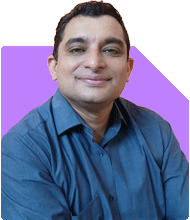
Ramalingam

Ramalingam Kalirajan  |11497 Answers  |Ask -

Mutual Funds, Financial Planning Expert - Answered on Oct 21, 2026

Ramalingam Kalirajan has over 26 years of experience in MF distribution and wealth management. He holds an MBA in Finance from the University of Madras and is a CFP (Certified Financial Planner) credentialed professional. He is the Director of Holistic Investment, a Chennai-based AMFI-registered Mutual Fund Distribution (ARN-4188) and APMI-registered PMS Distribution firm (APRN07386), helping clients build long-term wealth through mutual funds and other investment solutions.... more
Asked by Anonymous - Oct 18, 2026
Money

I invest ₹2,000 monthly in Parag Parikh Flexi Cap, SBI Midcap, Axis Small Cap, and Nippon India Multi Asset Allocation Fund, with a 5% annual SIP step-up. Is this portfolio suitable for 25 years?

Ans: Your approach of investing regularly for 25 years and increasing your SIP by 5% annually is a good start towards long-term wealth creation.

However, portfolio suitability depends on your age, financial goals, risk-taking ability and the amount of equity exposure you can handle during market falls.

» Review of Your Fund Categories

– Flexi Cap Fund: Provides exposure to large, mid and small-cap companies. It can serve as a core equity holding for long-term wealth creation.

– Mid Cap Fund: Offers growth potential but can experience sharp falls during market corrections. It is suitable only if you can remain invested through difficult periods.

– Small Cap Fund: Carries higher volatility and business-related risks. Keep its allocation at a level you can comfortably hold during market downturns.

– Multi Asset Allocation Fund: Invests across asset classes such as equity, debt and gold, depending on its strategy. It can add diversification, but its actual risk depends on the allocation.

» Is This Portfolio Suitable for 25 Years?

The portfolio can be suitable for a 25-year goal, provided you have a high risk appetite and can tolerate temporary losses.

However, there are three points to review:

– You have three funds with equity exposure, including mid-cap and small-cap exposure. This can make your portfolio volatile.

– Different funds may hold some of the same companies. Four funds do not automatically mean proper diversification.

– The multi-asset fund adds a different asset allocation approach, but its actual diversification depends on how much it invests in equity, debt and gold.

» My Suggestions

– Continue disciplined SIP investing, provided your emergency fund and essential insurance needs are in place.

– Review the actual allocation across all four funds instead of focusing only on the number of schemes.

– Do not increase mid-cap and small-cap exposure just because your investment horizon is long. Your ability to handle risk matters equally.

– Review the portfolio once a year. Avoid frequent switching based on short-term returns or market news.

– As you approach your goal, gradually reduce risk so that a major market fall does not affect money needed soon.

» Importance of Your 5% Annual SIP Step-Up

Increasing your SIP by 5% every year is a useful habit. It helps your investments grow along with your income.

If your income rises faster, consider increasing the SIP further, provided you can still meet your regular expenses and other financial goals.

» Final Insights

Your portfolio has a reasonable starting structure for long-term investing. The main question is whether the combined risk is suitable for you, not whether all four funds are good individually.

As an Investment professional and AMFI-Registered MFD, I would assess your age, target corpus, existing investments and risk tolerance before suggesting any changes.

Please share your current age and the purpose of this 25-year investment — retirement, children's education, or general wealth creation. This will help assess whether your current fund mix is suitable.

Best Regards,

K. Ramalingam, MBA, CFP,

AMFI-Registered MFD – ARN 4188

www.holisticinvestment.in

https://www.linkedin.com/in/ramalingamcfp/
DISCLAIMER: The content of this post by the expert is the personal view of the rediffGURU. Users are advised to pursue the information provided by the rediffGURU only as a source of information to be as a point of reference and to rely on their own judgement when making a decision.
Money

You may like to see similar questions and answers below

Ramalingam

Ramalingam Kalirajan  |11497 Answers  |Ask -

Mutual Funds, Financial Planning Expert - Answered on May 06, 2024

Asked by Anonymous - May 01, 2024Hindi
Listen
Money
I am 25 ..I have started SIP of 17000 per month in the following funds - 4000 in HDFC index S and P BSE sensex fund 4000 in paragh parikh flexi cap 3400 - kotak equity opportunities fund 2600 - quant small cap fund 3000 - nippon india small cap I want to remain invested for atleast 30 years from now..Is my portfolio ok or any changes is to be done? kindly suggest your valuable opinion.
Ans: It's great to see you taking proactive steps towards investing at such a young age. Let's review your portfolio and see if any adjustments are needed for your long-term financial goals:

Diversification:
Your portfolio consists of a mix of large-cap, flexi-cap, and small-cap funds, which provides diversification across different segments of the market.
This diversified approach can help mitigate risk and capture growth opportunities across various market conditions.
Long-Term Horizon:
With a investment horizon of at least 30 years, you have a significant advantage of benefiting from the power of compounding and weathering market fluctuations.
It's essential to stay invested for the long term and avoid reacting to short-term market volatility, as this can hinder the growth potential of your investments.
Reviewing Fund Selection:
Consider reviewing the performance and consistency of the funds in your portfolio periodically to ensure they continue to align with your investment objectives.
Keep an eye on the fund managers' track record, expense ratios, and portfolio composition to assess if any changes are warranted.
Asset Allocation:
While your current allocation seems well-diversified, you may want to consider increasing exposure to mid-cap or multi-cap funds over time to potentially enhance returns.
However, ensure you maintain a balanced approach and avoid overconcentration in any particular sector or asset class.
Regular Monitoring:
Stay updated with market trends, economic indicators, and fund performance to make informed decisions about your investments.
Rebalance your portfolio periodically to realign with your risk tolerance and investment goals, especially as you progress towards your long-term objectives.
Overall, your portfolio appears well-structured for long-term wealth accumulation. Keep up the discipline of regular investing and stay focused on your financial goals. Consider consulting with a financial advisor for personalized guidance tailored to your specific needs and aspirations.

..Read more

Ramalingam

Ramalingam Kalirajan  |11497 Answers  |Ask -

Mutual Funds, Financial Planning Expert - Answered on Jun 17, 2024

Asked by Anonymous - Jun 16, 2024Hindi
Money
I am 38 and currently investing in four funds through SIP of Rs 8000 each in these funds: Quant flexi cap fund, ICICI Prudential Midcap 250 fund, Parag Parikh Flexi cap fund and UTI Nifty 50 index. I want to invest for next six years through regular SIPs & additionally by some more units on dips. After 6 years I will stop SIPs and keep the accumulated funds with me for next 4 years as I fear I might lose my job by then. Are these funds alright considering my age, duration etc. or would you can suggest any additions/modifications? What much returns can I expect with this portfolio?
Ans: Understanding Your Current Portfolio

You are currently investing Rs 8,000 each in four funds through SIPs: Quant Flexi Cap Fund, ICICI Prudential Midcap 250 Fund, Parag Parikh Flexi Cap Fund, and UTI Nifty 50 Index. Your goal is to invest for the next six years, then hold the accumulated funds for another four years due to potential job loss concerns.

Compliments and Empathy

Your disciplined approach to SIPs and planning ahead for potential job loss shows great foresight and responsibility. You have chosen a diverse mix of funds, indicating a good understanding of investment principles. Let's evaluate and refine your strategy for optimal results.

Evaluating Your Current Funds

Quant Flexi Cap Fund: This fund offers flexibility by investing across market capitalizations. It provides diversification and growth potential. Flexi cap funds can adapt to market conditions, which is beneficial for long-term growth.

ICICI Prudential Midcap 250 Fund: Midcap funds invest in medium-sized companies with growth potential. They can offer higher returns than large-cap funds but come with higher risk. Given your investment horizon, this is a reasonable choice.

Parag Parikh Flexi Cap Fund: This fund also offers flexibility and is known for its value-oriented approach. It invests in both domestic and international equities, providing geographical diversification.

UTI Nifty 50 Index Fund: While index funds have low costs, they mirror the market's performance. They lack the potential to outperform the market, unlike actively managed funds. For a well-rounded portfolio, actively managed funds might be preferable.

Considerations for Portfolio Modifications

Diversification: Your portfolio is diversified across market caps and geographies, which is good. However, having two flexi cap funds might lead to overlapping investments. Consider replacing one with a different category.

Risk Management: Given the potential job loss concern, consider adding a balanced or hybrid fund. These funds invest in both equities and debt, providing growth with reduced volatility.

Long-Term Growth: Actively managed funds can outperform index funds over time due to professional management. Consider replacing the UTI Nifty 50 Index Fund with an actively managed large-cap or multi-cap fund.

Adding Stability with Hybrid Funds

Hybrid funds offer a mix of equity and debt, providing growth potential with lower risk. They are suitable for medium-term goals and can provide stability if market conditions turn unfavorable.

Regular SIPs and Lump Sum Investments

Continuing with regular SIPs is a sound strategy. Additionally, investing lump sums during market dips can enhance returns. Ensure you have a systematic approach to these lump sum investments to avoid market timing risks.

Expected Returns

Estimating returns involves various factors like market conditions, fund performance, and economic scenarios. Historically, equity mutual funds have delivered around 12-15% annual returns over the long term. However, this can vary, and it's important to have realistic expectations.

Planning for Post-Investment Period

After stopping SIPs in six years, holding the accumulated funds for another four years requires a different strategy. Consider these options:

Debt Funds: Shift a portion of your investments to debt funds for safety and stable returns. Debt funds are less volatile and can provide regular income.

Systematic Withdrawal Plan (SWP): If you need regular income, an SWP can provide periodic withdrawals from your mutual fund investments. It ensures liquidity without liquidating your entire portfolio.

Review and Rebalance: Regularly review your portfolio to ensure it aligns with your risk tolerance and financial goals. Rebalance if needed to maintain the desired asset allocation.

Ensuring Adequate Insurance Coverage

Given the potential job loss, ensure you have adequate life and health insurance coverage. This will protect your family and financial interests during unforeseen circumstances. Term insurance is a cost-effective option for life coverage.

Emergency Fund

Maintain an emergency fund equivalent to 6-12 months of your expenses. This fund will provide a cushion during job loss or other financial emergencies, allowing you to manage without liquidating your investments.

Tax Planning

Consider the tax implications of your investments. Equity mutual funds held for more than one year qualify for long-term capital gains tax at 10% beyond Rs 1 lakh. Efficient tax planning can enhance your net returns.

Maximizing Returns with Professional Guidance

While you have chosen good funds, professional guidance can help optimize your portfolio. A certified financial planner (CFP) can provide personalized advice based on your financial goals, risk tolerance, and investment horizon.

Regular Reviews and Adjustments

Financial markets and personal circumstances change over time. Regularly review your investment portfolio to ensure it remains aligned with your goals. Make adjustments as needed to stay on track.

Final Insights

Your proactive approach to investing and planning for potential job loss is commendable. By evaluating and refining your portfolio, you can achieve your financial goals with greater confidence. Diversifying investments, managing risk, and seeking professional guidance will enhance your financial stability and growth.

Best Regards,

K. Ramalingam, MBA, CFP,

Chief Financial Planner,

www.holisticinvestment.in

..Read more

Ramalingam

Ramalingam Kalirajan  |11497 Answers  |Ask -

Mutual Funds, Financial Planning Expert - Answered on Jul 04, 2024

Money
My investment portfolios through SIP is as under: Axix Mid Cap Fund: 2000 Axix ELSS Tax Saver: 3000 Edelweiss Nifty 100 Quality 30 Index: 5000 Miree Asset Large Cap: 3000 Motilal Oswal Focussed Fund: 3000 Nippon India Tax Saver ELSS: 1500 Nippon India Small Cap: 3000 Nippon India Large Cap: 3000 PGIM India Mid Cap Opportunities Fund: 3000 Quant Small Cap: 3000 UTI Aggressive Hybrid Fund: 2000 HDFC Hybrid Equity Fund: 3500 Kotak Flexi Cap Fund: 5000 ICICI Savings Fund: 3000 SBI Small Cap: 5000 SBI Magnum Constant Maturity Fund: 2000 ABSL Govt. Securities Fund: 3000 Parag Pareikh Flexi Cap Fund: 4000 I want to stay invested for another 10 years with 10% increase in SIP amount every year. I have been investing since 2019. I want to have a corpus of 3 Crore by the end of 2034. Are my portfolios ok or need some changes?
Ans: Your investment portfolio displays commendable diversification across various fund categories, which is essential for effective risk management. Let's dive deeper into the strengths and areas of improvement for your portfolio with a 10-year investment horizon.

Fund Categories
Equity Funds:

Equity funds are crucial for achieving high returns over the long term.
Your portfolio includes Mid Cap, Small Cap, and Large Cap funds, which is excellent for balancing risk and return.
These funds have the potential to outperform others in a growing market but can also exhibit higher volatility.
Hybrid Funds:

Hybrid funds are a mix of equity and debt investments, offering moderate risk and returns.
They are suitable for conservative investors who seek a balance between growth and stability.
Debt Funds:

Debt funds are generally safer than equity funds but provide lower returns.
These funds are good for ensuring stability and generating regular income.
Advantages of Your Portfolio
Diversification:

You have wisely diversified across mid-cap, small-cap, and large-cap funds, which helps spread risk and capture different market segments.
This strategy is beneficial for managing risk and achieving capital appreciation over time.
Tax Benefits:

ELSS (Equity Linked Savings Scheme) funds in your portfolio offer tax deductions under Section 80C of the Income Tax Act.
These funds help you save taxes while simultaneously growing your wealth.
Growth Potential:

Small Cap and Mid Cap funds in your portfolio have high growth potential.
Over a 10-year period, these funds can significantly appreciate in value, contributing to your goal of Rs. 3 Crore.
Balanced Approach:

Including hybrid and debt funds adds a layer of stability to your portfolio.
This ensures you have a safety net during market downturns, protecting your investment from excessive volatility.
Areas for Improvement
Fund Overlap:

Having multiple funds in the same category can lead to overlapping, reducing the overall diversification benefit.
Overlap occurs when different funds hold similar stocks, which can limit the advantages of diversification.
Expense Ratios:

Actively managed funds tend to have higher expense ratios compared to passive funds.
It's crucial to ensure that the performance of these funds justifies the higher costs.
Rebalancing:

Regularly rebalancing your portfolio is essential to maintain your desired asset allocation.
Rebalancing helps lock in profits and manage risks, ensuring your portfolio remains aligned with your financial goals.
Staying Invested for 10 Years
Market Cycles:

Markets go through cycles of highs and lows. Staying invested for 10 years allows you to ride out market volatility.
Long-term investment horizons help smooth out the impact of short-term market fluctuations.
Power of Compounding:

Compounding works best over long periods. Reinforcing your strategy of increasing SIP by 10% yearly enhances the compounding effect.
The longer you stay invested, the more significant the impact of compounding on your returns.
Consistency:

Consistent investments through SIP ensure disciplined investing. SIPs also average out the cost of investment due to rupee cost averaging.
This approach helps mitigate the impact of market volatility by spreading your investments over time.
Disadvantages of Index Funds
Passive Management:

Index funds are passively managed, aiming to replicate market performance rather than outperform it.
They do not benefit from active decision-making by fund managers, which can limit their potential for higher returns.
Lack of Flexibility:

Index funds cannot adjust to market changes quickly. They are bound to follow the index, regardless of market conditions.
This lack of flexibility can be a disadvantage during periods of market turmoil or downturns.
Potential for Lower Returns:

Actively managed funds can outperform the market, whereas index funds are designed to match the market's performance.
The potential for higher returns with actively managed funds justifies their higher fees compared to index funds.
Benefits of Actively Managed Funds
Active Decision-Making:

Fund managers actively select stocks and strategies to outperform the market. They use research, analysis, and market insights to make informed decisions.
This active approach can lead to better returns, especially in volatile or dynamic markets.
Flexibility:

Actively managed funds can adjust their portfolios based on market conditions. Fund managers can capitalize on opportunities and avoid potential pitfalls.
This flexibility is beneficial in responding to changing market environments and economic scenarios.
Higher Potential Returns:

Though they come with higher fees, actively managed funds can deliver higher returns. Fund managers' expertise and active management often justify the costs.
These funds are suitable for investors seeking growth and willing to take on higher risk for potential higher rewards.
Risks and Mitigation
Market Risk:

Equity funds are subject to market volatility. Diversification helps mitigate this risk by spreading investments across different sectors and assets.
A well-diversified portfolio can weather market fluctuations better than a concentrated one.
Credit Risk:

Debt funds carry credit risk if issuers default. Choosing high-quality debt funds minimizes this risk.
Opt for funds with high credit ratings and those investing in government securities or top-rated corporate bonds.
Liquidity Risk:

Some funds may have liquidity issues, especially during market downturns. Ensure a mix of liquid and less liquid assets for flexibility.
Having a portion of your portfolio in liquid assets ensures you can access funds when needed without incurring significant losses.
Recommendations for Portfolio Enhancement
Review Fund Performance:

Regularly review the performance of each fund in your portfolio. Ensure that each fund meets your expectations and aligns with your goals.
Replace underperforming funds with better-performing alternatives to optimize your returns.
Reduce Fund Overlap:

Assess the overlap in your portfolio and consolidate investments where necessary. This will enhance diversification and reduce redundancy.
Focus on selecting top-performing funds within each category rather than holding multiple similar funds.
Increase Allocation to High-Growth Funds:

Consider increasing your allocation to Small Cap and Mid Cap funds, which have higher growth potential over the long term.
Balance this with an adequate allocation to Large Cap and Hybrid funds to manage risk.
Monitor Expense Ratios:

Keep an eye on the expense ratios of your funds. Ensure that the higher costs of actively managed funds are justified by their performance.
Opt for funds with competitive expense ratios without compromising on quality.
Periodic Rebalancing:

Implement a periodic rebalancing strategy to maintain your desired asset allocation. This will help lock in profits and manage risks.
Rebalancing ensures that your portfolio stays aligned with your financial goals and risk tolerance.
Final Insights
Your investment strategy is robust, with a well-balanced mix of equity, hybrid, and debt funds. Increasing SIP amounts yearly by 10% is a smart move to harness the power of compounding. To achieve your Rs. 3 Crore goal, continue monitoring and rebalancing your portfolio. Consider reducing fund overlap and focusing on top-performing funds in each category. Actively managed funds provide an edge over passive index funds due to active decision-making and flexibility. Stay invested, remain consistent, and review your investments periodically.

Mutual Funds: Categories, Advantages, and Risks
Equity Mutual Funds:

Equity mutual funds invest primarily in stocks. They offer the highest potential returns among mutual funds but come with higher risk.
Categories include Large Cap, Mid Cap, and Small Cap funds. Each category has different risk and return profiles.
Hybrid Mutual Funds:

Hybrid mutual funds invest in a mix of equity and debt instruments. They provide a balanced approach to risk and return.
These funds are suitable for investors looking for moderate growth with lower risk compared to pure equity funds.
Debt Mutual Funds:

Debt mutual funds invest in fixed-income securities like bonds and government securities. They are ideal for conservative investors seeking stable returns.
These funds carry lower risk compared to equity funds but offer lower returns.
Advantages of Mutual Funds:

Diversification: Mutual funds provide diversification by investing in a wide range of securities. This reduces risk compared to investing in individual stocks or bonds.
Professional Management: Funds are managed by professional fund managers who use their expertise to make investment decisions.
Liquidity: Mutual funds are highly liquid. Investors can easily buy and sell fund units at the prevailing NAV.
Systematic Investment Plans (SIPs): SIPs allow investors to invest a fixed amount regularly. This promotes disciplined investing and helps in averaging the cost of investment.
Tax Benefits: Certain mutual funds, like ELSS, offer tax benefits under Section 80C of the Income Tax Act.
Risks of Mutual Funds:

Market Risk: The value of mutual fund investments can fluctuate based on market conditions. Equity funds are particularly susceptible to market volatility.
Credit Risk: Debt funds carry the risk of issuers defaulting on their obligations. Opting for funds with high credit ratings can mitigate this risk.
Interest Rate Risk: Changes in interest rates can affect the value of debt fund investments. When interest rates rise, the value of existing bonds typically falls.
Liquidity Risk: Some mutual funds may face liquidity issues, making it difficult to sell holdings without incurring losses.
Power of Compounding:

The power of compounding is a key advantage of mutual fund investments. It refers to earning returns on both the initial principal and the accumulated returns over time.
The longer you stay invested, the greater the compounding effect. This is why long-term investing is essential for maximizing returns.
Disadvantages of Direct Funds
Direct Funds:

Direct mutual funds are those purchased directly from the fund house without involving intermediaries like mutual fund distributors (MFDs).
They have lower expense ratios compared to regular funds because they do not include distributor commissions.
Disadvantages:

Lack of Guidance: Investing in direct funds means you do not get the guidance and expertise of a mutual fund distributor or certified financial planner. This can lead to suboptimal investment choices.
Time-Consuming: Managing and monitoring direct investments require significant time and effort. Not all investors have the knowledge or time to do this effectively.
Risk of Mismanagement: Without professional advice, investors may make mistakes like improper asset allocation, inadequate diversification, or emotional decision-making.
Benefits of Regular Funds through MFD with CFP Credential:

Expert Advice: Investing through a mutual fund distributor with CFP credentials provides access to expert advice and professional management.
Customized Portfolio: MFDs with CFP credentials can help create a customized investment portfolio tailored to your financial goals and risk tolerance.
Ongoing Support: They offer ongoing support and portfolio reviews to ensure your investments remain aligned with your objectives.
Peace of Mind: Having a professional manage your investments provides peace of mind, knowing your portfolio is in capable hands.
Final Insights
Your current investment strategy is solid and well-balanced. Continuing to invest through SIPs with a 10% annual increase is a smart approach to achieving your financial goals. Regularly review and rebalance your portfolio to ensure it stays aligned with your objectives. Consider reducing fund overlap and focusing on top-performing funds. Actively managed funds offer potential for higher returns through expert decision-making. Stay consistent with your investments and leverage the power of compounding for long-term wealth creation.

Best Regards,

K. Ramalingam, MBA, CFP

Chief Financial Planner

www.holisticinvestment.in

..Read more

Latest Questions
Dr Shakeeb Ahmed

Dr Shakeeb Ahmed Khan  |207 Answers  |Ask -

Physiotherapist - Answered on Nov 06, 2026

Asked by Anonymous - Oct 01, 2026
Health
I have diabetes, and over the last few months I've noticed that my hands sometimes start shaking when I’m holding something for a while, such as a cup of tea, a phone, or even a small object. It’s more noticeable when I'm trying to keep my hand steady, and sometimes I feel a little weakness or tiredness in my hands as well. I've heard that diabetes can sometimes affect nerves and muscles, but I'm not sure whether this kind of shaking could be related to that or if it is simply due to muscle weakness or poor grip strength. Could you assess whether there is a physical or muscular reason for this and suggest some safe exercises to improve my hand strength and stability? Also, are there any signs that would mean I should see a doctor or neurologist rather than relying only on physiotherapy?
Ans: Thank you for your query. A physiotherapist with MPTh in neurology can assess your hand strength, grip, and nerve related changes, and teach safe exercises like squeezing a soft ball, slowly opening and closing the fingers, gentle wrist bends, and holding a light cup for short periods. Please see a physiotherapist with MPTh in neurology along with a neurologist and a diabetologist for better management of diabetes, as this team approach covers nerve, muscle, and blood sugar control together. See a doctor or neurologist promptly if the shaking worsens, or you get numbness, sudden weakness, muscle wasting, falls, or trouble with walking, speech, or vision. Wishing you quick recovery

...Read more

DISCLAIMER: The content of this post by the expert is the personal view of the rediffGURU. Investment in securities market are subject to market risks. Read all the related document carefully before investing. The securities quoted are for illustration only and are not recommendatory. Users are advised to pursue the information provided by the rediffGURU only as a source of information and as a point of reference and to rely on their own judgement when making a decision. RediffGURUS is an intermediary as per India's Information Technology Act.

Close  

You haven't logged in yet. To ask a question, Please Log in below
Login

A verification OTP will be sent to this
Mobile Number / Email

Enter OTP
A 6 digit code has been sent to

Resend OTP in120seconds

Dear User, You have not registered yet. Please register by filling the fields below to get expert answers from our Gurus
Sign up

By signing up, you agree to our
Terms & Conditions and Privacy Policy

Already have an account?

Enter OTP
A 6 digit code has been sent to Mobile

Resend OTP in120seconds

x