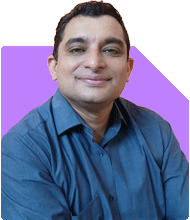
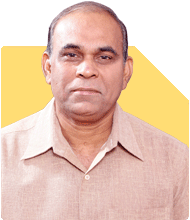
Need Expert Advice?Our Gurus Can Help
Ramalingam

Ramalingam Kalirajan  |11497 Answers  |Ask -

Mutual Funds, Financial Planning Expert - Answered on Sep 18, 2026

Ramalingam Kalirajan has over 26 years of experience in MF distribution and wealth management. He holds an MBA in Finance from the University of Madras and is a CFP (Certified Financial Planner) credentialed professional. He is the Director of Holistic Investment, a Chennai-based AMFI-registered Mutual Fund Distribution (ARN-4188) and APMI-registered PMS Distribution firm (APRN07386), helping clients build long-term wealth through mutual funds and other investment solutions.... more
PM Question by PM on Sep 18, 2026
Money

I am going to Retire in coming December 2026 ,thecorpus will be 2 crores with me. Kindly suggest how to maximize returns to get good returns because I don't have any other Income.

Ans: It is good that you have planned a Rs.2 crore retirement corpus before retiring. Since you will not have regular employment income after December 2026, the focus should not be only on maximising returns. Capital safety, regular income, inflation protection and liquidity are equally important.

» First Assess Your Retirement Requirement

Before investing the Rs.2 crore, identify:

– Your monthly household expenses after retirement
– Medical and healthcare requirements
– Any outstanding loans or liabilities
– Whether you have pension, rental income or any other income
– Financial support required for spouse or dependants
– Any major future expenses
– Expected retirement period, which could easily be 25–30 years or more

The most important question is not "How much return can I get?"

It is "How much can I withdraw without putting my retirement corpus at risk?"

» Do Not Put the Entire Rs.2 Crore in One Place

Since you have no other regular income, keeping the entire corpus in equity is risky.

Similarly, keeping the entire amount in bank deposits or other low-growth investments may create an inflation problem over a long retirement period.

A balanced structure can be considered:

– Keep a portion in safe and highly liquid investments for near-term expenses.
– Keep another portion in high-quality fixed-income investments for stability and regular cash flow.
– Keep a portion in diversified equity mutual funds for long-term growth and inflation protection.
– Maintain a separate medical and emergency reserve.

The exact allocation should depend on your age, monthly expenses and risk capacity.

» Use a Bucket Approach

A retirement corpus can be managed in different buckets.

– Short-term bucket: money required for the next few years. This should have low volatility and high liquidity.

– Income bucket: money meant to support regular withdrawals over the medium term.

– Growth bucket: money that can remain invested for many years and help the corpus fight inflation.

This structure is useful because you need not sell equity investments during every market fall to meet your monthly expenses.

» Be Careful With Monthly Withdrawals

A common mistake after retirement is to withdraw a fixed high amount without checking whether the corpus is growing or declining.

Your withdrawal should be reviewed every year based on:

– Actual expenses
– Inflation
– Portfolio performance
– Market conditions
– Remaining corpus
– Healthcare requirements

During strong market periods, you may have more flexibility. During weak market periods, controlling discretionary expenses can protect the corpus.

» Equity Is Still Important

Retirement does not mean that equity should become zero.

If you are expected to live for another 25–30 years, inflation can significantly reduce the purchasing power of your money.

A suitable portion of diversified, actively managed equity mutual funds can provide long-term growth potential. But this portion should be based on your ability to tolerate market fluctuations.

Do not invest the entire Rs.2 crore in equity just to maximise returns.

» Keep Healthcare Separately

Medical expenses can be one of the biggest retirement risks.

Ensure you have adequate health insurance and a separate medical reserve. Do not depend completely on your Rs.2 crore investment corpus for unexpected hospital expenses.

» Tax Planning Also Matters

Your post-retirement tax liability should be considered while selecting the mix of investments and planning withdrawals.

For equity mutual funds, LTCG above Rs.1.25 lakh is currently taxed at 12.5%, while STCG is taxed at 20%, subject to applicable rules.

Tax-efficient withdrawals can improve the amount actually available for your monthly expenses.

» Avoid Chasing High Returns

At retirement, taking excessive risk for higher returns can be harmful.

An investment promising very high returns usually comes with higher risk. Your priority should be sustainable retirement income, not the highest possible return in any single year.

A good retirement portfolio should give you:

– Regular cash flow
– Liquidity
– Capital stability
– Long-term growth
– Inflation protection
– Tax efficiency
– Emergency protection

» Final Insights

Rs.2 crore can provide a meaningful retirement base, but whether it is sufficient depends mainly on your monthly expenses and retirement period.

I would not recommend deciding the investment allocation merely from the corpus size. Your age, monthly expense, spouse requirements, health cover, pension or other income and desired legacy should all be considered together.

A proper 360-degree retirement plan can then decide how much should remain safe, how much can generate income and how much should remain invested for long-term growth.

Best Regards,

K. Ramalingam, MBA, CFP,
AMFI-Registered MFD – ARN 4188

www.holisticinvestment.in/

https://www.linkedin.com/in/ramalingamcfp/
DISCLAIMER: The content of this post by the expert is the personal view of the rediffGURU. Users are advised to pursue the information provided by the rediffGURU only as a source of information to be as a point of reference and to rely on their own judgement when making a decision.
Money

You may like to see similar questions and answers below

Ramalingam

Ramalingam Kalirajan  |11497 Answers  |Ask -

Mutual Funds, Financial Planning Expert - Answered on May 11, 2024

Listen
Money
I will retire this year at the age of 63. Will have a corpus of around 3 crores out of which I want to have a yearly return of at least 18 lakhs to take care of monthly expenses. How do you suggest to invest ??
Ans: Congratulations on reaching this significant milestone of retirement! With a corpus of 3 crores and a goal of generating an annual income of 18 lakhs, thoughtful investment planning is key. Here's a tailored approach to help you achieve your financial objectives:

Diversify your investments across various asset classes, including equities and fixed income securities, to mitigate risk and enhance returns.

Allocate a portion of your corpus to actively managed equity funds. These funds have the potential to outperform the market, especially during periods of market inefficiencies, offering you the opportunity for higher returns.

Avoid direct funds investing. They may require active management, expertise, and time, which could be challenging, especially during your retirement phase. Instead, consider investing through a Certified Financial Planner (CFP) who can guide you in selecting the right mutual fund distributors (MFDs).

Fixed income investments such as bonds and debt mutual funds can provide stability and regular income. Allocate a significant portion of your corpus to these instruments to meet your income requirements.

Regular review and rebalancing of your portfolio are essential to ensure it remains aligned with your financial goals and risk tolerance. Consider periodic consultations with your CFP to make any necessary adjustments.

Stay informed about market trends and economic developments. Keeping yourself updated will empower you to make informed decisions regarding your investments.

Remember, investing is a journey, and it's essential to remain patient and disciplined. With careful planning and prudent investment decisions, you can enjoy a financially secure retirement.

Best Regards,

K. Ramalingam, MBA, CFP,

Chief Financial Planner,

www.holisticinvestment.in

..Read more

Ramalingam

Ramalingam Kalirajan  |11497 Answers  |Ask -

Mutual Funds, Financial Planning Expert - Answered on Jul 10, 2024

Money
Hi, I will be retiring in August this year. Can you please suggest a good investment options for a corpus of Rs. 80 lakhs so that I may be able to get a yearly return of around 10%.
Ans: Understanding Your Financial Goals
Current Financial Status
• You are retiring in August this year.
• You have a corpus of Rs 80 lakhs.
• You seek a yearly return of around 10%.
Financial Goals
• Generate a stable income post-retirement.
• Preserve capital while earning decent returns.
• Manage risks and ensure liquidity for emergencies.
Analyzing Investment Options
Mutual Funds
Mutual funds are a great way to diversify your investments and balance risk.
Equity Mutual Funds
Equity mutual funds invest in stocks. They have the potential to deliver high returns but come with higher risk.
• Suitable for long-term growth.
• Diversify across large-cap, mid-cap, and small-cap funds.
• Review fund performance regularly.
Debt Mutual Funds
Debt mutual funds invest in fixed-income securities. They offer stability and moderate returns.
• Lower risk compared to equity funds.
• Suitable for generating regular income.
• Diversify across short-term, medium-term, and long-term debt funds.
Balanced or Hybrid Funds
Hybrid funds invest in both equity and debt. They balance growth and stability.
• Suitable for moderate risk tolerance.
• Provide growth potential and regular income.
• Diversify across balanced advantage, aggressive hybrid, and conservative hybrid funds.
Systematic Withdrawal Plan (SWP)
SWP is a way to withdraw a fixed amount regularly from mutual funds.
• Provides regular income.
• Keeps your principal investment growing.
• Suitable for post-retirement income needs.
Detailed Investment Strategy
Step 1: Allocate Your Corpus
Allocate your Rs 80 lakhs across different mutual fund categories.
Equity Mutual Funds
• Allocate 40% to equity mutual funds.
• Choose a mix of large-cap, mid-cap, and small-cap funds.
• Regularly review and rebalance your portfolio.
Debt Mutual Funds
• Allocate 40% to debt mutual funds.
• Choose short-term, medium-term, and long-term debt funds.
• Ensure liquidity and stability in your portfolio.
Balanced or Hybrid Funds
• Allocate 20% to balanced or hybrid funds.
• Choose funds that match your risk tolerance.
• Benefit from both equity growth and debt stability.
Step 2: Implement Systematic Withdrawal Plan
Use SWP to generate regular income from your mutual fund investments.
• Set a monthly withdrawal amount that meets your needs.
• Ensure the remaining investment continues to grow.
• Adjust withdrawal amounts based on market conditions.
Step 3: Monitor and Review
Regularly monitor and review your investment portfolio.
• Keep track of fund performance.
• Rebalance your portfolio to stay aligned with your goals.
• Consult a Certified Financial Planner (CFP) for personalized advice.
Advantages of Mutual Funds
Diversification
Mutual funds allow you to diversify across various assets, reducing risk.
• Spread investments across different sectors and securities.
• Reduce impact of poor performance in any single asset.
Professional Management
Mutual funds are managed by experienced fund managers.
• Benefit from their expertise and market knowledge.
• Focus on achieving your financial goals.
Liquidity
Mutual funds offer high liquidity compared to other investment options.
• Easily redeem units when needed.
• Manage emergencies without affecting overall investment.
Tax Efficiency
Certain mutual funds offer tax benefits.
• Equity Linked Savings Scheme (ELSS) provides tax deductions.
• Long-term capital gains are taxed at lower rates.
Transparency
Mutual funds provide regular updates on performance.
• Access detailed information about your investments.
• Stay informed and make better financial decisions.
Risks and Considerations
Market Risk
Equity mutual funds are subject to market volatility.
• Understand your risk tolerance.
• Diversify to minimize impact.
Credit Risk
Debt mutual funds carry credit risk from underlying securities.
• Choose high-quality funds.
• Monitor credit ratings of fund holdings.
Interest Rate Risk
Debt mutual funds are affected by interest rate changes.
• Diversify across different maturities.
• Monitor interest rate trends.
Inflation Risk
Inflation can erode purchasing power of returns.
• Invest in equity funds for long-term growth.
• Ensure returns beat inflation.
Managing Risks
Diversification
Diversify across various mutual fund categories.
• Spread investments across different asset classes.
• Balance risk and return effectively.
Regular Review
Regularly review and adjust your portfolio.
• Stay aligned with market conditions.
• Ensure investments meet your financial goals.
Emergency Fund
Maintain an emergency fund for unforeseen expenses.
• Keep 6-12 months of expenses in liquid funds.
• Avoid disrupting your main investment corpus.
Professional Guidance
Consult a Certified Financial Planner (CFP) for personalized advice.
• Benefit from professional expertise.
• Make informed financial decisions.
Power of Compounding
Long-Term Growth
Compounding helps grow your investments over time.
• Reinvest returns to generate more returns.
• Benefit from exponential growth.
Early Investment
Start investing early to maximize compounding benefits.
• Longer investment horizon enhances growth.
• Regular investments build a substantial corpus.
Systematic Investment
Invest regularly through SIPs to leverage compounding.
• Consistent investments boost returns.
• Stay disciplined and avoid market timing.
Final Insights
Consistency and Discipline
Stay consistent with your investments.
• Regular investments ensure steady growth.
• Avoid withdrawing prematurely.
Long-Term Perspective
Keep a long-term perspective.
• Avoid making decisions based on short-term market fluctuations.
• Let your investments grow.
Financial Security
By managing your investments wisely, you can achieve financial security.
• Balance risk and return.
• Ensure a comfortable post-retirement life.
Professional Support
Seek professional support when needed.
• Consult a CFP for personalized advice.
• Make informed financial decisions.
Best Regards,
K. Ramalingam, MBA, CFP,
Chief Financial Planner,
www.holisticinvestment.in

..Read more

Ramalingam

Ramalingam Kalirajan  |11497 Answers  |Ask -

Mutual Funds, Financial Planning Expert - Answered on Jul 10, 2024

Asked by Anonymous - Jul 04, 2024Hindi
Money
Hi. I am a 35 year old IT professional with a monthly combined salary of me and my wife close to 3 lakhs. I am investing close to 50k per month in MF sip, 7k in my only child education plan, 25k in my pf, 4k in an lic endorsement plan, 2lks in SBI smart retire per year, 5k per month each in ppf and nps. I have close to 1cr invested in real estate(plot and apartment)out of which 25k comes back as return. 25k combined accumulated in pf, 11 lks in MF, 20lks in physical gold. I want to retire in next 5 years with a monthly inflow of 60k per month. Please help me how to maximise my return and invest smartly.
Ans: You’re doing great with your finances, and it’s commendable that you are thinking about retiring early. Let’s dive into a detailed strategy to help you maximize your returns and invest smartly.


First, congratulations on maintaining a diversified portfolio and having a clear retirement goal. Balancing investments while managing a high combined salary is no small feat. Your proactive approach towards your financial future is admirable.

Understanding Your Current Situation
You are a 35-year-old IT professional, with a combined monthly salary of Rs. 3 lakhs. Here’s a breakdown of your current investments:

MF SIP: Rs. 50,000 per month
Child Education Plan: Rs. 7,000 per month
PF: Rs. 25,000 per month
LIC Endowment Plan: Rs. 4,000 per month
SBI Smart Retire: Rs. 2 lakhs per year
PPF: Rs. 5,000 per month
NPS: Rs. 5,000 per month
Real Estate: Investment worth Rs. 1 crore, generating Rs. 25,000 per month
PF Accumulated: Rs. 25,000
Mutual Funds: Rs. 11 lakhs
Physical Gold: Rs. 20 lakhs
Evaluating Your Goals
Your goal is to retire in 5 years with a monthly inflow of Rs. 60,000. Let’s evaluate and strategize how to achieve this.

Detailed Financial Assessment
1. Mutual Funds:

You’re investing Rs. 50,000 per month in SIPs, which is excellent. Mutual funds offer the potential for high returns and diversification.

2. Child Education Plan:

Investing Rs. 7,000 per month ensures your child’s education is well-funded. Continue this for security.

3. PF and VPF:

Your Rs. 25,000 per month contribution towards PF is great for retirement. It provides tax benefits and secure returns.

4. LIC Endowment Plan:

Endowment plans often have lower returns. Consider evaluating its performance and compare with other investment options.

5. SBI Smart Retire:

Investing Rs. 2 lakhs per year here indicates a focus on retirement. Ensure it aligns with your overall retirement strategy.

6. PPF:

Investing Rs. 5,000 per month in PPF is a secure option with tax benefits and decent returns over the long term.

7. NPS:

NPS contributions are good for retirement savings with tax benefits. Ensure optimal asset allocation within NPS.

8. Real Estate:

Your investment in real estate worth Rs. 1 crore generating Rs. 25,000 per month is a decent return. However, real estate lacks liquidity.

9. Physical Gold:

Gold worth Rs. 20 lakhs is a good hedge against inflation. However, it doesn’t generate regular income.

Strategic Recommendations
1. Increase SIP Investments:

Consider increasing your SIP investments gradually. Equity mutual funds can provide higher returns in the long run.

2. Evaluate LIC Endowment Plan:

Check the returns from your LIC endowment plan. If they are low, consider surrendering and redirecting to higher-return investments like mutual funds.

3. Optimize NPS Asset Allocation:

Review your NPS asset allocation. Ensure a good balance between equity and debt for optimal growth and stability.

4. Diversify Mutual Funds:

Diversify your mutual fund portfolio. Include a mix of large-cap, mid-cap, and small-cap funds for balanced growth.

5. Emergency Fund:

Ensure you have an emergency fund covering 6-12 months of expenses. This provides a financial cushion for unforeseen events.

6. Insurance Coverage:

Review your insurance coverage. Ensure you have adequate life and health insurance to protect your family.

Detailed Breakdown of Mutual Funds
1. Equity Mutual Funds:

Diversified Equity Funds: Invest in a mix of sectors. They offer balanced growth with reduced risk.
Large-Cap Funds: Invest in large companies. They are stable and provide steady returns.
Mid-Cap Funds: Invest in medium-sized companies. They have higher growth potential but come with increased risk.
Small-Cap Funds: Invest in small companies. They offer high returns but are volatile.
2. Debt Mutual Funds:

Liquid Funds: Ideal for short-term investments and emergencies. They offer quick access to money.
Income Funds: Invest in bonds and fixed-income securities. They provide regular income and stability.
3. Hybrid Mutual Funds:

Balanced Funds: Maintain a balanced allocation between equity and debt. They offer moderate growth and stability.
Dynamic Asset Allocation Funds: Adjust the allocation between equity and debt based on market conditions. They provide flexibility and balanced returns.
Power of Compounding
The power of compounding is crucial for long-term wealth creation. Here’s how it works:

1. Exponential Growth:

Compounding leads to exponential growth. The longer you stay invested, the more your money grows.

2. Reinvestment:

Mutual funds reinvest earnings, leading to compounding. This accelerates your wealth creation over time.

3. Time Horizon:

Start early and stay invested to maximize compounding benefits. Time is your greatest ally in wealth creation.

Regular Monitoring and Rebalancing
1. Performance Tracking:

Track the performance of your investments regularly. This helps you make informed decisions and adjustments.

2. Rebalancing:

Rebalance your portfolio periodically. This ensures your asset allocation remains aligned with your goals and risk tolerance.

3. Market Conditions:

Stay informed about market conditions. Adjust your investments to take advantage of opportunities and mitigate risks.

Financial Planning for Retirement
1. Calculate Retirement Corpus:

Estimate the corpus needed for a monthly inflow of Rs. 60,000. Consider inflation and future expenses in your calculation.

2. Increase SIP Investments:

To build a larger retirement corpus, increase your SIP investments. Equity mutual funds can provide higher returns in the long run.

3. Diversify Investments:

Diversify your investments across equity, debt, and hybrid funds. This balances risk and returns for a secure retirement.

4. Review Insurance Coverage:

Ensure you have adequate life and health insurance coverage. This protects you and your family from unforeseen events.

Exploring Additional Investment Options
1. Tax-Free Bonds:

Consider investing in tax-free bonds. They provide regular interest income and tax benefits.

2. Systematic Withdrawal Plan (SWP):

SWPs in mutual funds provide regular income by withdrawing a fixed amount periodically. This can be useful post-retirement.

3. Gold ETFs:

Instead of physical gold, consider Gold ETFs. They are more liquid and easier to manage.

Final Insights
Maximizing your returns and investing smartly requires a balanced and diversified approach. Increase your SIP investments and optimize your NPS asset allocation. Evaluate your LIC endowment plan and consider reallocating to higher-return investments. Ensure you have adequate insurance and an emergency fund. Regularly monitor and rebalance your portfolio to stay aligned with your goals. By following these strategies, you can achieve your retirement goal of a monthly inflow of Rs. 60,000. Your proactive approach and commitment to financial planning are commendable, and with the right strategy, you can secure a bright financial future.

Best Regards,

K. Ramalingam, MBA, CFP,

Chief Financial Planner,

www.holisticinvestment.in

..Read more

Ramalingam

Ramalingam Kalirajan  |11497 Answers  |Ask -

Mutual Funds, Financial Planning Expert - Answered on Nov 01, 2024

Money
I am 23, Currently unmarried , I earn around 15-20 lakhs a year. I want to retire with 10-15 crores. How do I do, where to start m ? I have knowledge on mutual funds but I doubt if their is any mutual fund which gives more than 20% return
Ans: At 23 and with a strong income, you are at an excellent point to build your wealth. Targeting a retirement corpus of Rs. 10-15 crores is achievable with consistent planning, disciplined investing, and realistic expectations. Let's break down your strategy into clear, actionable steps.

1. Set Clear Financial Goals

Defining your goals is crucial. Your retirement corpus of Rs. 10-15 crores is a significant milestone. Identify any other goals, such as buying a car, traveling, or starting a family. Setting specific timelines and priorities helps in creating an effective investment roadmap.

2. Establish an Emergency Fund

An emergency fund is your first safety net. Aim for 6 to 12 months of your living expenses. Use a liquid or short-term debt fund for this purpose, keeping it accessible and safe. With this foundation, you can invest for growth confidently without dipping into your investments during emergencies.

3. Define Your Investment Strategy

Given your income, you can allocate a substantial portion to high-growth investments. Equities, especially equity mutual funds, are ideal for achieving long-term wealth. While mutual funds have historically delivered around 12-15% over the long term, a return of 20% is ambitious. High returns typically mean higher risks. Instead, aim for a balanced approach with realistic expectations.

4. Focus on Equity Mutual Funds

Equity mutual funds can be excellent for wealth accumulation, and SIPs (Systematic Investment Plans) are effective for building a disciplined habit. SIPs provide the benefit of rupee cost averaging, which helps manage volatility. Since you have a long investment horizon, choose diversified equity funds that suit your risk profile and time horizon. Actively managed funds often outperform in terms of returns over index funds. They offer a chance to generate above-average returns with professional expertise navigating market shifts.

5. Avoid Direct Mutual Funds

While direct mutual funds have lower expense ratios, they require in-depth research and tracking. With a regular fund, you benefit from an MFD’s support and a Certified Financial Planner’s guidance. This partnership helps you choose suitable funds, monitor performance, and rebalance your portfolio periodically. Regular funds are ideal for investors focused on maximising gains while managing risk with professional assistance.

6. Consider Sectoral and Thematic Funds Cautiously

While sectoral funds (focusing on sectors like IT, banking, etc.) and thematic funds can offer high returns, they also carry higher risk. Avoid concentrating too much in these funds unless you have high-risk tolerance and an understanding of market trends. Balance is key for a stable, long-term portfolio.

7. Explore Small-Cap and Mid-Cap Funds

Small-cap and mid-cap funds can yield high returns but come with high volatility. Allocating a small portion here may be suitable if you can tolerate risk. However, aim to keep a diversified portfolio with a mix of large-cap funds for stability, which helps balance growth and risk.

8. Tax-Efficient Planning

Knowing the tax implications on your investments is essential for optimising your gains. With equity mutual funds, long-term capital gains (LTCG) over Rs. 1.25 lakh are taxed at 12.5%. Short-term gains are taxed at 20%. For debt funds, LTCG and STCG are taxed based on your income tax slab. Understanding these rules allows you to plan withdrawals more effectively, maximising your post-tax returns.

9. Regularly Review and Rebalance Your Portfolio

Your portfolio should adapt as you progress in your career and as market conditions change. Reviewing your investments every 6-12 months with a Certified Financial Planner helps keep your portfolio aligned with your goals. Rebalancing ensures you’re on track, especially if some funds outperform or underperform. An active review is particularly important for equity-heavy portfolios where market volatility is high.

10. Embrace a Long-Term Mindset

Building Rs. 10-15 crore corpus will take time and patience. Equity investments require a minimum 7-10 years to show substantial returns. Avoid making frequent withdrawals, as compounding works best with consistent, long-term investments. Patience with market ups and downs and a disciplined approach can yield solid returns.

11. Supplement SIPs with Lump Sum Investments When Possible

Since you earn a good income, consider lump sum investments during market dips. This can amplify returns, allowing you to take advantage of market volatility. Keep funds for lump-sum investments in liquid funds until a good opportunity arises. Strategic lumpsum additions alongside SIPs can accelerate wealth creation over time.

12. Prioritise Pure Protection Insurance Plans

Term insurance provides pure life cover, ensuring financial protection for dependents without investment components. Avoid mixing investment with insurance, like in ULIPs. A straightforward term plan offers high cover at low premiums. Similarly, health insurance provides additional security. Starting early means lower premiums and comprehensive coverage.

13. Avoid Investment in Real Estate and Annuities

Real estate is typically illiquid, involving high costs and long holding periods. It may not align with your goal of liquid wealth accumulation. Annuities also don’t suit your goal, as they provide fixed returns with limited growth. Focus instead on liquid, growth-oriented investments like equity funds and fixed income options for short-term needs.

14. Track Progress Against Goals Periodically

Evaluating your progress is crucial to achieving your financial targets. Set benchmarks and compare portfolio growth periodically. Tracking helps identify areas for improvement, and a Certified Financial Planner can provide insights based on current market trends and conditions.

Finally

At your age, you have the advantage of time and compounding. By focusing on disciplined investing in equity mutual funds, balancing risk, and leveraging professional guidance, you can confidently work toward your goal of Rs. 10-15 crore retirement corpus. Avoid high-risk speculation and stay committed to a long-term approach.

Best Regards,

K. Ramalingam, MBA, CFP,

Chief Financial Planner,

www.holisticinvestment.in
https://www.youtube.com/@HolisticInvestment
..Read more

Latest Questions
Dr Shakeeb Ahmed

Dr Shakeeb Ahmed Khan  |207 Answers  |Ask -

Physiotherapist - Answered on Nov 06, 2026

Asked by Anonymous - Oct 01, 2026
Health
I have diabetes, and over the last few months I've noticed that my hands sometimes start shaking when I’m holding something for a while, such as a cup of tea, a phone, or even a small object. It’s more noticeable when I'm trying to keep my hand steady, and sometimes I feel a little weakness or tiredness in my hands as well. I've heard that diabetes can sometimes affect nerves and muscles, but I'm not sure whether this kind of shaking could be related to that or if it is simply due to muscle weakness or poor grip strength. Could you assess whether there is a physical or muscular reason for this and suggest some safe exercises to improve my hand strength and stability? Also, are there any signs that would mean I should see a doctor or neurologist rather than relying only on physiotherapy?
Ans: Thank you for your query. A physiotherapist with MPTh in neurology can assess your hand strength, grip, and nerve related changes, and teach safe exercises like squeezing a soft ball, slowly opening and closing the fingers, gentle wrist bends, and holding a light cup for short periods. Please see a physiotherapist with MPTh in neurology along with a neurologist and a diabetologist for better management of diabetes, as this team approach covers nerve, muscle, and blood sugar control together. See a doctor or neurologist promptly if the shaking worsens, or you get numbness, sudden weakness, muscle wasting, falls, or trouble with walking, speech, or vision. Wishing you quick recovery

...Read more

DISCLAIMER: The content of this post by the expert is the personal view of the rediffGURU. Investment in securities market are subject to market risks. Read all the related document carefully before investing. The securities quoted are for illustration only and are not recommendatory. Users are advised to pursue the information provided by the rediffGURU only as a source of information and as a point of reference and to rely on their own judgement when making a decision. RediffGURUS is an intermediary as per India's Information Technology Act.

Close  

You haven't logged in yet. To ask a question, Please Log in below
Login

A verification OTP will be sent to this
Mobile Number / Email

Enter OTP
A 6 digit code has been sent to

Resend OTP in120seconds

Dear User, You have not registered yet. Please register by filling the fields below to get expert answers from our Gurus
Sign up

By signing up, you agree to our
Terms & Conditions and Privacy Policy

Already have an account?

Enter OTP
A 6 digit code has been sent to Mobile

Resend OTP in120seconds

x