Home > Money > Question
Need Expert Advice?Our Gurus Can Help

Ramalingam

Ramalingam Kalirajan  |10845 Answers  |Ask -

Mutual Funds, Financial Planning Expert - Answered on Oct 13, 2025

Ramalingam Kalirajan has over 23 years of experience in mutual funds and financial planning.
He has an MBA in finance from the University of Madras and is a certified financial planner.
He is the director and chief financial planner at Holistic Investment, a Chennai-based firm that offers financial planning and wealth management advice.... more
Asked by Anonymous - Oct 13, 2025Hindi

Money

Dear Sir/ Madam, I currently have around ₹18 lakhs in my savings account, which I’ve recently transferred into two different liquid funds. My plan is to move this amount into two respective equity funds through STP. I’m confused about the ideal STP duration — should I opt for a 6-month STP or spread it over 10–12 months? If I complete the STP in 6 months and the market crashes afterward, I might face significant losses. On the other hand, if I stretch it over 12 months, I may miss out on potential bull runs during that period. Could you please guide me on what would be a better approach in this situation?

Ans: You have taken a very thoughtful step by moving your idle savings into liquid funds first. This shows your discipline and patience, which is essential in wealth creation. As a Certified Financial Planner, I appreciate this structured approach because it reduces timing risk and brings order to your investing process. Now, let us examine your question from all angles to help you decide between a 6-month or 10–12-month STP.

» Understanding your current position

You have Rs.18 lakh in liquid funds, which is a good starting corpus.

Your plan to shift through STP into two equity mutual funds is very systematic.

Liquid funds are ideal for parking money temporarily as they offer low volatility and daily liquidity.

Equity funds, on the other hand, are wealth-building tools for long-term goals, usually 5 years or more.

» The role of STP and why it matters

Systematic Transfer Plan (STP) helps average your cost of entry into equity markets.

It divides your investment into periodic transfers, usually monthly, from liquid to equity funds.

This reduces the risk of investing lump sum at market highs.

It works well for investors like you who are cautious yet growth-oriented.

» Evaluating the 6-month STP plan

A 6-month STP means faster entry into the market.

You capture the market’s growth potential sooner.

But the short duration gives less protection if markets correct sharply afterward.

If a market fall happens right after completion, your portfolio may show short-term losses.

However, since your ultimate horizon is long term, those losses can recover with time.

» Evaluating the 10–12-month STP plan

A 10–12-month STP gives you a smoother entry and lower short-term risk.

The transfers happen gradually, which reduces the chance of entering before a crash.

However, a longer STP also keeps a large part of your money in low-return liquid funds for longer.

If the market rises steadily during this time, your uninvested money earns much less, reducing potential gains.

» Market cycles and unpredictability

Market cycles cannot be perfectly timed. Even professionals cannot predict exact peaks or corrections.

You may worry about a fall after your 6-month STP, but markets may also rise faster.

Similarly, a 12-month STP may protect you from a crash but also make you miss strong rallies.

Hence, no duration guarantees the best outcome. The key is balance, discipline, and staying invested long enough.

» Behavioural aspects of your decision

The main goal of an STP is not to maximise returns in the short term.

It is to manage your emotions and bring consistency.

If a longer STP keeps you more comfortable and consistent, it is worth it.

If you can handle market volatility calmly, a shorter STP can deliver faster participation.

» The role of your investment horizon

If your investment horizon is 5 years or more, the duration of STP matters less.

Over longer periods, market fluctuations smooth out and long-term compounding works in your favour.

The more important decision is to remain invested and not redeem during temporary corrections.

Therefore, focus more on “how long to stay invested” rather than “how fast to enter.”

» Balancing return and risk using a blended STP

You can even blend the approach instead of choosing between 6 or 12 months.

Start with a slightly higher monthly transfer for the first 6 months.

Then gradually reduce the STP amount for the remaining period.

This way, you participate more in early market movements while still having some buffer.

This middle path gives you a good balance between opportunity and protection.

» Evaluating the return trade-off

With a 6-month STP, you may capture upside faster if markets move up.

But your average purchase cost can be higher if markets fall later.

With a 12-month STP, your average purchase cost is better managed, but you may earn less if markets rally earlier.

Statistically, in most historical cases, 6–9 months STP delivers balanced outcomes when volatility is moderate.

» Liquidity and flexibility angle

A 6-month STP keeps your liquid fund balance lower sooner.

A 12-month STP gives you higher liquidity for longer in case you need cash.

Since you already hold your money in low-risk liquid funds, your money is not idle.

But check if you have separate emergency funds before committing the full 18 lakh to STP.

» Taxation considerations under new mutual fund rules

Liquid funds are taxed as per your income slab when redeemed.

STP redemptions from liquid funds are treated as withdrawals and taxed accordingly.

The difference between 6 or 12 months STP may not change your tax impact significantly.

However, longer STPs mean slightly more redemptions spread across financial years, possibly balancing your tax outgo better.

» The role of your risk appetite

If you are conservative and dislike short-term losses, a 10–12-month STP is emotionally easier.

If you are growth-oriented and can handle volatility, a 6–8-month STP gives better participation.

The right decision depends less on “what the market will do” and more on “how you react to it.”

» Discipline matters more than duration

The real power of STP lies in automation and consistency.

Once you start, avoid stopping or pausing due to news or temporary volatility.

Let the system work as planned.

Even if markets fall during the transfer period, remember you are also buying units cheaper every month.

» Importance of reviewing fund choices

Ensure the equity funds you selected are actively managed by experienced fund managers.

Avoid index funds or ETFs, as they simply follow the index without active stock selection.

Index funds do not outperform the market and offer no downside protection during corrections.

Actively managed funds, chosen with Certified Financial Planner guidance, have better potential to manage volatility.

» Role of professional guidance

A Certified Financial Planner can help align your STP duration with your goals and risk level.

He or she will also help you structure the right mix of equity and debt for your portfolio.

Investing through a trusted MFD with CFP qualification ensures continuous monitoring and behavioural discipline.

Regular fund investing through such guidance avoids costly emotional mistakes during market volatility.

» Behavioural discipline after completion of STP

Once STP is complete, stay invested in the equity funds for long-term compounding.

Do not redeem when markets correct. Use market corrections to invest additional lumpsum if your goal and liquidity permit.

Periodically review but avoid frequent churning of funds.

Patience after STP is more rewarding than the timing of STP itself.

» Emotional comfort and practical decision

Since you have already shown patience by parking money in liquid funds first, you value safety.

Therefore, a 9–10-month STP may suit you emotionally and financially.

It balances entry timing risk while not keeping money idle too long.

You can always shorten or stop STP midway if markets offer a deep correction and you want to invest faster.

Flexibility and mindfulness are your best tools, not prediction.

» Finally

There is no perfect STP duration. What matters is discipline, patience, and staying invested.

A 9–10-month STP may offer a balanced middle path for you.

It lets you enter gradually, manage risk, and not miss the larger compounding story.

Keep focus on your long-term goals and avoid reacting to short-term market noise.

Equity investing rewards the patient, not the perfect timer.

You have already taken a smart, structured first step. Continue the same consistency for lasting wealth creation.

Best Regards,
K. Ramalingam, MBA, CFP,
Chief Financial Planner,
www.holisticinvestment.in

https://www.youtube.com/@HolisticInvestment
DISCLAIMER: The content of this post by the expert is the personal view of the rediffGURU. Users are advised to pursue the information provided by the rediffGURU only as a source of information to be as a point of reference and to rely on their own judgement when making a decision.
Money

You may like to see similar questions and answers below
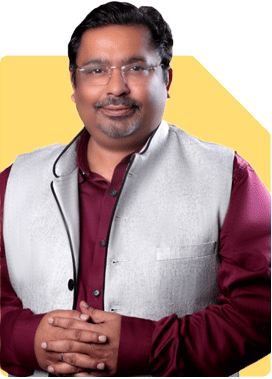
Ramalingam

Ramalingam Kalirajan  |10845 Answers  |Ask -

Mutual Funds, Financial Planning Expert - Answered on Sep 22, 2024

Money
I have lump sum amount of Rs.5 lacs for investment in mutual fund. I understand, I can invest the entire amount in liquid fund and I can set up an STP to the desired scheme/folio. Now the question is, how much should I set up STP, or how long should I continue this STP (in case the broken STP is smaller amount), because few of the funds accepts Rs.100 min per day. please advise us with thumb rule like this much %age can be set as STP
Ans: Investing a lump sum amount like Rs. 5 lakh requires careful planning. Since you're considering starting with a liquid fund and then setting up an STP (Systematic Transfer Plan) into mutual funds, you're already on the right path. This method balances your risk by spreading out your investment over time, ensuring you don’t invest everything during a market peak. The key question now is, how much should you transfer through STP, and for how long?

Let's analyse this from all perspectives to ensure the optimal strategy for your investment.

Why STP is a Wise Approach

Risk Management: By using STP, you are shielding yourself from market volatility. A lump sum investment during a market peak could lead to losses in case of a downturn. The STP smoothens your entry into the market.

Disciplined Investment: STP is similar to SIP (Systematic Investment Plan) but for lump sum amounts. It brings discipline by automating the transfer.

Better Returns Over Time: STP ensures you invest regularly, capturing both market highs and lows. Over time, this strategy can generate better returns than investing everything in one go.

Deciding the Duration and Amount for STP

There isn’t a one-size-fits-all formula for deciding how much to transfer each month or for how long. However, a few thumb rules can help.

Standard Rule – 6 to 12 Months STP: Ideally, your STP should be spread over 6 to 12 months. This period balances out market fluctuations and avoids overexposure to short-term market volatility.

Amount – Divide into Equal Parts: Based on your chosen duration, divide the Rs. 5 lakh into equal monthly transfers. For example:

6 Months: Rs. 83,333 per month.
12 Months: Rs. 41,666 per month.
Advantages of a Longer STP

More Cushion Against Volatility: A 12-month STP gives more time for the market to settle in case of sharp fluctuations. This reduces the risk of investing too much during a volatile period.

Psychological Comfort: If you’re a conservative investor, a longer STP duration can ease anxiety by allowing a gradual investment in the market.

Disadvantages of Prolonged STP

Opportunity Cost: Stretching the STP too long may reduce returns during a strong bull market. The longer you stay in a liquid fund, the lesser the chances of participating in market rallies.
Smaller Daily STP – Is It Effective?

Some funds accept even Rs. 100 as the minimum STP amount. While it may seem tempting to set up daily STPs with such small amounts, there are pros and cons.

Pros of Daily STP:

Frequent transfers allow even better averaging.
Reduces risk from sudden short-term market spikes or dips.
Cons of Daily STP:

Frequent transfers can result in negligible returns if market movements are small.
Managing too many small transfers can be tedious, even though it's automated.
For most investors, a monthly STP is more practical than a daily one.

Assessing Your Risk Appetite

How much you transfer and how long your STP should last depends on your comfort with risk. Here’s how different scenarios might look for you:

Conservative Investor: If you're risk-averse, you may prefer a longer STP, say 12 months or more. This reduces the exposure to any sudden market volatility and provides more stability in returns.

Moderate Investor: A 6 to 9 months STP could be ideal. This allows you to balance risk while still participating in market movements in a timely manner.

Aggressive Investor: If you're willing to take on higher risk and expect strong market performance in the short term, a shorter STP, say 3 to 6 months, can allow you to invest more aggressively.

Should You Use the Entire Rs. 5 Lakh?

You don’t necessarily have to transfer the entire Rs. 5 lakh into equity. A balanced strategy would be to divide your funds into different asset classes.

Hybrid Approach: You could invest 60% to 70% through STP into equity mutual funds while keeping 30% to 40% in debt funds or safer instruments. This ensures a balance between growth potential and safety.
Choosing the Right Fund Categories

When setting up an STP, it's essential to transfer the funds into a well-balanced portfolio of mutual funds.

Large Cap Funds for Stability: A portion of the STP should be directed into large-cap funds for a stable core. These funds invest in large, established companies and are typically less volatile.

Mid-Cap or Flexi-Cap for Growth: These funds offer higher growth potential but with increased risk. Including mid-cap or flexi-cap funds helps balance risk and reward in your portfolio.

Small Cap Funds for Aggressive Growth: If you have a long investment horizon and can tolerate higher risk, small-cap funds can be included. However, they should form a smaller part of your STP to avoid overexposure to volatility.

Liquid Fund as the Starting Point

The liquid fund is a great choice to park your Rs. 5 lakh before starting the STP. Here’s why:

Safety of Principal: Liquid funds are low-risk, so your principal amount remains safe.

Higher Returns than Savings Accounts: Liquid funds generally provide better returns than regular savings accounts, making them a better short-term parking option.

High Liquidity: You can access your money easily without any lock-in period, which is ideal for transferring into an STP.

Time Your STP Wisely

Market timing is always challenging. However, the following points can guide you in planning your STP:

Monitor the Market: If the market is experiencing a sharp correction, you might want to speed up the STP to take advantage of lower prices.

Don’t Try to Time Perfectly: It’s impossible to predict the exact highs and lows. STP is designed to average out the price over time, so you don’t need to worry about finding the "perfect" time.

Avoid Common Pitfalls

While setting up the STP, keep the following points in mind to avoid mistakes:

Stay Disciplined: Don’t stop the STP prematurely, even if the market dips. Remember that you're averaging the cost over time.

Review Regularly: While you should remain consistent, it’s also important to review your STP and mutual funds every six months to ensure they align with your financial goals.

Avoid Small Daily STPs if Not Needed: Smaller STPs like Rs. 100 per day might not be necessary unless you specifically want to avoid market timing. Monthly or bi-monthly STPs are sufficient for most investors.

The Benefit of Working with a Certified Financial Planner

If you're unsure about the best STP duration or fund selection, working with a Certified Financial Planner (CFP) can provide clarity. A CFP can tailor the investment plan based on your unique financial goals, risk tolerance, and time horizon.

Guidance on Fund Selection: A CFP can help you select the right mix of funds to suit your risk profile.

STP Duration Optimisation: They can advise on the most suitable STP duration based on current market conditions and your financial situation.

Long-Term Goal Planning: A CFP can align your investment strategy with long-term financial goals like buying a flat or other significant expenses.

Finally

Investing Rs. 5 lakh through STP into mutual funds is a sound approach. Your focus should be on a balanced strategy that matches your risk profile and market outlook. By spreading the investment over time, you minimise the impact of volatility while capturing potential growth.

Use an STP duration of 6 to 12 months for optimal results.

Balance your investment across different fund categories for diversification.

Monitor your investment periodically to ensure alignment with your goals.

Work with a Certified Financial Planner to get personalised advice.

Best Regards,

K. Ramalingam, MBA, CFP,

Chief Financial Planner,

www.holisticinvestment.in

Instagram: https://www.instagram.com/holistic_investment_planners/

..Read more

Ramalingam

Ramalingam Kalirajan  |10845 Answers  |Ask -

Mutual Funds, Financial Planning Expert - Answered on May 15, 2025

Money
I have 10 L lump sum. I want to park it and then do STP. I have two debt funds Nippon liquid and Axis Short term fund, which one will be better to park for stp? How much time should be given to move this to equity by STP. I have Nippon and ICICI large cap, hdfc mid cap,Nippon multi cap and hdfc hybrid equity. Which would be better and how much stp every month? Or do I need to open one more fund for STP? Please guide me for horizon of 6 years
Ans: You have a clear plan of using a lump sum parked in debt funds, then moving gradually to equity via STP for a 6-year horizon. Let me provide a thorough 360-degree assessment and guidance from a Certified Financial Planner perspective.

Parking Lump Sum: Choosing Between Debt Funds
You mentioned Nippon Liquid Fund and Axis Short Term Fund to park your Rs. 10 lakh lump sum.

Liquid funds like Nippon Liquid invest mostly in overnight and very short maturity papers.

Short term funds like Axis Short Term hold instruments with slightly longer maturity, usually 1-3 years.

Liquid funds generally give better liquidity and lower interest rate risk.

Short term funds carry slightly higher credit risk and moderate interest rate risk.

For a 6-year horizon with STP, safety and liquidity matter at the start.

Nippon Liquid Fund is more stable in value, less volatile in interest rates.

Axis Short Term Fund may offer slightly higher returns but can have NAV fluctuations.

Since you want to do STP over time, start by parking in the Liquid Fund.

This preserves capital and gives stable NAV, allowing smooth STP withdrawals.

You may consider shifting to Short Term Fund after 6-12 months if markets are volatile.

But for initial parking, Liquid Fund is preferred.

STP Duration and Strategy
Your investment horizon is 6 years. STP duration should align with that.

A 24 to 36 months STP period is usually good for phased equity entry.

STP over 2 to 3 years reduces risk of lump sum timing.

After STP completion, you can stay fully invested in equity funds.

Remaining lump sum parked in liquid or short term fund can be withdrawn gradually.

STP intervals of monthly or quarterly are better to spread market risk.

Monthly STP is common and convenient.

STP amount depends on total lump sum and your risk tolerance.

For Rs. 10 lakh lump sum and 36 months STP, you can start with Rs. 25,000–30,000 per month.

This balances steady equity exposure and capital preservation.

You can increase STP amount if markets dip.

Flexibility in STP helps capture market volatility better.

Choice of Equity Funds for STP
You currently have Nippon and ICICI Large Cap, HDFC Mid Cap, Nippon Multi Cap, and HDFC Hybrid Equity.

Large cap funds are more stable and less volatile.

Mid cap funds offer higher growth but more volatility.

Multi cap funds give diversified exposure across market caps.

Hybrid equity funds blend equity and debt, reducing volatility.

For STP, using a mix is wise.

Large cap funds can be the core of STP.

Add some mid cap and multi cap funds for growth.

Hybrid funds can be considered if you want moderate risk.

Given your horizon of 6 years, you can have about 50-60% in large and multi cap funds.

30-40% in mid cap funds, balancing risk and reward.

10-15% in hybrid equity funds for stability.

Since you already have these funds, no need to open a new fund.

Ensure funds have good track records and consistent performance.

Avoid over-diversification. Too many funds dilute focus.

You can create an STP basket from 3-4 funds.

For example, monthly STP split: 50% to large cap, 30% to mid cap, 20% to multi cap or hybrid.

STP Amounts and Monitoring
Decide STP amount based on lump sum parked and your cash flow needs.

Rs. 25,000 to 30,000 per month is a reasonable start.

You can increase if market dips or reduce in rising markets.

Review fund performance every 6 months to 1 year.

Switch funds if underperforming for long periods.

Avoid frequent changes to stay invested.

Rebalance portfolio yearly based on market changes and goals.

Keep long term horizon in mind; avoid panic during volatility.

Tax and Withdrawal Planning
STP is a transfer, so not a redemption for tax purposes until units are sold.

Equity fund gains above Rs. 1.25 lakh are taxed at 12.5% LTCG.

Short term capital gains in equity taxed at 15%.

Debt funds taxed as per your slab rates.

Use STP to reduce lump sum exposure risk.

After STP completes, hold for at least 3-4 years for best returns.

Avoid premature withdrawals to minimise tax impact.

Final Insights
Park lump sum initially in liquid fund for safety and liquidity.

Start STP monthly for 24-36 months into a mix of large, mid, and multi cap funds.

Hybrid equity fund can add stability but keep allocation small.

Monitor portfolio yearly and rebalance if needed.

No need for new fund if current ones perform well and cover your risk.

STP amount should match your comfort and liquidity needs.

Patience is key for 6-year horizon; avoid rash changes.

Your plan is solid. Execution with discipline will give good outcomes.

Best Regards,

K. Ramalingam, MBA, CFP,

Chief Financial Planner,

www.holisticinvestment.in
https://www.youtube.com/@HolisticInvestment

..Read more

Ramalingam

Ramalingam Kalirajan  |10845 Answers  |Ask -

Mutual Funds, Financial Planning Expert - Answered on Jun 21, 2025

Money
First Option I have 23 lakh in FD shall i put all to liquid fund then into stp Second Option First 50% in Liquid fund (500) - invest as STP over 6 months Second 50% : All weather investing Smallcase (gold, equity, debt)
Ans: Current Capital Snapshot
You hold Rs 23 lakh in a fixed deposit now.

Interest rate is steady but taxable each year.

Liquidity is decent but breakage hurts interest.

Inflation slowly erodes fixed?deposit growth.

You want to shift this money thoughtfully.

Appreciation of Your Intent
Planning ahead shows wise discipline.

Comparing two clear options helps clarity.

Seeking expert view prevents random moves.

Understanding Liquid Funds
Liquid funds invest in very short?term debt.

Average maturity stays under 91 days.

Credit risk remains low with top issuers.

Interest rate swing impact stays limited.

Withdrawals settle in one working day.

Ideal for short parking before deployment.

How Systematic Transfer Plan Works
STP moves money from liquid to growth funds.

Transfers happen daily, weekly, or monthly.

Smaller tranches reduce market entry stress.

Rupee?cost averaging cushions volatility shocks.

Cash earns liquid?fund return while waiting.

Assessment of Full Transfer Option
Putting full Rs 23 lakh in liquid is fine.

Start a six?to?twelve?month daily STP.

Slow feed suits choppy markets.

No timing gamble on lump?sum entry.

You retain control and visibility monthly.

Liquid yield offsets idle cash drag.

Assessment of Split Strategy Option
Fifty percent to liquid, STP over six months.

Remaining half to all?weather mix immediately.

All?weather basket blends gold, equity, debt.

Idea promises reduced drawdown fear.

But underlying vehicles are mostly index funds.

Index route carries hidden shortcomings.

Risks Inside All?Weather Smallcase
Basket can overweight certain sectors unknowingly.

Rebalancing discipline depends on platform algorithm.

Index components include weak performers unfiltered.

Gold allocation may underperform long stretches.

Debt portion uses passive bonds with rate risk.

Expense layers add up: brokerage plus ETF cost.

Exit loads or spread may reduce liquidity.

Disadvantages of Index and ETF Route
Index products copy market without active oversight.

No scope to sidestep overheated segments.

Momentum stocks keep high weight even when pricey.

Underperforming stocks stay until rule changes.

Passive funds cannot shield during crises.

Returns equal market minus costs, never beat.

Market averages may lag active peers long term.

No fund manager accountability for outcomes.

For goals needing extra alpha, active beats passive.

Benefits of Actively Managed Mutual Funds
Skilled managers research economy and businesses deeply.

They exit weak firms before collapse.

They add promising sectors early.

Active rebalancing follows valuation signals.

Downside protection strategies reduce drawdowns.

Regular plan via MFD with CFP gets guidance.

Adviser monitors fund style changes and risk.

Periodic review aligns allocation with life events.

Emotional coaching prevents panic selling.

Ideal Diversification Blueprint
Use broad equity funds across market caps actively managed.

Add hybrid aggressive funds for smoother ride.

Keep short?term debt funds for parking needs.

Allocate modest gold through active commodity fund.

Maintain international equity for currency hedge.

Limit each category to specific purpose bucket.

Step?by?Step Recommended Roadmap
Redeem fixed deposit on maturity without breaking prematurely.

Move full proceeds to a reputed liquid fund.

Start daily STP over nine months to chosen equity funds.

Allocate 60% of corpus toward equity bucket.

Put 25% into hybrid and balanced advantage funds.

Keep 10% in short duration debt for near needs.

Allocate 5% to active gold fund for hedge.

Review allocations annually with Certified Financial Planner.

Increase STP pace if markets correct sharply.

Pause STP if market overheats severely, resume later.

Emergency Reserve and Flex Buffer
Hold separate Rs 3?4 lakh in savings account.

This covers medical or family urgency quickly.

Do not mingle reserve with investment corpus.

Top up buffer yearly for rising costs.

Children Goal Alignment
Create education corpus independent of retirement fund.

Use child benefit active equity funds with growth option.

Do monthly SIP linked to fee timelines.

Avoid dipping into this bucket for other needs.

Insurance Review
Term cover amount should match family future needs.

Check policy tenure remains beyond children dependency.

Upgrade health cover to at least Rs 25 lakh floater.

Add super top?up for catastrophic events.

Tax Considerations for Future Redeem
Equity fund LTCG above Rs 1.25 lakh taxed 12.5%.

Equity STCG taxed 20% now.

Debt fund gains taxed per slab always.

Plan withdrawals to stay within basic exemption band.

Use systematic withdrawal plan post five years holding.

SWP gives smoother cash flow than full redemption.

Behavioural Discipline Practices
Stay invested through market noise.

Avoid chasing hottest theme posts.

Review but avoid frequent churn.

Focus on goal not index number daily.

Monitoring and Review Framework
Quarterly check for fund performance drift.

Semi?annual risk assessment discussion with planner.

Annual rebalancing to maintain target mix.

Adjust equity down when nearing major cash need.

Comparison of Both Options Summarised
Option one offers simple process and full STP benefit.

Option two splits corpus but relies on passive basket.

Active route fits long?term wealth compounding better.

Smallcase convenience does not outweigh active advantages.

Action Plan in Simple Steps
Step one: Exit FD on maturity.

Step two: Invest 100% into trusted liquid fund.

Step three: Activate nine?month daily STP to equity.

Step four: Allocate among active equity, hybrid, debt, gold.

Step five: Keep education and emergency buckets separate.

Step six: Track progress with planner dashboards.

Handling Market Corrections
Continue STP during dips; units get cheaper.

Resist urge to halt at first red patch.

Equity needs long runway for power compounding.

Inflation Guard Strategy
Equity sleeve beats inflation long term.

Gold slice shields during currency pressure periods.

Hybrid funds temper volatility while earning growth.

Liquidity Management After Deployment
Short duration fund allows quick withdrawals.

Liquid fund still used for any new windfall.

Avoid locking entire sums in restrictive products.

Avoiding Common Pitfalls
Do not invest through random online tip groups.

Do not borrow to invest aggressively.

Do not switch schemes for small past outperformance.

Do not stop SIP when market falls steeply.

Role of a Certified Financial Planner
Planner studies goals, risk, tax, cash?flow linkage.

Provides holisitic guidance across assets and insurance.

Coordinates yearly goal progress reports.

Educates family on continuity plan.

Final Insights
Full liquid?fund parking followed by steady STP suits your need.

Active mutual funds guided by planner add value over passive sets.

Maintain distinct buckets for retirement, education, emergencies.

Keep insurance and investment separate always.

Review yearly, stay disciplined, and let compounding work.

Best Regards,

K. Ramalingam, MBA, CFP,

Chief Financial Planner,

www.holisticinvestment.in
https://www.youtube.com/@HolisticInvestment

..Read more

Latest Questions
Nayagam P

Nayagam P P  |10841 Answers  |Ask -

Career Counsellor - Answered on Nov 16, 2025

Asked by Anonymous - Nov 16, 2025Hindi
Career
Sir i am from ews category preparing for jee main 2026 about how much marks I needed to get cse in mid tier nit or iiit
Ans: For an EWS category student targeting Computer Science Engineering (CSE) in mid-tier NITs and IIITs through JEE Main 2026, the expected cutoff metrics based on the last two years' data (2024-2025) demonstrate realistic benchmarks for strategic preparation. The JEE Main 2025 qualifying cutoff for the EWS category established at 80.3830119 percentile (approximately 80 marks minimum) creates the foundational threshold, while actual NIT/IIIT admission cutoffs for EWS CSE range significantly higher. Mid-tier NIT CSE admissions for EWS candidates typically close between ranks 8,000-15,000, translating to approximately 155-170 marks out of 300, representing 85-90 percentile range. For mid-tier IIITs like IIIT Gwalior, IIIT Kalyani, IIIT Allahabad, and IIIT Lucknow, EWS CSE cutoffs historically close around ranks 3,500-5,600, requiring approximately 150-165 marks (corresponding to the 82-88 percentile). IIIT Kalyani Round 6 (2025) data shows EWS CSE closing at rank 5,640 (approximately 165 marks); IIIT Gwalior EWS CSE closing around rank 8,200 (approximately 155 marks). Specific institution trends: NIT Warangal EWS CSE closing rank approximately 13,847, requiring ~165 marks; NIT Jaipur closing around rank 11,000, requiring ~160 marks; NIT Surathkal EWS CSE approximately rank 8,000-9,000, requiring ~160-165 marks. The 2024-2025 data consistently demonstrates EWS candidates securing mid-tier NIT/IIIT CSE seats with scores spanning 150-170 marks (82-90 percentile), suggesting a realistic target for 2026 preparation aligns with achieving 155-170 marks minimum (85-90 percentile equivalent). Competition intensity remains moderate-to-high for CSE branch; achieving marks above 170 provides a comfortable margin for premium mid-tier seat acquisition, while 150-155 marks offer realistic prospects in lower mid-tier institutions, with the EWS reservation advantage substantially improving admission probability compared to general category candidates requiring 20-30 additional marks for identical institution admission.? Important Disclaimer: The admission probability assessments provided are estimates based on historical data and should be considered indicative only. Opening and closing ranks experience annual fluctuations due to multiple dynamic factors including exam difficulty variations, candidate participation rates, performance distributions, institutional seat matrix adjustments, policy modifications in reservation criteria, evolving student preferences across disciplines, shifting institutional rankings, historical cutoff influences, economic trends affecting branch demand, increase/decrease in students' intake, and multi-round counselling processes.

Strategic Recommendation: Include as many institute-branch combinations as possible in JoSAA Counselling Process, beginning with your preferred options first. Also, to optimize your admission prospects, we strongly encourage maintaining a diversified application portfolio by preparing/appearing for 4-5 additional engineering entrance examinations for private institutions alongside JEE/JoSAA. This comprehensive approach ensures multiple pathways to quality engineering education beyond the highly competitive IIT/NIT/IIIT/GFTI ecosystem. All the BEST for Your JEE 2026 & for Your Prosperous Future!

Follow RediffGURUS to Know More on 'Careers | Money | Health | Relationships'.

...Read more

Nayagam P

Nayagam P P  |10841 Answers  |Ask -

Career Counsellor - Answered on Nov 16, 2025

Career
Dear sir/ma'am I want to know about top colleges in kolkata for ba/bsc psychology which is rci approved and their entrance exams with lower fees gov/public as i can't afford private college And
Ans: Ayushi, It appears your question is incomplete, as it ends with the word "and," suggesting you intended to ask something further. However, regarding the first part of your question, please note the following: Government psychology education in Kolkata offers exceptional value through merit-based admission systems and negligible fees ranging from INR 1,400-12,000 annually for entire undergraduate duration, making quality psychology education genuinely accessible for economically vulnerable students. Kolkata University system provides the predominant platform for psychology honors programs, with admission determined entirely by 10+2 aggregate marks without entrance examinations for most government colleges, creating transparent, merit-driven selection processes. The typical eligibility requirement mandates minimum 50-60% marks in Class 12 with English as compulsory subject; aggregate score calculation uses best four subjects (excluding environmental education), establishing realistic yet competitive cutoffs ranging 85-95% for psychology specialization in premier government institutions. Calcutta University entrance examination exists as alternative pathway for select programs, though most undergraduate psychology admissions remain purely merit-based. Competition intensity remains moderate-to-high compared to premium private institutions, with government colleges attracting serious, academically-focused students seeking career development over prestige. Average placement outcomes demonstrate solid career prospects, with psychology graduates securing positions in clinical services, education, corporate HR, research, and government departments at approximately INR 2.9-4 LPA entry-level packages. Notably, government colleges do not formally advertise RCI approval for undergraduate BA/BSc Psychology programs—RCI recognition primarily applies to postgraduate clinical psychology credentials (M.A., M.Phil in Clinical Psychology). However, government colleges maintain standardized psychology curricula aligned with university guidelines ensuring quality foundation education. Top 5 Government Psychology Colleges in Kolkata: (1) Bethune College, Kolkata (NIRF #156, established 1873)—Prestigious women's college offering BA Psychology Honours with merit-based admission, 10+2 minimum 60% with English 60%, annual fees approximately INR 1,181-5,000, excellent faculty, placement rate INR 2.2-3 LPA; (2) Asutosh College (Calcutta University affiliated)—Historic government college, BA Psychology honours, merit-based 50% 12th marks, fees INR 2,400-7,200, strong academics reputation; (3) Surendranath College (Calcutta University affiliated, Government)—Located Sealdah, BA Psychology, merit-based admission 50% 12th aggregate, fees approximately INR 3,000-5,000, average placement INR 2.9 LPA; (4) Basanti Devi College (Government affiliated)—Offers BA Psychology, merit-based admission, extremely affordable fees INR 1,400-3,000, dedicated faculty; (5) Sarojini Naidu College for Women (Government)—BA Psychology specialization, merit-based selection, very affordable fees, comprehensive curriculum.?
Summing up, pursue psychology at government colleges like Bethune, Asutosh, or Surendranath College offering exceptional affordability (INR 1,500-7,200 annually) with merit-based 10+2 admission (minimum 50-60%). While direct RCI approval applies to postgraduate programs, government colleges provide standardized psychology education with solid placement prospects (INR 2.9-4 LPA) and transparent, competition-free, merit-based selection systems. All the BEST for Your Prosperous Future!

Follow RediffGURUS to Know More on 'Careers | Money | Health | Relationships'.

...Read more

Nayagam P

Nayagam P P  |10841 Answers  |Ask -

Career Counsellor - Answered on Nov 16, 2025

Career
son is preparing for JEE. He wants to pursue Mathematics in the future.Just wanted to know, which are the acclaimed universities which are good for research in the field of Maths , which he can aim for?, and can resaerch also be a career option in our country?. Thank you.
Ans: Mithun Sir, Mathematics research represents a genuine and viable career path in India, particularly through premier institutions like IISc Bangalore (NIRF #1), TIFR Mumbai, and Chennai Mathematical Institute, each offering exceptional research infrastructure, distinguished faculty, and proven track records of producing internationally recognized mathematicians. The Indian research ecosystem provides multiple pathways: doctoral programs typically spanning 5-6 years following undergraduate studies, followed by postdoctoral fellowships lasting 2-3 years, ultimately leading to permanent faculty or research scientist positions. Entry-level PhD researchers earn INR 3-5 lakhs annually, with mid-career researchers (4-9 years experience) averaging INR 8-12 lakhs, and senior researchers commanding INR 12-30 lakhs depending on institutional affiliation and seniority. CSIR-Nehru Science Postdoctoral Fellowship represents India's most competitive opportunity, offering INR 80,000 monthly stipend, annual contingency grants, and over 100 fellowships awarded nationally, enabling transition from mentored to independent research. The mathematical research sector demonstrates strong job growth—employment projected to increase 23% with approximately 3,000 new positions generated annually across academic institutions, government laboratories (CSIR, DRDO), and emerging fintech-AI sectors. Mathematics PhD holders experience unemployment rates below 1%, compared to 7% national average, reflecting consistent demand for analytical expertise. Research positions increasingly intersect with applied domains: data science teams earn INR 20+ lakhs (50% of ISI graduates), while pure mathematicians contribute to cryptography, artificial intelligence, financial modeling, and quantum computing applications. The typical pathway—4 years undergraduate → 5 years graduate school → 2-3 postdoc years → permanent position—requires sustained commitment of approximately 11-13 years before achieving independence, reflecting mathematics' theoretical depth requirements. Three Critical Advantages: (1) Intellectual gratification through fundamental discovery creating lasting contributions to human knowledge; (2) Global academic mobility enabling international collaborations and positions; (3) Multiple exit options allowing transitions into academia, research institutions, finance, or technology sectors. Three Significant Challenges: (1) Extended training timeline (11-13 years) with no guaranteed tenured position; (2) Intense competition for limited permanent faculty roles at premier institutions, requiring consistent high-impact publications; (3) Limited immediate financial returns during PhD/postdoc phases (INR 3-5 lakhs initially) compared to technology industry peers earning INR 15-25 lakhs, potentially creating financial strain during formative career years.? Summing up, for your son pursuing mathematics post-JEE, research offers a legitimate, rewarding career path if he possesses genuine passion for theoretical discovery rather than immediate financial gains. Pursuing admission to IISc Bangalore, TIFR Mumbai, or CMI Chennai through competitive entrance exams (GATE, JAM, or direct selection) positions him optimally within India's premier research ecosystem. The mathematical research sector demonstrates robust long-term demand, particularly in AI, cryptography, and quantum computing, where specialized expertise commands premium opportunities globally. Success requires accepting 11-13 year training investment, demonstrating persistent publication record, and developing independent research vision. If your son prioritizes intellectual contribution over immediate wealth, mathematics research represents an excellent, sustainable career leveraging India's strengthening research infrastructure and growing international recognition in mathematical sciences. All the BEST for a Prosperous Future!

Follow RediffGURUS to Know More on 'Careers | Money | Health | Relationships'.

...Read more

Nayagam P

Nayagam P P  |10841 Answers  |Ask -

Career Counsellor - Answered on Nov 16, 2025

Career
My son is preparing for JEE. He wants to pursue Mathematics in the future.Just wanted to know, which are the acclaimed universities which are good for research in the field of Maths , which he can aim for?, and can research also be a career option in our country?. Thank you.
Ans: Mithun Sir, Mathematics research represents a genuine and viable career path in India, particularly through premier institutions like IISc Bangalore (NIRF #1), TIFR Mumbai, and Chennai Mathematical Institute, each offering exceptional research infrastructure, distinguished faculty, and proven track records of producing internationally recognized mathematicians. The Indian research ecosystem provides multiple pathways: doctoral programs typically spanning 5-6 years following undergraduate studies, followed by postdoctoral fellowships lasting 2-3 years, ultimately leading to permanent faculty or research scientist positions. Entry-level PhD researchers earn INR 3-5 lakhs annually, with mid-career researchers (4-9 years experience) averaging INR 8-12 lakhs, and senior researchers commanding INR 12-30 lakhs depending on institutional affiliation and seniority. CSIR-Nehru Science Postdoctoral Fellowship represents India's most competitive opportunity, offering INR 80,000 monthly stipend, annual contingency grants, and over 100 fellowships awarded nationally, enabling transition from mentored to independent research. The mathematical research sector demonstrates strong job growth—employment projected to increase 23% with approximately 3,000 new positions generated annually across academic institutions, government laboratories (CSIR, DRDO), and emerging fintech-AI sectors. Mathematics PhD holders experience unemployment rates below 1%, compared to 7% national average, reflecting consistent demand for analytical expertise. Research positions increasingly intersect with applied domains: data science teams earn INR 20+ lakhs (50% of ISI graduates), while pure mathematicians contribute to cryptography, artificial intelligence, financial modeling, and quantum computing applications. The typical pathway—4 years undergraduate → 5 years graduate school → 2-3 postdoc years → permanent position—requires sustained commitment of approximately 11-13 years before achieving independence, reflecting mathematics' theoretical depth requirements. Three Critical Advantages: (1) Intellectual gratification through fundamental discovery creating lasting contributions to human knowledge; (2) Global academic mobility enabling international collaborations and positions; (3) Multiple exit options allowing transitions into academia, research institutions, finance, or technology sectors. Three Significant Challenges: (1) Extended training timeline (11-13 years) with no guaranteed tenured position; (2) Intense competition for limited permanent faculty roles at premier institutions, requiring consistent high-impact publications; (3) Limited immediate financial returns during PhD/postdoc phases (INR 3-5 lakhs initially) compared to technology industry peers earning INR 15-25 lakhs, potentially creating financial strain during formative career years.? Summing up, for your son pursuing mathematics post-JEE, research offers a legitimate, rewarding career path if he possesses genuine passion for theoretical discovery rather than immediate financial gains. Pursuing admission to IISc Bangalore, TIFR Mumbai, or CMI Chennai through competitive entrance exams (GATE, JAM, or direct selection) positions him optimally within India's premier research ecosystem. The mathematical research sector demonstrates robust long-term demand, particularly in AI, cryptography, and quantum computing, where specialized expertise commands premium opportunities globally. Success requires accepting 11-13 year training investment, demonstrating persistent publication record, and developing independent research vision. If your son prioritizes intellectual contribution over immediate wealth, mathematics research represents an excellent, sustainable career leveraging India's strengthening research infrastructure and growing international recognition in mathematical sciences. All the BEST for a Prosperous Future!

Follow RediffGURUS to Know More on 'Careers | Money | Health | Relationships'.

...Read more

Ramalingam

Ramalingam Kalirajan  |10845 Answers  |Ask -

Mutual Funds, Financial Planning Expert - Answered on Nov 15, 2025

Money
Hello Sir, i have a PPF account which is matured and have almost 20 lac of money. Kindly let me know how i should invest this money and in what instruments so that it should have a better liquidity with maximum returns.
Ans: Your patience and discipline in completing a full PPF cycle is wonderful. Many investors never stay committed for 15 years. You have done that with care. This shows strong financial behaviour. It also gives you a safe Rs 20 lakh corpus now. You want better liquidity and higher returns. This is a very fair goal. I appreciate your clarity.

Below is a detailed and simple plan. I will cover liquidity, risk, taxes, time horizon, and overall fit in your life. I will also explain the steps in an easy style. Each point stays short for easy reading.

Let us now move through each part in a gentle and structured manner.

» Purpose and clarity
Your money needs direction. Every rupee should have a job.
– First, you need to see if this Rs 20 lakh has a set goal.
– If the goal is near, then safety is key.
– If the goal is far, you can aim for better growth.
– Liquidity is fine, but it must not reduce long-term return.
– You need a mix of safety and growth.
– This mix must suit your age, income, and risk view.

» Why not keep all money in pure safe assets
Safe assets give peace. But they grow slow.
– Bank FD gives fixed return. But it reduces liquidity.
– Interest from FD is taxed as per your slab.
– This lowers your real return.
– You want better liquidity and more growth.
– So FD alone will not support that.
– You need a higher-growth space in your plan.

» Role of debt instruments for stability
Debt instruments can support liquidity.
– Debt mutual funds give better liquidity than FD.
– No lock-in period in most debt funds.
– You can redeem any day.
– Returns are steadier than equity, but still modest.
– They help you park emergency money.
– They help you manage short-term goals.
– Taxation is simple. You pay tax based on your tax slab.
– So debt funds give ease, but not high growth.
– Still they are a must in your mix.

» Role of hybrid instruments
Hybrid instruments can help balance your growth and stability.
– They put part of money in equity.
– They put part in debt.
– This keeps volatility lower than pure equity.
– They can help long-term investors who want stable growth.
– Liquidity is good because you can redeem any time.
– They fit well for medium-term goals.
– They act as a stepping stone between safety and growth.

» Why not depend on index funds
Some people feel index funds give simple growth.
But index funds have limits.
– They copy a market index.
– They cannot change strategy for bad market cycles.
– They cannot reduce risk when markets fall.
– They cannot increase exposure when markets rise.
– They cannot manage sector imbalance.
– They cannot avoid risky stocks inside the index.
– They cannot control concentration risk.
– They also cannot select high-quality active calls.
– In markets with strong cycles, index funds may lag well-run active funds.
– Active funds, when managed well, use research, risk control, and rebalancing.
– Active funds can shift sectors as per conditions.
– This gives scope for better long-term outcomes.

You asked for maximum returns with liquidity.
Index funds cannot fine-tune risk.
So active funds suit you better.

» Why regular funds via an MFD who is also a CFP
Many people try direct plans.
But direct funds have limits.
– Direct funds remove guidance.
– You get no behavioural support.
– You get no portfolio review support.
– You get no risk control support.
– You manage everything alone.
– This leads to emotional decisions.
– Many investors change schemes often.
– Many exit at wrong times.
– Many enter during market peaks.
– Wrong timing reduces return.
– Regular funds taken through an MFD with a CFP background give structure.
– You get discipline.
– You get suitability checks.
– You get goal alignment.
– You get timely review.
– This builds strong long-term results.
– The small extra cost often brings far higher net benefit.

» Liquidity assessment
You want liquidity.
– Liquidity comes from open-ended mutual funds.
– You can redeem any day.
– Money reaches your bank in one to two days.
– You also get steady growth.
– So mutual funds match your need.
– Debt funds and hybrid funds give strong liquidity.
– Equity funds also give good liquidity.
– You must create a liquidity ladder inside funds.
– This gives quick access without disturbing long-term plans.

» Time horizon thinking
Your horizon shapes your plan.
– If you need some part of money in 1 to 3 years, keep it in debt funds.
– If you need some in 3 to 7 years, hybrid funds can fit well.
– If you have a horizon of 7 years or more, equity funds can deliver better growth.
– Time horizon protects you from market noise.
– Longer horizons reduce risk in equity.
– So map your Rs 20 lakh across these buckets.

» Risk assessment
Your risk level is key.
– You want maximum return, but risk must stay controlled.
– Pure equity will give higher growth, but more volatility.
– A balanced mix reduces fear during falls.
– You must avoid sudden big moves.
– You must avoid chasing high returns.
– A steady plan builds wealth quietly.

» Suggested allocation structure
Below is a broad structure.
It keeps liquidity high.
It keeps risk balanced.
It supports growth.

– Keep about 30% in short-term debt funds.
– Keep about 20% in hybrid funds.
– Keep about 50% in well-managed active equity funds.

This is not a scheme list.
This is just a high-level structure.

» Why this structure works
This mix supports you from all sides.
– Debt funds give safety and quick access.
– Hybrid funds give smoother returns.
– Equity funds give long-term wealth.
– The mix fights inflation.
– The mix keeps liquidity strong.
– The mix reduces fear during market swings.

» Tax awareness
You must know tax effects.
– Equity fund gains over Rs 1.25 lakh per year are taxed at 12.5% for LTCG.
– Equity short-term gains are taxed at 20%.
– Debt fund gains are taxed as per your slab.
– This helps long-term planning.
– Use long holding periods for tax efficiency.
– Avoid frequent reshuffling.

» Emergency use clarity
Always keep some quick-access money ready.
– You can keep a part of debt fund money for emergency use.
– This avoids panic selling of equity.
– This gives comfort.
– This gives liquidity at any time.

» Improving return behaviour
Your behaviour plays a big role.
– Stay invested for long.
– Do not react to news.
– Do not change schemes often.
– Stick to your plan.
– Review once or twice a year.
– This improves long-term outcome.

» Why not hold all in PPF again
PPF is safe.
But it lacks liquidity.
– It has long lock-in.
– You cannot access money fast.
– The returns look steady.
– But they are not enough for long-term wealth.
– You already used PPF well.
– Now you need a more flexible mix.

» How reinvestment should be done
Move money step by step.
– Do not invest the full amount in equity in one shot.
– Use staggered entries for the equity portion.
– Put debt and hybrid parts in one go.
– Spread the equity part over few months.
– This reduces timing risk.

» Aligning investment with life goals
Money without goals risks wrong use.
– Identify the needs of next 3 to 10 years.
– Match investments to those periods.
– Keep long-term money in long-term assets.
– Keep near-term money in low-risk assets.
– This brings clarity to you and your family.

» Behavioural discipline
This part is as important as the products.
– You must stay calm in volatility.
– You must avoid excitement during market peaks.
– You must avoid fear during corrections.
– You must avoid listening to random advice.
– You must follow your plan.
– This gives stability to your family wealth.

» Rebalancing
You must rebalance your mix regularly.
– Markets shift.
– Your portfolio may become unbalanced.
– Equity portion may grow too much.
– Debt portion may shrink.
– Rebalancing keeps risk controlled.
– Do it once a year.
– This small step improves returns.

» Liquidity planning for 360-degree comfort
Liquidity is not just quick access.
It is about smart access.
– Keep debt funds for fast needs.
– Keep hybrid funds for mid-term needs.
– Keep equity for long-term creation.
– This creates a 360-degree system.
– It supports all stages of your life.
– You will not feel stuck.
– You will not feel unsafe.
– You will not lose long-term growth.

» Understanding market cycles in simple words
Markets move in cycles.
– There are good periods.
– There are slow periods.
– Equity needs patience.
– Debt needs discipline.
– Hybrid needs time.
– Your mix will ride all cycles in a smoother way.

» Role of income
Your monthly income gives peace.
– Because you have income, you can take moderate equity exposure.
– You can allow long-term money to grow.
– Your salary supports your liquidity too.
– So this Rs 20 lakh can work with balance.

» Reduced emotional pressure
A structured plan removes emotional stress.
– You know where money lies.
– You know why it lies there.
– You know when you can access it.
– You know how it will grow.
– You feel more confident.
– Your family feels more secure.

» Why you should avoid extreme risk
Some people chase high-return ideas.
– But high risk can destroy savings.
– Slow and steady planning builds wealth better.
– Each rupee must be placed with care.
– Safety and growth must stay equal partners.

» Cash flow support
Your portfolio can support future cash needs.
– If you need funds later, take from debt first.
– Do not disturb long-term equity early.
– This keeps compounding on track.
– This helps you enjoy liquidity with stability.

» Inflation awareness
Inflation reduces value of money.
– So pure safe assets cannot beat inflation.
– Equity can beat inflation.
– Hybrid can moderate inflation risk.
– Debt can support short-term needs.
– Together they fight inflation across time.

» Mistakes to avoid
Please avoid these common errors.
– Do not invest all money in one type.
– Do not keep all in PPF again.
– Do not chase index funds.
– Do not choose direct funds without guidance.
– Do not invest full amount in equity at once.
– Do not check returns daily.
– Do not react to rumours.
– Do not skip annual review.

» How to get the best long-term value
You get best results by small consistent steps.
– Focus on goals.
– Focus on discipline.
– Focus on patience.
– Focus on asset mix.
– Focus on review.
– Focus on behaviour.

» Your journey ahead
You have done great work till now.
Your next phase can be even stronger.
Your Rs 20 lakh is a strong base.
You now need a balanced and liquid plan.
This plan can support your family across many years.

» Finally
Your PPF journey shows your strength.
Now your next step needs a mix of safety and growth.
A steady allocation between debt, hybrid, and equity gives this.
Active funds through a regular mode with CFP-led guidance give better strategy and smoother results.
Index funds and direct funds look simple.
But they lack flexibility and professional support.
A balanced structure with regular reviews will serve you well.
Each part of your money will have purpose, peace, and progress.
This 360-degree plan gives liquidity, growth, and discipline.

Best Regards,
K. Ramalingam, MBA, CFP,
Chief Financial Planner,
www.holisticinvestment.in

https://www.youtube.com/@HolisticInvestment

...Read more

Ramalingam

Ramalingam Kalirajan  |10845 Answers  |Ask -

Mutual Funds, Financial Planning Expert - Answered on Nov 15, 2025

Asked by Anonymous - Nov 04, 2025Hindi
Money
Respected sir, I am 42 years young with 2 kids (5 and 10) wife and Mother living in Ahmedabad. I was in IT and got layoff last year since then I haven't got any other job. Here are my asset details. I have 87L in MF with the following folios under my, my wife and my Mother's name. SBI Balanced Advantage Fund Reg (G) HDFC Large And Mid Cap Fund Reg (G) HDFC Low Duration Fund (G) Kotak Multi Asset Allocation Fund Reg (G) Bandhan Multi Asset Allocation Fund Reg (G) ICICI Pru Equity & Debt Fund (G) DSP Aggressive Hybrid Fund Reg (G) ICICI Pru Ultra Short Term Fund Reg (G) SBI Multicap Fund Reg (G) Canara Robeco Mid Cap Fund Reg (G) Apart from this I have 2 houses in Mumbai (1st 2cr value on rent. 2nd under-construction 1cr value), 2 houses in Ahmedabad (1 I am living in 80L value, 2nd on Rent 2cr value), around 15L in Gold. 13L in my Mother's demat and 4cr in my demat account. I am getting 50k as a rent from my Mumbai's house and 60k rent from my Ahmedabad house. 2cr in my retirement account mostly in stocks. The rent is the only income I have currently. Apart from this I have few more real estate investment totaling 30L. Here is my major expenses, 4L/anum for my LIC policies and 2L/anum for my kids education. I dont have any loans. Now I am planning to start a manufacturing business that will cost me 70L. Should I take a loan for this business of liquidate my stocks? Should I take loan on my MF ?
Ans: You have built a very strong base. Your assets show discipline. Many people panic after a layoff. But you stayed steady. That itself is a big strength. Your rent income, mutual funds, equity holdings, and real estate give you stability. Your expenses are also under control. This gives you room to plan your next move with calm. You have clarity in your thoughts. That is rare.

» Your Current Financial Position

Your asset base is very strong. You hold mutual funds worth Rs 87L across family members. You have equity worth Rs 4Cr in your demat account. You have two houses on rent and earn Rs 1.1L per month from rents. You have gold worth Rs 15L. You also have real estate investments around Rs 30L. You have Rs 2Cr in your retirement account. And you have no loans now. This gives a very safe posture.

Your expenses are simple. You spend Rs 4L yearly on LIC plans. You spend Rs 2L yearly on kids’ education. You manage household costs too. With rent income alone, your basic needs get covered. This is a nice comfort level. You are not forced to take risky steps. You can plan each move with logic and patience.

Your age is also ideal. At 42, you have time on your side. You can start a business. You can build it slowly. You can hold for long-term. Your dependents are young, so future planning will matter. But your current asset base supports this.

» Your Mutual Fund Holdings

You are holding many mutual funds through different family accounts. These are a mix of hybrid, short-term, multi-asset and equity funds. This gives enough diversification. Since you are using regular plans through a Certified Financial Planner or MFD, you get proper guidance. This helps you avoid wrong risk steps. It also helps in rebalancing when needed.

Direct plans look cheaper. But they do not give guidance. In your case, guidance matters more because you hold many assets. Without guidance, wrong selling and wrong timing can cause loss. Many investors in direct funds pay low costs but lose big due to poor decisions. Regular plans help you with asset allocation discipline. They help in tax planning. They help in cash flow planning. So your choice to hold regular plans is correct.

Also, you are not holding index funds. That is also helpful. Index funds look simple. But they have limits. They follow the market blindly. They cannot avoid costly stocks. They cannot adjust during fast changes. They cannot manage risk smartly. Actively managed funds have expert teams. They track markets. They remove weak stocks early. They use valuation signals. They work hard to beat inflation. This helps you get better long-term outcomes. So your choice of active funds is justified.

» Your Insurance Commitments

You pay Rs 4L yearly for LIC policies. These are mostly low-return plans. They mix insurance and investment. These plans restrict your cash flow. They give low long-term returns. They lock your money for long periods. They do not align well with your growth needs. Since you asked for deep assessment, I want to highlight this. In such plans, surrendering and shifting to mutual funds helps in long-term growth. If you hold ULIPs or investment-plus-insurance plans, then surrender and reinvest in mutual funds can help you build better wealth. But take final call after checking surrender charges and maturity periods.

» Your Equity Holdings

You have Rs 4Cr in stocks. This is your biggest liquid asset. Stocks can bring high growth. But they can also bring high swings. If you use this money blindly for business funding, it may reduce your safety. But if you use this money with a planned process, you can balance growth and stability.

You also hold Rs 2Cr in your retirement account. This account gives solid long-term security. Avoid touching this for business. It is your future safety net.

» Your Rent Income Comfort

Your rent income is Rs 1.1L per month. This is a very good cash flow. It covers your insurance premiums, school fees, food, routine needs. This is your safety cushion. Many entrepreneurs struggle because they depend on business income for survival. You have freedom from that. You can grow the business without cash flow stress. This is a big blessing. Use it wisely.

» Should You Fund the Business Through a Loan or Liquidation?

This is your main question. You need Rs 70L for your manufacturing business. You want to know if you should take a loan or sell stocks or take a loan on mutual funds.

Let us assess each option.

» Using Your Stocks

Selling stocks now may harm your long-term wealth. Stocks give high compounding over long years. If you sell now for business, you will lose future growth. Also, stock markets move in cycles. If you sell during a low cycle, you lose value. If you sell during a high cycle, you also lose future upside. Business also needs time to become stable. During early years, your business may not give steady returns. So selling long-term growth assets to fund a new business is not ideal. Short-term taxation and long-term taxation also matter. For stocks, short-term gains are taxed. Long-term gains above Rs 1.25L are taxed at 12.5%. This can reduce your capital further.

So avoid selling large portions of your stocks for business.

» Loan Against Mutual Funds

Loan against mutual funds is a flexible option. It is faster. It avoids the need to liquidate. You can borrow a part of your mutual fund value. You continue earning returns on the funds. You pay interest only on the amount used. The loan is usually cheaper than personal loans. But the loan tenure is usually short. The loan limit may change if markets fall. If markets fall sharply, you may get margin calls. This brings stress. Also, loan interest may reduce your free cash. You already have expenses of around Rs 6L per year. You have rent income. But taking a loan will reduce your safety margin.

Still, this is an acceptable option if you borrow only a small part. But for full Rs 70L, this may create pressure.

» Business Loan

A business loan or a working capital loan is also possible. But interest rates can be high. You need strong cash flow planning. You are starting a new venture. New ventures take time to generate steady income. Paying high EMI in early months can break your peace. You have no job now. So lenders may see more risk. They may ask for extra documentation or security. This may delay your business.

Business loan is fine for expansion. But for a fresh start, it increases risk.

» A Balanced Funding Strategy

You need a strategy that protects your long-term wealth. You also need a strategy that reduces your stress. And you need a strategy that helps your business grow step by step.

You have a very large equity portfolio of Rs 4Cr. You have Rs 87L in mutual funds. You have Rs 15L in gold. You have Rs 13L in your mother’s demat. You have Rs 30L in real estate investments. You have Rs 2Cr in retirement funds. So your total liquid and semi-liquid wealth is very strong.

A mixed approach will help.

You can consider these steps:

– Use a small part of your equity portfolio.
– Use a small loan against mutual funds.
– Avoid business loan in the early stage.
– Avoid big selling in mutual funds.
– Avoid touching retirement money.
– Keep rent income for household needs.

This mix gives balance. It keeps your compounding intact. It keeps your safety net solid. It spreads the funding load.

» Step-by-Step Funding View

» Use around 25% to 30% of your stocks

You have Rs 4Cr in stocks. Using around 25% to 30% of this for business is reasonable. This comes to around Rs 1Cr to Rs 1.2Cr. But you do not need full Rs 70L. You only need Rs 70L. So using a much smaller portion is enough. Selling around Rs 30L to Rs 40L from stocks is safe. It will not shake your long-term wealth. It will not disturb your retirement. It keeps your risk moderate.

Using stock money avoids loan burden. You stay stress-free in the early months of business. Business ideas need calm mind. EMI pressure affects decision quality.

» Use around Rs 20L to Rs 30L from a Loan Against Mutual Funds

Use only a small loan. Use it as a support. Do not borrow full Rs 70L. A small loan gives you liquidity. It helps you in working capital. It also keeps your mutual fund compounding alive. You repay this small loan once business cash flow improves. Margin pressure will also be low because you are using a small amount.

This mix creates balance. You use your assets wisely. You keep loans at a safe level. You keep space for future opportunities. Many businesses need follow-up capital. You must keep backup.

» Why Not Use Real Estate for Loan or Sale?

You already hold many houses. But selling a house for business can cause emotional stress. Also, real estate sale takes time. It may not give the right price. You also get good rent now. So do not disturb this. Your rent income is your mental safety. Keep it intact.

» Cash Flow Protection

Your rent income of Rs 1.1L covers your living needs. Your LIC expenses of Rs 4L yearly can be handled. But consider reviewing your LIC plans. If they are low-return plans, consider surrender and reinvest in mutual funds after checking charges. This will free up money. It will reduce unwanted cash flow pressure. It will also improve your long-term wealth.

Your business will take time. But your rent will protect you. You will not depend on business income in early months. This gives you clear mind. Clear mind helps in good business decisions.

» Risk Planning

You have dependents. You must protect them. You should have term insurance. If you have low-cover term plans, increase cover. A term plan gives high protection at low cost. Since your assets are large, even a moderate cover is fine. But term cover must be pure protection. Not investment-plus-insurance.

You also need health insurance for family. You have two kids. Your wife, mother, and yourself need good health cover. This protects your wealth.

» Emergency Fund

Keep an emergency fund of at least 12 months of your family expenses. You can use part of your ultra-short or low-duration funds for this. Emergency fund helps when business gets slow. It avoids panic. It avoids wrong selling.

» Business Risk Strategy

Start your business with clarity. Prepare a plan for machinery, staff, working capital, sales cycles. Keep business account separate. Do not mix personal and business money.

Use a slow start. Do not expand too fast. Test the idea in small scale. If your model works, expand next year. You have good assets. You can scale safely.

» Tax View

If you sell stocks, check long-term and short-term tax impact. Long-term gains above Rs 1.25L are taxed at 12.5%. Short-term gains are taxed at 20%. Keep this in mind while selecting which stocks to sell.

If you take loan against mutual funds, interest will not give tax benefit. But you avoid taxation from selling.

» Final Insights

You are in a strong position. You can start this business without fear. But you must protect your long-term wealth. You must avoid big loans. You must avoid disturbing your core assets.

A balanced funding plan is best. Use limited stock money. Use small loan against mutual funds. Keep rental income safe. Keep retirement funds untouched. Review your LIC plans. Build an emergency fund. Start business slowly. Grow it step-by-step.

Your journey till now shows strength. You will handle this phase also with confidence.

Best Regards,
K. Ramalingam, MBA, CFP,
Chief Financial Planner,
www.holisticinvestment.in

https://www.youtube.com/@HolisticInvestment

...Read more

DISCLAIMER: The content of this post by the expert is the personal view of the rediffGURU. Investment in securities market are subject to market risks. Read all the related document carefully before investing. The securities quoted are for illustration only and are not recommendatory. Users are advised to pursue the information provided by the rediffGURU only as a source of information and as a point of reference and to rely on their own judgement when making a decision. RediffGURUS is an intermediary as per India's Information Technology Act.

Close  

You haven't logged in yet. To ask a question, Please Log in below
Login

A verification OTP will be sent to this
Mobile Number / Email

Enter OTP
A 6 digit code has been sent to

Resend OTP in120seconds

Dear User, You have not registered yet. Please register by filling the fields below to get expert answers from our Gurus
Sign up

By signing up, you agree to our
Terms & Conditions and Privacy Policy

Already have an account?

Enter OTP
A 6 digit code has been sent to Mobile

Resend OTP in120seconds

x