Need Expert Advice?Our Gurus Can Help

Ramalingam Kalirajan |10872 Answers |Ask -Follow
Mutual Funds, Financial Planning Expert - Answered on Jul 30, 2025
Ramalingam Kalirajan has over 23 years of experience in mutual funds and financial planning.
He has an MBA in finance from the University of Madras and is a certified financial planner.
He is the director and chief financial planner at Holistic Investment, a Chennai-based firm that offers financial planning and wealth management advice.... more
He has an MBA in finance from the University of Madras and is a certified financial planner.
He is the director and chief financial planner at Holistic Investment, a Chennai-based firm that offers financial planning and wealth management advice.... more
 Question by subhash on Jul 17, 2025Hindi
I am 61 year old man and have two daughters , one daughter is married and have two sons, one is 5 and haf year and 2nd is 2 years old. I want to invest lumpsum amount of Rs. 10 lac each fvg. both the child for 10-15 years. Please suggest best MF investment for my grand sons. Regards
Ans: You have taken a thoughtful and loving step towards your grandsons’ future.
Starting a long-term investment with a clear goal shows great foresight and responsibility.
? Purpose and Time Horizon Assessment
– You are planning for long-term wealth creation.
– Your time frame is between 10 to 15 years.
– This gives enough time for equity funds to work effectively.
– Since the investment is for children, the funds should be growth-oriented.
– Long horizon reduces market volatility risks.
– It allows power of compounding to build meaningful wealth.
? Ideal Investment Vehicle: Mutual Funds
– Mutual Funds are transparent and regulated.
– They offer diversified exposure to equity markets.
– They are managed by professional fund managers.
– Over long term, they tend to outperform traditional instruments.
? Why to Avoid Index Funds for This Goal
– Index funds copy the market.
– They do not try to beat the index.
– There is no active decision-making during market falls.
– They carry risk during downturns without any protection.
– They follow momentum, not value.
– No flexibility for sector shifts or cash holding during volatility.
– Active mutual funds are better for long term child-focused goals.
– Fund managers aim to outperform the market.
– They bring strategy and experience.
– Active funds give better downside protection.
? Fund Type Recommendation for Grandchildren
– Choose growth-oriented diversified equity mutual funds.
– Prefer multi-cap or flexi-cap category.
– These funds invest across large, mid, and small companies.
– They balance risk and return well.
– Also consider large & mid-cap category.
– These funds offer stable base plus aggressive growth.
– Add a small-cap fund if your risk tolerance allows.
– But limit exposure to small-cap to around 20%.
? SIP vs Lumpsum Strategy
– You plan to invest Rs. 10 lakh for each grandchild.
– This is a lumpsum investment.
– Avoid investing the full amount at once.
– Markets may be high or volatile.
– A better way is STP (Systematic Transfer Plan).
– Park the full amount in a low-risk liquid fund.
– Then transfer monthly into equity fund over 12 to 18 months.
– This averages your entry cost.
– It reduces downside risk.
– Helps manage volatility.
? Fund Mode: Regular vs Direct
– Avoid direct plans if you are not market-savvy.
– Direct funds do not give personalised guidance.
– You miss portfolio reviews and switching support.
– Regular funds via Mutual Fund Distributor with CFP help are better.
– You get hand-holding, alerts, annual rebalancing.
– Mistakes in long-term planning can cost more than advisory fee.
– MFD with CFP support provides family-level guidance.
– Peace of mind is more valuable than a few saved basis points.
? Risk Assessment and Safety Check
– These are long-term investments.
– But risk should still be managed well.
– Avoid sectoral or thematic funds.
– They are risky and unpredictable.
– Stick to diversified equity funds.
– Ensure the funds have consistent 5 to 7-year performance.
– Focus on fund house pedigree and manager experience.
– Avoid newly launched or untested schemes.
? Portfolio Structure Suggestion
For each child’s Rs. 10 lakh, you may follow below structure:
– Rs. 4 lakh in a flexi-cap or multi-cap fund
– Rs. 3 lakh in a large & mid-cap fund
– Rs. 2 lakh in a mid-cap fund
– Rs. 1 lakh in a small-cap fund (optional if comfortable with high risk)
– Use STP to move money monthly over 15 months
– Keep regular track of performance every year
? Growth Option and Taxation
– Always choose the Growth Option, not IDCW (dividend).
– It allows wealth to compound uninterrupted.
– New tax rules apply from FY 2024-25 onwards.
– For equity funds:
Long-term capital gains (after 1 year) above Rs. 1.25 lakh are taxed at 12.5%.
Short-term gains (within 1 year) taxed at 20%.
– For now, holding for 10+ years keeps taxes low.
– You may gift the funds later to grandchildren with minimal tax impact.
? Review and Rebalancing Strategy
– Monitor the funds once every year.
– Check if funds are underperforming peers.
– Exit lagging funds after 2 years of underperformance.
– Shift to better-performing options with similar category.
– If nearing 10th year, reduce small-cap exposure gradually.
– Move corpus to less volatile funds after 12th year.
– By year 14-15, shift majority to balanced or large-cap for safety.
? Other Considerations
– Don’t mix insurance with investment.
– If you were holding any ULIPs or LIC policies for the kids, surrender them.
– Reinvest the proceeds into mutual funds as above.
– Also, nominate your daughter as guardian.
– Keep all folios mapped for tracking.
– Maintain records for future transmission.
– Do not invest in Sukanya or PPF for boys.
– Avoid gold or real estate based options.
? Benefits of Starting Early for Grandchildren
– 10-15 years horizon gives time to grow corpus.
– Compounding works better in early years.
– Even small difference in return rates gives big difference.
– Investing now sets a solid foundation for education or entrepreneurship.
– Also builds financial literacy in the family.
? Risks to Watch and How to Control
– Market ups and downs can be stressful.
– But long-term reduces this risk.
– Don’t check NAV daily.
– Stick to review once a year.
– Choose only reputed AMCs and long-standing funds.
– Avoid NFOs and exotic strategies.
– Keep your emotions out of investments.
– Let time and discipline work.
? Gift Tax and Legal Planning
– There is no tax for gifts to grandchildren.
– However, keep track of documentation.
– Later when they turn 18, you can shift folios in their name.
– Or redeem and gift cash to them when needed.
– Also consider writing a Will.
– Mention these investments clearly in the Will.
– This ensures smooth transmission.
? Finally
– Your vision to support grandchildren is inspiring.
– A Rs. 10 lakh investment today can become substantial in 15 years.
– Equity mutual funds give the right balance of growth and safety.
– Active fund management with certified guidance protects your money better.
– Avoid shortcuts like index funds or direct investing.
– Systematic investing, regular reviews and proper structure matter most.
– This step can build a lasting legacy for your family.
Best Regards,
K. Ramalingam, MBA, CFP,
Chief Financial Planner,
www.holisticinvestment.in
https://www.youtube.com/@HolisticInvestment
Starting a long-term investment with a clear goal shows great foresight and responsibility.
? Purpose and Time Horizon Assessment
– You are planning for long-term wealth creation.
– Your time frame is between 10 to 15 years.
– This gives enough time for equity funds to work effectively.
– Since the investment is for children, the funds should be growth-oriented.
– Long horizon reduces market volatility risks.
– It allows power of compounding to build meaningful wealth.
? Ideal Investment Vehicle: Mutual Funds
– Mutual Funds are transparent and regulated.
– They offer diversified exposure to equity markets.
– They are managed by professional fund managers.
– Over long term, they tend to outperform traditional instruments.
? Why to Avoid Index Funds for This Goal
– Index funds copy the market.
– They do not try to beat the index.
– There is no active decision-making during market falls.
– They carry risk during downturns without any protection.
– They follow momentum, not value.
– No flexibility for sector shifts or cash holding during volatility.
– Active mutual funds are better for long term child-focused goals.
– Fund managers aim to outperform the market.
– They bring strategy and experience.
– Active funds give better downside protection.
? Fund Type Recommendation for Grandchildren
– Choose growth-oriented diversified equity mutual funds.
– Prefer multi-cap or flexi-cap category.
– These funds invest across large, mid, and small companies.
– They balance risk and return well.
– Also consider large & mid-cap category.
– These funds offer stable base plus aggressive growth.
– Add a small-cap fund if your risk tolerance allows.
– But limit exposure to small-cap to around 20%.
? SIP vs Lumpsum Strategy
– You plan to invest Rs. 10 lakh for each grandchild.
– This is a lumpsum investment.
– Avoid investing the full amount at once.
– Markets may be high or volatile.
– A better way is STP (Systematic Transfer Plan).
– Park the full amount in a low-risk liquid fund.
– Then transfer monthly into equity fund over 12 to 18 months.
– This averages your entry cost.
– It reduces downside risk.
– Helps manage volatility.
? Fund Mode: Regular vs Direct
– Avoid direct plans if you are not market-savvy.
– Direct funds do not give personalised guidance.
– You miss portfolio reviews and switching support.
– Regular funds via Mutual Fund Distributor with CFP help are better.
– You get hand-holding, alerts, annual rebalancing.
– Mistakes in long-term planning can cost more than advisory fee.
– MFD with CFP support provides family-level guidance.
– Peace of mind is more valuable than a few saved basis points.
? Risk Assessment and Safety Check
– These are long-term investments.
– But risk should still be managed well.
– Avoid sectoral or thematic funds.
– They are risky and unpredictable.
– Stick to diversified equity funds.
– Ensure the funds have consistent 5 to 7-year performance.
– Focus on fund house pedigree and manager experience.
– Avoid newly launched or untested schemes.
? Portfolio Structure Suggestion
For each child’s Rs. 10 lakh, you may follow below structure:
– Rs. 4 lakh in a flexi-cap or multi-cap fund
– Rs. 3 lakh in a large & mid-cap fund
– Rs. 2 lakh in a mid-cap fund
– Rs. 1 lakh in a small-cap fund (optional if comfortable with high risk)
– Use STP to move money monthly over 15 months
– Keep regular track of performance every year
? Growth Option and Taxation
– Always choose the Growth Option, not IDCW (dividend).
– It allows wealth to compound uninterrupted.
– New tax rules apply from FY 2024-25 onwards.
– For equity funds:
Long-term capital gains (after 1 year) above Rs. 1.25 lakh are taxed at 12.5%.
Short-term gains (within 1 year) taxed at 20%.
– For now, holding for 10+ years keeps taxes low.
– You may gift the funds later to grandchildren with minimal tax impact.
? Review and Rebalancing Strategy
– Monitor the funds once every year.
– Check if funds are underperforming peers.
– Exit lagging funds after 2 years of underperformance.
– Shift to better-performing options with similar category.
– If nearing 10th year, reduce small-cap exposure gradually.
– Move corpus to less volatile funds after 12th year.
– By year 14-15, shift majority to balanced or large-cap for safety.
? Other Considerations
– Don’t mix insurance with investment.
– If you were holding any ULIPs or LIC policies for the kids, surrender them.
– Reinvest the proceeds into mutual funds as above.
– Also, nominate your daughter as guardian.
– Keep all folios mapped for tracking.
– Maintain records for future transmission.
– Do not invest in Sukanya or PPF for boys.
– Avoid gold or real estate based options.
? Benefits of Starting Early for Grandchildren
– 10-15 years horizon gives time to grow corpus.
– Compounding works better in early years.
– Even small difference in return rates gives big difference.
– Investing now sets a solid foundation for education or entrepreneurship.
– Also builds financial literacy in the family.
? Risks to Watch and How to Control
– Market ups and downs can be stressful.
– But long-term reduces this risk.
– Don’t check NAV daily.
– Stick to review once a year.
– Choose only reputed AMCs and long-standing funds.
– Avoid NFOs and exotic strategies.
– Keep your emotions out of investments.
– Let time and discipline work.
? Gift Tax and Legal Planning
– There is no tax for gifts to grandchildren.
– However, keep track of documentation.
– Later when they turn 18, you can shift folios in their name.
– Or redeem and gift cash to them when needed.
– Also consider writing a Will.
– Mention these investments clearly in the Will.
– This ensures smooth transmission.
? Finally
– Your vision to support grandchildren is inspiring.
– A Rs. 10 lakh investment today can become substantial in 15 years.
– Equity mutual funds give the right balance of growth and safety.
– Active fund management with certified guidance protects your money better.
– Avoid shortcuts like index funds or direct investing.
– Systematic investing, regular reviews and proper structure matter most.
– This step can build a lasting legacy for your family.
Best Regards,
K. Ramalingam, MBA, CFP,
Chief Financial Planner,
www.holisticinvestment.in
https://www.youtube.com/@HolisticInvestment
DISCLAIMER: The content of this post by the expert is the personal view of the rediffGURU. Users are advised to pursue the information provided by the rediffGURU only as a source of information to be as a point of reference and to rely on their own judgement when making a decision.
MoneyReply


You may like to see similar questions and answers below
Ramalingam Kalirajan |10872 Answers |Ask -Follow
Mutual Funds, Financial Planning Expert - Answered on Apr 23, 2024


Ramalingam Kalirajan |10872 Answers |Ask -Follow
Mutual Funds, Financial Planning Expert - Answered on Apr 23, 2024


Ramalingam Kalirajan |10872 Answers |Ask -Follow
Mutual Funds, Financial Planning Expert - Answered on May 09, 2024

Ramalingam Kalirajan |10872 Answers |Ask -Follow
Mutual Funds, Financial Planning Expert - Answered on May 16, 2024

Ramalingam Kalirajan |10872 Answers |Ask -Follow
Mutual Funds, Financial Planning Expert - Answered on Aug 08, 2024


Latest Questions

Radheshyam Zanwar |6736 Answers |Ask -Follow
MHT-CET, IIT-JEE, NEET-UG Expert - Answered on Dec 06, 2025


I am a neet aspirant
Sir meri class 12 m physics m repeat thi aur chemistry bio aur English m pass hu toh mene nios k through physics k exam dia m usmin pass hu toh mere pass 2 marksheet hogyin h toh sir neet counselling m koi problem toh nhi aaegi
Ans: As per my knowledge, you will not face any problem in NEET counselling. Passing Physics through NIOS is valid. Just carry both mark sheets for verification. Yet, it is highly recommended to have a single marksheet for PCB to avoid any complications. You did not anything about when you cleared the 12th grade and NIOS examination. It is also not clear that when you are appearing to NEET. Whether you are are fresher or repeater is also not clear. Recommending asking the question in English with clarity to answer it correctly.
Good luck.
Follow me if you receive this reply.
Radheshyam
Good luck.
Follow me if you receive this reply.
Radheshyam
Asked on - Dec 06, 2025 | Answered on Dec 07, 2025
Sir I completed my 12 in 2024 and I gave my nios exam in oct 2024 in nios marksheet I am passed in physics and sir I am a droper student
Ans: OK. Appear for NEET 2026 and aim to score higher first, and forget what has happened in the past. Think about the verification process after the examination is over; until then, remain cool, calm, and quiet, and focus only on NEET. Best of luck for your bright future ahead.
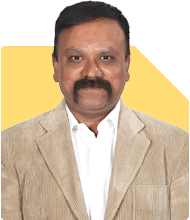
Dr Nagarajan J S K |2576 Answers |Ask -Follow
NEET, Medical, Pharmacy Careers - Answered on Dec 06, 2025


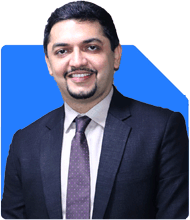
Mihir Tanna |1090 Answers |Ask -Follow
Tax Expert - Answered on Dec 06, 2025
Asked by Anonymous - Dec 04, 2025Hindi

Ramalingam Kalirajan |10872 Answers |Ask -Follow
Mutual Funds, Financial Planning Expert - Answered on Dec 06, 2025
Radheshyam Zanwar |6736 Answers |Ask -Follow
MHT-CET, IIT-JEE, NEET-UG Expert - Answered on Dec 06, 2025

Radheshyam Zanwar |6736 Answers |Ask -Follow
MHT-CET, IIT-JEE, NEET-UG Expert - Answered on Dec 06, 2025

Radheshyam Zanwar |6736 Answers |Ask -Follow
MHT-CET, IIT-JEE, NEET-UG Expert - Answered on Dec 06, 2025



Dr Dipankar Dutta |1837 Answers |Ask -Follow
Tech Careers and Skill Development Expert - Answered on Dec 05, 2025



Dr Shyam Jamalabad |108 Answers |Ask -Follow
Dentist - Answered on Dec 05, 2025


Dr Shyam Jamalabad |108 Answers |Ask -Follow
Dentist - Answered on Dec 05, 2025