Need Expert Advice?Our Gurus Can Help
Reetika

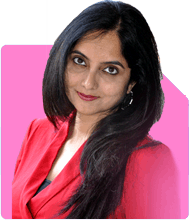
Reetika Sharma  | Answer  |Ask -

Financial Planner, MF and Insurance Expert - Answered on Jan 21, 2026

Reetika Sharma is a certified financial planner and CEO of F-Secure Solutions.
She advises clients about investments, insurance, tax and estate planning and manages high net-worth individual’s portfolios.
Reetika has an MBA in finance from the Institute of Chartered Financial Analysts of India (ICFAI) and an engineer degree from NIT, Jalandhar.
She also holds certifications from the Financial Planning Standards Board India (FPSB), Association of Mutual Funds in India (AMFI) and Insurance Regulatory and Development Authority of India (IRDAI).... more
Asked by Anonymous - Jan 18, 2026Hindi
Money

I am 42, I have two daughters 17 and 13. Me and my wife earn 5L per month currently. We do not know when we will stop being as productive as this We currently have the following portfolio 1. 1.2cr PF 2. 17L PPF 3. 40L MF 4. Real estate (3 flats in city and 5 acres in hometown) 4cr 5. Liquid 1 cr Upcoming life events 1. Kids college 2. Kids marriage After these between me and wife we need atleast 1L per month to live. I want to continue to work for 10 more years and my wife will work for 5 more. Can I retire early?

Ans: Hi,

You two are earning well and have accumulated a lot at such young age. Let us analyse in detail:
- Liquid - 1 crore >> this can take care of the immediate requirement for your kid's higher education.
- Your current investments in PF, PPF and MF - can be considered a portion for your retired life.
- Land and Flats worth 4 crores - can liquidate worth half value to keep it aside for your kids marriage.
- Save aggressively in equity and balanced mutual funds till the time you guys are working. Investing as small as 2 lakhs per month for next 10 years can grow your MF corpus from 40 lakhs to 6 crores.
This along with your PF is more than sufficient for the two of you to retire at your respective paces.

Make sure that the current MF investment along with planned SIP of 2 lakhs monthly is done under professional supervision. Any wrong investment can lower returns and create a negative impact.

Summary - You are on the right path. Start investing aggressively for next 10 years and consider liquidating 50% of your real estate assets to fulfil kids education and marriage.

And also consult a professional Certified Financial Planner - a CFP who can guide you with exact funds to invest in keeping in mind your age, requirements, financial goals and risk profile. A CFP periodically reviews your portfolio and suggest any amendments to be made, if required.

Let me know if you need more help.

Best Regards,
Reetika Sharma, Certified Financial Planner
https://www.instagram.com/cfpreetika/
DISCLAIMER: The content of this post by the expert is the personal view of the rediffGURU. Users are advised to pursue the information provided by the rediffGURU only as a source of information to be as a point of reference and to rely on their own judgement when making a decision.
Money

You may like to see similar questions and answers below

Ramalingam

Ramalingam Kalirajan  |11503 Answers  |Ask -

Mutual Funds, Financial Planning Expert - Answered on May 06, 2024

Asked by Anonymous - Apr 28, 2024Hindi
Listen
Money
I am 40 year old below is my portfolio, current monthly expenses is 80k. Monthly income 4.5 lacs including pf after taxes , investing 60k mf , 60k stocks , 1 lac in pf , PPF, ssy and lic. 1.5 lacs emi in site loan which has just started, which will be there for another 6 years. Me and my wife work in IT , having 5 year old daughter. Can we retire by 50 ? Own apartment loan paid off MF mix of small , mid , large and international - 70 lacs Direct coffe can stocks - 30 lacs PPF , PF , SSY , LIC - 1 CR
Ans: Retiring by 50 is an ambitious goal, but with careful planning and disciplined execution, it can be achievable. Here are some steps you can take:

Evaluate Your Financial Position: Review your current assets, liabilities, and investment portfolio. Ensure that you have a clear understanding of your financial situation.
Calculate Retirement Corpus: Estimate your desired retirement corpus based on your expected post-retirement expenses, inflation, and life expectancy. Consider consulting a financial planner for a detailed analysis.
Optimize Investments: Continue investing in a mix of mutual funds, stocks, and other instruments to grow your wealth. Since you have a diversified portfolio, ensure it aligns with your risk tolerance and investment objectives.
Accelerate Savings: Increase your monthly investments if possible to accelerate wealth accumulation. Consider reallocating resources from lower-yield assets to those offering higher returns, keeping risk in mind.
Debt Management: Focus on paying off your site loan within the next six years. Reducing debt will free up more resources for savings and investments.
Emergency Fund: Maintain an adequate emergency fund to cover unforeseen expenses. Aim for 6-12 months' worth of living expenses in a liquid and accessible account.
Plan for Contingencies: Consider factors like healthcare expenses, education costs for your daughter, and any other unforeseen events. Ensure you have adequate insurance coverage to mitigate risks.
Retirement Lifestyle: Define your desired retirement lifestyle and associated expenses. This will help you determine the size of your retirement corpus more accurately.
Regular Review: Periodically review your financial plan to track progress and make necessary adjustments. Stay informed about changes in tax laws, investment opportunities, and market trends.
Seek Professional Advice: Consider consulting a Certified Financial Planner to create a comprehensive retirement plan tailored to your specific goals and circumstances.
Remember, achieving early retirement requires discipline, sacrifice, and careful financial management. While it may seem challenging, with dedication and the right approach, you can work towards realizing your goal of retiring by 50.

..Read more

Ramalingam

Ramalingam Kalirajan  |11503 Answers  |Ask -

Mutual Funds, Financial Planning Expert - Answered on May 24, 2024

Asked by Anonymous - May 20, 2024Hindi
Money
Hi I am 44yrs old with wife and a 13yr old kid.My networth is around 7.5cr.This includes 2 loan free houses,1 is approx 1.3cr which is giving me a rental income of 25k per month and other is 2cr in which we stay.I have approx 3.5cr investments in MF and Stocks.Around 10L in PPF.Around 60L in high risk lending which gives me 1lac p.m.Out of the MF investments i have put 1cr in SWP for a monthly 30k rest in equity.I have covered my family with health insurance aswell. Can I retire?
Ans: Assessing Your Retirement Readiness
Firstly, congratulations on building a strong financial foundation. Your net worth of ?7.5 crores and diversified investments show careful planning and diligence. Let’s evaluate if you can retire comfortably and maintain your lifestyle.

Current Financial Position
Real Estate
You own two loan-free houses valued at ?1.3 crores and ?2 crores. The rental income from one house is ?25,000 per month. This provides a steady and reliable income stream. The other house, where you reside, adds to your asset base but does not generate income.

Mutual Funds and Stocks
Your investments in mutual funds and stocks total approximately ?3.5 crores. This significant investment can provide both growth and income. Additionally, ?1 crore is in a Systematic Withdrawal Plan (SWP) generating ?30,000 per month.

PPF and High-Risk Lending
You have ?10 lakhs in PPF, a safe and tax-efficient investment. Additionally, you earn ?1 lakh per month from ?60 lakhs in high-risk lending. This income contributes substantially to your monthly cash flow.

Health Insurance
You have covered your family with health insurance, ensuring financial protection against medical emergencies.

Monthly Income Analysis
Your current monthly income includes:

?25,000 from rental income
?30,000 from SWP
?1 lakh from high-risk lending
This totals ?1.55 lakhs per month.

Estimating Monthly Expenses
To determine if you can retire, compare your monthly income to your expenses. Assume your monthly expenses, including living costs, education, and lifestyle, are around ?1.5 lakhs.

Income vs. Expenses
Your current passive income matches your estimated expenses, suggesting you can maintain your lifestyle without additional income. However, consider future expenses, inflation, and potential risks.

Future Financial Needs
Children’s Education
Your 13-year-old child will need funds for higher education. Set aside a portion of your investments specifically for this goal. Consider the rising costs of education and plan accordingly.

Inflation Adjustment
Inflation reduces the purchasing power of money over time. Ensure your investments grow faster than inflation. Diversify into growth-oriented assets like equity mutual funds.

Healthcare Costs
Healthcare costs increase with age. Ensure your health insurance covers potential future medical expenses. Consider adding a super top-up plan for additional coverage.

Optimising Your Investment Portfolio
Diversify Mutual Funds
Your current investments in mutual funds should be reviewed and optimised. Actively managed funds can potentially provide better returns than index funds. Professional fund managers can navigate market conditions and seek higher returns.

Reduce High-Risk Lending Exposure
High-risk lending provides substantial income but carries significant risk. Gradually reduce your exposure and reinvest in more stable assets like mutual funds or bonds. This reduces risk while maintaining income.

Continue Systematic Withdrawal Plan (SWP)
Your SWP provides regular income. Ensure the remaining mutual fund investments are diversified and growth-oriented. Regularly review and rebalance your portfolio.

Professional Management
Benefits of Certified Financial Planner (CFP)
A CFP can provide professional guidance, helping you navigate market conditions and adjust your investments. They ensure your portfolio aligns with your retirement goals.

Disadvantages of Direct Funds
Direct funds have lower expense ratios but require self-management. Without professional guidance, you might miss crucial market insights. Investing through a CFP ensures professional management and strategic adjustments.

Emergency Fund
Maintain an emergency fund covering at least six months of expenses. This ensures you don’t need to liquidate investments during market downturns or emergencies.

Estate Planning
Plan your estate to ensure your assets are distributed according to your wishes. This includes writing a will and considering trusts for asset protection and efficient transfer to heirs.

Conclusion
Based on your current financial situation, you are on track to retire comfortably. Your diversified investments and steady income streams support your lifestyle. However, consider potential future expenses, inflation, and healthcare costs. Regularly review and adjust your portfolio with the help of a Certified Financial Planner to ensure long-term financial security.

Best Regards,

K. Ramalingam, MBA, CFP,

Chief Financial Planner,

www.holisticinvestment.in

..Read more

Ramalingam

Ramalingam Kalirajan  |11503 Answers  |Ask -

Mutual Funds, Financial Planning Expert - Answered on May 29, 2024

Asked by Anonymous - May 26, 2024Hindi
Listen
Money
My age is 43 and I have two children aged 10 and just born...I own a house and a small property...I have 2 crores spread across stocks, mutual fund, fds, ulips and pf...can I retire now and manage the rest of my life with a decent lifestyle?
Ans: Retiring at 43 with two children and a desire for a decent lifestyle requires careful planning. You have Rs 2 crores spread across various investments. Let’s evaluate if you can retire now and maintain your desired lifestyle.

Assessing Your Current Financial Situation
You have a well-diversified portfolio, which is commendable. Your assets include:

Stocks and Mutual Funds: Potential for high returns but come with market risks.

Fixed Deposits (FDs): Provide stability and guaranteed returns, though lower than other options.

Unit Linked Insurance Plans (ULIPs): Offer a mix of insurance and investment, but may have higher costs.

Provident Fund (PF): Secure and tax-efficient long-term savings.

Owning a house and a small property adds to your stability. However, these are less liquid assets and should not be the sole reliance for cash flow.

Calculating Retirement Expenses
To determine if you can retire, estimate your future expenses. Consider the following factors:

Monthly Living Expenses
Estimate your current monthly expenses and adjust for inflation. Include costs for housing, utilities, groceries, transportation, and leisure activities.

Children’s Education
Education costs will be significant, especially with one child just born. Plan for school fees, extracurricular activities, and higher education costs.

Healthcare Costs
Healthcare expenses tend to rise with age. Ensure you have adequate health insurance coverage for your family.

Emergency Fund
Maintain an emergency fund to cover unexpected expenses. This fund should be liquid and easily accessible.

Generating Retirement Income
Your Rs 2 crores must be allocated wisely to generate a steady income. Here’s how you can structure your portfolio:

Diversified Mutual Funds
Mutual funds can offer growth potential. Opt for actively managed funds through a Certified Financial Planner (CFP). They provide professional management and timely rebalancing.

Fixed Deposits and Bonds
Fixed deposits and bonds offer stability and guaranteed returns. Allocate a portion of your funds here to ensure a steady income stream.

Provident Fund
Your PF is a secure long-term investment. Ensure it is well-managed and keep track of interest accruals.

Systematic Withdrawal Plans (SWPs)
Use SWPs from mutual funds to generate a regular income. This allows for a steady cash flow while keeping your principal invested.

Insurance
Ensure you have adequate life and health insurance. This will protect your family in case of unforeseen events.

Managing Risks and Returns
Balancing risk and return is crucial for a sustainable retirement. Here are some strategies:

Regular Review
Regularly review your portfolio and adjust based on market conditions and personal needs. A CFP can assist in maintaining the right balance.

Diversification
Diversify your investments across various asset classes. This spreads risk and increases the potential for steady returns.

Inflation Protection
Invest in instruments that offer inflation-beating returns. Equities and certain mutual funds can help counteract inflation.

Evaluating Current Lifestyle and Future Goals
Consider your current lifestyle and future goals. Will you need to downsize your home, or will you plan to travel more? These factors affect your financial needs.

Tax Planning
Efficient tax planning can save money and enhance your retirement corpus. Use tax-saving instruments and strategies advised by a CFP.

Potential Challenges
Market Volatility
Market fluctuations can impact your portfolio. Diversification and regular reviews help mitigate this risk.

Longevity Risk
Outliving your retirement funds is a concern. Plan for a longer retirement horizon to ensure financial security.

Monitoring and Adjusting Your Plan
Regularly monitor your financial plan. Adjust based on changing needs, market conditions, and life events. This ensures your plan remains effective.

Conclusion
Retiring at 43 with Rs 2 crores and two children is ambitious but achievable with careful planning. Diversify your investments, plan for inflation, and ensure adequate insurance coverage. Regularly review and adjust your plan with the help of a Certified Financial Planner (CFP). This approach ensures a secure and comfortable retirement.

Best Regards,

K. Ramalingam, MBA, CFP

Chief Financial Planner,

www.holisticinvestment.in

..Read more

Ramalingam

Ramalingam Kalirajan  |11503 Answers  |Ask -

Mutual Funds, Financial Planning Expert - Answered on Aug 18, 2025

Asked by Anonymous - Aug 10, 2025Hindi
Money
Need your expert advice. I am 42 and want to know when can i retire. My current expense is 1.5 to 2 laks (2 kids - 12 and 10 years). My current portfolio is 1) 18 years of MF investment, currently investing 80K per month. Total invested value 78 L and current value is 1.45 Cr 2) PF value 80 L 3) Rental income 55K 4) RSU value after tax 70 L 5) OD account home loan 63 L (Maintaining full amount in OD so that i can use it for any investment or emergency usage) 6) 2 apartments and one under constructing independent house (No loan apart from onr mentioned above) 7) Term and health insurance covered
Ans: You are 42 and already have built very strong financial assets. You also have clarity about expenses and goals. That itself is a big achievement. You want to know when you can retire. Let us assess from all sides and give you a structured answer.

» Current Strengths
– You have Rs.1.45 crore in mutual funds from 18 years of disciplined investing.
– PF corpus is Rs.80 lakh, which gives stability for retirement years.
– You are investing Rs.80k monthly in mutual funds, which is very powerful.
– RSUs worth Rs.70 lakh add diversification.
– Rental income of Rs.55k per month reduces pressure on salary.
– OD loan is fully balanced with equal cash, so interest cost is zero.
– Term and health insurance already in place, so family is safe.
– You own 2 apartments and a house under construction, giving stability.

» Current Concerns
– Current expense is Rs.1.5 to 2 lakh monthly, which is high.
– Expenses will only grow with children’s education and lifestyle inflation.
– Real estate holdings are large, but liquidity is an issue.
– Education of two kids is approaching in next 5 to 10 years.
– Retirement timing depends on how much you allocate towards liquid, compounding assets.

» Emergency Fund
– Keep at least 6 months’ expenses aside in liquid asset.
– This means Rs.10 to 12 lakh reserve.
– This will ensure you never touch investments for short-term needs.

» Protection Planning
– You already have term and health insurance.
– Check if health insurance cover is at least Rs.15 to 20 lakh for family.
– Increase term cover if current insurance is not sufficient for liabilities and family goals.

» Home Loan OD Account
– Outstanding is Rs.63 lakh, but same balance is maintained in OD.
– That means technically you are debt free, because interest is neutralised.
– You can continue to keep this OD as flexible emergency tool.
– Avoid withdrawing from it for unnecessary ventures.

» Child Education and Marriage Goals
– Both children are 10 and 12, so higher education costs are near.
– In next 5 to 7 years, you may need Rs.70 to 90 lakh for both.
– You should carve out a separate mutual fund allocation for education.
– SIPs from your current Rs.80k should be partly marked for education.
– Marriage costs are later, so can be funded from long-term growth assets.

» Retirement Expense Estimation
– Current monthly expense is Rs.1.5 to 2 lakh.
– In 15 years, this could double due to inflation.
– So retirement need may be Rs.3 to 4 lakh per month.
– You must target a large retirement corpus to sustain.
– Rental income will help but may not cover all.

» Retirement Timing Possibility
– You are 42 now. With present savings, retirement at 50 is not safe.
– Retirement at 55 is possible with continued investing.
– Retirement at 58 to 60 gives maximum comfort.
– If you stop at 50, education costs and retirement both clash.
– If you stop at 55 or later, kids’ education will be over, and corpus will be stronger.

» Mutual Fund Strategy
– You already have Rs.1.45 crore in mutual funds.
– SIP of Rs.80k is excellent.
– Keep equity mutual funds as main driver.
– But avoid direct funds. They give no guidance and no timely advice.
– Regular funds through a Certified Financial Planner help you monitor and rebalance.
– This handholding avoids emotional mistakes in market ups and downs.

» Why Not Index Funds
– Index funds look cheap but only give average market returns.
– They do not protect during falls.
– Active funds can shift to safer companies when market is weak.
– Over many years, actively managed funds create higher wealth.
– At your stage, you cannot afford average returns only.

» PF Allocation
– PF of Rs.80 lakh is already strong.
– Do not withdraw till retirement.
– It gives safety and regular pension-like income after retirement.
– Use PF for stability and mutual funds for growth.

» RSU Allocation
– RSUs worth Rs.70 lakh are big.
– Do not keep everything in employer stock.
– Concentration risk is high if company struggles.
– Gradually diversify some RSUs into mutual funds.

» Rental Income
– Rs.55k rental income is good and stable.
– But real estate is illiquid.
– Maintenance and vacancy risk exist.
– Do not depend fully on rent for retirement income.
– Use it as a secondary support.

» Asset Diversification
– Equity mutual funds should remain your primary growth engine.
– PF and debt options provide safety and balance.
– Real estate is already high in your portfolio.
– Gold can be kept at 5 to 10% for diversification.
– Avoid adding more property. Liquidity and returns are poor.

» Retirement Corpus Planning
– To get Rs.3 to 4 lakh per month in future, you need a large corpus.
– With your current mutual fund, PF, RSUs, and ongoing SIPs, you are on track.
– But you must continue investing Rs.80k per month till 55 at least.
– Stopping now or reducing SIP will reduce retirement comfort.

» Behavioural Discipline
– Do not stop SIPs when markets fall.
– That is when units are cheaper.
– Stay consistent for compounding to work.
– Avoid chasing hot tips in stock market.

» Annual Review
– Review once a year with a Certified Financial Planner.
– Track if investments are matching retirement and education targets.
– Replace underperforming mutual funds.
– Adjust risk level as retirement approaches.

» Estate Planning
– You have multiple assets across PF, MFs, RSUs, real estate.
– Make nomination in each.
– Write a clear Will for family security.
– This will avoid legal issues later.

» Finally
At 42, you are in a strong position. Retirement at 50 looks risky because education costs are immediate. But retirement at 55 is achievable with your discipline. Retirement at 58 to 60 will be very comfortable. Keep mutual funds as your main compounding engine, diversify RSUs gradually, and avoid buying more property. With Rs.80k monthly SIP, plus PF and rental income, you can create the retirement corpus needed for Rs.3 to 4 lakh monthly in future. Discipline, protection, and annual review will ensure you achieve both family and retirement goals without stress.

Best Regards,

K. Ramalingam, MBA, CFP,

Chief Financial Planner,

www.holisticinvestment.in
https://www.youtube.com/@HolisticInvestment

..Read more

Latest Questions
Ramalingam

Ramalingam Kalirajan  |11503 Answers  |Ask -

Mutual Funds, Financial Planning Expert - Answered on Nov 17, 2026

Money
ant to invest 125000/- in equity today. which is best script I can invest in it?
Ans: Investing Rs.1,25,000 in equity is a good step towards wealth creation. However, rather than investing the entire amount in one individual share, I would suggest considering diversified equity mutual funds.

» Individual Shares vs Mutual Funds

– Investing in one or two shares exposes your money to company-specific risks.
– You need to regularly track company performance, valuations and business developments.
– Mutual funds provide diversification across multiple companies and sectors.
– Actively managed mutual funds also have professional fund management and research support.

» My Suggestion

Consider investing through diversified actively managed equity mutual funds, based on your investment horizon and risk appetite.

– Flexi-cap funds for diversified exposure across market capitalisations.
– Large-cap funds for exposure to established companies.
– Mid-cap funds for investors with a higher risk appetite and longer investment horizon.

If you are investing for less than 5 years, equity may not be suitable for this amount.

» Regular Plan vs Direct Plan

Although direct plans have lower expense ratios, they require you to independently select funds, monitor performance and review your portfolio.

Regular plans through an AMFI-registered MFD provide ongoing guidance, portfolio reviews and support in aligning investments with your financial goals.

» Finally

My preference would be to build a diversified mutual fund portfolio rather than depend on a single stock.

The right allocation depends on your existing investments, investment horizon and risk appetite.

Best Regards,

K. Ramalingam, MBA, CFP,

AMFI-Registered MFD – ARN 4188

www.holisticinvestment.in

https://www.linkedin.com/in/ramalingamcfp/

...Read more

Ramalingam

Ramalingam Kalirajan  |11503 Answers  |Ask -

Mutual Funds, Financial Planning Expert - Answered on Nov 17, 2026

Asked by Anonymous - Nov 16, 2026
Money
Monthly In Hand salary : 1.75L(Post Deduction) Yearly Bonus : 2.3L Age : 39yrs , 1 kid in UKG (5 YO). Salary Deductions: EPF: 16.5K+16.5K, ESPP: 26K, NPS: 13.5K(Total: 72.5K investments) Monthly Investments : LIC Jeevan Anand Premium : 3K, Bandhan Small Cap Fund - Direct Plan - Growth : 7K, ICICI Pru Focused Fund - Direct Plan - Growth : 7K, PPFAS Flexi Cap Fund Growth : 11K, Edelweiss MidCap Fund - Direct-Growth: 10K, ICICI Gold ETF: 5K (Total : 40K ) Current Portfolio: PF Balance : 39L, LIC Jeevan Anand : Sum assured 7L for 20 yrs Started in 2011 , NPS Balance : 10.9L, Company Vested Stocks : 27.5L, Mutual Funds : 13.3L, Indian Stocks: 4L, FD: 2.5L, Savings Account: 5.5L, KVP : 30L (earmarked for kid education) Current Expense: Monthly Expense: 1L (including EMI). Staying in own House with EMI closed. Home loan for additional property ongoing with 41K EMI for 15 years. Term Insurance premium: 35K per annum for 2Cr cover (pay for 10Years covered till 60) and Health Cover(Family floater) for 10L at 17K per annum Looking for advice on existing investments and if I need to do any changes to optimise it in a better way.
Ans: You have built a good financial foundation at 39. Your EPF, NPS, company stocks, mutual funds and dedicated education savings provide a strong starting point.

Your savings discipline is also good. However, there are a few areas where changes can improve diversification, liquidity and long-term wealth creation.

» 1. Overall Financial Position

Your current financial assets are approximately Rs.1.33 Crores, excluding the LIC policy value.

– EPF: Rs.39 Lakhs
– NPS: Rs.10.9 Lakhs
– Company vested stocks: Rs.27.5 Lakhs
– Mutual Funds: Rs.13.3 Lakhs
– Indian stocks: Rs.4 Lakhs
– FD: Rs.2.5 Lakhs
– Savings account: Rs.5.5 Lakhs
– KVP: Rs.30 Lakhs (earmarked for child's education)

This is a good asset base at 39.

However, I notice that a significant portion of your wealth is in EPF, company stocks and KVP. Your diversified equity mutual fund portfolio is relatively small.

» 2. Review Your Existing Mutual Fund Portfolio

Your current SIP is Rs.40,000 per month.

You have exposure to:

– Small-cap funds
– Focused equity funds
– Flexi-cap funds
– Mid-cap funds
– Gold

The overall selection covers different market segments. However, having different fund categories does not always mean proper diversification.

My observations:

– Small-cap and mid-cap funds carry higher volatility. Keep their combined allocation within a suitable limit.
– Focused funds have limited stock holdings and can carry higher concentration risk.
– Flexi-cap funds can provide diversification across large, mid and small companies.
– Check the overlap between your funds. Some may hold similar stocks.

I would prefer a portfolio with a strong diversified equity core rather than too many overlapping funds.

You may continue the existing SIP discipline, but review the allocation before adding more funds.

» 3. Direct Plans vs Regular Plans

You are currently investing in direct plans in some funds.

Direct plans have lower expense ratios, but there are some limitations:

– You need to independently select and monitor the funds.
– Portfolio overlap and asset allocation need regular review.
– You need to decide when to rebalance or change investments.
– There is no dedicated MFD support for portfolio reviews and ongoing guidance.

Regular plans through an AMFI-registered MFD have a higher expense ratio because they include distributor commission.

However, you also get ongoing investment support, portfolio monitoring, goal-based reviews and assistance during market volatility.

The choice should depend on whether you want to manage the portfolio independently or need ongoing professional support.

» 4. Company Stocks – An Important Area to Review

Your vested company stocks are worth Rs.27.5 Lakhs.

This is one area I would pay attention to.

You already depend on your employer for your monthly salary. A large investment in the same company increases your overall exposure to one organisation.

If the company faces business challenges, both your employment and investment value could be affected.

My suggestion:

– Avoid allowing company stocks to become an excessively large part of your portfolio.
– Consider gradually diversifying some holdings.
– Check the tax implications and applicable employee stock plan restrictions before selling.
– Avoid automatically reinvesting all future vested stocks in the same company.

Your investments should be diversified beyond your employer.

» 5. EPF, NPS and PPF-Type Investments

Your EPF balance of Rs.39 Lakhs and NPS balance of Rs.10.9 Lakhs provide a good retirement foundation.

Continue these investments.

However, consider the following:

– Review your NPS asset allocation based on your retirement age.
– Check whether your overall retirement portfolio has adequate equity exposure.
– Avoid excessive concentration in fixed-income investments simply because they appear safer.
– Keep reviewing your retirement corpus along with your mutual fund investments.

Your retirement planning should consider all these assets together.

» 6. KVP – Child Education Corpus

You have Rs.30 Lakhs earmarked for your child's education.

This is a positive step.

Your child is currently five years old, so higher education is still several years away.

However, education costs will increase over time.

My suggestion:

– Estimate the likely higher education expenses.
– Keep the required amount aligned with the education timeline.
– Review whether the existing KVP maturity value will be sufficient.
– Avoid taking unnecessary equity risk with money needed for near-term education expenses.

Do not mix this corpus with your retirement investments.

» 7. LIC Jeevan Anand – Review the Policy

Your policy started in 2011, with a sum assured of Rs.7 Lakhs and a 20-year term.

Since you have already paid premiums for many years, review the following:

– Current surrender value.
– Paid-up value.
– Maturity benefit.
– Remaining premium commitment.
– Actual life cover available.

Compare the future benefits with the remaining premiums before deciding whether to continue or surrender.

Your Rs.2 Crore term insurance is the main life protection for your family. The LIC policy should be assessed separately as an investment-cum-insurance product.

» 8. Loan and Cash Flow Management

You have an additional property loan with an EMI of Rs.41,000 for 15 years.

Your current monthly expenses are Rs.1 Lakh, including EMI.

Since you have a young child and a long-term investment horizon:

– Avoid unnecessary additional borrowing.
– Continue maintaining sufficient liquidity.
– Consider part-prepayment if the loan interest rate is high and your cash flow permits.
– Do not use your entire savings for loan closure.

Your FD and savings account together provide Rs.8 Lakhs.

This is useful liquidity. However, maintain an emergency reserve covering at least 6–9 months of essential expenses and EMI commitments.

» 9. Insurance Protection

Your Rs.2 Crore term cover is a good starting point.

However, check whether it is adequate considering your outstanding loan, child's education and family's future expenses.

Your family floater health cover of Rs.10 Lakhs may be on the lower side for a family living in a metro like Mumbai.

I suggest reviewing:

– Increasing the base health cover, if affordable.
– Adding a suitable super top-up policy.
– Checking room rent limits, co-payment and pre-existing disease conditions.

» 10. My Suggested Investment Approach

You are already investing substantially every month through EPF, NPS, ESPP and mutual funds.

I would focus on improving the quality of your existing portfolio rather than simply increasing the number of investments.

My broad approach would be:

– Continue EPF and NPS contributions.
– Review and diversify company stock exposure.
– Maintain your child's education corpus separately.
– Simplify overlapping mutual fund investments.
– Maintain suitable large-cap, flexi-cap and mid/small-cap exposure based on risk capacity.
– Keep gold as a diversifier, not as the main wealth creation asset.
– Increase SIPs with future salary increments.

» Final Insights

At 39, you have around 16–21 years before a typical retirement age of 55–60.

Your current financial position gives you a good head start.

However, I see three areas that deserve attention:
1. Your company stock exposure is relatively high.
2. Your mutual fund portfolio needs better diversification and overlap analysis.
3. Your retirement and child's education goals need separate projections.
I would not recommend making major changes to all your investments immediately. A structured review can help identify what to retain, modify and gradually diversify.

The objective should be to build a strong retirement corpus, fund your child's higher education and remain financially secure even if your employment situation changes.

Best Regards,

K. Ramalingam, MBA, CFP,

AMFI-Registered MFD – ARN 4188

www.holisticinvestment.in

https://www.linkedin.com/in/ramalingamcfp/

...Read more

Anu

Anu Krishna  |1832 Answers  |Ask -

Relationships Expert, Mind Coach - Answered on Nov 17, 2026

Asked by Anonymous - Nov 10, 2026
Relationship
Is it okay to fake a marriage? A friend recently advised that all marriages require some sort of compromise. Usually one partner compromises more than the other. And after certain years, the one who compromises the most tends to feel betrayed and taken for granted. I have been feeling the same. After 22 years of marriage, I have realised that my partner never understood my likes, dislikes or took a stand for me. But he expects me to behave normally about it. We have two kids and I don't want to lie to them. They are 13 and 17. How to tell them what I am going through? Will it create more differences in our family? I am not working, I am 12th pass. I am a housewife. How can I deal with this situation?
Ans: Dear Anonymous,
It's possible to fake anything BUT for how long?
My suggestion will usually be: work on it and if you can't or don't want to, then work around it...
Start to build a life that also keeps you in the center of it all so that you keep your identity as a woman with likes, dislikes, desires, opinions...it will help you navigate your marriage better.
In my opinion, telling the children who are not old enough to understand will only make matters worse for you...Talk to your husband instead and if that isn't going to change anything and you still want to be in the marriage, start finding ways to navigate through it...
Build your identity; SOON!!!!!!!

All the best!
Anu Krishna
Mind Coach|NLP Trainer|Author
Drop in: www.unfear.io
Reach me: Facebook: anukrish07/ AND LinkedIn: anukrishna-joyofserving/

...Read more

Anu

Anu Krishna  |1832 Answers  |Ask -

Relationships Expert, Mind Coach - Answered on Nov 17, 2026

Asked by Anonymous - Oct 26, 2026
DISCLAIMER: The content of this post by the expert is the personal view of the rediffGURU. Investment in securities market are subject to market risks. Read all the related document carefully before investing. The securities quoted are for illustration only and are not recommendatory. Users are advised to pursue the information provided by the rediffGURU only as a source of information and as a point of reference and to rely on their own judgement when making a decision. RediffGURUS is an intermediary as per India's Information Technology Act.

Close  

You haven't logged in yet. To ask a question, Please Log in below
Login

A verification OTP will be sent to this
Mobile Number / Email

Enter OTP
A 6 digit code has been sent to

Resend OTP in120seconds

Dear User, You have not registered yet. Please register by filling the fields below to get expert answers from our Gurus
Sign up

By signing up, you agree to our
Terms & Conditions and Privacy Policy

Already have an account?

Enter OTP
A 6 digit code has been sent to Mobile

Resend OTP in120seconds

x