Home > Money > Question
Need Expert Advice?Our Gurus Can Help

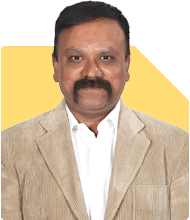
Ramalingam

Ramalingam Kalirajan  |10872 Answers  |Ask -

Mutual Funds, Financial Planning Expert - Answered on May 15, 2025

Ramalingam Kalirajan has over 23 years of experience in mutual funds and financial planning.
He has an MBA in finance from the University of Madras and is a certified financial planner.
He is the director and chief financial planner at Holistic Investment, a Chennai-based firm that offers financial planning and wealth management advice.... more
Asked by Anonymous - Apr 13, 2025

Money

Hi, I am 35 years old. I am married and have 2 kids. I have 30L in mutual funds spread across Quant ELSS (9L), Quant Multi Asset (5L), ICICI Pru Equity &Debt (7L), and Kotak Debt fund (5L). Remaining is spread across small and midcap funds. I have 30L in PPF and 4L in NPS (started in 2023). I have a monthly SIP of 40k, and a house loan with 25L outstanding. Further, have 10L in LIC and 1.5cr worth Term insurance (fully paid for). My first house is self occupied and 2nd can fetch a rent of 30k in a few months time. How much corpus can I aim for if I continue investment till 55 years (unsure of job continuity in IT sector). Both my kids are daughters and their education could be significant expense going by the fees hikes (6yrs and 2 yrs). Please guide me. Also, do you help plan portfolio, and if so, how can I hire you please?

Ans: You’ve built a strong foundation already. You’ve spread your assets wisely across mutual funds, PPF, NPS, and insurance. Your awareness of job uncertainty in the IT sector, along with your responsibilities towards two young daughters, shows a clear mindset.

Let us now assess your current position, future goal feasibility, and scope for betterment — step-by-step — from a Certified Financial Planner perspective.

Present Financial Strength – A Quick Snapshot
You have Rs. 30 lakhs in mutual funds.

Your funds are spread across ELSS, multi-asset, equity & debt, small and midcaps.

Rs. 30 lakhs is invested in PPF — this is tax-free and risk-free.

NPS corpus is Rs. 4 lakhs — still new, but growing steadily.

Monthly SIP is Rs. 40,000 — that is strong and consistent investing.

You have a house loan with Rs. 25 lakhs balance — manageable if income stays stable.

LIC worth Rs. 10 lakhs — traditional policies often offer low returns.

You hold a paid-up Rs. 1.5 crore term insurance — excellent move.

You expect Rs. 30,000 monthly rent soon — this adds passive income.

Age is 35 — you have 20 years till age 55. Good time frame to build corpus.

Two daughters aged 6 and 2 — education and marriage are major goals.

Strengths in Your Portfolio
Your SIP amount is Rs. 40,000 monthly. This builds discipline and long-term wealth.

You have well-diversified mutual fund holdings across asset classes.

PPF gives you a solid debt component and future tax-free maturity.

NPS is also building retirement support, although partially taxable.

Term insurance is enough to protect family in case of risk to life.

LIC is traditional. But if it’s an endowment or money-back, consider surrendering.

Second house rental of Rs. 30,000 adds safety buffer for job loss or added SIP.

Areas That Need Adjustment
LIC returns are often around 4%-5% post tax. That’s too low for long term growth.

If the LIC is investment-linked (not term), consider surrendering and reinvesting.

Rs. 4 lakh in NPS is too low now. You may step it up gradually to get 80CCD(1B) benefit.

Rs. 30 lakh mutual funds across too many schemes may lead to overlap.

Too much exposure to small and midcap can add volatility.

There’s no clarity if these mutual funds are regular or direct. If direct, switch.

Always invest through Certified Financial Planner via MFD in regular plans.

Direct plans lack personal review. They miss risk assessment, goal matching and timing.

Regular plans through a CFP bring monitoring, timely rebalancing, and behavioural coaching.

Index funds are not suggested — they follow markets blindly.

Active funds, managed by experts, help during market corrections and give better long-term returns.

Asset allocation, risk profiling, and rebalancing are not possible in index funds.

Future Goal Planning — With 360° View
Education of Both Daughters
Your first daughter is 6 years now.

She will enter graduation in 10-12 years. Expenses may be around Rs. 50-60 lakhs or more.

Your second daughter is 2 now. Her education will peak after 14-16 years.

You need to earmark Rs. 1 crore or more combined, for both higher education.

This will rise with inflation. Education cost doubles every 8-9 years.

Start two separate SIPs of Rs. 10,000 each. One for each daughter.

Assign suitable mutual funds with proper time horizon and risk appetite.

PPF for children is helpful but may not beat inflation alone.

So mix equity and hybrid mutual funds for education. Keep reviewing every 2-3 years.

As you near the goal, shift to safer debt funds to avoid market shocks.

Daughter’s Marriage Goal
Marriage is an emotional goal. Many parents want to give their daughters best.

You may need Rs. 40-50 lakhs for each daughter in 20-25 years.

Do not compromise your retirement for this.

Keep a separate SIP for each marriage goal. Can start with Rs. 5,000 monthly per daughter.

Increase SIPs every year by 10%-15% to beat inflation.

Use mix of large and multi cap funds for long-term wealth here.

Retirement Planning — Age 55 Dream
You want to retire at 55. You are 35 now. That gives 20 years.

After that, you may live another 30 years or more. That needs a big retirement corpus.

Currently, you have Rs. 30L in mutual funds, Rs. 30L in PPF, Rs. 4L in NPS.

Your SIP is Rs. 40,000 monthly — which can grow well in 20 years.

However, remember that kids’ education and marriage will take away part of this wealth.

Hence, you must do retirement planning separately.

At least Rs. 15,000 of your SIP should be marked only for retirement.

Increase this every year by 10%-15%. Your income will also rise.

PPF and NPS are supportive, but equity mutual funds will be main engine.

Don’t depend only on PPF. Real return after inflation is very low.

Avoid mixing emergency corpus and retirement corpus.

Rental income is welcome, but don’t consider it main retirement source.

Property maintenance, tenant risk, vacancy are issues in old age.

Better to have SWP from mutual funds post 55 for monthly income.

Shift lump sum from ELSS, mid cap, etc. to balanced or hybrid funds post 50.

Use retirement calculator every 2 years to track your goal value and SIP adequacy.

Emergency Fund and Home Loan Handling
You have Rs. 25L outstanding on home loan.

If interest rate is above 8.5%, try part-prepay it using excess cash.

But don’t rush to close home loan by using your PPF or SIP.

Keep 6-9 months of expenses in liquid or ultra-short debt fund.

Rental income of Rs. 30,000 per month can partly cover EMI.

Once rent starts, you can divert your savings more towards retirement.

What Can Be Your Corpus by Age 55?
You already have Rs. 30L in MFs, Rs. 30L in PPF, Rs. 4L in NPS.

With Rs. 40,000 SIP and increase every year, and 20-year horizon, good wealth is possible.

If you invest consistently and increase SIPs by 10% yearly:

You may reach Rs. 3.5 Cr to Rs. 4 Cr in mutual fund corpus by 55.

PPF corpus may become Rs. 75-90 lakhs.

NPS can grow to Rs. 40-50 lakhs.

Total retirement corpus may touch Rs. 5.5 Cr to Rs. 6 Cr range.

This is possible only if kids’ goals are separately planned.

If kids’ education and marriage costs are pulled from the same corpus, it reduces to Rs. 3.5 Cr.

That is not enough for 30-year retirement.

Hence, separate SIPs for education, marriage, and retirement is must.

Actionable Steps To Take Now
Surrender the LIC policy if it is not term-based. Reinvest amount in mutual funds.

Classify mutual funds into three buckets — education, marriage, retirement.

Separate SIP for each. Increase every year.

Don’t hold too many funds. 6-8 well chosen funds are enough.

Prefer regular funds through MFD guided by CFP, not direct funds.

Direct funds lack human rebalancing, emotional coaching, and proper risk alignment.

Don’t invest more in real estate now. Maintenance and liquidity are issues.

Review your asset allocation yearly. Keep 60:40 ratio equity:debt for long term.

Use tax-loss harvesting every March to manage mutual fund capital gains.

Follow the new MF tax rules:

  - Equity LTCG above Rs. 1.25L taxed at 12.5%

  - Equity STCG taxed at 20%

  - Debt funds fully taxed as per your slab.

Assign nominees to all accounts. Digitise your financial records.

Make a will and power of attorney. It secures your family’s future.

And lastly, review all goals with your Certified Financial Planner every 12 months.

Finally
You’re on a good path. But your goals are heavy and time-bound. Your SIP and assets can support your dreams — only if each rupee is purpose-tagged and regularly reviewed.

Don’t mix goals. Assign each investment with a future outcome. Match time, risk, and return.

Surrender slow-moving products like LIC and switch to active funds.

Avoid direct plans, index funds, or annuities. They look cheap, but they cost you in the long run.

You have time, energy, and discipline. Combine that with guidance from a Certified Financial Planner.

Yes, we offer complete portfolio review, SIP guidance, and goal-based financial planning.

We also support you in mutual fund implementation via MFD route. All investments are mapped, monitored, and rebalanced periodically.

You can connect with our team anytime from the website link below in the signature.

Let’s shape your dreams into reality — one step, one SIP, one strategy at a time.


Best Regards,

K. Ramalingam, MBA, CFP,

Chief Financial Planner,

www.holisticinvestment.in
https://www.youtube.com/@HolisticInvestment
DISCLAIMER: The content of this post by the expert is the personal view of the rediffGURU. Users are advised to pursue the information provided by the rediffGURU only as a source of information to be as a point of reference and to rely on their own judgement when making a decision.
Money

You may like to see similar questions and answers below

Ramalingam

Ramalingam Kalirajan  |10872 Answers  |Ask -

Mutual Funds, Financial Planning Expert - Answered on Jun 14, 2024

Money
Sir, I am 43 years old living in UAE, with FD of 10L and current MF accumulation of 1.04 Cr and monthly SIP 50K along. I have a 2BHK apartment in Chennai which yields a rent of 8000 Rs and a 3-bedroom house inherited from my parents as gift where we live currently. Along with this we have 2400 Sq ft of land in Chennai and 3000 Sq ft of land in Madurai. I am contributing 69K yearly for the last 11 years in my name until 2035 (expected returns 30Lakhs), 28K yearly in my daughter’s name until 2034 (expected returns 10Lakhs). Addition to this i have icici pru gift long terms with annual payment of 2L Rs on my name (to pay for another 10 years and the return of 16K per month) icici future perfect 1L Rs (to pay for another 10 years). Will receive a sum of 5L Rs from a LIC policy which is getting matured this year and a Term policy of 2 Cr for which I must pay 47K annually and it must be paid for another 22 years and 20 Lakhs worth of gold. I wish to invest in stocks in the next 7 years with an average risk and stop SIP at the age of 50. I have a 9th grade daughter who wishes to pursue Medicine and a son who is in grade 2. I wish to retire at the age of 50 (7 years from now) and start consulting. Could you please guide me how much corpus I should create in the next 7 years to live a normal lifestyle and ensure to pay the balance ICICI investments and my daughters’ education regards Raj
Ans: Current Financial Situation
Raj, you have done a commendable job in managing your finances and building a diversified portfolio. Let's assess your current financial landscape.

Fixed Deposits and Mutual Funds
You have a fixed deposit (FD) of Rs 10 lakhs and a mutual fund (MF) portfolio worth Rs 1.04 crore. You also contribute Rs 50,000 monthly to SIPs. This shows a disciplined approach towards long-term wealth creation.

Real Estate Holdings
You own a 2BHK apartment in Chennai, which generates a rental income of Rs 8,000 per month, and a 3-bedroom house inherited from your parents. Additionally, you possess 2400 sq ft of land in Chennai and 3000 sq ft of land in Madurai.

Insurance and Investments
You have various insurance and investment plans:

Annual contribution of Rs 69,000 for yourself until 2035 (expected returns Rs 30 lakhs).
Annual contribution of Rs 28,000 for your daughter until 2034 (expected returns Rs 10 lakhs).
ICICI Pru Gift Long Term with an annual payment of Rs 2 lakhs, yielding Rs 16,000 monthly after maturity.
ICICI Future Perfect with an annual payment of Rs 1 lakh for another 10 years.
LIC policy maturing this year with a sum assured of Rs 5 lakhs.
Term policy with a cover of Rs 2 crore, annual premium Rs 47,000 for the next 22 years.
Gold worth Rs 20 lakhs.
Family Commitments
Your daughter, currently in 9th grade, aspires to pursue medicine. Your son is in grade 2. You plan to retire at 50 and transition into consulting.

Financial Goals
To ensure a smooth transition into retirement and meet your financial obligations, let's break down your goals:

Retirement Corpus
Daughter's Education
Continuation of Investments
Living Expenses Post-Retirement
Retirement Corpus
You plan to retire in 7 years. To maintain a comfortable lifestyle post-retirement, you need to determine a retirement corpus. This corpus should cover your monthly expenses, healthcare, and unforeseen emergencies.

Daughter's Education
Medical education is expensive. It is crucial to allocate sufficient funds for your daughter's medical education to avoid financial stress later.

Continuation of Investments
You have ongoing investments that require continued funding. Ensuring these are adequately funded until their maturity is essential for maximizing returns.

Living Expenses Post-Retirement
Post-retirement, you will require a steady income to cover living expenses. Your rental income, SIP returns, and maturity proceeds from insurance plans will contribute to this.

Strategy to Achieve Financial Goals
To meet your financial goals efficiently, consider the following strategies:

Increase SIP Contributions
Currently, you invest Rs 50,000 monthly in SIPs. Increasing this amount will help accumulate a larger corpus. Given your current financial stability, consider increasing your SIP contributions by 10-15% annually. This will compound your wealth significantly over the next 7 years.

Diversify Mutual Fund Investments
Review your mutual fund portfolio and diversify across various sectors and market caps. Actively managed funds tend to outperform index funds in the long run due to professional fund management and active stock selection. This can provide better returns and reduce risks.

Surrender Low-Yield Insurance Policies
Your LIC policy maturing this year will yield Rs 5 lakhs. Reinvest this amount in mutual funds for better returns. Assess the ICICI Pru Gift Long Term and ICICI Future Perfect plans. If they are not performing well, consider surrendering them and reinvesting in higher-yield mutual funds. This can maximize returns and provide better growth opportunities for your investments.

Plan for Daughter's Education
Estimate the total cost of your daughter's medical education, including tuition fees, living expenses, and other costs. Create a dedicated education fund using a mix of debt and equity mutual funds. This will ensure safety and growth of the corpus.

Utilize Gold Holdings
Your gold holdings worth Rs 20 lakhs can be a valuable asset. Consider partial liquidation of gold to fund higher-yield investments. Alternatively, keep the gold as a hedge against inflation and as a contingency fund.

Create an Emergency Fund
Ensure you have an emergency fund covering at least 6-12 months of living expenses. This fund should be in a liquid asset class, such as a liquid mutual fund or a high-interest savings account, to access funds readily in case of emergencies.

Investment in Mutual Funds
Instead of investing directly in stocks, mutual funds can provide a balanced approach to achieving your financial goals with moderate risk. Here are the benefits:

Professional Management: Mutual funds are managed by professional fund managers who have the expertise to make informed investment decisions.
Diversification: Mutual funds provide diversification across various sectors and asset classes, reducing overall risk.
Liquidity: Mutual funds offer liquidity, allowing you to redeem your investments as needed.
Tax Efficiency: Equity mutual funds held for more than a year qualify for long-term capital gains tax benefits.
Increase SIP Contributions in Mutual Funds
Currently, you invest Rs 50,000 monthly in SIPs. Increasing this amount will help accumulate a larger corpus. Given your current financial stability, consider increasing your SIP contributions by 10-15% annually. This will compound your wealth significantly over the next 7 years.

Diversify Mutual Fund Investments
Review your mutual fund portfolio and diversify across various sectors and market caps. Actively managed funds tend to outperform index funds in the long run due to professional fund management and active stock selection. This can provide better returns and reduce risks.

Corpus Calculation for Retirement
To estimate the corpus required for retirement, consider the following:

Monthly Living Expenses: Calculate your current monthly expenses and account for inflation.
Healthcare Costs: Factor in healthcare costs, which tend to rise with age.
Contingency Fund: Include a contingency fund for unforeseen expenses.
Desired Lifestyle: Consider the lifestyle you wish to maintain post-retirement.
Monthly Living Expenses
Assume your current monthly expenses are Rs 50,000. Accounting for inflation at 6%, these expenses will rise over the next 7 years.

Healthcare Costs
Healthcare costs can be substantial post-retirement. Ensure you have comprehensive health insurance and allocate a part of your corpus towards healthcare.

Contingency Fund
Set aside at least 10% of your retirement corpus for emergencies. This ensures financial security during unforeseen circumstances.

Desired Lifestyle
Factor in any lifestyle changes you wish to make post-retirement, such as travel, hobbies, or relocation.

Final Insights
Raj, your current financial situation is strong, with a diversified portfolio and substantial assets. To ensure a comfortable retirement and meet your financial goals, focus on increasing SIP contributions, diversifying mutual fund investments, and planning adequately for your daughter's education. Reviewing insurance policies and reallocating funds to higher-yield investments will optimize your returns. Investing in mutual funds can provide balanced growth and reduce risk, ensuring financial security post-retirement.

Building a robust retirement corpus requires careful planning and disciplined investing. With the right strategies, you can achieve your financial goals and enjoy a comfortable retirement while ensuring your family's financial security.

Best Regards,

K. Ramalingam, MBA, CFP,

Chief Financial Planner,

www.holisticinvestment.in

..Read more

Ramalingam

Ramalingam Kalirajan  |10872 Answers  |Ask -

Mutual Funds, Financial Planning Expert - Answered on Aug 02, 2024

Asked by Anonymous - Jul 28, 2024Hindi
Listen
Money
Hello sir, I (33yr) and my wife(30) are earning monthly salary as 3.5L.We are paying monthly 30K EMI for home loan with outstanding of 25L. We are investing below mf's with monthly 40K as SIP and will continue these investments next 10-15 years with annual 5% increase.Currently my portfolio value is 10L with 38% return(35.65% XIRR). And i have invested some amount in real-estate as well.The current market price of that investment is 1.25Cr. 1)Parag Parikh Flexi Cap Fund Direct Growth-5000 2)SBI Contra Direct Plan Growth-10000 3)Nippon India Small Cap-5000 4)Canara Robaco Small Cap-5000 5)Quant Small Cap Fund Direct Plan Growth-5000 6)Tata Digital India Direct Growth-10000 And my wife is investing monthly 15% of basic salary for ESOP in her company(US listed company). The market value of current stocks price is 25L. We have 1yr kid and will plan another one later.Our goal is to create good corpus fund(appx 5-10cr) to maintain kids education and retirement. Are we in current path to reach our goal or need to make any adjustments?
Ans: Financial Situation Overview

Your combined monthly income of Rs. 3.5 lakhs is impressive.
Home loan EMI of Rs. 30,000 with Rs. 25 lakhs outstanding is manageable.
Monthly SIP of Rs. 40,000 shows good commitment to investing.
Your diverse investment portfolio is praiseworthy.

Current Investment Analysis

Your mutual fund portfolio of Rs. 10 lakhs shows good growth.
The 38% return (35.65% XIRR) is excellent. Keep monitoring it.
Real estate investment of Rs. 1.25 crores adds to your wealth.
Your wife's ESOP worth Rs. 25 lakhs is a valuable asset.

Investment Strategy Evaluation

Your mix of flexi-cap, contra, and small-cap funds is well-diversified.
The technology sector fund adds a growth element to your portfolio.
Annual 5% increase in SIP is a good strategy for long-term growth.
Consider adding some mid-cap funds for better balance.

Risk Assessment

Your portfolio seems tilted towards high-risk small-cap funds.
The technology sector fund also carries higher risk.
Consider balancing with some large-cap or multi-cap funds.
Review your risk tolerance as you approach your goals.

Goal Analysis

Your goal of Rs. 5-10 crores for education and retirement is ambitious.
With your current savings rate, you're on a good path.
Consider increasing your investments as your income grows.
Factor in inflation when planning for long-term goals.

Asset Allocation

Your investments are heavily skewed towards equity.
Consider adding some debt funds for stability.
Rebalance your portfolio annually to maintain desired asset allocation.
Don't forget to factor in your real estate investment.

Tax Planning

Ensure you're maximizing tax benefits under Section 80C.
Consider tax-efficient withdrawal strategies for the future.
Review the tax implications of your wife's ESOP regularly.

Insurance Planning

Ensure you have adequate life insurance coverage.
Review your health insurance needs, especially with a growing family.
Consider disability insurance to protect your income.

Emergency Fund

Set aside 6-12 months of expenses in an easily accessible fund.
This will help you avoid disturbing your investments during emergencies.

Child Education Planning

Start a separate fund for your children's education.
Consider education-focused mutual funds for this purpose.
Factor in potential overseas education costs.

Retirement Planning

Your current investments will contribute significantly to retirement.
Consider starting a separate retirement-focused portfolio.
Review your retirement needs and adjust investments accordingly.

Finally

Your financial planning is on the right track. Keep it up!
Regularly review and rebalance your portfolio.
Stay disciplined with your investments, even during market fluctuations.
Consider consulting a Certified Financial Planner for personalized advice.

Best Regards,
K. Ramalingam, MBA, CFP,
Chief Financial Planner,
www.holisticinvestment.in

..Read more

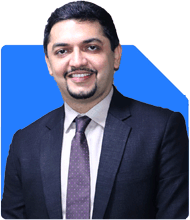
Naveenn

Naveenn Kummar  |233 Answers  |Ask -

Financial Planner, MF, Insurance Expert - Answered on Sep 04, 2025

Asked by Anonymous - Aug 27, 2025Hindi
Money
We are working couple age 38 and 42 respectively earning 3.4 Lacs per month with 2 kids 9 years and 3 years respectively. We have home loan of 90 Lacs (25L + 65L) for 2 properties one of them we plan to use as an long term asset giving 30-40k rental income. Total home Loan EMI outgo is 85k pm (25k + 60k). Our expected retirement monthly expenses are 60k pm in today's terms not including kids education. We will have MF portfolio of 50L by Dec 2025 against 1.5L monthly SIP as we have been investing since last 3 years increasing SIP amounts every year. We plan to increase SIP to 1.8L starting Jan 2026 due to job switch and do not expect to increase it any further. **Investments - SIP 180000 from January 2026** Motilal Oswal Large and Midcap Fund Direct Growth : 20000 HDFC Flexi Cap Direct Plan Growth : 20000 Parag Parikh Flexi Cap Fund Direct Growth : 50000 Motilal Oswal Mid Cap Fund Direct Growth : 15000 Nippon India Growth Mid Cap Fund Direct Growth : 15000 Edelweiss Mid Cap Direct Plan Growth : 15000 Tata Small Cup Fund Direct Growth : 15000 Nippon India Small cap Fund Direct Growth : 15000 Bandhan Small cap Fund Direct Growth : 15000 My questions are as follows : 1. How much retirement corpus do we need at the age of 50 with life expectancy of 85 years? Our estimate is 3 Cr (post tax) giving us 1 Lac pm with 7% inflation each year. Please advise. 2. How much will be required for kids education post 12th standard? Please advise. 3. We plan to account for 25L as one time Medical corpus for our retirement health needs in addition to health insurance premium. 4. What is our estimated Total corpus need will be at age 50? How much can we achieve with our current investments? Please advise. 5. Can we do it sooner that age 50? If yes, how?
Ans: Dear Sir and Madam,

Thank you for providing a detailed overview of your financial situation and goals. Let’s address your queries point by point:

1. Retirement Corpus at Age 50

Current age: 38 & 42

Planned retirement age: 50 (8–12 years from now)

Expected monthly expenses: ?60,000 in today’s terms (excluding children’s education)

Inflation assumption: 7% per year

Life expectancy: 85 years → 35 years of retirement

Corpus calculation:

Using a 7% annual inflation-adjusted return assumption, your required post-tax corpus for ?1 lakh/month (today’s ?60k inflated to retirement age) would indeed be approximately ?3–3.2 crore.

Note: The corpus may vary slightly depending on exact inflation and post-retirement investment returns.

2. Kids’ Education Post 12th Standard

Children’s age: 9 and 3

Time to higher education: 9–15 years

Assuming domestic + possible overseas study, average inflation-adjusted cost per child could be:

Child Estimated Education Corpus (Future Value)
9 years ?30–35 lakh
3 years ?40–45 lakh

Total: ~?70–80 lakh (considering 7% annual education inflation).

3. Medical Corpus

You have accounted for ?25 lakh as a one-time retirement health corpus.

This is a good approach in addition to maintaining adequate health insurance (top-up / floater plans).

4. Estimated Total Corpus at Age 50

Retirement Corpus: ?3–3.2 Cr

Medical Corpus: ?25 L

Kids’ Education: ?70–80 L

Total Corpus Needed: ~?4–4.25 Cr

5. Current Investments & Potential Accumulation

MF Portfolio: ?50 L by Dec 2025

Planned SIP: ?1.8 L/month starting Jan 2026 (~?21.6 L/year)

Investment allocation: Mix of large, mid, and small-cap funds (as listed)

Assumptions for growth:

Large/flexi-cap: 10–12% CAGR

Mid-cap: 12–15% CAGR

Small-cap: 15% CAGR

Rough estimate indicates your current SIPs and existing portfolio may grow to ~?2.5–3 Cr by age 50, depending on market performance. This is slightly below total requirement.

6. Can Retirement Goal Be Achieved Sooner?

Options to accelerate:

Increase SIP contribution: Any surplus income can be allocated to MF/SIP.

Extend retirement age: Even 2–3 years can significantly increase corpus due to compounding.

Optimize investment allocation: Slightly higher allocation to high-performing flexi/mid-cap funds may improve returns, but risk must be considered.

One-time lump sum investments: If possible, any bonus, inheritance, or surplus savings can be invested.

Given your current plan, age 50 is already an aggressive goal. Earlier retirement may be achievable only with higher monthly contributions or additional lump-sum investments.

7. Other Considerations

Maintain adequate term insurance and health cover for both of you.

Review portfolio annually to adjust allocation, rebalance, and step up SIPs if possible.

Keep a buffer for contingencies (emergency fund + liquidity for short-term needs).

Engage a QPFP professional to do detailed cash-flow and corpus projections including tax implications, inflation, and market volatility.

Summary:

Corpus Component Required (Age 50)
Retirement ?3–3.2 Cr
Kids Education ?70–80 L
Medical Corpus ?25 L
Total ~?4–4.25 Cr

Current plan: Portfolio + SIP growth → ~?2.5–3 Cr

Gap: ~?1–1.5 Cr → can be bridged via higher SIP, step-ups, or one-time investments.

Best regards,
Naveenn Kummar, BE, MBA, QPFP
Chief Financial Planner | AMFI Registered MFD
www.alenova.in
https://www.instagram.com/alenova_wealth

..Read more

Reetika

Reetika Sharma  |417 Answers  |Ask -

Financial Planner, MF and Insurance Expert - Answered on Sep 17, 2025

Money
I am 46 Years old, and I have 2 Children, studying in class 9 and class 5 in NOIDA. My Annual Income is 51 LPA, I have a Mutual Fund portfolio of 60 Lacs, and I invest around close to 30 K per month through SIPs. This mutual portfolio is generated over 15 years, with disciplined SIP investments, and I have invested around 5 lacs through Lump sum payments for my Children’s Education in F.Y 2024-25. I will stay invested through SIP for the next 10 to 12 years. I have not invested in FDs. I have a Medical Insurance for my family and 2 Kids for around 10 Lacs. I have 50 Lacs in my PF account as I am working now and will continue working for another 10 years. I have a Pension Insurance Plan with a Current Corpus of 5 Lacs where I’ll stay invested for another 10 years I had bought 2 houses in Chennai, where I have closed the Home Loan for one of the Houses and the Loan for the 2nd house is currently on with an outstanding of 13 Lacs, where the Home Loan will close by November 2029. I have a car loan of 12 Lacs which will end by 2029, where i am paying a monthly EMI of Rs 24,000. I am paying a Monthly rent of 40 K. Need your Kind advice, what should the sizable corpus I should have for retirement and for Kids education which is 5 years from Now. I will retire after 10 years from now. I have 30 Lacs in savings account, I also need your advice, where do I invest these funds, so that these ideal funds could grow for another 10 years. Thank You for your Kind advice.
Ans: Hi Gaurav,

Your overall savings and investments look quite good, but they are too scattered for someone to manage. Investments should be simple.
- As you said your kids are in class 9 & 5, you will require a huge amount for their higher studies after 4 and 8 years respectively. There is no provision for that except the 5 lakhs you contributed last year. Immediately start some SIP for their education fund so that you don't need to touch your retirement savings.
- Medical Insurance of 10 lakhs for a family of 4 is too less. Either increase the total cover or choose a super top-up policy of 50 lakhs to 1 crore at the day of your insurance renewal.
- Since you are the sole earning member, I cannot see any life insurance in case something happens to you. You should take a life insurance policy of atleast 1.5 crores to safeguard your family in case of any uncertainty.
- The 2 houses - are they for rental income? I do not see any purpose of having a home loan when you are paying a huge rent of 40,000 per month. Try to eliminate either emi or this rent to increase your savings ratio per month. It will help in creating a corpus for your children's education.
- With a monthly income of more than 3 lakhs, your overall investments are too low. It should be atleast 30% of your take home i.e. atleast 1 lakhs.
- You should keep aside 10 lakhs of your savings fund in liquid funds as emergency fund because there isn't any. It will tc of your expenses in situation like sudden job loss.
- Invest the rest 20 lakhs into hybrid mutual funds.
- If you continue investing 30,000 monthly into your SIP portfolio, you will have approx 2.5 to 3 crores with you after 12 years.
This amount and your PF corpus alone are not sufficient to cater to your retirement needs as your expense to savings ratio is quite high. These will cover only about 20 years of your expenses post retirement.
- Once your mutual fund portfolio crosses 10 lakhs, you should actually consult a professional advisor as fund selection should be in alignment with your goals and risk appetite.
Hence, my last suggestion would be to consult a Certified Financial Planner - a CFP who can guide you with exact funds to invest in keeping in mind your age, goals and risk profile.

Best Regards,
Reetika Sharma, Certified Financial Planner
https://www.instagram.com/cfpreetika/

..Read more

Latest Questions
Ramalingam

Ramalingam Kalirajan  |10872 Answers  |Ask -

Mutual Funds, Financial Planning Expert - Answered on Dec 06, 2025

Asked by Anonymous - Dec 06, 2025Hindi
Money
Dear Sir/Ma'am, I need some guidance and advice for continuing my mutual fund investments. I am a 36 year old male, married, no kids yet and no debts/liabilities as such. I have couple of savings in PPF, NPS, Emergency funds and long term investing in direct stocks. I recently started below mentioned SIPs for long term to grow wealth. Request you to review the same and let me know if I should continue with the SIPs or need to rationalize. Kindly also advice on how to invest a lumpsum amount of around 6lacs. invesco small cap 2000 motilal oswal midcap 2700 parag parikh flexicap 3000 HDFC flexicap 3100 ICICI prudential largecap 3100 HDFC large and midcap 3100 HDFC gold etf FOF 2000 ICICI Pru equity and debt fund 3000 HDFC balanced advantage fund 3000 nippon india silver etf FOF 2000
Ans: You already built a solid foundation. Many investors delay planning. But you started early at 36. That gives you a strong advantage. You have no liabilities. You have long term thinking. You also have diversified savings like PPF, NPS, Emergency funds and direct stocks. That shows clarity and discipline. This approach builds wealth with less stress over time.

You also started systematic investments in equity funds. That is a positive step. Your selection covers multiple categories like large cap, mid cap, small cap, flexi cap, hybrid and precious metals. So the intent is right. You are trying to create a broad portfolio. That gives balance.

» Your Portfolio Composition Understanding
Your current SIP list includes:

Small cap

Mid cap

Flexi cap

Large cap

Large and mid cap

Hybrid category

Gold and Silver FoF

Equity and Debt allocation fund

Dynamic hybrid fund

This shows you are trying to cover many segments. But too many categories can create overlap. When there is overlap, you get confusion during review. It also makes portfolio discipline difficult. You may think you are diversified. But the holdings inside may repeat. That reduces efficiency.

Your portfolio now looks like:

Equity dominant

Hybrid for stability

Metals for hedge

So the broad direction is fine. But simplifying helps in long-term habit building.

» Fund Category Duplication
You hold:

Two flexi cap funds

One large and mid cap fund

One pure large cap fund

One mid cap fund

One small cap fund

Flexi cap funds already invest across large, mid, small. Then large and mid also overlaps. So the large cap exposure gets repeated. That may not add extra benefit. But it increases monitoring complexity.

So I suggest rationalising. Keep one fund per category in core. Keep satellite space for only high conviction.

» Core and Satellite Strategy
A structured portfolio follows core and satellite method.

Core portfolio should be:

Simple

Long term

Stable

Satellite portfolio can be:

High growth

Concentrated

Based on your thinking level, you can structure like this:

Core funds:

One large cap

One flexi cap

One hybrid equity and debt fund

One balanced advantage type fund

Satellite funds:

One mid cap

One small cap

One metal allocation if needed

This division gives clarity. You can continue SIPs with review every year. No need to stop and restart often. That reduces behavioural mistakes.

» Your Current SIP List Review with Suggested Streamlining

You can consider continuing:

One flexi cap

One large cap

One mid cap

One small cap

One balanced advantage

One equity and debt hybrid

You may reconsider keeping both flexi caps and both gold silver funds. One of each category is enough. Because too many funds do not increase returns. It complicates tracking.

Precious metal funds should not be more than 5 to 7 percent in your portfolio. This is because metals are hedge assets. They do not create compounding like equity. They act as protection during cycles. So keep them small.

» How to Use the Rs 6 Lakh Lump Sum
You asked about lump sum investing. This is important. Lump sum should not go fully into equity at one time. Markets move in cycles. So use a staggered method. You can invest the lump sum through STP (Systematic Transfer Plan). You can keep the amount in a liquid fund and set STP toward your chosen growth funds over 6 to 12 months.

This reduces timing risk. It also creates discipline. So your Rs 6 lakh can be deployed gradually. You may use 50% towards core equity funds and 30% toward satellite growth category. The remaining 20% can go into hybrid category. This gives balance and comfort.

» Regular Funds Over Direct Funds
One important point many investors miss. Direct funds look cheaper. But they demand deep knowledge, discipline, and behaviour control. Most investors lose more through emotional selling and wrong timing than they save on expense ratio.

With regular funds through a Mutual Fund Distributor with Certified Financial Planner qualification, you get guidance, structure and correction. The advisory discipline protects you during market extremes. That is more valuable than a small saving in expense ratio.

A personalised planner also tracks portfolio drift, rebalancing need and category shifts. So regular fund investing gives long-term benefit and behaviour coaching.

» Actively Managed Funds over Index or ETF
Some investors choose index funds or ETF thinking they are simple and cheap. But they ignore drawbacks.

Index funds or ETF will not avoid weak companies in the index. They will invest whether the company grows or struggles. There is no fund manager decision making. So when markets are at peak, index funds continue aggressive exposure. In downturns also they fall fully. There is no cushion.

Actively managed funds work with research teams. They can avoid bad sectors. They can shift allocation based on market and economy. Over long term, this gives better alpha and stability. So continuing with actively managed funds creates better wealth compounding.

» SIP Continuation Strategy
Once the rationalisation is done, continue SIPs every month without interruption. Pause and restart behaviour damages compounding power. SIP works best when you go through all market cycles. You benefit more during corrections because cost averaging works.

So continue SIP amount. You can also review SIP increase every year based on income. Increasing SIP by 10 to 15 percent every year helps you reach large corpus faster.

» Asset Allocation Based Approach
One key point in wealth creation is having the right asset mix. Equity gives growth. Hybrid gives balance. Metals give hedge. Debt gives safety. Your asset allocation should stay aligned to your risk profile and time horizon.

Since you are young and have long term horizon, higher equity allocation is fine. But as time moves, rebalancing is important. Rebalancing protects gains and restores allocation.

So review your asset allocation every year or during major life events like child birth, home buying or retirement planning.

» Behaviour Management
Many portfolios fail not due to bad funds. They fail due to bad decisions. Selling during correction. Stopping SIP when market falls. Chasing past return performance. These mistakes reduce wealth.

Your discipline so far is good. Continue to stay patient during volatility. Equity rewards patience and time.

» Financial Goals Clarity
Since you have no children now, you can decide your long-term goals. Typical goals may include:

Retirement

Future child education

Dream lifestyle purchase

Health care reserves

When goals are clear, investment purpose becomes stronger. So you can map each fund category to goal horizon. Short-term goals should not use equity. Long-term goals should use equity with hybrid support.

» Role of Review and Monitoring
Review once in a year is enough. Frequent review can create anxiety. Annual review helps check:

Fund performance

Expense drift

Category relevance

Allocation balance

Then adjust only if needed. This progress helps you stay confident and aligned.

» Taxation Awareness
Equity mutual funds taxation rules are:

Short term (below one year holding) taxable at 20 percent

Long term (above one year holding) gains above Rs 1.25 lakh taxable at 12.5 percent

Debt mutual funds are taxed as per your income slab.

So always hold equity funds for long term. That reduces tax impact and gives better growth.

» SIP Increase Plan
You can create a simple plan to increase SIP over time. For example:

Increase SIP at every salary increment

Increase SIP during bonus time

Use rewards or extra income for investing

This habit accelerates wealth. So by the time you reach 45 to 50 years, your investments could reach a strong level.

» Insurance and Protection
Before investing large, ensure you have term insurance and health insurance. If not already done, it is important. Insurance protects wealth. Without insurance, even a small medical event can impact investment plan. So review this part also. Since you are married, cover both.

» Wealth Behaviour Mindset
You are already disciplined. Just keep these simple principles:

Invest without stopping

Review once a year

Avoid funds overlap

Follow asset allocation

Avoid reacting to media noise

This helps you reach long term milestones.

» Finally
You are on the right track. Only fine tuning and simplification is needed. Your discipline is visible. Your portfolio will grow well with structure, patience and periodic review. Use the Rs 6 lakh with STP approach. And continue SIP with rationalised categories.

With time and consistency, wealth creation becomes effortless and peaceful. You just need to stay committed and avoid overthinking during market movements.

Best Regards,
K. Ramalingam, MBA, CFP,

Chief Financial Planner,

www.holisticinvestment.in

https://www.youtube.com/@HolisticInvestment

...Read more

Dr Dipankar

Dr Dipankar Dutta  |1837 Answers  |Ask -

Tech Careers and Skill Development Expert - Answered on Dec 05, 2025

Career
Dear Sir, I did my BTech from a normal engineering college not very famous. The teaching was not great and hence i did not study well. I tried my best to learn coding including all the technologies like html,css,javascript,react js,dba,php because i wanted to be a web developer But nothing seem to enter my head except html and css. I don't understand a language which has more complexities. Is it because of my lack of experience or not devoting enough time. I am not sure. I did many courses online and tried to do diplomas also abroad which i passed somehow. I recently joined android development course because i like apps but the teaching was so fast that i could not memorize anything. There was no time to even take notes down. During the course i did assignments and understood the code because i have to pass but after the course is over i tend to forget everything. I attempted a lot of interviews. Some of them i even got but could not perform well so they let me go. Now due to the AI booming and job markets in a bad shape i am re-thinking whether to keep studying or whether its just time waste. Since 3 years i am doing labour type of jobs which does not yield anything to me for survival and to pay my expenses. I have the quest to learn everything but as soon as i sit in front of the computer i listen to music or read something else. What should i do to stay more focused? What should i do to make myself believe confident. Is there still scope of IT in todays world? Kindly advise.
Ans: Your story does not show failure.
It shows persistence, effort, and desire to improve.

Most people give up.
You didn’t.
That means you will succeed — but with the right method, not the old one.

...Read more

DISCLAIMER: The content of this post by the expert is the personal view of the rediffGURU. Investment in securities market are subject to market risks. Read all the related document carefully before investing. The securities quoted are for illustration only and are not recommendatory. Users are advised to pursue the information provided by the rediffGURU only as a source of information and as a point of reference and to rely on their own judgement when making a decision. RediffGURUS is an intermediary as per India's Information Technology Act.

Close  

You haven't logged in yet. To ask a question, Please Log in below
Login

A verification OTP will be sent to this
Mobile Number / Email

Enter OTP
A 6 digit code has been sent to

Resend OTP in120seconds

Dear User, You have not registered yet. Please register by filling the fields below to get expert answers from our Gurus
Sign up

By signing up, you agree to our
Terms & Conditions and Privacy Policy

Already have an account?

Enter OTP
A 6 digit code has been sent to Mobile

Resend OTP in120seconds

x