Need Expert Advice?Our Gurus Can Help
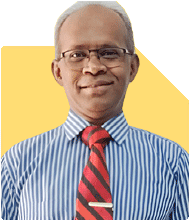
Ramalingam

Ramalingam Kalirajan  |11481 Answers  |Ask -

Mutual Funds, Financial Planning Expert - Answered on Sep 16, 2025

Ramalingam Kalirajan has over 26 years of experience in MF distribution and wealth management. He holds an MBA in Finance from the University of Madras and is a CFP (Certified Financial Planner) credentialed professional. He is the Director of Holistic Investment, a Chennai-based AMFI-registered Mutual Fund Distribution (ARN-4188) and APMI-registered PMS Distribution firm (APRN07386), helping clients build long-term wealth through mutual funds and other investment solutions.... more
Asked by Anonymous - Sep 15, 2025Hindi
Money

Hi I am 34 years old , and want to retire at 50 with a corpus of 5 cr Following is the asset break up Fd 3 L PPF 7L Nps 2L Mf 6L Direct equity 5L Bonds 7L, A - rated, maturing in 2027 july Rental income of 20K per month Only home loan of 15L is pending Can invest 1 L month , pls suggest

Ans: At 34, you already have savings across FD, PPF, NPS, mutual funds, equity, and bonds. You are also earning rental income. With clear vision to retire at 50 with Rs.5 crore, you are moving with strong clarity. This is a powerful combination of discipline and focus.

Let me give you a 360-degree plan with deep evaluation for your target.

» Current Financial Snapshot

– You are 34 years old. Retirement goal is at 50.
– You have Rs.3 lakh in FD.
– Rs.7 lakh in PPF.
– Rs.2 lakh in NPS.
– Rs.6 lakh in mutual funds.
– Rs.5 lakh in direct equity.
– Rs.7 lakh in bonds, maturing in 2027.
– Rental income Rs.20,000 monthly.
– One home loan Rs.15 lakh is pending.
– Capacity to invest Rs.1 lakh monthly.

This is a strong starting base.

» Goal Clarity

– You want Rs.5 crore corpus by 50.
– You have 16 years left.
– Target is ambitious but realistic with right allocation.
– Rs.1 lakh monthly for 16 years with equity focus can achieve.
– Rental income adds extra cushion.

» Importance of Loan Clearance

– Outstanding loan is Rs.15 lakh.
– EMI payment reduces monthly free cash flow.
– Clearing loan early reduces risk.
– But since rate is low compared to expected equity returns, continue EMIs.
– Use Rs.1 lakh monthly for investments, not for early closure.

» Analysis of Existing Assets

– FD of Rs.3 lakh is small. Can be kept for emergency buffer.
– PPF Rs.7 lakh is safe but locked till maturity. It will give tax benefit. Continue contribution at small amount only. Do not put major money here.
– NPS Rs.2 lakh is minor. Continue but not mandatory to add big money. Withdrawal rules are rigid. Flexibility is less.
– Mutual funds Rs.6 lakh is a good start. Needs structured allocation.
– Direct equity Rs.5 lakh carries risk. Needs careful tracking. Keep limited allocation only.
– Bonds Rs.7 lakh are A-rated. They give safety but low return. After maturity in 2027, reinvest in equity for growth.
– Rental income Rs.20,000 adds stability. This is like passive pension already.

» Issues with Index Funds and Direct Funds

– Some investors think index funds are good. But index funds just copy the market. They cannot beat inflation-adjusted goals. They hold top companies only. They fall fully in market crash. No downside protection. Actively managed funds adjust portfolios and deliver better.
– Some think direct funds save cost. But without professional review, you may lose more by wrong timing. A Certified Financial Planner reviews, rebalances, and guides. Regular funds through MFD with CFP save you from costly mistakes.

» Suggested Investment Allocation

To reach Rs.5 crore, equity should be main driver. Safe assets should be limited. Suggested mix:

– 60% diversified equity mutual funds (large, flexi, mid, small cap mix).
– 20% PPF and debt funds for stability.
– 10% direct equity if you can monitor.
– 5–10% gold as safety hedge.
– After 2027 bond maturity, shift into equity.

This balance keeps growth strong and risk controlled.

» Monthly Investment Plan

– Out of Rs.1 lakh monthly:

Rs.70,000 into mutual funds.

Rs.15,000 into PPF or debt for safety.

Rs.10,000 into gold or hybrid fund.

Rs.5,000 into direct equity if comfortable.

This gives high equity tilt with some cushion.

» Mutual Fund Structure

– Large cap for stability. Around 25%.
– Flexi cap for balance of large and mid. Around 25%.
– Mid cap for growth. Around 20%.
– Small cap for higher risk-reward. Around 10%.
– Avoid index fund. Stick to actively managed.

This structure is long-term friendly.

» Step-Up Investing

– Increase SIP every year by 10%.
– With salary growth, savings also should grow.
– This step-up creates compounding booster.
– By retirement, corpus can exceed Rs.5 crore target.

» Role of Rental Income

– Rs.20,000 monthly rental is strong.
– Over 16 years, this adds steady support.
– Do not depend fully, but count as cushion.
– At retirement, this may rise due to rent appreciation.

» Insurance Protection

– Buy term insurance at least 12–15 times annual income.
– This protects family if anything unexpected happens.
– Health insurance is equally important.
– Rental and investments lose meaning if medical crisis drains savings.

» Emergency Fund

– Keep 6 months expenses in liquid fund or FD.
– Around Rs.6–7 lakh should be set aside.
– Do not touch this for investments.

» Tax Efficiency

– Equity mutual fund long term gains above Rs.1.25 lakh taxed at 12.5%.
– Short term gains taxed at 20%.
– Debt fund taxed as per income slab.
– Rental income is taxable. Keep provision.
– Tax planning with PPF and some ELSS can reduce liability.

» Behavioural Discipline

– Do not stop SIPs during market falls.
– Crashes are best entry points.
– Do not track NAV daily.
– Stay consistent with long term view.
– Discipline beats timing.

» Review and Rebalance

– Every 2–3 years, review portfolio.
– Exit poor performers.
– Rebalance to maintain equity-debt ratio.
– Without review, portfolio may drift and underperform.

» Children’s Goals if Any

– If you plan for children’s education or marriage, keep separate folio.
– Do not mix with retirement corpus.
– Allocate specific SIPs for those goals.

» Role of Direct Equity

– You already have Rs.5 lakh.
– Keep limit at 10% of portfolio.
– Stock picking is risky.
– If you cannot track, shift to mutual funds.

» Risk of Over-Diversification

– Too many funds reduce focus.
– Overlap increases, returns dilute.
– Keep 4–5 strong funds only.
– This is easy to monitor.

» Gold Role

– Gold protects in uncertain times.
– Do not invest more than 5–10%.
– Useful as hedge, not as main asset.

» Debt Role

– PPF gives tax benefit and safety.
– Debt funds provide stability.
– But long term returns are low.
– Keep only 20% in debt including PPF.

» Final Insights

You are on right path. With Rs.1 lakh monthly, step-up SIPs, and disciplined allocation, Rs.5 crore by 50 is realistic. Continue EMIs, focus more on equity mutual funds, avoid index funds, and use professional guidance through Certified Financial Planner. Rental income and diversified allocation will give you extra comfort. Keep reviewing every few years, maintain insurance and emergency fund, and you will reach your retirement goal smoothly.

Best Regards,

K. Ramalingam, MBA, CFP,

Chief Financial Planner,

www.holisticinvestment.in

https://www.youtube.com/@HolisticInvestment
DISCLAIMER: The content of this post by the expert is the personal view of the rediffGURU. Users are advised to pursue the information provided by the rediffGURU only as a source of information to be as a point of reference and to rely on their own judgement when making a decision.
Money

You may like to see similar questions and answers below

Ramalingam

Ramalingam Kalirajan  |11481 Answers  |Ask -

Mutual Funds, Financial Planning Expert - Answered on Jun 15, 2024

Asked by Anonymous - Jun 15, 2024Hindi
Money
Hello, I am Avinash 40 year old IT professional and wishes to retire in next 5-10 years. I do have 38 lakh MF investments, I stay in own house on bangalore. I do not have any liabilities. I have 45 lakh worth EPS and 20 lakh worth PPF. Invested in NPS both tier 1 and 2 for 5 lakh each. I do have SGB worth 6 lakh. But I do have 50 lakh amount invested in FD. I want to invest some amount to invest to other asset class may be equity. I want to retire with corpus of 4 cr and my monthly expenditure in 50k. Pls guide.
Ans: Dear Avinash,

Thank you for reaching out and sharing your financial details and retirement goals. It’s impressive that you have planned your finances well and have a clear vision for your future. Let’s analyze your current situation and chart a strategic path towards achieving your retirement corpus of Rs 4 crore, while also ensuring a smooth retirement with monthly expenses of Rs 50,000.

Understanding Your Current Financial Landscape
You have diversified your investments across various asset classes, which is commendable. Let's break down your current financial standing:

Mutual Funds: Rs 38 lakh
EPS: Rs 45 lakh
PPF: Rs 20 lakh
NPS: Rs 10 lakh (5 lakh each in Tier 1 and 2)
Sovereign Gold Bonds (SGB): Rs 6 lakh
Fixed Deposits (FDs): Rs 50 lakh
Your total current investments amount to Rs 169 lakh (1.69 crore). You have no liabilities, which is a strong position to be in.

Evaluating Your Investment Portfolio
Mutual Funds
Your Rs 38 lakh investment in mutual funds is a solid foundation. Given your retirement timeline of 5-10 years, it’s crucial to ensure your mutual funds are aligned with your risk tolerance and retirement goals. Active management of these funds can offer potential benefits over index funds. Actively managed funds, run by experienced fund managers, can adapt to market conditions and potentially outperform benchmarks. This flexibility can be advantageous in achieving higher returns, essential for meeting your retirement target.

EPS and PPF
Your EPS of Rs 45 lakh and PPF of Rs 20 lakh are stable, low-risk investments providing security and tax benefits. However, they may not offer the high returns needed to reach your Rs 4 crore goal. The PPF, with its assured returns and tax benefits, should continue to be part of your portfolio, but relying solely on these for growth could be limiting.

NPS
The NPS is another excellent retirement tool, offering a mix of equity and debt exposure. Given your contributions, it’s vital to ensure that the asset allocation within your NPS is optimal. Typically, the equity portion of NPS can offer higher returns compared to its debt counterpart, but it's essential to balance it according to your risk tolerance.

Sovereign Gold Bonds
Your Rs 6 lakh investment in SGBs is a good hedge against inflation and market volatility. However, gold typically offers moderate returns compared to equities and should be a part of a diversified portfolio rather than a core growth driver.

Fixed Deposits
You have Rs 50 lakh in fixed deposits, which are safe but offer lower returns compared to other investment avenues like equities or actively managed mutual funds. To achieve your retirement goal, it might be beneficial to redirect a portion of these funds into higher-yielding investments.

Strategic Recommendations for Achieving Rs 4 Crore
Diversify into Equity Mutual Funds
Given your Rs 50 lakh in FDs, consider reallocating a significant portion to equity mutual funds. Equity mutual funds, especially actively managed ones, have the potential to provide higher returns over the long term. While FDs offer safety, the low returns may not suffice to reach your Rs 4 crore target. Actively managed equity mutual funds, with professional fund managers, can navigate market complexities better and aim for higher growth.

Optimize Your NPS Allocation
Review and possibly adjust your NPS Tier 1 and Tier 2 allocations to ensure a higher equity component. This can enhance the growth potential of your NPS contributions. Given the tax benefits and long-term growth prospects of NPS, a higher equity allocation can significantly impact your retirement corpus positively.

Regular Review and Rebalancing
Periodic review and rebalancing of your portfolio are essential. Market conditions change, and so should your investment strategy. By regularly assessing your portfolio, you can ensure it remains aligned with your goals and risk tolerance. This proactive approach can help in mitigating risks and capitalizing on growth opportunities.

Consider Systematic Investment Plans (SIPs)
Systematic Investment Plans (SIPs) in equity mutual funds can be an excellent way to enter the market gradually, reducing the impact of market volatility. With Rs 50 lakh in FDs, you can systematically transfer a portion into SIPs. This disciplined approach can harness the power of compounding and rupee cost averaging, enhancing your portfolio’s growth potential.

Emergency Fund Allocation
Ensure that a part of your FDs or a separate liquid fund acts as an emergency fund. This fund should cover at least 6-12 months of your monthly expenses. Having a robust emergency fund ensures that you do not have to dip into your retirement corpus for unexpected expenses, maintaining the integrity of your long-term financial plans.

Addressing Potential Concerns and Misconceptions
Disadvantages of Index Funds
While index funds are often lauded for their low costs and simplicity, they lack the flexibility of actively managed funds. Index funds are designed to match market returns, not exceed them. In a volatile market, actively managed funds have the advantage of making strategic moves to potentially outperform the index. Therefore, in your case, actively managed equity funds might be a better choice to achieve your ambitious retirement goal.

Disadvantages of Direct Funds
Direct mutual funds, while having lower expense ratios, require a good understanding of the market and regular monitoring. Investing through a Certified Financial Planner (CFP) can provide professional expertise and guidance. A CFP can help in selecting the right funds, regular monitoring, and making necessary adjustments based on market conditions and your changing financial goals. The added value of professional advice often outweighs the cost difference between direct and regular funds.

Ensuring a Comfortable Retirement
Monthly Withdrawal Strategy
Post-retirement, it’s crucial to have a systematic withdrawal strategy to manage your Rs 50,000 monthly expenses without depleting your corpus prematurely. An SWP (Systematic Withdrawal Plan) in mutual funds can provide a regular income stream while keeping your corpus invested and growing. This strategy can ensure a steady cash flow while your investments continue to appreciate.

Inflation and Tax Considerations
Your retirement plan should factor in inflation and taxes. The Rs 50,000 monthly expense today will increase over time due to inflation. Therefore, your investments should grow at a rate higher than inflation. Additionally, tax-efficient investment strategies can help in maximizing your returns. For instance, long-term capital gains on equity mutual funds are taxed favorably compared to interest income from FDs.

Healthcare and Insurance
Ensure you have adequate health insurance coverage. Medical expenses can significantly impact your retirement corpus. A comprehensive health insurance policy can safeguard your investments. Additionally, if you hold any investment-cum-insurance policies like LIC or ULIPs, consider surrendering them and reinvesting the proceeds into mutual funds. These policies often offer lower returns and higher costs compared to pure investment options.

Final Insights
Achieving your goal of a Rs 4 crore retirement corpus is ambitious yet achievable with strategic planning and disciplined investing. By diversifying your portfolio into actively managed equity mutual funds, optimizing your NPS allocation, and systematically transferring funds from low-yield FDs, you can enhance your portfolio's growth potential. Regular reviews and professional guidance from a Certified Financial Planner can further align your investments with your retirement goals.

Remember, retirement planning is not just about accumulating a corpus but also ensuring a steady, inflation-adjusted income post-retirement. By following a strategic approach and making informed decisions, you can look forward to a comfortable and financially secure retirement.

Best Regards,

K. Ramalingam, MBA, CFP,

Chief Financial Planner,

www.holisticinvestment.in

..Read more

Ramalingam

Ramalingam Kalirajan  |11481 Answers  |Ask -

Mutual Funds, Financial Planning Expert - Answered on Jul 18, 2024

Asked by Anonymous - Jul 14, 2024Hindi
Listen
Money
I am 37,Married. Wife is 31 years. Together we have a earning of 2 L per month in hand. We have jointly 31 L invested in MF with 52 L valuation, also has 20K pm SIP. We have 12 L in Stock with 21 L valuation, 6.5 L in PPF, 14 L in EPF, 8L in SGB and finally around 10 L in FD + 2 L cash as emergency fund. We have fixed family expense of 60k monthly family expense and another 55k emi for home loan going on for next 20 years. Would like to retire by 55 with a corpus of 1.5 Cr (inflation adjusted). Please suggest.
Ans: Current Financial Snapshot
Monthly Income: Rs 2L (combined)
Monthly Expenses: Rs 60K
EMI: Rs 55K (20 years remaining)
Emergency Fund: Rs 10L in FD + Rs 2L cash
Investments
Mutual Funds: Rs 31L (current value Rs 52L)
Monthly SIP: Rs 20K
Stocks: Rs 12L (current value Rs 21L)
PPF: Rs 6.5L
EPF: Rs 14L
SGB: Rs 8L
Goals
Retirement Age: 55 years
Retirement Corpus: Rs 1.5 Cr (inflation-adjusted)
Appreciating Your Efforts
You have a well-diversified portfolio. Your disciplined investing through SIPs and maintaining an emergency fund are commendable.

Assessing the Gap
To retire with a corpus of Rs 1.5 Cr in 18 years, you need to calculate how much more you need to save and invest. Considering inflation and current savings, let's plan your investments.

Investment Strategy
Increasing SIPs
Current SIP: Rs 20K
Increase SIP to Rs 30K: This will help accelerate your corpus growth.
Asset Allocation
Mutual Funds:

Continue with current funds.
Add new funds to diversify further.
Stocks:

Maintain current portfolio.
Consider investing additional amounts if comfortable with market volatility.
PPF and EPF:

Continue contributions. These are stable and tax-efficient.
Sovereign Gold Bonds (SGB):

Good for diversification and inflation hedge.
No need to add more; keep current allocation.
Emergency Fund
Maintain your current emergency fund (Rs 12L).
Ensure it is easily accessible.
Detailed Allocation Plan
Mutual Funds:

Rs 30K SIP in a diversified portfolio of funds.
Include large-cap, mid-cap, small-cap, and balanced advantage funds.
Stocks:

Reinvest dividends.
Consider adding high-quality, long-term stocks.
PPF and EPF:

Continue regular contributions.
Aim for maximum yearly PPF contribution (Rs 1.5L).
Monitoring and Rebalancing
Review Quarterly: Check performance and rebalance if necessary.
Annual Rebalancing: Adjust asset allocation based on market conditions and goals.
Insurance and Contingency
Life Insurance: Ensure adequate coverage.
Health Insurance: Include family members in the plan.
Final Insights
To meet your retirement goal, increase your SIP to Rs 30K, maintain current investments, and review regularly. Diversify across different asset classes for stability and growth.

Best Regards,

K. Ramalingam, MBA, CFP,

Chief Financial Planner,

www.holisticinvestment.in

..Read more

Ramalingam

Ramalingam Kalirajan  |11481 Answers  |Ask -

Mutual Funds, Financial Planning Expert - Answered on Oct 16, 2024

Asked by Anonymous - Oct 15, 2024Hindi
Money
Am 41 yr old , earning 10-15 lakh per month with 2.5 lakh expense and 80 k emi which will b closed in 2 yrs , my asset 5 Cr asset in real estate ( 3 flat and 2 land ) , 50 lakh FD , total 2 lakh monthly mutual month investment now mutual fund total portfolio reached 60 lakh And around 1 Cr liquidabale high risk high return investment ( 20% earning diversified) Have 2 LIC one maturing in 2026 mature amount 25 lakh Another in 2030 30 lakh I wish to retire after 10 yrs Need retirement corpus of 20-25 Cr Am in right path ?
Ans: At 41 years old, with a monthly income of Rs 10-15 lakh and a desire to retire in 10 years with a corpus of Rs 20-25 crore, it’s essential to evaluate your current financial status thoroughly. You have already built a significant base of assets, but fine-tuning your strategy is crucial to ensure you reach your ambitious retirement goal.

Let’s break down your financial scenario step by step, assess if you are on the right track, and offer suggestions for improvement.

Your Financial Snapshot
Income: Rs 10-15 lakh per month
Monthly Expenses: Rs 2.5 lakh
EMI: Rs 80,000 per month, which will close in 2 years
Assets:

Real Estate: Rs 5 crore (3 flats and 2 plots)
Fixed Deposit: Rs 50 lakh
Mutual Fund Portfolio: Rs 60 lakh, with Rs 2 lakh monthly SIPs
High-Risk Investments: Rs 1 crore with 20% annual returns
LIC Policies: Rs 25 lakh maturing in 2026 and Rs 30 lakh maturing in 2030
Retirement Corpus Goal: Rs 20-25 crore in 10 Years
You aim to retire with Rs 20-25 crore in 10 years. It is an ambitious but achievable goal, given your income and current assets. However, the challenge lies in aligning your investments in a way that generates the necessary growth, with a balance between risk and returns. Here’s an evaluation of where you stand today and what adjustments may be needed.

Assessing Your Current Assets
Real Estate: Rs 5 crore
You have invested Rs 5 crore in real estate, including three flats and two plots. While this is a substantial amount and adds to your wealth, there are some key considerations:

Liquidity: Real estate is generally illiquid. Selling property can take time, and real estate prices fluctuate based on market conditions. This makes it a less reliable source of immediate funds during retirement.
Cash Flow: Unless these properties are generating rental income, they won’t contribute to your regular cash flow in retirement. Rental income can supplement your retirement, but it’s unpredictable and subject to market dynamics.
Investment Perspective: For retirement planning, liquid and growth-oriented investments are more suitable. Real estate, while a valuable asset, may not provide the steady returns you’ll need during your retirement years.
Mutual Fund Portfolio: Rs 60 lakh + Rs 2 lakh Monthly SIP
Your Rs 60 lakh mutual fund portfolio is a strong foundation. With a monthly SIP of Rs 2 lakh, you are investing in a growth-oriented vehicle. Let’s assess its potential:

Growth Potential: Assuming a conservative 12% annual return over the next 10 years, your mutual fund portfolio could grow significantly. In 10 years, this could potentially accumulate Rs 4-5 crore. However, to reach your retirement target of Rs 20-25 crore, you’ll need to increase your SIPs gradually.
SIP Top-Up Strategy: One of the best ways to ensure your mutual funds keep pace with your retirement goal is by increasing your SIP contributions annually. With rising income and the closure of your EMI in two years, you can redirect these funds toward increasing your SIPs.
High-Risk Investments: Rs 1 crore (20% returns)
You’ve allocated Rs 1 crore to high-risk, high-return investments with a 20% return expectation. While this is impressive, relying too much on high-risk investments for retirement can be problematic.

Risk Consideration: High returns come with high risk. As you get closer to retirement, it’s essential to reduce exposure to volatile investments. You don’t want to jeopardize your retirement corpus by holding too much in high-risk instruments.
Rebalance Gradually: Over time, you should consider moving a portion of these funds into more stable, diversified mutual funds or hybrid funds. This way, you can safeguard your retirement corpus while still aiming for growth.
Fixed Deposit: Rs 50 lakh
A Rs 50 lakh fixed deposit provides security, but it won’t help you grow your corpus significantly.

Low Returns: FDs typically offer lower returns compared to other investment options. Over the long term, inflation erodes the purchasing power of FD returns.
Alternative Options: You might want to explore safer mutual fund categories, such as debt mutual funds, which offer better returns and tax efficiency than FDs.
LIC Policies: Rs 25 lakh in 2026 and Rs 30 lakh in 2030
You have two LIC policies maturing in 2026 and 2030, which will provide you with Rs 55 lakh.

Low Yield: Traditional LIC policies often provide returns lower than equity or mutual fund investments. While they offer security, the returns might not align with your retirement goal.
Post-Maturity Strategy: Once these policies mature, reinvest the proceeds into growth-oriented mutual funds or other higher-return instruments. This can boost your corpus further during the final stretch of your retirement planning.
Evaluating Your Progress
You have an excellent foundation for achieving your Rs 20-25 crore retirement corpus. Here’s a summary of your current progress:

Real Estate: Rs 5 crore (not a liquid retirement asset)
Mutual Funds: Rs 60 lakh with Rs 2 lakh monthly SIPs
High-Risk Investments: Rs 1 crore, growing at 20% per annum
Fixed Deposit: Rs 50 lakh
LIC Policies: Rs 55 lakh maturing in 2026 and 2030
The key areas of improvement include increasing your SIPs, reducing reliance on high-risk investments, and finding alternatives to low-yield investments like FDs and LIC policies.

Recommendations for Growth and Stability
Increase SIP Contributions
To meet your retirement goal, consider increasing your SIP contributions over time. This will help your portfolio grow faster.

Top-Up SIP Strategy: You could increase your SIP by 10-15% each year. For example, after your EMI closes in two years, you can divert the Rs 80,000 into additional SIPs. This strategy helps ensure your investments keep pace with inflation and your growing income.
Diversify High-Risk Investments
Your Rs 1 crore in high-risk investments is providing excellent returns, but you should not rely too heavily on it for your retirement corpus.

Reduce Exposure Over Time: As you near retirement, begin shifting a portion of these funds into more stable mutual funds or hybrid funds. This will reduce volatility in your portfolio while still providing growth.
Balanced Approach: A balanced approach with a mix of equity and debt mutual funds can provide both growth and stability. Aim for a portfolio that gradually becomes more conservative as you approach your retirement date.
Reconsider Fixed Deposits
Fixed deposits are safe but offer limited growth.

Shift to Debt Mutual Funds: You may want to move part of your FD savings into debt mutual funds, which can offer better returns and are more tax-efficient. Debt funds, particularly those with low credit risk, can provide stability and liquidity while outperforming FDs.
LIC Maturity Reinvestment
Once your LIC policies mature, reinvest the proceeds wisely.

Reinvest in Growth Funds: After 2026 and 2030, when your LIC policies mature, consider reinvesting the Rs 55 lakh into diversified mutual funds. This will help accelerate the growth of your retirement corpus during the final years of your working life.
Focus on Tax Efficiency
Your portfolio should also consider tax efficiency, particularly as you approach retirement.

Equity Mutual Funds: Gains above Rs 1.25 lakh are taxed at 12.5%. Plan your withdrawals accordingly to minimise taxes.
Debt Mutual Funds: Gains in debt mutual funds are taxed according to your income slab. These can still be more efficient than FDs due to indexation benefits over the long term.
Regular Review and Adjustments
Retirement planning is not a one-time exercise. You should regularly review and adjust your portfolio.

Annual Review: Sit down with a Certified Financial Planner each year to review your progress. This ensures that your investments are on track and that you’re making the necessary adjustments based on market conditions and personal changes.
Rebalancing: As your mutual fund portfolio grows, periodically rebalance between equity and debt to ensure your portfolio remains aligned with your risk tolerance and retirement goals.
Projecting Your Retirement Corpus
Based on the current investments and a disciplined approach to increasing your SIPs, you are likely to accumulate between Rs 15-18 crore in 10 years. Achieving Rs 25 crore will require higher risk-taking or an extension of your retirement timeline by a few years.

However, your diversified portfolio, combined with regular reviews, can still provide you with a comfortable retirement if managed well.

Finally
You are on a strong path to retirement with your existing assets and investment plan. However, to ensure you reach your goal of Rs 20-25 crore, consider the following:

Gradually increase your SIPs to boost your mutual fund portfolio.
Diversify your high-risk investments over time to reduce volatility.
Move away from low-yield options like FDs, and reinvest LIC maturities into higher-growth funds.
Review your investments annually with a Certified Financial Planner to stay on track.
By following this strategy, you can confidently build a retirement corpus that ensures a secure and comfortable retirement.

Best Regards,
K. Ramalingam, MBA, CFP,
Chief Financial Planner,
www.holisticinvestment.in
https://www.youtube.com/@HolisticInvestment

..Read more

Ramalingam

Ramalingam Kalirajan  |11481 Answers  |Ask -

Mutual Funds, Financial Planning Expert - Answered on Sep 08, 2025

Asked by Anonymous - Aug 19, 2025Hindi
Money
Sir I am 34 with monthly salary of 133000, additional rental income of 30000, monthly emi of 35000 with outstanding of 16L, surplus income of 90000 left for investment. Current portfolio Mf 550000 Lic 150000 Pf 700000 Fd 1000000 Equity 1000000 I want to retire at 55 with corpus of 6 cr liquid funds
Ans: You have built a very good base at 34. You already have multiple income streams and a strong saving habit. Your goal of Rs 6 crore liquid corpus by 55 is ambitious yet practical if you take disciplined steps. Let us review your entire situation from all sides and create a clear path.

» Income and Surplus Management

You have a monthly salary of Rs 1,33,000.

Rental income adds Rs 30,000.

EMI of Rs 35,000 reduces the strain as your loan balance is only Rs 16 lakh.

You still have Rs 90,000 surplus every month. This is a very strong position.

This surplus is the key engine for wealth building.

» Current Assets Assessment

Mutual Funds: Rs 5.5 lakh. A good start, but needs more growth.

LIC: Rs 1.5 lakh. These policies give very low returns. They also mix insurance and investment.

PF: Rs 7 lakh. This gives steady growth with safety. Keep contributing regularly.

FD: Rs 10 lakh. This is safe but not growth-oriented. Inflation will eat away real value.

Equity: Rs 10 lakh. Good exposure to direct equity. Needs risk control.

» LIC and Traditional Policies

LIC policies or similar investment-cum-insurance plans are inefficient.

Returns are usually 4–5% only, much lower than inflation.

Insurance should only cover risk, not investment.

You may surrender or make these policies paid-up.

Redirect this money into mutual funds with guidance from a Certified Financial Planner.

This will boost long-term growth without locking money in low-yield plans.

» Risk Balance in Portfolio

You already have Rs 10 lakh equity and Rs 5.5 lakh in mutual funds.

This shows comfort with equity exposure.

But direct equity is risky without professional management.

Mutual funds managed by expert fund managers are better for long-term wealth.

It is advisable to shift gradually from direct equity to diversified mutual funds.

Actively managed mutual funds have the advantage of research, risk management, and rebalancing.

Index funds or ETFs look cheap but lack professional guidance. They simply copy the market.

In volatile markets, actively managed funds can protect downside better.

» Debt and Fixed Income Exposure

You have Rs 10 lakh in FD. This is stable but not efficient.

Keep only 6 months of expenses as emergency in FD or liquid funds.

The rest can move into debt mutual funds for better tax efficiency and flexibility.

Debt mutual funds align well with PF for stability.

But don’t rely only on PF and FD, as they will not beat inflation.

» Surplus Deployment Strategy

Your Rs 90,000 monthly surplus is your biggest strength.

Allocate it in a structured way for growth and safety.

Suggested flow:

Rs 70,000 into diversified equity mutual funds (large cap, mid cap, flexi cap, hybrid)

Rs 15,000 into debt mutual funds or recurring deposits for medium-term needs

Rs 5,000 to gold mutual funds or sovereign gold bonds for diversification

This will create balance between growth, stability, and hedge against inflation.

Review this split yearly with a Certified Financial Planner.

» Retirement Goal Assessment

You want Rs 6 crore liquid corpus by 55.

You have 21 years to reach this target.

With disciplined monthly investing, equity-oriented mutual funds can help reach this goal.

Inflation and taxation will reduce real value, but your surplus power gives an edge.

Even moderate returns over 20 years can create a corpus larger than Rs 6 crore.

This makes your goal achievable with the right asset allocation.

» Tax Efficiency Insights

FDs are taxed at your income slab, so they reduce returns.

Debt mutual funds are more tax-efficient. Their taxation aligns with your income slab but offers flexibility in withdrawal.

Equity mutual funds: Short term gains are taxed at 20%, long term above Rs 1.25 lakh at 12.5%.

Actively managed funds can still provide superior after-tax returns compared to direct equity trading.

Optimising tax at every stage helps the corpus grow faster.

» Insurance Protection

Surrender inefficient LIC plans but keep adequate term insurance.

Ensure coverage at least 15–20 times annual income.

Medical insurance should also be strong to protect your corpus.

Protection ensures your goal is not derailed by sudden risks.

» Loan Closure Strategy

Current EMI is Rs 35,000 with Rs 16 lakh outstanding.

Since interest rates are high, early closure can be considered.

But your surplus is very high. You can continue EMI while investing more.

If you are uncomfortable with loan, close it early. But don’t sacrifice investments entirely.

Balanced approach works best: part prepayment and part investment.

» Inflation Protection

Your retirement goal of Rs 6 crore must beat inflation.

At 6% inflation, today’s Rs 6 crore is worth less in 21 years.

This is why equity mutual funds must dominate your investments.

They provide inflation-beating growth with professional management.

Fixed instruments like FD or PF will not protect against long inflation cycles.

» Children and Family Goals

You may also have future needs like education or marriage expenses.

These require separate planning, not from retirement fund.

Allocate small SIPs for such goals so retirement funds remain untouched.

This ensures you don’t compromise your own financial independence.

» Behavioural Discipline

Investing for 21 years needs patience and discipline.

Avoid frequent portfolio churning.

Stick to your allocation and review yearly.

Don’t panic in market corrections. Corrections are normal in long-term equity investing.

Consistency is more powerful than timing.

» Role of Professional Guidance

Investing directly in funds without guidance may create mismatches.

Regular funds through a Mutual Fund Distributor with CFP credentials give ongoing advice.

They help in rebalancing, goal tracking, and tax planning.

Direct plans appear cheaper but lack professional support.

Wrong choices and poor reviews can cost more than saved expense ratio.

For a large corpus target like Rs 6 crore, professional review is critical.

» Estate and Succession Planning

Retirement corpus must also flow smoothly to family after you.

Nomination and will should be updated.

Keep family informed about investments and insurance.

This prevents future disputes and ensures continuity.

» Finally

You have high income, strong surplus, and early start.

Your current portfolio needs reallocation to high-growth instruments.

Surrender LIC, reduce FD exposure, and shift direct equity to mutual funds.

Keep PF for stability, but drive growth with equity-oriented funds.

Rs 90,000 monthly surplus is enough to reach Rs 6 crore corpus.

With discipline and professional guidance, you can even exceed the target.

Your future financial independence is very much within reach.

Best Regards,
K. Ramalingam, MBA, CFP,
Chief Financial Planner,
www.holisticinvestment.in

https://www.youtube.com/@HolisticInvestment

..Read more

Latest Questions
Krishna

Krishna Kumar  |427 Answers  |Ask -

Workplace Expert - Answered on Oct 06, 2026

Asked by Anonymous - Oct 06, 2026
Career
What should an employee do if the person they are supposed to report harassment or discrimination to is actually the same person involved in the problem? For example, suppose a senior manager regularly makes inappropriate comments about an employee’s appearance or background, and the employee wants to complain, but the company’s usual process says that concerns should first be reported to that manager. In such a situation, the employee may feel stuck because going directly to the same person doesn’t feel safe or comfortable. What alternative channels should an employee look for, such as HR, a higher-level manager, an internal complaints committee or an ethics helpline? Also, how can someone raise the concern professionally while protecting themselves from possible retaliation or further workplace problems?
Ans: Dear

I am sorry to hear that you are going through a tough time. Nonetheless there is a way to handle this.

If you have ethics helpline use that, these are supposed to be anonymous and managed by third party who are independent company.

You can also approach the complaints committee but before escalating to the committee please talk to your managers manager along with the HR and take them in confidence.

Maintain your calm, structure your conversation on issues and backed with evidence (what was said when) and most important of all avoid personal attacks or name calling.

Hope this helps. All the best.

Warm Regards
KK

Ps: if you like the answer please follow me. Thanks.

...Read more

Ravi

Ravi Mittal  |747 Answers  |Ask -

Dating, Relationships Expert - Answered on Oct 06, 2026

Asked by Anonymous - Oct 01, 2026
Relationship
My wife's sister's husband has become very friendly with me over the last few years. We meet often at family functions and sometimes talk separately about our personal lives. In the beginning, I was comfortable sharing things with him because I thought we had a good understanding. But slowly, I feel he has started asking too many questions about my marriage and my relationship with my wife. He sometimes asks about our arguments, our private matters and how we handle things at home. At the same time, he also shares many personal details about his own marriage with me, including problems and things that I feel are too private. Sometimes I don’t know how to respond, because I don’t want to encourage him to discuss such personal matters, but I also don’t want him to feel that I am avoiding him or judging him. Because we are family, I am worried that if I suddenly create distance or tell him directly to stop asking personal questions, it could create awkwardness between both families. I also don’t want my wife to feel that I am hiding something from her or that there is some problem between us.
Ans: Dear Anonymous,
I understand your concerns. You don't have to directly confront him about sharing too many personal details or asking you questions, nor do you need to create distance. The sweet spot is to build a gentle boundary. For instance, when he asks you something personal, instead of avoiding the question, just answer vaguely, like, "yes, things are going good" or "Nothing major. You know, routine married life stuff." This way, he will soon lose interest. And when he shares personal information with you, you can simply listen without offering any advice or asking follow-up questions. The conversation will die down on its own. This way, he will neither feel like you are avoiding a conversation with him nor believe that you are encouraging him to get up close and personal with you.

Most importantly, do not hide this friendship from your wife. It's okay. Friends do share things with each other at times and sometimes one person might feel burdened with too many information after a while. These are natural courses of a friendship. The important thing is that you are being considerate of your marriage and want to create a boundary. You can do that without being misunderstood or losing a friend.

Hope this helps.

...Read more

Ramalingam

Ramalingam Kalirajan  |11481 Answers  |Ask -

Mutual Funds, Financial Planning Expert - Answered on Oct 06, 2026

Money
Dear Sir/ Mam, My son is 28 years old. Should I buy a Term Insurance Policy for him? If so, suggest me name of Good policy and the suitable amount to be invested . rgds,
Ans: At age 28, taking term insurance can be considered, especially if your son has started earning and has financial responsibilities.

However, the policy should ideally be taken by your son himself. The need depends on his income, liabilities and dependants.

– If he has a home loan or other liabilities, adequate cover becomes more important.

– If parents, spouse or children depend on his income, insurance becomes even more relevant.

– If he is unmarried and has no financial dependants, the immediate need may be lower, but taking cover at a younger age can still be cost-effective.

» How much cover?

Do not decide the cover only based on his age.

Consider:

– Current annual income.

– Existing loans and liabilities.

– Financial support required by dependants.

– Future family responsibilities.

– Existing life insurance, if any.

A broad starting point can be around 10–15 times annual income, but the final cover should be based on his actual financial situation.

» Who should pay the premium?

Ideally, your son should own the policy and pay the premium.

This keeps the policy connected with his income and financial responsibilities.

You can certainly help him with the premium if required.

» Which policy?

I would not suggest a particular insurance company or policy without knowing his income, liabilities, health, smoking status and existing insurance.

Instead, compare established insurers on:

– Claim settlement record.

– Solvency and financial strength.

– Policy exclusions and conditions.

– Premium for the required tenure.

– Claim servicing quality.

Avoid buying an insurance policy merely because somebody promises investment returns or other benefits along with the insurance.

For a pure protection requirement, a simple term insurance policy is generally easier to understand.

» Final Insights

At 28, your son has a good opportunity to put proper protection in place before his financial responsibilities increase.

The important point is to decide the required cover first and then compare suitable policies.

Best Regards,

K. Ramalingam, MBA, CFP,
AMFI-Registered MFD – ARN 4188
www.holisticinvestment.in

https://www.linkedin.com/in/ramalingamcfp/

...Read more

Nayagam P

Nayagam P P  |12579 Answers  |Ask -

Career Counsellor - Answered on Oct 06, 2026

Asked by Anonymous - Sep 25, 2026
Career
Hi experts I am raising the query on behalf of my son:- My son is doing his Final BCom(F&A)with Christ Bangalore- Also completed CA-Inter and undergoing internship at Bangalore. My query is:- a.With B.Com-CA-Inter- what is the job scope in India? b.Any chance to get Overseas placements- If yes- which country is preferable and how to proceed for job search. c.Any further courses needs to be completed along with B.Com-CA-? Submitted for your kind perusal and advice please. Thanks Srikanth
Ans: With B.Com + CA-Inter, there are good opportunities in India in audit, taxation, financial reporting, FP&A, internal audit and finance/shared-services roles. For overseas opportunities, it is better to focus on completing CA first. UAE can be a good starting option, while Singapore offers opportunities with MNCs; the UK, Canada and Australia can also be explored based on qualification and work-visa requirements. The ideal strategy would be to complete CA, gain 2–3 years of relevant experience with a Big 4 firm or reputed company, and then explore overseas opportunities through ICAI, LinkedIn, company career pages and internal transfers within MNCs. After CA, he can consider ACCA for international accounting, CFA for investment/finance roles, US CPA for US-focused accounting/MNCs, or shorter courses in IFRS, Advanced Excel, Power BI and SAP, depending on his career goals. If CA Final gets delayed, he can take up a suitable private-sector role in audit, taxation or financial analysis while continuing CA. ACCA, CMA or CS can also be considered after checking exemptions. If he prefers government employment, exams such as SSC CGL/AAO and RBI Grade B can be explored. Maintaining an active LinkedIn profile and setting relevant job alerts will also help him understand current hiring trends, skill requirements and opportunities and make informed short- and long-term career decisions. All The Best for Your Son's Prosperous Future!

Follow RediffGURUS to Know More on 'Careers | Money | Health | Relationships'.
Asked on - Oct 06, 2026 | Answered on Oct 06, 2026
Thank you very much sir for your valuable guidance.
Ans: Welcome Sir.

...Read more

DISCLAIMER: The content of this post by the expert is the personal view of the rediffGURU. Investment in securities market are subject to market risks. Read all the related document carefully before investing. The securities quoted are for illustration only and are not recommendatory. Users are advised to pursue the information provided by the rediffGURU only as a source of information and as a point of reference and to rely on their own judgement when making a decision. RediffGURUS is an intermediary as per India's Information Technology Act.

Close  

You haven't logged in yet. To ask a question, Please Log in below
Login

A verification OTP will be sent to this
Mobile Number / Email

Enter OTP
A 6 digit code has been sent to

Resend OTP in120seconds

Dear User, You have not registered yet. Please register by filling the fields below to get expert answers from our Gurus
Sign up

By signing up, you agree to our
Terms & Conditions and Privacy Policy

Already have an account?

Enter OTP
A 6 digit code has been sent to Mobile

Resend OTP in120seconds

x