Need Expert Advice?Our Gurus Can Help
Ramalingam

Ramalingam Kalirajan  |11497 Answers  |Ask -

Mutual Funds, Financial Planning Expert - Answered on Sep 13, 2026

Ramalingam Kalirajan has over 26 years of experience in MF distribution and wealth management. He holds an MBA in Finance from the University of Madras and is a CFP (Certified Financial Planner) credentialed professional. He is the Director of Holistic Investment, a Chennai-based AMFI-registered Mutual Fund Distribution (ARN-4188) and APMI-registered PMS Distribution firm (APRN07386), helping clients build long-term wealth through mutual funds and other investment solutions.... more
Asked by Anonymous - Sep 11, 2026
Money

I am a 25 yo looking to fix my money problems. Plsssss help!!!!!!!

Ans: At 25, you have something very valuable: plenty of time to correct money mistakes.

You do not need a perfect investment plan today. You need a simple system that you can follow every month.

» Step 1: Know Where Your Money Goes

For the next 2–3 months, track every rupee coming in and going out.

Separate expenses into:

– Essential expenses
– Family commitments
– Lifestyle spending
– EMIs and other debts
– Savings and investments

This will show where your money problem actually is.

» Step 2: Clear Costly Debt First

If you have credit-card outstanding, personal loans or other high-cost debt, give priority to clearing them.

Do not take more investment risk while expensive debt is eating into your income.

» Step 3: Build An Emergency Fund

Before increasing mutual fund investments, create an emergency reserve.

Keep around 4–6 months of essential expenses in easily accessible, safe options.

This money is not for wealth creation. It is for emergencies such as job loss, family needs or sudden expenses.

» Step 4: Start Investing Systematically

After your emergency fund and debt are under control, start a monthly SIP.

A diversified equity mutual fund portfolio can be considered for goals that are at least 7–10 years away.

Do not select funds simply because they gave high returns recently.

The investment should match your goal, time period and ability to handle market ups and downs.

» Step 5: Increase Savings With Income

At 25, your income may grow considerably over the next 10 years.

Whenever your salary increases:

– Increase your SIP.
– Avoid increasing lifestyle expenses at the same speed.
– Keep bonuses partly for financial goals.
– Build separate funds for short-term and long-term goals.

This can make a much bigger difference than trying to find the highest-return investment.

» Step 6: Protect Yourself

A 360-degree money plan also needs protection.

– Maintain adequate health insurance.
– If you have financial dependants, consider suitable term insurance.
– Keep nominees updated on your financial accounts.
– Avoid mixing insurance and investment without understanding the costs and benefits.

» Step 7: Keep Goals Separate

Create separate buckets for:

– Emergency money
– Short-term goals within 3 years
– Medium-term goals of 3–7 years
– Long-term wealth creation

Money needed soon should not be exposed heavily to equity market risk.

» Finally

At 25, even if your finances currently feel messy, you are very far from being financially stuck.

Start with three things: control expenses, remove costly debt and build an emergency fund. Then increase your long-term investments gradually.

If you share your monthly income, expenses, existing loans, savings, investments and major goals, an Investment professional can assess the complete picture and suggest a more suitable 360-degree structure.

Best Regards,

K. Ramalingam, MBA, CFP,
AMFI-Registered MFD – ARN 4188

www.holisticinvestment.in/

https://www.linkedin.com/in/ramalingamcfp/
DISCLAIMER: The content of this post by the expert is the personal view of the rediffGURU. Users are advised to pursue the information provided by the rediffGURU only as a source of information to be as a point of reference and to rely on their own judgement when making a decision.
Money

You may like to see similar questions and answers below

Ramalingam

Ramalingam Kalirajan  |11497 Answers  |Ask -

Mutual Funds, Financial Planning Expert - Answered on Jul 03, 2024

Money
Hello sir i am 18 years old and i got 35,000 each month i want to enjoy financial freedom at the age of 25 please help me
Ans: Planning for financial freedom at 25 is an ambitious and commendable goal. You have the benefit of starting early, and with Rs 35,000 each month, you can build a robust financial foundation. However, early retirement comes with its unique set of challenges and risks that you should consider. Let’s explore these aspects in detail while providing a comprehensive roadmap to achieve your objective.

Understanding Financial Freedom and Early Retirement
Definition and Goals: Financial freedom means having enough savings and investments to support your desired lifestyle without relying on active employment. For you, retiring at 25 might mean pursuing passions, traveling, or starting new ventures without financial constraints.

Time Horizon: With a seven-year horizon, the challenge lies in accumulating enough wealth to sustain your lifestyle for potentially over 50 years. This requires disciplined saving, strategic investing, and careful planning.

Lifestyle Considerations: Define what your life will look like at 25. Your future expenses, lifestyle choices, and any aspirations will heavily influence how much you need to save and invest.

Assessing Your Current Financial Situation
Income Analysis: Rs 35,000 per month translates to Rs 4,20,000 annually. Given your young age, you have the opportunity to significantly grow your income through career advancements or side ventures.

Expense Tracking: Keep a close eye on your spending. Identify essential expenses and areas where you can save more. Living frugally now can substantially increase your savings rate.

Savings and Emergency Fund: Establish a savings plan that prioritizes building an emergency fund. This fund should cover 6-12 months of living expenses to protect against unexpected financial shocks.

Building a Solid Financial Foundation
Emergency Fund: Secure your financial safety net by saving in a high-interest savings account. This fund will provide stability during unforeseen circumstances.

Insurance: Consider basic health insurance to cover medical emergencies. As you age, and your financial responsibilities grow, evaluate the need for life insurance to protect your loved ones.

Debt Management: Avoid taking on unnecessary debt. If you have any high-interest loans, prioritize paying them off to free up more money for saving and investing.

Investing for Long-Term Growth
Harnessing Compounding: Start investing early to leverage the power of compounding. This principle allows your investments to generate earnings, which are then reinvested to generate even more earnings over time.

Systematic Investment Plans (SIPs): Regularly invest in mutual funds through SIPs. This method allows you to average out the cost of investments over time, reducing the impact of market volatility.

Mutual Funds: Focus on actively managed mutual funds to potentially achieve higher returns than index funds. Diversify across different fund categories:

Equity Funds: Ideal for long-term growth, these funds invest in stocks. Choose a mix of large-cap, mid-cap, and small-cap funds based on your risk tolerance.

Debt Funds: These funds invest in fixed-income securities, providing stability and steady returns. Allocate a smaller portion here for balance.

Hybrid Funds: These funds combine equity and debt investments, offering a balanced approach to growth and stability.

Diversifying Your Investment Portfolio
Equity Diversification: Spread your investments across various sectors and market caps to minimize risk. This helps cushion against downturns in any single sector.

Sector-Specific Funds: If you’re comfortable with higher risk, consider investing in sector-specific funds like technology or healthcare. These can offer high growth potential but come with more volatility.

Global Exposure: Look into funds that provide exposure to international markets. This adds another layer of diversification and reduces reliance on the Indian market alone.

Potential Risks of Early Retirement at 25
Longevity Risk: Retiring at 25 means you need to support yourself for potentially 50-60 years. This requires a substantial financial cushion to ensure you don't outlive your savings.

Inflation Risk: Over a long retirement period, inflation can erode the purchasing power of your savings. Investing in assets that grow faster than inflation is crucial to maintain your standard of living.

Healthcare Costs: As you age, healthcare costs can increase significantly. Without a steady income, managing these expenses can become challenging unless you have a robust health insurance plan.

Market Volatility: Relying heavily on investment returns can expose you to market risks. Economic downturns or prolonged bear markets can significantly impact your investment portfolio and income.

Social and Emotional Impact: Early retirement can also affect your social interactions and sense of purpose. Many people find fulfillment through work, and retiring early might require finding alternative ways to stay engaged and motivated.

Overcoming the Risks of Early Retirement
Continued Learning and Adaptability: Stay updated with financial trends and be ready to adapt your strategy. This might include part-time work, freelance opportunities, or entrepreneurship to supplement your income.

Creating Multiple Income Streams: Diversify your income sources. Explore avenues like dividends from investments, rental income, or starting a small business to generate additional revenue.

Strategic Withdrawals: Develop a strategy for withdrawing from your investments. This might include using a combination of fixed income and growth-oriented investments to balance income and capital preservation.

Healthcare Planning: Invest in a comprehensive health insurance plan and consider saving specifically for future healthcare costs. This can protect your finances from unexpected medical expenses.

Lifestyle Flexibility: Be prepared to adjust your lifestyle based on financial conditions. Living below your means and being flexible with your spending can help sustain your financial independence.

Leveraging Professional Guidance
Certified Financial Planner (CFP): A CFP can provide personalized advice and help create a detailed financial plan tailored to your goals. They can help optimize your investment strategy and adjust it as needed.

Mutual Fund Distributors (MFD): Investing through an MFD with CFP credentials offers access to a variety of mutual funds and continuous support. They help you navigate investment choices and keep your portfolio aligned with your objectives.

Regular Reviews: Schedule regular check-ins with your CFP to review your financial plan. Adjust your strategy based on changing market conditions, personal goals, and life circumstances.

Practical Steps to Start Your Journey
Budgeting: Create a budget that balances saving, investing, and spending. Prioritize essential expenses and allocate a significant portion of your income towards investments.

Opening Investment Accounts: Set up accounts for your emergency fund and investments. Choose platforms that provide access to a wide range of mutual funds and have good support services.

Starting SIPs: Begin SIPs in chosen mutual funds. Select a mix of equity, debt, and hybrid funds based on your risk tolerance and financial goals. Increase your SIP contributions as your income grows.

Monitoring and Adjusting Your Financial Plan
Regular Check-ins: Schedule regular reviews to assess your financial progress. Evaluate your goals, track your savings, and adjust your investment strategy as needed.

Portfolio Rebalancing: Periodically rebalance your portfolio to maintain your desired asset allocation. This ensures your investments stay aligned with your goals and risk tolerance.

Staying Informed: Keep abreast of market trends and economic changes. This knowledge helps you make informed decisions and stay on track with your financial strategy.

Final Insights
Planning to achieve financial freedom at 25 is a bold and admirable goal. Your current income of Rs 35,000 per month provides a strong foundation. With disciplined saving, strategic investing, and leveraging the power of compounding, you can build a secure financial future.

However, retiring early comes with significant risks, including the potential for outliving your savings, managing inflation, and covering healthcare costs. It’s crucial to diversify your income streams, invest wisely, and stay adaptable to changing financial circumstances.

Seek guidance from a Certified Financial Planner to tailor a plan that fits your unique goals and risk tolerance. Stay committed to your plan, be patient, and continuously educate yourself about personal finance and investing.

Financial freedom is a journey that requires careful planning and disciplined execution. Enjoy the process, stay focused on your goals, and you can achieve the financial independence you desire by 25.

Best Regards,

K. Ramalingam, MBA, CFP,

Chief Financial Planner,

www.holisticinvestment.in
..Read more

Ramalingam

Ramalingam Kalirajan  |11497 Answers  |Ask -

Mutual Funds, Financial Planning Expert - Answered on Jan 23, 2025

Asked by Anonymous - Jan 04, 2025Hindi
Listen
Money
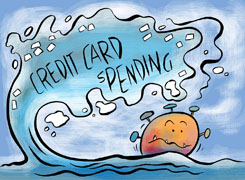
I am in debt trape around 8.5 lac with personal loan and credit card due
Ans: Evaluating Your Current Financial Situation
You have a debt of Rs 8.5 lakh, including personal loans and credit card dues.
This high-interest debt can strain your financial health and impact your investment goals.
Paying off these debts should be your immediate priority to secure your financial future.
Impact of Debt on Your Retirement Goal
The interest on credit card dues and personal loans is often very high.
High-interest debt reduces your disposable income for investments and savings.
Clearing your debts first will help you allocate funds towards achieving your Rs 2 crore goal.
Immediate Action Plan
Step 1: Prioritise Debt Repayment
Focus on paying off high-interest credit card dues first.
Use any available surplus or savings to reduce your debt immediately.
Avoid taking additional loans or credit until you clear existing liabilities.
Step 2: Consolidate Your Debt
Explore a low-interest personal loan to consolidate all high-interest debts.
This reduces the overall interest burden and simplifies repayment.
Ensure timely EMIs for the consolidated loan to maintain financial discipline.
Step 3: Budget and Reduce Expenses
Track your monthly expenses and cut non-essential spending.
Allocate more funds towards debt repayment to clear it faster.
Use budgeting apps or simple spreadsheets to monitor your progress.
Step 4: Avoid Credit Dependency
Stop using credit cards until all dues are cleared.
Use a debit card or cash to control spending and avoid further debt accumulation.
Build an emergency fund to handle unexpected expenses without using credit.
Reviewing Your Investment Plan
Achieving Rs 2 crore by 2030 is possible but requires strategic adjustments.
Currently, your priority should be clearing the Rs 8.5 lakh debt.
Once debts are cleared, invest aggressively towards your retirement goal.
Lump Sum Investment
Your Rs 15 lakh lump sum should not be invested before clearing debts.
After clearing debts, invest the lump sum strategically in equity mutual funds.
Consider systematic transfer plans (STPs) to reduce market timing risks.
Portfolio Rebalancing
Review your Rs 42 lakh portfolio for performance and alignment with your goal.
Ensure proper allocation across large, mid, and small-cap funds for balanced growth.
Avoid over-concentration in any single fund or asset category.
Importance of Professional Guidance
Engage with a certified financial planner to realign your portfolio.
Professional guidance helps select funds that match your risk profile and goals.
Regular funds, with expert advice, provide better support than direct funds.
Why Avoid Index Funds?
Index funds lack active management and fail to outperform during market corrections.
Actively managed funds deliver better returns with professional fund management.
A certified planner ensures better fund selection and periodic portfolio review.
Tax Considerations for Investments
LTCG above Rs 1.25 lakh from equity mutual funds is taxed at 12.5%.
STCG from equity mutual funds is taxed at 20%.
Tax-efficient investments and strategic withdrawals will optimise your post-tax returns.
Building a Debt-Free Future
Emergency Fund
Create an emergency fund covering 6–12 months of expenses.
This prevents dependence on credit during unforeseen events.
Adequate Insurance Cover
Ensure sufficient health and term insurance to protect your family financially.
Avoid investment-cum-insurance products like ULIPs and endowment plans.
Future SIP Contributions
Once debt is cleared, start SIPs to steadily build your retirement corpus.
SIPs in diversified equity funds can generate inflation-beating returns over time.
Final Insights
Clearing your Rs 8.5 lakh debt should be your immediate priority.
Post debt repayment, focus on achieving your Rs 2 crore retirement corpus.
Strategic investments in actively managed funds can help you achieve this goal.
Regular reviews and disciplined financial habits ensure long-term success.
Best Regards,

K. Ramalingam, MBA, CFP,

Chief Financial Planner,

www.holisticinvestment.in
https://www.youtube.com/@HolisticInvestment

..Read more

Latest Questions
Dr Shakeeb Ahmed

Dr Shakeeb Ahmed Khan  |207 Answers  |Ask -

Physiotherapist - Answered on Nov 06, 2026

Asked by Anonymous - Oct 01, 2026
Health
I have diabetes, and over the last few months I've noticed that my hands sometimes start shaking when I’m holding something for a while, such as a cup of tea, a phone, or even a small object. It’s more noticeable when I'm trying to keep my hand steady, and sometimes I feel a little weakness or tiredness in my hands as well. I've heard that diabetes can sometimes affect nerves and muscles, but I'm not sure whether this kind of shaking could be related to that or if it is simply due to muscle weakness or poor grip strength. Could you assess whether there is a physical or muscular reason for this and suggest some safe exercises to improve my hand strength and stability? Also, are there any signs that would mean I should see a doctor or neurologist rather than relying only on physiotherapy?
Ans: Thank you for your query. A physiotherapist with MPTh in neurology can assess your hand strength, grip, and nerve related changes, and teach safe exercises like squeezing a soft ball, slowly opening and closing the fingers, gentle wrist bends, and holding a light cup for short periods. Please see a physiotherapist with MPTh in neurology along with a neurologist and a diabetologist for better management of diabetes, as this team approach covers nerve, muscle, and blood sugar control together. See a doctor or neurologist promptly if the shaking worsens, or you get numbness, sudden weakness, muscle wasting, falls, or trouble with walking, speech, or vision. Wishing you quick recovery

...Read more

DISCLAIMER: The content of this post by the expert is the personal view of the rediffGURU. Investment in securities market are subject to market risks. Read all the related document carefully before investing. The securities quoted are for illustration only and are not recommendatory. Users are advised to pursue the information provided by the rediffGURU only as a source of information and as a point of reference and to rely on their own judgement when making a decision. RediffGURUS is an intermediary as per India's Information Technology Act.

Close  

You haven't logged in yet. To ask a question, Please Log in below
Login

A verification OTP will be sent to this
Mobile Number / Email

Enter OTP
A 6 digit code has been sent to

Resend OTP in120seconds

Dear User, You have not registered yet. Please register by filling the fields below to get expert answers from our Gurus
Sign up

By signing up, you agree to our
Terms & Conditions and Privacy Policy

Already have an account?

Enter OTP
A 6 digit code has been sent to Mobile

Resend OTP in120seconds

x