Need Expert Advice?Our Gurus Can Help
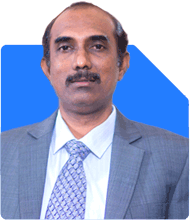
Krishna

Krishna Kumar  |447 Answers  |Ask -

Workplace Expert - Answered on Oct 29, 2026

Krishna Kumar is the founder and CEO of GoMoTech, a company that provides strategic consulting in B2B sales, performance management and digital transformation.
Before branching out on his own, he worked with companies like Microsoft, Rediff, Flipkart and InMobi.
With over 25 years of experience under his belt, KK is a regular speaker at industry events and academic intuitions, both in India as well as abroad.
KK completed his MBA in marketing from the Sri Sathya Sai Institute of Higher Learning in Andhra Pradesh and his management development programme from XLRI, Jamshedpur.
He has also completed his LLB from Nagpur University and diploma in PR from Bhavan’s College of Management, Nagpur, where he was awarded a gold medal.... more
Asked by Anonymous - Oct 27, 2026
Career

With rising expenses, I continue working in this job though I don't enjoy because I have EMIs, children's education and family responsibilities to manage. How I shoud plan financially so that I have the freedom to leave an unsuitable job or take a career break when needed?

Ans: Hello Dear

There are two parts to the question: part one not liking the job and second building financial corpus. Let's look at both.

Firstly, ask yourself why you are not engaged in your work, is it because the industry you are in, the company, boss you are working with ...or any other reason. Address that first, because having an engaging work is very important for the overall well being. So first address that.

Secondly, building financial corpus is anyway a must and there are multiple ways to do that.

Build a "freedom fund" and shrink your fixed obligations. The goal is to make leaving affordable, not just possible.

1. Know your number
Add up your essential monthly spend: EMIs, school fees, groceries, utilities, insurance premiums, basic household costs. Strip out discretionary spending. This "survival number" is what you need to cover up at any given point. It's like what is MUST have to live life.

2. Build an emergency/transition fund
Target 12-18 months of essential expenses, kept separate from regular savings. Since you want the option of a break, lean toward 12 - 18 months.

3. Reduce fixed obligations
EMIs are what trap people in jobs. Prioritize:

Prepay or close the highest-interest loans first (personal loans, credit cards, car loans).

Avoid new EMIs, including lifestyle ones.
For a home loan, prepayment helps, but don't starve the emergency fund to do it.

4. Ring-fence the non-negotiables
Health insurance: a family floater independent of your employer, so a job change doesn't leave you exposed.
Term insurance: adequate cover on your life.

Children's education: separate goal-based investments (SIPs) so that a career break doesn't force you to break them.

5. Create a second source of Income.
Even a small side income (consulting, training, freelancing) lowers the monthly amount you need to cover and gives you a bridge during a transition.

My suggestion would be keep these two things different. Even when you build a corpus, don't stop working, as I sai engaging work is a basis of overall well being. Similarly building a financial corpus will give you much needed comfort in life overall.

Hope this helps. All the best.

Warm Regards
KK
Career

You may like to see similar questions and answers below

Dr Dipankar

Dr Dipankar Dutta  | Answer  |Ask -

Tech Careers and Skill Development Expert - Answered on Mar 22, 2025

Asked by Anonymous - Mar 07, 2025Hindi
Listen
Career
Hello Sir, I'm 24 yrs old. I'm persuing MCA right now. I have 1 year of experience in BPO and recently I got the job in BPO and right now my salary is 22k per month and I'm very confused about my career, I don't know what I'm doing in my life like I'm persuing MCA and doing job in BPO. My family has financial issues and have some debts to pay. I want to do good in my life and giving best life to my parents. I'm very stressed about my future that If I turn 40, will I have a good future or not, will I have good savings or not and will I be stable or not. I'm so much confused about my career. My salary is 22k per month and it is not sufficient for me and family because I have to pay debts of my family. There's no savings in my home. My family wants me to get married but I want to pay off all my debts and loans and then get married so that there is no problem in future and I can focus on one thing only. My family has 3 member - Father, monther and me. Some expenses of 7 Lac home loan EMI, Electricity bill, home expenses and 1 lac debts. How can I manage all these things and how can I pay all debts and loan faster? We want good and free of home loan and debts and relaxing life after 5 years, so please help me to make good financial plans, savings, careers, and managing expenses.
Ans: Since you're pursuing MCA and currently working in a BPO, the immediate priority is shifting to an IT or software-related job for better salary growth.
Keep working in BPO for financial stability but start actively learning technical skills (Python, SQL, Web Development, or Data Analytics).
Get certifications in cloud computing (AWS/Azure), cybersecurity, full-stack development, or data science based on your interest.
Look for remote/part-time freelancing (Upwork, Fiverr) to increase income.

..Read more

Ramalingam

Ramalingam Kalirajan  |11501 Answers  |Ask -

Mutual Funds, Financial Planning Expert - Answered on Jun 04, 2025

Asked by Anonymous - May 25, 2025Hindi
Listen
Money
I am 28 years old. Working in corporate job from 3 years Monthly salary: 24 k I am not feel passionate about this work. I am feeling stuck here. I am not able to switch due to expenses. I want to know about how to manage money. How can i make myself able to follow. My passion without my job.
Ans: You are 28 years old and earning Rs. 24,000 per month. You feel stuck in your job and want to follow your passion. But financial responsibilities are holding you back. Let's explore how you can manage your money to pursue your passion.

Understanding Your Current Financial Situation
Income: Rs. 24,000 per month

Expenses: Not specified, but assume essential living costs

Savings: Not mentioned

Debts: Not mentioned

It's important to have a clear picture of your finances. Start by tracking your income and expenses. This will help you identify areas where you can save.

Building a Financial Safety Net
Before leaving your job, it's crucial to build an emergency fund. Aim to save at least 3-6 months' worth of living expenses. This fund will provide a cushion while you transition to pursuing your passion.

Exploring Side Hustles
Consider starting a side hustle related to your passion. This could be freelance work, online tutoring, or selling handmade products. Start small and gradually build your client base. This will help you generate additional income and gain experience.

Budgeting and Expense Management
Create a monthly budget to manage your expenses. Categorize your spending into essentials and non-essentials. Look for areas where you can cut costs, such as dining out or subscription services. Redirect these savings towards your emergency fund and side hustle.

Skill Development
Invest time in developing skills related to your passion. Take online courses, attend workshops, or find a mentor. Enhancing your skills will increase your confidence and marketability.

Networking and Community Engagement
Connect with others who share your passion. Join online forums, attend local meetups, or participate in workshops. Networking can lead to opportunities and provide support during your transition.

Planning the Transition
Set a realistic timeline for leaving your job. Consider factors like your emergency fund, side hustle income, and skill development. Having a plan will reduce uncertainty and increase your chances of success.

Seeking Professional Guidance
Consult a Certified Financial Planner to help you create a personalized financial plan. They can provide insights and strategies tailored to your situation.

Staying Motivated
Pursuing your passion is a journey. Stay committed, be patient, and celebrate small victories. Surround yourself with supportive individuals who encourage your growth.

Best Regards,

K. Ramalingam, MBA, CFP,

Chief Financial Planner,

www.holisticinvestment.in

https://www.youtube.com/@HolisticInvestment

..Read more

Ramalingam

Ramalingam Kalirajan  |11501 Answers  |Ask -

Mutual Funds, Financial Planning Expert - Answered on Jun 03, 2025

Asked by Anonymous - May 26, 2025Hindi
Money
I am 28 years old. Working in corporate job from 3 years Monthly salary: 24 k I am not feel passionate about this work. I am feeling stuck here. I am not able to switch due to expenses. I want to know about how to manage money. How can i make myself able to follow. My passion without my job.
Ans: Your Current Situation

You are 28 years old.

Your salary is Rs 24,000 per month.

You are not happy with your job.

You feel stuck due to your expenses.

You want to follow your passion without financial stress.

Let us assess step by step.

Understand Your Expenses

First, write down your monthly expenses.

Note down your rent, food, travel, loans, and shopping.

This will give you a clear idea of where your money goes.

Check if some expenses are not important.

Try to cut down on these.

You will save more money this way.

Even a small saving helps in the long run.

Build a Strong Emergency Fund

Before any investment, have an emergency fund.

This is important for your peace of mind.

Aim for 6 months of your monthly expenses.

Put this fund in a savings bank account or liquid funds.

This fund will protect you in bad times.

Start Small With Regular Savings

Do not wait for a big amount to start saving.

Even Rs 500 or Rs 1,000 each month is fine.

This habit will help you learn about money management.

Every rupee you save will give you more freedom.

Avoid Direct Funds for Now

You might have heard of direct mutual funds.

They seem to have lower costs.

But they are not always good for new investors.

Direct funds do not give you advice.

You can make mistakes and lose money.

Better to invest in regular plans with a Certified Financial Planner.

They help you choose good funds.

They also help you in managing risks and taxes.

Invest in Actively Managed Funds

Some people talk about index funds or ETFs.

These funds just follow the market.

They do not change even if the market changes.

This can be risky in bad times.

Actively managed funds are different.

Fund managers keep checking and changing investments.

They try to protect you from market ups and downs.

For a new investor, actively managed funds can be better.

Understand Your Risk Profile

Everyone has a different risk profile.

Some people can take more risk.

Some want to be safe.

A Certified Financial Planner can help you find your risk profile.

This will help in choosing the right investments.

Create a Monthly Investment Plan

You can start with a Systematic Investment Plan (SIP).

It is like planting seeds each month.

Over time, these seeds grow into a strong tree.

SIP in mutual funds is good for long-term wealth.

SIP also helps you stay disciplined in money matters.

Track Your Investments

Check your investments every 6 months.

Do not check daily.

Daily checking makes you worried.

Stay calm and trust the process.

Separate Passion from Job for Now

Right now, your job pays your bills.

Your passion is your dream.

Do not leave your job until you have a backup plan.

Build your savings and investments first.

You can start your passion as a part-time work.

Slowly, you can earn from your passion.

Increase Your Income Slowly

If you have extra time, take small side projects.

Find freelance work that matches your passion.

Use this extra money to save and invest more.

Focus on Learning

Keep learning about money.

Watch videos and read articles on budgeting.

Try to understand how mutual funds work.

Learn about taxes on investments.

This knowledge will make you feel strong and clear.

Review Your Insurance Needs

Check if you have health insurance.

If not, take a basic policy.

Medical costs are very high.

Health insurance will protect you.

If you have dependents, think of term life insurance.

But do not mix investment with insurance.

Investment-cum-insurance policies are not good.

They give low returns.

Better to keep insurance and investment separate.

Plan Your Passion Transition

Do not jump into passion work suddenly.

Make a clear plan.

Check how much money you need each month.

Check how much you can earn from your passion.

Keep your emergency fund ready for 12 months of expenses.

This will reduce stress and give you freedom.

Avoid Common Mistakes

Many people stop investing when markets fall.

Do not do this.

Keep investing in bad times also.

This will give better results in long term.

Avoid loans for investing.

Do not chase quick money ideas.

Build Good Habits

Write your money goals on paper.

Keep it simple and clear.

Do not compare with others.

Focus on your growth and your dreams.

Check Your Job Benefits

Some companies give EPF or NPS.

Do not ignore these.

They are also part of your savings.

Check how much you are contributing.

Try to increase this if you can.

Take Help from a Certified Financial Planner

Money can be confusing sometimes.

A Certified Financial Planner can guide you well.

They help you make better decisions.

They look at your full picture.

They help you save taxes, too.

Finally

You are feeling stuck today.

But you have the power to change.

Start with small steps each month.

Build your savings slowly.

Learn new skills for your passion.

Take help when you need.

You can achieve your dreams with a strong plan.

Best Regards,

K. Ramalingam, MBA, CFP,

Chief Financial Planner,

www.holisticinvestment.in
https://www.youtube.com/@HolisticInvestment

..Read more

Ramalingam

Ramalingam Kalirajan  |11501 Answers  |Ask -

Mutual Funds, Financial Planning Expert - Answered on Jul 11, 2025

Asked by Anonymous - Jul 02, 2025Hindi
Money
I had a career break of 1.5 years where i have exhausted most of my savings...i have started working last month with monthly earning of 70k and my expenses are 35k with no loan or emis. I also have a health insurance and term insurance. I am planning to get married after 2.5 yrs. How should i manage my expenses?
Ans: ? Your Current Situation

– You earn Rs 70,000 every month.
– Expenses are around Rs 35,000 now.
– You have no EMIs or loans.
– You already have term and health insurance.
– You plan to marry in 2.5 years.
– You had a 1.5-year break and used most savings.

– This is a good moment to reset.
– You can now rebuild your finances step-by-step.
– Starting fresh gives you full control.

? Fix a Clear Monthly Budget

– Start with a simple budgeting rule.
– Keep monthly spending below 50% of income.
– That means Rs 35,000 is already at the upper limit.
– Look where you can save Rs 5,000 to Rs 7,000 more.
– Cancel unused subscriptions or luxury spending.

– Track every rupee you spend.
– Use budgeting apps or simple Excel.
– Include annual expenses like gifts and festivals.
– Prepare for unseen costs by setting monthly limits.

? Build Emergency Fund First

– This is most urgent now.
– Start putting Rs 10,000 every month into liquid savings.
– Target is to save at least Rs 2 lakhs in 18 months.
– Keep it in a liquid mutual fund or sweep-in FD.
– Don’t touch it unless it’s an emergency.

– It gives peace during job loss or health crisis.
– It also avoids taking loans or credit card debt.

? Prepare for Marriage Expenses

– You have 2.5 years to plan.
– Marriage expenses may touch Rs 4 to 6 lakhs.
– You can save Rs 15,000 per month for it.
– Start a separate recurring deposit or hybrid mutual fund.
– Don’t mix this goal with other investments.

– If your family is contributing, adjust accordingly.
– Talk openly with your partner about shared costs.

? Start Investing Monthly

– After emergency and marriage saving, begin SIPs.
– Even Rs 5,000 per month in equity mutual funds is fine now.
– Choose actively managed mutual funds, not index funds.

– Index funds give average returns only.
– They also fall fully during market crashes.
– Actively managed funds adjust and protect better.

– Also avoid direct stock investing now.
– You need stability and compounding, not risky bets.

? Avoid Direct Funds

– Direct mutual funds look cheaper due to low expense.
– But they lack guidance and regular review.
– A wrong fund can hurt your long-term returns.
– Invest through a MFD with CFP credential.
– Regular plans give access to expert support and monitoring.

? Protect Your Insurance

– You already have term insurance.
– Check if the cover is enough.
– Rs 1 crore is good starting point if unmarried.
– After marriage, review again.
– Health insurance should cover hospital bills up to Rs 5-10 lakhs.

– Do not rely only on company health cover.
– Always maintain one personal policy too.

? Don’t Touch Credit Cards

– Avoid taking credit card loans or personal loans.
– Keep your lifestyle inside your budget.
– Loans can trap you again.

– If you swipe, pay in full every month.
– Carrying credit balances kills savings.

? Improve Financial Habits

– Automate your SIPs and savings.
– Avoid manual transfers.
– This builds financial discipline.

– Keep two accounts:

One for spending

One for saving

– Move money to savings account right after salary credit.
– This avoids accidental overspending.

? Keep Some Cash Buffer

– Always keep Rs 10,000 to Rs 15,000 in bank for small surprises.
– This is different from emergency fund.
– Helps when you need quick access without breaking FDs.

? Prepare Financially for Marriage Life

– Marriage brings new responsibilities.
– Talk about money with your future partner.
– Discuss joint goals and monthly spending habits.
– Decide how you will share costs after marriage.

– Make sure your partner also has insurance.
– Discuss and align investment goals.

– If your partner is earning, you can build joint plans.
– If not, plan for higher expenses.

? Tax Planning

– You are under new tax regime.
– That limits deduction benefits.
– Focus on building wealth instead of saving tax.

– Once income grows beyond Rs 10 lakh, explore NPS.
– But not before meeting emergency and marriage needs.

? Plan for Wealth Building in Phases

– First 1 year:

Build emergency fund

Save for marriage

Track expenses tightly

– Second year:

Begin monthly SIP

Improve insurance cover if needed

Avoid new debts or liabilities

– After marriage:

Build joint financial plan

Save for long-term goals like house or retirement

? Stay Away from ULIP, LIC, or Endowment

– Don’t buy insurance plus investment plans.
– They give poor returns and lock your money.
– Keep insurance and investments separate.
– If you already have LIC or ULIP, evaluate surrender.
– Move that money to mutual funds.

? Know Your Investment Options

– Choose equity mutual funds for long-term goals.
– Use hybrid mutual funds for medium-term goals.
– Use debt mutual funds or RDs for short-term needs.

– Avoid gold jewellery as an investment.
– You can use digital gold or gold mutual funds.
– Limit gold to 10% of your overall portfolio.

? Review and Reassess

– Set a review schedule every 6 months.
– Track your net worth and savings rate.
– Adjust your investments based on life events.
– Review insurance and tax-saving options yearly.

– Keep learning more about personal finance.
– Stay updated but don’t panic with news or market ups and downs.

? Finally

– You are back on your feet.
– That itself is a good restart point.
– Build savings slowly and stay consistent.
– Don’t overspend for short-term joy.
– Set goals and follow a written plan.

– Avoid comparing with others.
– Focus on your own journey.
– Long-term planning wins over random decisions.
– Make every rupee you earn work hard for you.

Best Regards,
K. Ramalingam, MBA, CFP,
Chief Financial Planner,
www.holisticinvestment.in
https://www.youtube.com/@HolisticInvestment

..Read more

Naveenn

Naveenn Kummar  |265 Answers  |Ask -

Financial Planner, MF, Insurance Expert - Answered on Sep 04, 2025

Money
I am 51 with take home salary of about Rs.2.0 Lakh. I want to quit the job and relax.My MF portfolio is about Rs.1.6 Crore, PPF is about Rs.0.4 Crore, PF is about Rs.1.5 Crore, Other savings are about Rs.0.9 Crore. I have two kids who are studying and will be completing their education in 3 and 6 years respectively in India. How do I pan out my expenses for next 35 years when my monthly expenditure is about Rs.80,000. I will also have to take an medical cover for myself and my dependents (Totally 4 of them)
Ans: Dear Sir,

Thank you for sharing your detailed financial situation. Based on your current assets and expenses, here’s a structured approach to plan for the next 35 years post-retirement.

1. Current Financial Snapshot

Mutual Funds: ?1.6 Cr

PPF: ?0.4 Cr

PF: ?1.5 Cr

Other Savings: ?0.9 Cr

Total Corpus: ?4.4 Cr

Monthly Expenses: ?80,000 (today’s value)

Children’s Education: 3 and 6 years remaining

2. Considerations

Inflation: Assuming 6–7% per annum, your ?80,000 monthly expense will increase significantly over 35 years.

Medical Cover: Comprehensive health insurance for yourself, your spouse, and two children is essential. Consider top-up or floater plans to cover rising medical costs.

Children’s Education: Keep a separate corpus for their education to avoid dipping into retirement funds.

3. Expense Planning & Corpus Management

Short-Term (0–6 years): Allocate funds for children’s education from safe instruments (PPF, liquid funds, short-term debt).

Medium-Term (6–15 years): Gradually shift part of MF portfolio into balanced or hybrid funds to reduce volatility while still generating moderate returns.

Long-Term (15–35 years): Maintain a mix of debt and equity for growth and capital preservation. Use systematic withdrawal plans (SWP) from mutual funds to cover monthly expenses.

4. Suggested Withdrawal Strategy

Calculate inflation-adjusted expenses:

Today’s ?80,000/month ≈ ?2.5–3 L/month after 20 years at 6–7% inflation.

SWP from MF portfolio: Withdraw monthly to meet current expenses while keeping equity exposure for growth.

PPF and PF: Can serve as safe long-term retirement corpus and buffer for emergencies.

Other Savings: Keep in liquid funds or short-term debt for flexibility and unplanned expenses.

5. Key Recommendations

Health Insurance: Purchase a comprehensive floater policy with top-up, covering all 4 family members.

Separate Education Fund: Allocate a portion of savings to secure children’s education without disturbing your retirement corpus.

Diversified Portfolio: Maintain balanced allocation of equity, debt, and safe instruments to sustain 35-year withdrawals.

Periodic Review: Review portfolio and withdrawals annually with a QPFP/financial planner to adjust for inflation, market performance, and unexpected expenses.

Summary:

With ?4.4 Cr corpus, disciplined SWP, separate planning for children’s education, and adequate health coverage, you can retire comfortably at 51 while managing expenses for the next 35 years. Inflation-adjusted planning and portfolio monitoring are critical to ensure the corpus lasts through your lifetime.

Best regards,
Naveenn Kummar, BE, MBA, QPFP
Chief Financial Planner | AMFI Registered MFD
www.alenova.in
https://www.instagram.com/alenova_wealth

..Read more

Latest Questions
T S Khurana

T S Khurana   |578 Answers  |Ask -

Tax Expert - Answered on Nov 14, 2026

Nayagam P

Nayagam P P  |12598 Answers  |Ask -

Career Counsellor - Answered on Nov 11, 2026

Career
Hello Sir, Hope you’re doing well. My name is Amey. I’ve completed my engineering in Computer Science and have recently upskilled myself in Data Analytics. Despite having relevant skills and projects, I’m finding it quite difficult to enter the job market, even for internship opportunities. I thought of reaching out to you for guidance, as you have extensive experience in career counselling and placement. I’d really like to understand where I might be falling behind at this stage and what I could do differently to improve my chances of getting into the industry. Any guidance or advice from your end would truly be appreciated. Thank you, Sir.
Ans: Amey, with a Computer Science degree and Data Analytics training, you already have a good foundation. However, having skills and completing projects does not always lead to interview calls immediately. Your profile, projects, and job-search approach should clearly show your practical value to employers.

(1) Build a strong LinkedIn presence: Keep your LinkedIn profile updated and stay active. Connect with college seniors, alumni, professors, and professionals in your field. Set job and internship alerts now on LinkedIn, follow job-market trends, and apply to startups and entry-level roles as well.

(2) Strengthen job-ready skills: Do not rely only on completing a Data Analytics course. Check whether you can independently handle entry-level analyst tasks. Take practice assessments in SQL, Excel, and Power BI, identify your two weakest areas, and improve them through hands-on practice over the next 3–4 weeks.

(3) Build 3–4 strong projects: Focus on projects that solve real business problems, not just show that you know analytical tools. Publish them on GitHub and share dashboards or demos where possible. Aim for three well-documented projects rather than many incomplete ones.

(4) Improve your resume and LinkedIn profile: Your resume should show how you can contribute to an organisation, not just list courses and technical skills. Highlight your projects, tools, and the business value of your work.

(5) Expand your job search: Do not apply only for roles titled “Data Analyst.” Also apply for Junior Data Analyst, Business Analyst Trainee, MIS Executive/Analyst, Reporting Analyst, Operations Analyst, and BI Analyst Intern roles. Consider internships, trainee positions, apprenticeships, and entry-level jobs. Do not reject a suitable opportunity only because the title is different.

(6) Use a focused application strategy: Avoid sending too many generic applications. Aim for 25–30 relevant applications, 10 personalised networking messages, and two meaningful portfolio or project improvements each week. Track applications, responses, and interview outcomes in a spreadsheet.

(7) Prepare for interviews: Employers look for candidates who can explain data and share clear recommendations. Practise explaining each project in 3–5 minutes using this structure: Problem → Data → Tools → Analysis → Findings → Business Recommendation. Do at least two mock interviews weekly with friends or family, record them on your phone, and review your confidence, answers, and body language.

(8) Consider freelancing: Along with job applications, explore freelance work as a junior data analyst. Focus on Excel, SQL, Python, Power BI/Tableau, data cleaning, dashboards, and business insights. Build 2–3 portfolio projects, create a LinkedIn/GitHub presence, and approach e-commerce, sales, marketing, and small businesses through Upwork, Fiverr, or local SMEs (Small and Medium Enterprises).

Do not spend too much time collecting certificates without applying. Start applying while improving your skills and portfolio. Your first role does not need to be your final career destination; it can help you gain experience and grow into stronger Data Analytics or Business Intelligence roles. I MISSED your message on LinkedIn. Could you please send it to me again on LinkedIn? All The Best for Your Prosperous Future!

Follow RediffGURUS to Know More on 'Careers | Money | Health | Relationships'.
...Read more

DISCLAIMER: The content of this post by the expert is the personal view of the rediffGURU. Investment in securities market are subject to market risks. Read all the related document carefully before investing. The securities quoted are for illustration only and are not recommendatory. Users are advised to pursue the information provided by the rediffGURU only as a source of information and as a point of reference and to rely on their own judgement when making a decision. RediffGURUS is an intermediary as per India's Information Technology Act.

Close  

You haven't logged in yet. To ask a question, Please Log in below
Login

A verification OTP will be sent to this
Mobile Number / Email

Enter OTP
A 6 digit code has been sent to

Resend OTP in120seconds

Dear User, You have not registered yet. Please register by filling the fields below to get expert answers from our Gurus
Sign up

By signing up, you agree to our
Terms & Conditions and Privacy Policy

Already have an account?

Enter OTP
A 6 digit code has been sent to Mobile

Resend OTP in120seconds

x