विशेषज्ञ की सलाह चाहिए?हमारे गुरु मदद कर सकते हैं
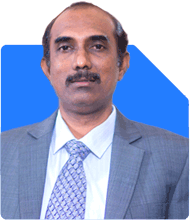
Janak

Janak Patel  | Answer  |Ask -

MF, PF Expert - Answered on May 26, 2025

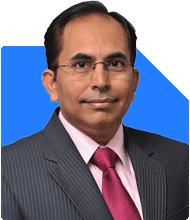
Janak Patel is a certified financial planner accredited by the Financial Planning Standards Board, India.
He is the CEO and founder of InfiniumWealth, a firm that specialises in designing goal-specific financial plans tailored to help clients achieve their life goals.
Janak holds an MBA degree in finance from the Welingkar Institute of Management Development and Research, Mumbai, and has over 15 years of experience in the field of personal finance. ... more
Asked by Anonymous - May 24, 2025
Money

Sir, I am 32, male. I stay with my mother and I have an elder sister (married) who visits us quite often as her in-laws' is nearby. Me and my mother are self-employed having a collective income of around 1.2 lakhs per month. We (me, maa and didi) have an OD loan from a FD of 30 lakhs whose EMI is around 18,500/- per month. I have a car loan of around 11,500/- and a 2 wheeler loan of 3,300/- per month for the next 3 years. We have a deposit of 50 lakhs divided into 2 FDs and a collective MF having around 3.5 lakhs. How can we manage and grow our money more efficiently in the long run?

Ans: Hi,

Total Income = 1.2 lakhs
FD = 50 Lakhs
OD loan on FD = 30 lakhs with EMI of 18500

I think the main point of analysis is the FDs and the EMI payments for the OD loan on FDs.
Outside of this the money in hand can be utilized for long term investment (note at the end).

I am not sure what is the period for this EMI. Please check what rate is applied to this OD loan. I am sure you had a good reason to withdraw the 30 lakhs.
Basically its your 30 lakhs in FD and you have borrowed it and you are trying to put it back using the EMI way.
Typically FDs provide lets say 7% interest, so you need to decide if your EMI to fulfill the 30 lakhs is worth the future value of your FDs. So ask this question, after X years of paying EMI what amount are you getting in hand ?
Usually in such situation, the bank may make money or net effect is you will get less than 7% interest on your own money.

Now lets see FD value of 50 lakhs at 7%
over the next 10 years = 98 lakhs,
over the next 15 years = 1.37 crore
and over the next 20 years = 1.93 crore
And you need to reduce the amounts with the EMIs you are paying against the OD loan on FDs. Thus your returns will be much less in hand.

Alternate scenario -
I would suggest you close the OD loan using your own FD amount of 30 lakhs.
You would have 20 lakhs remaining - of this keep 7 lakhs in FD as Emergency fund for any situation you do not anticipate.
Invest the remaining 13 lakhs in Mutual funds - this will have a potential of earning returns of 12% annually over the long term.
Add to this the 18500 as MF SIP amount (same as you planned for EMI). Hence nothing changes in hand for you (outgoing EMI or SIP).
The wealth accumulated (approx.)
over the next 10 years = 86 lakhs,
over the next 15 years = 1.71 crore
and over the next 20 years = 3.26 crore

Now you can compare if this with your FD of 50 lakhs at 7% less the EMI payments and clearly the alternate scenario will work out better.

And additional money in hand from your income less expenses, you can utilize that too and invest in MFs and increase the wealth you will create in the long term.
An addition of 10000 to your SIP will generate approx. 1 crore, 2.22 crore and 4.26 crore respectively.

As your EMI for car/2wheelers close, invest same into MF and over the long term, your wealth creation will only increase.

Important is to stay committed over the long period of time and take wise decisions. Review the MF portfolio every year to check if the performance is as expected.
You can consult a fee based CFP/Advisor who can guide you towards this and also add value to holistic planning for insurance, tax and retirement. Better pay a fee and get unbiased advice, instead of individuals selling you products not in your best interest.

Thanks & Regards
Janak Patel
Certified Financial Planner.
DISCLAIMER: The content of this post by the expert is the personal view of the rediffGURU. Users are advised to pursue the information provided by the rediffGURU only as a source of information to be as a point of reference and to rely on their own judgement when making a decision.
Money

आप नीचे ऐसेही प्रश्न और उत्तर देखना पसंद कर सकते हैं

Ramalingam

Ramalingam Kalirajan  |11481 Answers  |Ask -

Mutual Funds, Financial Planning Expert - Answered on Jan 29, 2025

Asked by Anonymous - Dec 21, 2024English
Money
नमस्ते, मैं 35 वर्ष का हूँ और 65 हजार प्रतिमाह कमाता हूँ। मेरा एक बेटा है जो 6 साल का है। पति की कमाई से हम केवल 50 हजार एनएससी पीपीएफ 50 हजार और 65 हजार प्रति वर्ष बचा पाते हैं। मेरा एनएससी 50 हजार पीपीएफ 50 हजार प्रति वर्ष है। हमारे पास अपना घर या कोई अन्य संपत्ति नहीं है, यहाँ तक कि कोई ऋण भी नहीं है। हम दोनों ने अब तक 25 लाख एन 10 लाख प्रत्येक के पास जमा कर रखे थे। हम तीनों के पास 15-15 लाख का स्वास्थ्य बीमा कवरेज है। 10 लाख का आपातकालीन कोष, 5 लाख रुपये लिक्विड पोस्ट ऑफिस में फिक्स्ड। ससुराल वालों के साथ रह रहे हैं, इसलिए भोजन, नौकरानी, ​​रसोइया पर प्रति माह लगभग 50 हजार खर्च आता है। स्कूल की फीस 1.5 लाख। स्वर्ण योजना पर प्रति माह लगभग 25 हजार, ये हमारे कुल व्यय हैं। वित्त का प्रबंधन कैसे करें जिससे धन में वृद्धि हो सके। क्या हम सही तरीके से कर रहे हैं?
Ans: आपकी वित्तीय स्थिति का आकलन
आप और आपके जीवनसाथी की संयुक्त आय 65,000 रुपये प्रति माह है।
आपकी बचत में एनएससी (प्रत्येक 50,000 रुपये), पीपीएफ (प्रत्येक 50,000 रुपये) और पीएलआई (सालाना 65,000 रुपये) शामिल हैं।
आप पर कोई लोन या खुद की कोई संपत्ति नहीं है।
आपका पीएफ बैलेंस संयुक्त रूप से 25 लाख रुपये है।
स्वास्थ्य बीमा कवरेज तीनों सदस्यों के लिए 15-15 लाख रुपये है।
आपातकालीन निधि: लिक्विड सेविंग में 10 लाख रुपये और पोस्ट ऑफिस डिपॉजिट में 5 लाख रुपये।
जीवनयापन व्यय: 50,000 रुपये (खाना, नौकरानी, ​​रसोइया) और 1.5 लाख रुपये सालाना स्कूल फीस।
गोल्ड स्कीम: 25,000 रुपये प्रति माह।
आपकी वित्तीय योजना में ताकत
शून्य ऋण: कोई घर या व्यक्तिगत ऋण नहीं होने से वित्तीय दबाव कम होता है।
सेवानिवृत्ति योजना: आपके पास पीएफ में 25 लाख रुपये हैं, जो बढ़ते रहेंगे।
स्वास्थ्य सुरक्षा: 15 लाख रुपये प्रति व्यक्ति 15 लाख का कवरेज पर्याप्त है।

इमरजेंसी फंड: 10 लाख रुपये लिक्विड और 5 लाख रुपये पोस्ट ऑफिस में निवेश करने से वित्तीय सुरक्षा सुनिश्चित होती है।

जिन क्षेत्रों में सुधार की आवश्यकता है

गोल्ड स्कीम: सोने में 25,000 रुपये प्रति माह निवेश करना अधिक है। सोने से नियमित रिटर्न नहीं मिलता। इसे कम करें और ग्रोथ एसेट्स में निवेश करें।

विविधीकरण: आपकी बचत ज्यादातर फिक्स्ड-इनकम प्रोडक्ट्स (एनएससी, पीपीएफ, पीएलआई) में होती है। ये सुरक्षित हैं, लेकिन इनसे संपत्ति में तेजी से वृद्धि नहीं होती।

इक्विटी एक्सपोजर की कमी: लंबी अवधि में संपत्ति निर्माण के लिए इक्विटी म्यूचुअल फंड की जरूरत होती है।

अनुशंसित वित्तीय रणनीति

1. सोने में निवेश कम करें और ग्रोथ एसेट्स में निवेश करें

गोल्ड स्कीम में निवेश को 25,000 रुपये से घटाकर 10,000 रुपये प्रति माह करें।

शेष 15,000 रुपये का उपयोग इक्विटी म्यूचुअल फंड में निवेश शुरू करने के लिए करें।

बेहतर रिटर्न के लिए इंडेक्स फंड के बजाय विविध, सक्रिय रूप से प्रबंधित म्यूचुअल फंड चुनें।

2. इक्विटी एक्सपोजर बढ़ाएँ

पीपीएफ और एनएससी सुरक्षित हैं, लेकिन धीरे-धीरे बढ़ते हैं।

आपको अपनी मासिक बचत का कम से कम 40-50% हिस्सा लंबी अवधि में धन कमाने के लिए इक्विटी म्यूचुअल फंड में लगाना चाहिए।

किसी ऐसे म्यूचुअल फंड वितरक (MFD) के माध्यम से निवेश करें जो प्रमाणित वित्तीय योजनाकार (CFP) भी हो। इससे पेशेवर फंड चयन सुनिश्चित होता है।

3. बच्चे की उच्च शिक्षा के लिए योजना

आपके बेटे की शिक्षा अगले 10-12 वर्षों में एक बड़ा खर्च होगी।

एक समर्पित म्यूचुअल फंड निवेश खोलें और एक कोष बनाएँ।

चाइल्ड एजुकेशन फंड में हर महीने 10,000 रुपये निवेश करने का लक्ष्य रखें।

4. रिटायरमेंट प्लानिंग में वृद्धि

आपका PF बढ़ेगा, लेकिन मुद्रास्फीति इसके मूल्य को कम कर देगी।

रिटायरमेंट के लिए इक्विटी म्यूचुअल फंड में हर महीने 10,000 रुपये निवेश करें।

रिटायरमेंट के करीब आने पर धीरे-धीरे इसे सुरक्षित साधनों में बदलें।

5. घर खरीदना - भविष्य की योजना

आपके पास घर नहीं है, लेकिन आपको इसके लिए योजना बनानी चाहिए।

रियल एस्टेट खरीदने में जल्दबाज़ी न करें।

सबसे पहले, कम से कम 10,000 रुपये का कोष बनाएँ। प्रॉपर्टी निवेश पर विचार करने से पहले इक्विटी में 20-30 लाख रुपये निवेश करें।
6. बीमा का अनुकूलन
आपका स्वास्थ्य बीमा अच्छा है।
सुनिश्चित करें कि आपके पास कम से कम 10 गुना वार्षिक आय को कवर करने वाली टर्म लाइफ इंश्योरेंस पॉलिसी भी है।
अंत में
अनावश्यक सोने के निवेश को कम करें और इक्विटी में अधिक निवेश करें।
एक प्रमाणित वित्तीय योजनाकार के माध्यम से म्यूचुअल फंड में निवेश करना शुरू करें।
अपने बच्चे की शिक्षा और अपनी सेवानिवृत्ति के लिए निवेश बढ़ाएँ।
अपने आपातकालीन फंड को बरकरार रखें और अभी रियल एस्टेट खरीदने से बचें।
बेहतर एसेट एलोकेशन के साथ, आपकी संपत्ति तेजी से बढ़ेगी।
सादर,

के. रामलिंगम, एमबीए, सीएफपी

मुख्य वित्तीय योजनाकार

www.holisticinvestment.in
https://www.youtube.com/@HolisticInvestment
..Read more

Ramalingam

Ramalingam Kalirajan  |11481 Answers  |Ask -

Mutual Funds, Financial Planning Expert - Answered on Aug 02, 2025

Asked by Anonymous - Jul 06, 2025English
Money
नमस्ते, मैं 27 साल की अविवाहित महिला हूँ और निजी क्षेत्र में 82,000 रुपये प्रति माह कमाती हूँ। मेरे माता-पिता मुझ पर निर्भर हैं, और मेरी 19 साल की बहन भी मुझ पर निर्भर है। मुझ पर लगभग 3 लाख रुपये का कर्ज़ है और 15,000 रुपये किराया है। मैं अपने वित्त का प्रबंधन कैसे करूँ और बेहतर वित्तीय निवेश कैसे करूँ?
Ans: – अपनी वित्तीय जानकारी इतनी स्पष्टता से साझा करने के लिए धन्यवाद।
– आपकी 82,000 रुपये की अनुशासित मासिक आय एक मज़बूत आधार है।
– अपने माता-पिता और बहन का समर्थन करना सराहनीय ज़िम्मेदारी दर्शाता है।
– ऋण और किराए का प्रभावी ढंग से प्रबंधन आपके आत्मविश्वास को बढ़ाएगा।
– आइए एक संपूर्ण 360-डिग्री वित्तीय रोडमैप देखें।

"वर्तमान वित्तीय विवरण"
– मासिक आय 82,000 रुपये है।
– 15,000 रुपये का किराया दायित्व आपकी व्यय योग्य आय को कम करता है।
– 3,00,000 रुपये के बकाया ऋण पर ब्याज लगता है।
– तीन आश्रित आपके वित्तीय सहयोग पर निर्भर हैं।
– बीमा या म्यूचुअल फंड का कोई विवरण नहीं दिया गया है।
– आपातकालीन बफर वर्तमान में स्थापित नहीं लगता है।

"व्यय प्रबंधन"
– हर महीने सभी खर्चों पर सावधानीपूर्वक नज़र रखें।
– स्पष्टता के लिए एक सरल स्प्रेडशीट का उपयोग करें।
– ज़रूरतों, इच्छाओं और बचत को अलग-अलग वर्गीकृत करें।
– इच्छाओं को आय के 20% से कम तक सीमित रखने का लक्ष्य रखें।
– ज़रूरतों को आय के 50% से कम पर आबंटित करें।
– बचत और निवेश का लक्ष्य 30% आय होना चाहिए।
– संभावित कमी के लिए किराए और उपयोगिता लागतों की समीक्षा करें।
– कम खर्च के लिए नवीनीकरण पर किराए पर बातचीत करें।
– यदि कम उपयोग हो रहा हो तो विवेकाधीन सदस्यता में कटौती करें।
– आवश्यक और उद्देश्यपूर्ण खर्चों को प्राथमिकता दें।

»आपातकालीन निधि निर्माण
– आपातकालीन निधि में छह महीने के खर्च शामिल होने चाहिए।
– छह महीने के लिए प्रति माह 90,000 रुपये का लक्ष्य रखें।
– कुल आपातकालीन निधि का लक्ष्य 5,40,000 रुपये।
– 5,000 रुपये के छोटे मासिक हस्तांतरण से शुरुआत करें।
– ऋण कम होने पर स्थानांतरण बढ़ाएँ।
– आपातकालीन निधियों को लिक्विड फंडों में जमा करें।
– सक्रिय रूप से प्रबंधित लिक्विड फंड पेशेवर निगरानी प्रदान करते हैं।
– कम सेवा समर्थन के कारण यहाँ सीधे धन जमा करने से बचें।
– एमएफडी के माध्यम से नियमित धन जमा करने से सीएफपी-प्रबंधित मार्गदर्शन सुनिश्चित होता है।
– मुद्रास्फीति के लिए वार्षिक रूप से कॉर्पस लक्ष्य की समीक्षा करें।

"ऋण प्रबंधन रणनीति"
– उच्च लागत वाले ऋणों का पुनर्भुगतान प्राथमिकता से किया जाना चाहिए।
– अपने ऋण का पूर्व भुगतान करने के लिए अतिरिक्त नकदी का प्रबंध करें।
– दो वर्षों के भीतर ₹3,00,000 चुकाने का लक्ष्य रखें।
– ऋणदाता के साथ कम ब्याज दर पर बातचीत करें।
– यदि नकदी अधिशेष उत्पन्न होता है, तो बैलून भुगतान का उपयोग करें।
– वर्तमान ऋण समाप्त होने तक नए ऋण से बचें।
– ऋण निपटान के बाद, भुगतानों को निवेशों में पुनर्निर्देशित करें।
– मासिक रूप से पुनर्भुगतान प्रगति का दस्तावेजीकरण करें।
– प्रेरणा बनाए रखने के लिए महत्वपूर्ण उपलब्धियों का जश्न मनाएँ।

»बीमा और सुरक्षा
– मौजूदा जीवन और स्वास्थ्य कवरेज की समीक्षा करें।
– जहाँ तक संभव हो, सुनिश्चित करें कि आपके माता-पिता और बहन सह-बीमित हों।
– कम से कम दस गुना आय कवर करने वाला टर्म इंश्योरेंस लें।
– एमएफडी नियमित योजनाओं के माध्यम से गंभीर बीमारी कवर का विकल्प चुनें।
– अभी यूलिप या निवेश-सह-बीमा संरचनाओं से बचें।
– बीमा को निवेश लक्ष्यों से स्पष्ट रूप से अलग करें।
– विशुद्ध निवेश के लिए सक्रिय रूप से प्रबंधित फंड का उपयोग करें।
– हर दो साल में बीमा आवश्यकताओं का पुनर्मूल्यांकन करें।
– पॉलिसी प्रीमियम को आय के 10% के भीतर रखें।

»निवेश रणनीति अवलोकन
– विविध सक्रिय रूप से प्रबंधित इक्विटी फंड का लक्ष्य रखें।
– इक्विटी फंड पाँच वर्षों में उच्च वृद्धि प्रदान करते हैं।
– सीमित सक्रिय निगरानी के कारण इंडेक्स फंड से बचें।
– बाजार में उतार-चढ़ाव के दौरान इंडेक्स फंड में लचीलेपन की कमी होती है।
– सक्रिय रूप से प्रबंधित फंड भारतीय बाजारों में बेहतर प्रदर्शन कर सकते हैं।
– एमएफडी के माध्यम से नियमित फंड निवेश सीएफपी मार्गदर्शन प्रदान करते हैं।
– मासिक ₹10,000 का एसआईपी आवंटन शुरू करें।
– हर साल एसआईपी में ₹2,000 की वृद्धि करें।
– 60% इक्विटी में, 20% डेट में, 20% हाइब्रिड में आवंटित करें।
– मजबूत ट्रैक रिकॉर्ड वाले उच्च-गुणवत्ता वाले फंड हाउस का उपयोग करें।
– फंड मैनेजर के कार्यकाल और निरंतरता का सालाना मूल्यांकन करें।
– डेट आवंटन में अल्पकालिक फंड का उपयोग किया जा सकता है।
– डेट एलटीसीजी और एसटीसीजी पर प्रति स्लैब कर लगाया जाता है; शुद्ध रिटर्न को ध्यान में रखें।
– 30 और 35 वर्ष की आयु में जीवन स्तर के आधार पर फंड का पुनर्आवंटन करें।

'सेवानिवृत्ति योजना ढांचा'
– चक्रवृद्धि लाभों के लिए अभी सेवानिवृत्ति बचत शुरू करें।
– 60 वर्ष की आयु तक 3 करोड़ रुपये की सेवानिवृत्ति निधि का लक्ष्य रखें।
– निवेश का 50% इक्विटी फंडों में आवंटित करें।
– अधिक रिटर्न की संभावना के लिए सक्रिय रूप से प्रबंधित फंडों का उपयोग करें।
– डेट फंड सेवानिवृत्ति के निकट इक्विटी में अस्थिरता को कम करते हैं।
– हर पाँच साल में सेवानिवृत्ति आवंटन की समीक्षा करें।
– वेतन 82,000 रुपये से अधिक होने पर योगदान बढ़ाएँ।
– जहाँ संभव हो, स्वैच्छिक भविष्य निधि योगदान शामिल करें।
– वार्षिकी से बचें; वे भविष्य की तरलता को सीमित करते हैं।
– सीएफपी-निर्देशित फंड अनुशासित सेवानिवृत्ति निवेश सुनिश्चित करते हैं।

»कर नियोजन संबंधी विचार
– 1.5 लाख रुपये की सीमा तक धारा 80सी विकल्पों का उपयोग करें।
– नियमित म्यूचुअल फंड ईएलएसएस में तीन साल की लॉक-इन अवधि होती है।
– सक्रिय रूप से प्रबंधित ईएलएसएस को पेशेवर स्टॉक चयन का लाभ मिलता है।
– 80सी लक्ष्यों को पूरा करने के लिए प्रत्यक्ष इक्विटी से बचें।
– डेट म्यूचुअल फंड पर एसटीसीजी पर प्रति आय स्लैब के अनुसार कर लगता है।
– इक्विटी फंड पर 1.25 लाख रुपये से अधिक के एलटीसीजी पर 12.5% कर लगता है।
– फंड भुनाते समय कर के प्रभाव को ध्यान में रखें।
– कर स्लैब को अनुकूलित करने के लिए चरणबद्ध तरीके से भुनाएँ।
– समय पर दाखिल करने के लिए निवेश प्रमाणों का दस्तावेजीकरण करें।

»निगरानी और समीक्षा
– अपने साथ तिमाही समीक्षा बैठकें निर्धारित करें।
– बेंचमार्क के मुकाबले पोर्टफोलियो के प्रदर्शन पर नज़र रखें।
– जोखिम संरेखण के लिए सालाना परिसंपत्ति मिश्रण को पुनर्संतुलित करें।
– यदि आय मुद्रास्फीति से अधिक बढ़ती है तो एसआईपी बढ़ाएँ।
– नियमित रूप से किसी प्रमाणित वित्तीय योजनाकार से परामर्श लें।
– परिस्थितियों में बदलाव के साथ वित्तीय लक्ष्यों को अपडेट करें।
– सभी लेनदेन का स्पष्ट दस्तावेज़ीकरण बनाए रखें।
– फंड ट्रैकिंग की सुविधा के लिए डिजिटल प्लेटफॉर्म का उपयोग करें।
– फंड साहित्य और विवरणों को डिजिटल रूप से व्यवस्थित रखें।
– नए कर नियमों और फंड विनियमों से अवगत रहें।

"व्यवहार संबंधी अंतर्दृष्टि"
"बाजार में गिरावट के दौरान अनुशासन बनाए रखें।
"बाजार के उतार-चढ़ाव पर आवेगपूर्ण तरीके से निवेश निकालने से बचें।
"इक्विटी निवेश के लिए दीर्घकालिक दृष्टिकोण बनाए रखें।
"गति बनाए रखने के लिए छोटी-छोटी उपलब्धियों का जश्न मनाएँ।
"पढ़ने और कार्यशालाओं के माध्यम से वित्तीय जागरूकता विकसित करें।
"परिवार को सरल बजट चर्चाओं में शामिल करें।
"लगातार कार्रवाई के माध्यम से स्वस्थ धन संबंधी आदतें बनाएँ।

"अंतिम अंतर्दृष्टि"
"एक समग्र दृष्टिकोण संतुलित वित्तीय स्वास्थ्य सुनिश्चित करता है।
"ऋण में कमी, आपातकालीन बफर और निवेश लक्ष्यों को संरेखित करते हैं।
"सक्रिय फंड प्रबंधन अनुकूलित पेशेवर निगरानी प्रदान करता है।
"नियमित समीक्षा निरंतर सुधार को बढ़ावा देती है।
"आपके अनुशासित प्रयास स्थायी वित्तीय स्थिरता प्रदान करेंगे।

सादर,
के. रामलिंगम, एमबीए, सीएफपी,
मुख्य वित्तीय योजनाकार,
www.holisticinvestment.in
https://www.youtube.com/@HolisticInvestment

..Read more

नवीनतम प्रश्न
Krishna

Krishna Kumar  |427 Answers  |Ask -

Workplace Expert - Answered on Oct 06, 2026

Asked by Anonymous - Oct 06, 2026
Career
What should an employee do if the person they are supposed to report harassment or discrimination to is actually the same person involved in the problem? For example, suppose a senior manager regularly makes inappropriate comments about an employee’s appearance or background, and the employee wants to complain, but the company’s usual process says that concerns should first be reported to that manager. In such a situation, the employee may feel stuck because going directly to the same person doesn’t feel safe or comfortable. What alternative channels should an employee look for, such as HR, a higher-level manager, an internal complaints committee or an ethics helpline? Also, how can someone raise the concern professionally while protecting themselves from possible retaliation or further workplace problems?
Ans: Dear

I am sorry to hear that you are going through a tough time. Nonetheless there is a way to handle this.

If you have ethics helpline use that, these are supposed to be anonymous and managed by third party who are independent company.

You can also approach the complaints committee but before escalating to the committee please talk to your managers manager along with the HR and take them in confidence.

Maintain your calm, structure your conversation on issues and backed with evidence (what was said when) and most important of all avoid personal attacks or name calling.

Hope this helps. All the best.

Warm Regards
KK

Ps: if you like the answer please follow me. Thanks.

...Read more

Ravi

Ravi Mittal  |747 Answers  |Ask -

Dating, Relationships Expert - Answered on Oct 06, 2026

Asked by Anonymous - Oct 01, 2026
Relationship
My wife's sister's husband has become very friendly with me over the last few years. We meet often at family functions and sometimes talk separately about our personal lives. In the beginning, I was comfortable sharing things with him because I thought we had a good understanding. But slowly, I feel he has started asking too many questions about my marriage and my relationship with my wife. He sometimes asks about our arguments, our private matters and how we handle things at home. At the same time, he also shares many personal details about his own marriage with me, including problems and things that I feel are too private. Sometimes I don’t know how to respond, because I don’t want to encourage him to discuss such personal matters, but I also don’t want him to feel that I am avoiding him or judging him. Because we are family, I am worried that if I suddenly create distance or tell him directly to stop asking personal questions, it could create awkwardness between both families. I also don’t want my wife to feel that I am hiding something from her or that there is some problem between us.
Ans: Dear Anonymous,
I understand your concerns. You don't have to directly confront him about sharing too many personal details or asking you questions, nor do you need to create distance. The sweet spot is to build a gentle boundary. For instance, when he asks you something personal, instead of avoiding the question, just answer vaguely, like, "yes, things are going good" or "Nothing major. You know, routine married life stuff." This way, he will soon lose interest. And when he shares personal information with you, you can simply listen without offering any advice or asking follow-up questions. The conversation will die down on its own. This way, he will neither feel like you are avoiding a conversation with him nor believe that you are encouraging him to get up close and personal with you.

Most importantly, do not hide this friendship from your wife. It's okay. Friends do share things with each other at times and sometimes one person might feel burdened with too many information after a while. These are natural courses of a friendship. The important thing is that you are being considerate of your marriage and want to create a boundary. You can do that without being misunderstood or losing a friend.

Hope this helps.

...Read more

Ramalingam

Ramalingam Kalirajan  |11481 Answers  |Ask -

Mutual Funds, Financial Planning Expert - Answered on Oct 06, 2026

Money
Dear Sir/ Mam, My son is 28 years old. Should I buy a Term Insurance Policy for him? If so, suggest me name of Good policy and the suitable amount to be invested . rgds,
Ans: At age 28, taking term insurance can be considered, especially if your son has started earning and has financial responsibilities.

However, the policy should ideally be taken by your son himself. The need depends on his income, liabilities and dependants.

– If he has a home loan or other liabilities, adequate cover becomes more important.

– If parents, spouse or children depend on his income, insurance becomes even more relevant.

– If he is unmarried and has no financial dependants, the immediate need may be lower, but taking cover at a younger age can still be cost-effective.

» How much cover?

Do not decide the cover only based on his age.

Consider:

– Current annual income.

– Existing loans and liabilities.

– Financial support required by dependants.

– Future family responsibilities.

– Existing life insurance, if any.

A broad starting point can be around 10–15 times annual income, but the final cover should be based on his actual financial situation.

» Who should pay the premium?

Ideally, your son should own the policy and pay the premium.

This keeps the policy connected with his income and financial responsibilities.

You can certainly help him with the premium if required.

» Which policy?

I would not suggest a particular insurance company or policy without knowing his income, liabilities, health, smoking status and existing insurance.

Instead, compare established insurers on:

– Claim settlement record.

– Solvency and financial strength.

– Policy exclusions and conditions.

– Premium for the required tenure.

– Claim servicing quality.

Avoid buying an insurance policy merely because somebody promises investment returns or other benefits along with the insurance.

For a pure protection requirement, a simple term insurance policy is generally easier to understand.

» Final Insights

At 28, your son has a good opportunity to put proper protection in place before his financial responsibilities increase.

The important point is to decide the required cover first and then compare suitable policies.

Best Regards,

K. Ramalingam, MBA, CFP,
AMFI-Registered MFD – ARN 4188
www.holisticinvestment.in

https://www.linkedin.com/in/ramalingamcfp/

...Read more

Nayagam P

Nayagam P P  |12579 Answers  |Ask -

Career Counsellor - Answered on Oct 06, 2026

Asked by Anonymous - Sep 25, 2026
Career
Hi experts I am raising the query on behalf of my son:- My son is doing his Final BCom(F&A)with Christ Bangalore- Also completed CA-Inter and undergoing internship at Bangalore. My query is:- a.With B.Com-CA-Inter- what is the job scope in India? b.Any chance to get Overseas placements- If yes- which country is preferable and how to proceed for job search. c.Any further courses needs to be completed along with B.Com-CA-? Submitted for your kind perusal and advice please. Thanks Srikanth
Ans: With B.Com + CA-Inter, there are good opportunities in India in audit, taxation, financial reporting, FP&A, internal audit and finance/shared-services roles. For overseas opportunities, it is better to focus on completing CA first. UAE can be a good starting option, while Singapore offers opportunities with MNCs; the UK, Canada and Australia can also be explored based on qualification and work-visa requirements. The ideal strategy would be to complete CA, gain 2–3 years of relevant experience with a Big 4 firm or reputed company, and then explore overseas opportunities through ICAI, LinkedIn, company career pages and internal transfers within MNCs. After CA, he can consider ACCA for international accounting, CFA for investment/finance roles, US CPA for US-focused accounting/MNCs, or shorter courses in IFRS, Advanced Excel, Power BI and SAP, depending on his career goals. If CA Final gets delayed, he can take up a suitable private-sector role in audit, taxation or financial analysis while continuing CA. ACCA, CMA or CS can also be considered after checking exemptions. If he prefers government employment, exams such as SSC CGL/AAO and RBI Grade B can be explored. Maintaining an active LinkedIn profile and setting relevant job alerts will also help him understand current hiring trends, skill requirements and opportunities and make informed short- and long-term career decisions. All The Best for Your Son's Prosperous Future!

Follow RediffGURUS to Know More on 'Careers | Money | Health | Relationships'.
Asked on - Oct 06, 2026 | Answered on Oct 06, 2026
Thank you very much sir for your valuable guidance.
Ans: Welcome Sir.

...Read more

DISCLAIMER: The content of this post by the expert is the personal view of the rediffGURU. Investment in securities market are subject to market risks. Read all the related document carefully before investing. The securities quoted are for illustration only and are not recommendatory. Users are advised to pursue the information provided by the rediffGURU only as a source of information and as a point of reference and to rely on their own judgement when making a decision. RediffGURUS is an intermediary as per India's Information Technology Act.

Close  

You haven't logged in yet. To ask a question, Please Log in below
Login

A verification OTP will be sent to this
Mobile Number / Email

Enter OTP
A 6 digit code has been sent to

Resend OTP in120seconds

Dear User, You have not registered yet. Please register by filling the fields below to get expert answers from our Gurus
Sign up

By signing up, you agree to our
Terms & Conditions and Privacy Policy

Already have an account?

Enter OTP
A 6 digit code has been sent to Mobile

Resend OTP in120seconds

x