Home > Money > Question
विशेषज्ञ की सलाह चाहिए?हमारे गुरु मदद कर सकते हैं

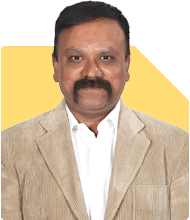
Ramalingam

Ramalingam Kalirajan  |10872 Answers  |Ask -

Mutual Funds, Financial Planning Expert - Answered on Jun 05, 2025

Ramalingam Kalirajan has over 23 years of experience in mutual funds and financial planning.
He has an MBA in finance from the University of Madras and is a certified financial planner.
He is the director and chief financial planner at Holistic Investment, a Chennai-based firm that offers financial planning and wealth management advice.... more
Asked by Anonymous - May 24, 2025

Money

Hi Sir, I'm a 37 yrs aged salaried employee working in Ahmedabad with monthly in hand salary of 150 k after tax and with 2 kids my son(his age is around 5 yrs) and my daughter (her age is around 2 yrs). My financial details are as below:- 1) Term Life Insurance (2 crore) 2) Health insurance from 2 companies (15 lakhs) 3) Emergency fund (8 lakhs) 4) MF 12 year old (31.50 lakhs as on date) 5) My House (Approx. 60 lakhs) My Monthly expenses 1) 30 k Mutual Funds SIP (Which I use to increase 10% per year) 2) Home Loan EMI 14.75 k(Loan o/s 20.00 lakhs) 3) The cost of running House 50.00 k 4) Monthly savings approx. 50 to 55 k Stock Market Portfolio 1) I am not professional trader but from last 8 years I am doing trading with my own methods & with proper hedging. My Trading capital is approx. 35 lakhs and I use to get 50-55 k monthly from this but I never withdraw amount it's get accumulated due to that my capital is now 35.00 lakhs. My question I want to make sure that my both Childs will not get any hurdle in their Higher Education. I am having monthly 50 k extra amount from my salary but I am totally confused that whether I should put it in My Trading portfolio or in Mutual fund. Because mutual funds are giving approx. 9.40% after all deductions including tax and all I calculated on my own. I am getting 17-18% yearly from my trading but it's Risky. I want to ask that whether should I put this extra 50k to secure my Childs Higher studies.

Ans: You’ve done a lot of good things already.

Strong insurance, growing MF corpus, steady income, and careful trading discipline.

You’re asking the right question at the right time — How do I secure my children’s education without any risk?

This is a perfect moment to design a 360-degree financial strategy focused on certainty, not just returns.

Let’s assess this together.

Priority: Ensure Certainty for Your Children’s Future
Higher education is a non-negotiable financial goal

You must ensure it happens with 100% confidence, even in worst-case scenarios

For this, you should not take unnecessary risk on this goal

Your Rs. 50K/month surplus must work safely towards this target

Your trading income can continue — but should not be used for this goal

That money can be used later for early retirement or wealth building

Let us now break this down in practical terms.

Education Goals Should Be Firewalled from Market Risk
Your son is 5. He will need funds at 18. That’s 13 years ahead.

Your daughter is 2. Her goal is about 16 years away.

You have a clear time horizon, which is a huge advantage

This allows disciplined planning using equity mutual funds

But not every kind of equity exposure is suitable for this purpose

Volatility is good for long-term wealth — but not for goal-specific milestones

Hence, use mutual funds wisely, not randomly

Why Trading Is NOT Right for Education Goals
Let’s accept — you are skilled in trading.

Still, it has no place in goal-based investing.

Trading is always risky, no matter how skilled you are

A single bad year can wipe out returns or even capital

For children’s education, you need stability, not thrills

Trading may be used to create wealth, not to meet fixed goals

It’s like doing stunts when taking your kids to school — not required

So, don’t mix trading portfolio with education funding

Keep both completely separate

Mutual Funds: The Better Path for Goal Certainty
You already have Rs. 31.5 lakhs in mutual funds.

This is a great start.

Add your Rs. 50K/month to these investments for next 10 to 15 years

Stick to diversified equity mutual funds managed by experienced professionals

Prefer regular funds through Certified Financial Planner

Avoid direct funds — they give no support or guidance when markets fall

Regular funds help you stay on track through proper advice and handholding

Most investors in direct plans panic or make mistakes during corrections

Also avoid index funds — let me explain why.

Why Index Funds Are Wrong for Education Goals
Index funds are popular because of low cost.

But cost is not the full story.

Index funds blindly follow the index, good or bad

They cannot switch sectors or stocks during market crisis

In 2008 and 2020, index funds fell hard and took long to recover

No strategy, no protection, no risk filter — only blind following

For children’s education, this is not acceptable

You need actively managed funds with clear strategy and consistent performance

Fund manager must take calls during bull and bear phases

That’s why actively managed funds in regular plans are ideal.

Suggested Mutual Fund Strategy (Without Scheme Names)
You should have a structured portfolio with these layers:

Flexi Cap Fund: Core growth, across market caps

Large & Mid Cap Fund: Balanced growth with limited volatility

Aggressive Hybrid Fund: Mix of equity and debt, smoother ride

Mid Cap Fund (Optional): Only if risk appetite is high

You don’t need small cap, sectoral, or international funds for this goal.

Keep portfolio simple, diversified and review annually

Avoid new fund offers or thematic stories — no relevance to education goals

SIPs with Annual Step-Up = Perfect Tool
You are already stepping up SIP by 10% yearly

This is an excellent habit.

It helps fight education inflation (around 8% yearly in India)

It uses compounding effectively with growing contribution

Continue Rs. 50K SIP in 3-4 carefully selected schemes

Review performance yearly with your Certified Financial Planner

If any fund underperforms for 3 years, switch it safely to better option

Don’t decide based on one-year returns or market noise

Use Goal-Specific Buckets for Children
It helps to break your SIPs into 2 buckets:

Bucket A: Son’s Higher Education

SIP for next 13 years

Use Flexi Cap + Large & Mid Cap + Hybrid mix

Bucket B: Daughter’s Higher Education

SIP for next 16 years

Slightly more aggressive portfolio acceptable

This way, goals remain separate, tracked, and managed individually

Don’t combine all goals into one single MF portfolio

Use STP for Final 3 Years Before Goal
When each child is 15, shift SIP value to low-risk funds

Use Systematic Transfer Plan (STP) to move from equity to debt gradually

This protects the amount from sudden market crashes

This should be planned in advance

CFP will help manage these switches without emotional panic

Many investors ignore this and lose money just before goal date

You must protect capital when goal is near

Tax Awareness Is Also Important
New tax rules are simple:

Equity mutual funds:
LTCG above Rs. 1.25 lakh taxed at 12.5%
STCG taxed at 20%

Debt mutual funds:
Taxed as per your income slab

Keep records of all redemptions for capital gain tracking

During withdrawal, your Certified Financial Planner will help with efficient tax management

Emergency Fund and Insurance Are Strong Already
You already have Rs. 8 lakh emergency fund.

Also Rs. 2 crore term life cover and Rs. 15 lakh health cover.

This makes your foundation very strong.

So your Rs. 50K/month can be safely invested for future goals.

You don’t need more insurance, ULIPs, or endowment plans.

If you had LIC or any investment-cum-insurance — I would ask you to surrender.

Thankfully, your structure is clean and efficient.

Your Trading Portfolio Can Be Used Differently
Right now you have Rs. 35 lakh trading capital.

You are not withdrawing anything, which is fine.

Continue this — but use it for building long-term corpus.

Maybe for early retirement, luxury purchases or legacy.

But don’t consider this as children’s education backup

Because it’s not protected from market risk or psychological pressure

Use this power responsibly, not emotionally

Discipline is key — don’t mix trading and long-term investing

Simple Action Plan for You
Continue current SIPs with 10% step-up

Add new Rs. 50K SIP in carefully selected mutual funds

Keep children’s education funds separate from other goals

Avoid index funds, direct plans, ULIPs, and NFOs

Stick to regular plans through Certified Financial Planner

Review all funds every 12 months

From age 15 of child, shift money to debt slowly through STP

Let trading profits accumulate separately — don’t rely on it for family goals

Maintain emergency fund as it is — don’t use for investing

Keep tracking your goals, not the market

Finally
You are a responsible father and thoughtful investor.

Your current lifestyle, savings, and planning show high maturity.

Your children’s future can be secured easily — if you separate goal-based investing from trading returns.

Use mutual funds as your education engine.

Stay disciplined and guided by Certified Financial Planner.

That’s how you will not just grow wealth, but achieve goals without stress.

Best Regards,
K. Ramalingam, MBA, CFP,
Chief Financial Planner,
www.holisticinvestment.in
https://www.youtube.com/@HolisticInvestment
DISCLAIMER: The content of this post by the expert is the personal view of the rediffGURU. Users are advised to pursue the information provided by the rediffGURU only as a source of information to be as a point of reference and to rely on their own judgement when making a decision.
Money

आप नीचे ऐसेही प्रश्न और उत्तर देखना पसंद कर सकते हैं

Ramalingam

Ramalingam Kalirajan  |10872 Answers  |Ask -

Mutual Funds, Financial Planning Expert - Answered on Jul 18, 2024

Asked by Anonymous - Jul 04, 2024English
Money
नमस्ते, मैं 33 साल का हूँ और मेरी मासिक आय 1.3 लाख है। मेरी पत्नी भी 65 हजार मासिक आय के साथ काम कर रही है। मेरे पास 35 लाख का होम लोन है, जिसकी EMI अब 50 हजार तक बढ़ गई है और शेष अवधि 4.5 साल है। मैं और मेरी पत्नी सामूहिक रूप से कई छोटे, मध्यम और बड़े कैप फंड में 40 हजार रुपये प्रति माह के हिसाब से म्यूचुअल फंड में निवेश कर रहे हैं। मेरी पत्नी और मेरे पास अब सामूहिक रूप से MF में 8 लाख रुपये हैं। इसके अलावा मेरे पास इक्विटी शेयरों में 2.5 लाख रुपये हैं। हम बच्चों की भविष्य की शिक्षा के लिए बचत और निवेश करना चाहते हैं। (फिलहाल एक बच्चा 3 साल का है और कुछ महीनों में एक और होने वाला है) साथ ही रिटायरमेंट फंड प्लानिंग भी करना चाहते हैं।
Ans: आप और आपकी पत्नी हर महीने 1.95 लाख रुपये कमाते हैं। आपके पास 35 लाख रुपये का होम लोन है जिसकी EMI 50 हजार रुपये है। लोन की अवधि 4.5 साल बची है। आप हर महीने 40 हजार रुपये म्यूचुअल फंड में निवेश करते हैं। आपके पास 8 लाख रुपये MF में और 2.5 लाख रुपये इक्विटी में हैं।

वित्तीय लक्ष्य
बच्चों की भविष्य की शिक्षा: बच्चों की शिक्षा के लिए योजना बनाएं और बचत करें।

रिटायरमेंट फंड: रिटायरमेंट के लिए एक कोष बनाएं।

बचत और निवेश रणनीति

1. म्यूचुअल फंड में SIP जारी रखें

लगातार निवेश: छोटे, मध्यम और बड़े कैप फंड में SIP में 40 हजार रुपये/महीना निवेश जारी रखें।

विविधीकरण: जोखिम और रिटर्न को संतुलित करने के लिए विविधीकरण करें।

2. धीरे-धीरे निवेश बढ़ाएँ

स्टेप-अप SIP: ग्रोथ बढ़ाने के लिए सालाना SIP राशि बढ़ाएँ।

बोनस और वेतन वृद्धि: बोनस और वेतन वृद्धि का कुछ हिस्सा SIP में आवंटित करें।

3. बच्चों की शिक्षा निधि
समर्पित निधि: बच्चों की शिक्षा के लिए एक समर्पित SIP शुरू करें।
शिक्षा लागत: भविष्य की शिक्षा लागत का अनुमान लगाएँ और उसके अनुसार योजना बनाएँ।
दीर्घकालिक विकास: दीर्घकालिक विकास के लिए इक्विटी-उन्मुख फंड में निवेश करें।
4. सेवानिवृत्ति योजना
लक्ष्य कोष: वांछित सेवानिवृत्ति कोष का निर्धारण करें।
दीर्घकालिक SIP: सेवानिवृत्ति के लिए दीर्घकालिक SIP में निवेश करें।
विविध पोर्टफोलियो: इक्विटी, ऋण और संतुलित फंड का मिश्रण बनाए रखें।
5. इक्विटी शेयर
पोर्टफोलियो की समीक्षा करें: अपने इक्विटी पोर्टफोलियो की नियमित समीक्षा करें और उसे संतुलित करें।
दीर्घकालिक विकास: अल्पकालिक लाभ के बजाय दीर्घावधि विकास पर ध्यान दें।
6. ऋण प्रबंधन
गृह ऋण पूर्व भुगतान: जब संभव हो तो गृह ऋण का पूर्व भुगतान करने पर विचार करें।
कम ब्याज: समय से पहले पुनर्भुगतान ब्याज के बोझ को कम करता है।
पेशेवर मार्गदर्शन
1. प्रमाणित वित्तीय योजनाकार
व्यक्तिगत योजना: CFP से एक अनुकूलित निवेश योजना प्राप्त करें।
नियमित समीक्षा: समय-समय पर अपनी वित्तीय योजना की समीक्षा करें और उसे समायोजित करें।
2. सक्रिय फंड प्रबंधन
पेशेवर प्रबंधन: सक्रिय रूप से प्रबंधित फंड बाजार में होने वाले बदलावों के अनुकूल हो सकते हैं।
बेहतर रिटर्न: इंडेक्स फंड की तुलना में बेहतर रिटर्न का लक्ष्य रखें।
विश्लेषणात्मक अंतर्दृष्टि
दीर्घकालिक विकास
चक्रवृद्धि की शक्ति: नियमित SIP समय के साथ चक्रवृद्धि से लाभान्वित होते हैं।
बाजार के रुझान: इक्विटी बाजार आमतौर पर लंबे समय में उच्च रिटर्न प्रदान करते हैं।
जोखिम प्रबंधन
विविधीकरण: जोखिम को कम करने के लिए विभिन्न फंडों में निवेश फैलाएं।
पेशेवर सलाह: एक CFP बाजार की अस्थिरता को नेविगेट करने में मदद कर सकता है।
अंतिम अंतर्दृष्टि
आप और आपकी पत्नी के पास एक ठोस वित्तीय आधार है। अपने SIP जारी रखें और धीरे-धीरे निवेश बढ़ाएँ। बच्चों की शिक्षा और सेवानिवृत्ति के लिए समर्पित फंड पर ध्यान केंद्रित करें। ब्याज कम करने के लिए अपने होम लोन का समय से पहले भुगतान करने पर विचार करें। प्रमाणित वित्तीय योजनाकार के साथ अपने निवेश की नियमित समीक्षा करें। यह अनुशासित दृष्टिकोण एक सुरक्षित वित्तीय भविष्य सुनिश्चित करेगा।

सादर,

के. रामलिंगम, एमबीए, सीएफपी,

मुख्य वित्तीय योजनाकार,

www.holisticinvestment.in

..Read more

Ramalingam

Ramalingam Kalirajan  |10872 Answers  |Ask -

Mutual Funds, Financial Planning Expert - Answered on May 15, 2025

Money
I am a working Professional (age - 46 years), a working professional. My wife (age - 43 years) is also working. I have a son (age - 15 years) studying in Class 11th. I own three flats, one of which is on rent. I presently stay in Govt. accommodation. I need to save for my son's education, marriage and my retirement. My Portfolio Details are given below : (1) Stocks (Self) - Rs 82 lacs (2) Socks (wife) - Rs 68 lacs (3) PPF (self) - Rs 8 lacs (Investing 1.5 lacs yearly) (4) PPF (Wife - Rs 12 lacs (Investing 1.5 lacs yearly) (5) PPF (Son) - Rs 15 lacs (Investing 1.5 lacs yearly) (6) NPS fund (Self) - Rs 70 lacs (7) Mutual Fund Investments (Self) - Axis Mid Cap - Rs 12.70 lacs (Monthly SIP - Rs 40000) - Axis Small Cap - Rs 8.95 lacs (Monthly SIP - Rs 25000) - Axis Bluechip Fund - Rs 5.91 lacs (Monthly SIP - Rs 10000) (8) Bank FD - Rs 8 lacs (9) House Rent Income - Rs 10,500 monthly (10) Salary (Self) - Rs 1.5 lacs monthly (11) Salary (Wife) - Rs 80000 monthly (12) Term plan (Self) - Rs 2.1 crores (13) Term Plan (Wife) - Rs 1.0 crores (14) Medical Policy - Entire family is covered under CGHS (Govt). No separate medical policy is available. My Goals are as follows : (1) SUV/ Car buy - in 1 year time (Present Cost - Rs 25 lacs) (2) Son's Education - in 2 years time (Present Cost - Rs 50 lacs) (3) Son's Marriage - in 10 years time (Present Cost - Rs 60 lacs) (4) Retirement - in 14 years time (Present Cost - Rs 12 lacs, Rs 1,00,000 monthly) I request to kindly suggest if I am investing enough to meet the goals ? Please suggest any changes needed in my investing. Also, can I retire early at the age of 55 years, without disturbing any of my goals. Please feel free to contact me for any further details or queries.
Ans: Current Financial Portfolio Assessment
You and your wife together have large equity exposure via stocks and mutual funds.

Your combined stock portfolio stands at Rs 150 lacs (Rs 82 lacs self + Rs 68 lacs wife).

Your PPF holdings are healthy: Rs 35 lacs combined, with disciplined yearly investments of Rs 1.5 lakh each.

NPS fund of Rs 70 lacs adds a solid retirement savings pillar.

Mutual fund SIPs total Rs 75,000 monthly in aggressive equity funds.

Bank FD of Rs 8 lacs provides some liquidity buffer.

Rental income of Rs 10,500 monthly adds passive income, though small relative to expenses.

Your monthly combined salary income is Rs 2.3 lacs, a solid cash flow.

Term insurance coverage is strong: Rs 3.1 crores combined, ensuring financial security.

Family medical cover is through CGHS. You must ensure continuous availability and consider top-ups if possible.

Your Financial Goals – Timeline & Amounts
SUV purchase in 1 year for Rs 25 lacs.

Son’s education expenses in 2 years, estimated at Rs 50 lacs.

Son’s marriage in 10 years, estimated at Rs 60 lacs.

Retirement in 14 years, targeting Rs 12 lacs annual expenses or Rs 1 lakh monthly inflation-adjusted income.

Goal-Wise Financial Gap and Feasibility Analysis
SUV Purchase (1 Year)

Rs 25 lacs is a sizeable sum for one year.

Your current liquid investments (FD Rs 8 lacs + monthly savings) might fall short for this.

Consider earmarking some portion of your stocks or mutual funds for this goal.

Avoid emergency fund depletion for car purchase. Maintain 6 months expenses separately.

A combination of partial equity withdrawal and liquid funds can meet this goal.

Son’s Education (2 Years)

Rs 50 lacs is large and near-term.

Your PPF (Son’s Rs 15 lacs + yearly Rs 1.5 lacs) is good but low growth compared to inflation.

Your stocks and mutual funds should be partly liquidated cautiously here.

Gradually reduce equity exposure as goal nears to protect principal.

Consider low-risk debt funds or fixed deposits for parking the amount needed in 1-2 years.

Avoid last-minute equity withdrawal; market volatility may hurt.

Son’s Marriage (10 Years)

Rs 60 lacs in 10 years is achievable with planned investments.

You have significant equity investments that can compound well over 10 years.

Continue your existing mutual fund SIPs to build this corpus.

Gradually increase debt exposure 3 years before marriage to reduce risk.

Diversify funds across large-cap, mid-cap, and hybrid funds to balance growth and stability.

Retirement (14 Years)

Rs 12 lacs annual expenses (Rs 1 lakh monthly) at retirement age is your current target.

Inflation will increase this amount by 14 years, possibly to Rs 25-30 lacs annual.

Your NPS, PPF, stocks, and mutual funds together form a good base.

Ensure systematic investment and rebalancing to meet increasing retirement needs.

Consider building a corpus of Rs 4-5 crore for comfortable retirement income.

Investment and Portfolio Recommendations
Your equity exposure is high in direct stocks. This is good but risky without professional guidance.

Stocks can give high returns but need active monitoring, which is time-consuming.

You and your wife must consider diversifying from direct stocks into professionally managed mutual funds.

Avoid shifting all investments to direct funds without expert help.

Regular mutual funds through MFDs with CFP guidance offer balanced, active management and periodic review.

This reduces risks from individual stock concentration.

Your current mutual fund SIPs are commendable. Continue and increase gradually to meet long-term goals.

Avoid locking more money into fixed deposits or low-return instruments for long-term goals.

PPF investments are tax-efficient and safe but limited by annual contribution limits and slower growth.

NPS is good but ensure asset allocation changes with age to reduce risk.

Early Retirement Possibility at Age 55
Early retirement at 55 means building your corpus faster.

You have only 9 years left (from 46 to 55) instead of 14 years.

Your current investments will need to grow more aggressively to meet goals and retirement corpus.

You may need to increase SIP amounts substantially.

Expenses post-retirement at 55 will be for 25 years instead of 14 years.

This means a larger corpus than retiring at 60.

Your current savings and income may fall short for comfortable early retirement without disturbing other goals.

You may need to compromise on car purchase or son's marriage expenses.

Alternatively, explore part-time work or consultancy post-retirement for cash flow.

A staggered retirement plan could be more realistic: reduce work hours at 55 and fully retire at 60.

Tax Efficiency and Asset Allocation
Use tax-efficient investment vehicles to maximise post-tax returns.

Equity mutual funds offer better post-tax growth than stocks if held long term.

LTCG tax at 12.5% applies only above Rs 1.25 lakh per year, plan redemptions accordingly.

Debt funds attract tax as per income slab; avoid frequent debt fund redemptions.

Consider switching from direct equity to mutual funds gradually to reduce tax on transactions.

Invest in hybrid funds to reduce volatility while maintaining growth.

Allocate around 60-70% in equity, 30-40% in debt and PPF/NPS for balanced risk.

Risk Management and Insurance
Your term insurance coverage is excellent for family protection.

Medical insurance is covered under CGHS; ensure all family members’ coverage continues uninterrupted.

Consider health top-ups or critical illness covers for unexpected expenses not covered by CGHS.

Emergency fund of at least 6 months household expenses must be maintained in liquid instruments.

Avoid using emergency funds for planned goals like car or education.

Cash Flow and Expense Management
Your household income is strong but review expenses regularly.

Maintain monthly budgeting to track spending and save extra for goals.

Try to increase savings rate beyond current levels to meet early retirement goals.

Avoid taking new loans or high EMIs before achieving financial goals.

Monitoring and Review
Conduct yearly financial reviews with your Certified Financial Planner.

Review asset allocation and performance of stocks and mutual funds annually.

Adjust SIP amounts and investment plans as per market and life changes.

Rebalance portfolio between equity and debt yearly to reduce risks.

Monitor tax efficiency and capital gains to optimize withdrawals.

Final Insights
You have a strong investment base but need more planning for short-term goals.

Allocate liquid funds for car purchase and son’s education carefully.

Gradually increase mutual fund SIPs for son’s marriage and retirement corpus.

Diversify from direct stocks to professionally managed mutual funds through MFD and CFP support.

Early retirement at 55 is ambitious and requires higher savings and possible compromise.

Maintain risk management and insurance protections continuously.

Keep emergency funds intact.

Regular reviews and disciplined investing will keep you on track.

Focus on tax-efficient, actively managed funds rather than direct or index funds.

Your family’s financial future is secure with timely action and commitment.

Best Regards,

K. Ramalingam, MBA, CFP,

Chief Financial Planner,

www.holisticinvestment.in
https://www.youtube.com/@HolisticInvestment

..Read more

Ramalingam

Ramalingam Kalirajan  |10872 Answers  |Ask -

Mutual Funds, Financial Planning Expert - Answered on May 26, 2025

Asked by Anonymous - May 25, 2025
Money
Hi Sir, I'm a 37 yrs aged salaried employee working in Ahmedabad with monthly in hand salary of 150 k after tax and with 2 kids my son(his age is around 5 yrs) and my daughter (her age is around 2 yrs). My financial details are as below:- 1) Term Life Insurance (2 crore) 2) Health insurance from 2 companies (15 lakhs) 3) Emergency fund (8 lakhs) 4) MF 12 year old (31.50 lakhs as on date) 5) My House (Approx. 60 lakhs) My Monthly expenses 1) 30 k Mutual Funds SIP (Which I use to increase 10% per year) 2) Home Loan EMI 14.75 k(Loan o/s 20.00 lakhs) 3) The cost of running House 50.00 k 4) Monthly savings approx. 50 to 55 k Stock Market Portfolio 1) I am not professional trader but from last 8 years I am doing trading with my own methods & with proper hedging. My Trading capital is approx. 35 lakhs and I use to get 50-55 k monthly from this but I never withdraw amount it's get accumulated due to that my capital is now 35.00 lakhs. My question is that I want to make sure that my both Childs will not get any hurdle in their Higher Education. I am having monthly 50 k extra amount from my salary but I am totally confused that whether I should put it in My Trading portfolio or in Mutual fund. Because mutual funds are giving approx. 9.40% after all deductions including tax and all I calculated on my own. I am getting 17-18% yearly from my trading but it's Risky. Kindly provide your valuable suggestion
Ans: You have made good progress in your financial life. You have already built a solid foundation for your family. Your clear focus on your children’s future shows great planning mindset. Now, let’s work on creating a 360-degree strategy for your question.

You want to know whether your monthly surplus of Rs. 50,000 should go into mutual funds or your trading portfolio. Your main goal is ensuring uninterrupted higher education for your kids.

Let’s evaluate this from multiple angles and develop a solid plan.


Family Protection and Stability
You have a term life cover of Rs. 2 crore. This is suitable at your current income level.


Health cover of Rs. 15 lakhs from two sources is fine for now. Make sure the cover continues post-retirement.


Emergency fund of Rs. 8 lakhs is adequate for 4 to 5 months. Keep this amount safe in a liquid or overnight fund.


Your house is fully self-occupied. That gives you emotional and financial stability. Home loan EMI is manageable.


Mutual Funds Assessment
You have Rs. 31.50 lakhs invested in mutual funds. Your SIP is Rs. 30,000 per month, with a 10% annual increase.


You’re getting approx. 9.4% post-tax. That’s a good estimate for long-term returns.


This approach brings compounding benefits with much less risk than trading.


For your children's higher education goals, mutual funds are reliable and steady.


Use regular plans through a Mutual Fund Distributor with CFP qualification. They offer personalised guidance and behaviour management.


Direct funds lack regular reviews and support. Emotional discipline is hard without a professional.


The ongoing advice from a certified professional justifies the slightly higher cost of regular funds.


Trading Portfolio Assessment
Your trading capital is Rs. 35 lakhs. You earn around Rs. 50-55k monthly, which is around 17–18% yearly.


You use hedging and discipline. That’s rare and commendable for an individual trader.


However, trading always carries higher risk. You are the single point of control.


In case of health issues, burnout, or market stress, trading income may drop suddenly.


Your trading profits are not yet withdrawn. That’s good for compounding. But you must not depend on it for key goals like children’s education.


Don’t overexpose family goals to a high-volatility asset class like trading.


Children’s Education Planning
Your son is 5 and daughter is 2. So you have 12 to 16 years to build the corpus.


For both kids, higher education costs will rise with inflation. Foreign education may need Rs. 1 to 1.5 crore or more.


To build this large corpus, you need consistent growth with low downside.


Mutual funds can meet this need better than trading due to lower volatility.


Set two separate mutual fund buckets: one for your son and another for your daughter.


Allocate long-term SIPs to each child. Use goal-based investing strategy.


Consider a staggered withdrawal strategy 2-3 years before each education milestone. This reduces market timing risk.


Use a mix of diversified equity and hybrid funds. They balance growth and safety.


Ideal Use of Rs. 50,000 Surplus
Out of your monthly surplus of Rs. 50,000, invest Rs. 35,000 into mutual funds for your children’s education.


Use the remaining Rs. 15,000 to reduce your home loan principal faster.


Early loan repayment saves interest. It also gives you psychological peace.


Avoid investing this surplus in trading portfolio for now. It already has adequate capital.


Refrain from increasing your trading capital unless your core goals are fully funded.


Your Existing Mutual Fund SIP
Continue the Rs. 30,000 monthly SIP. Keep increasing it by 10% annually as planned.


Split the SIP across child education goal, your own retirement, and optional goals like a travel fund.


Tag each SIP to a specific goal. It brings more clarity and purpose.


Review fund performance once every 6 months with a Certified Financial Planner.


Switch schemes only if underperformance is consistent for more than 2 years.


Avoid switching based on 6-month return charts or short-term news.


Home Loan Strategy
Outstanding loan is Rs. 20 lakhs. EMI is Rs. 14,750. Tenure might be long.


Use bonus or annual surplus to prepay 1–2 lakhs every year.


Keep one EMI worth of funds as buffer for safety.


Close the home loan before your younger child reaches 10 years.


This way, you’ll be loan-free before major education costs begin.


Tax Planning and Future Inflation
Factor in inflation of 6-7% per year for all long-term goals.


Use SIPs in growth option. Withdraw using Systematic Withdrawal Plan near goal years.


Mutual Fund Capital Gains are taxed as per new rules.


Equity LTCG above Rs. 1.25 lakh is taxed at 12.5%. STCG is taxed at 20%.


Keep track of capital gains annually. Plan redemptions accordingly.


File income tax returns carefully showing mutual fund and trading income separately.


What to Avoid
Don’t invest in ULIPs, traditional insurance plans, or endowment policies.


Don’t add to your trading portfolio for now. Your current capital is enough.


Don’t invest for children’s education in FD or gold. These can’t beat education inflation.


Don’t go for index funds. They lack active risk management and sectoral allocation.


Actively managed funds by seasoned fund managers give better flexibility and performance.


Stay away from direct funds. A trusted MFD with CFP helps avoid behavioural mistakes.


Don’t stop your SIPs during market fall. That’s when wealth is truly built.


Don’t use annuities. They are tax inefficient and inflexible.


Risk Management and Will
Keep your emergency fund in a safe and liquid form. Update it annually.


Nominate spouse and children in all investments.


Prepare a simple will. Mention mutual fund folios, trading accounts, and home ownership clearly.


Maintain a one-pager with account numbers, folio IDs, and insurance policy details.


Review this once a year with spouse. Keep it safe.


Monitoring and Review
Review your portfolio once every 6 months with your certified planner.


Don’t panic if markets fall. Your mutual fund SIPs benefit from this.


Review trading portfolio quarterly. Set a drawdown rule to limit risk.


Have a goal-wise dashboard. Track how much is accumulated for each child.


Rebalance your mutual fund portfolio every 2–3 years.


Increase SIPs as your income grows. Keep lifestyle inflation under check.


Final Insights
Your current setup is already strong. You have built a good financial foundation.


Your clarity about goal and savings discipline is rare and appreciable.


Now is the time to shift more focus on guaranteed future needs like child education.


Mutual funds bring low-risk, long-term compounding. Use it as your main tool.


Keep trading as a wealth booster. But don’t use it for children’s education funding.


Stick to regular mutual fund plans with goal-based approach through a trusted MFD with CFP credentials.


Avoid over-diversifying or over-trading. Simplicity and patience bring true financial freedom.


Best Regards,
K. Ramalingam, MBA, CFP,

Chief Financial Planner,

www.holisticinvestment.in
https://www.youtube.com/@HolisticInvestment

..Read more

नवीनतम प्रश्न
Radheshyam

Radheshyam Zanwar  |6736 Answers  |Ask -

MHT-CET, IIT-JEE, NEET-UG Expert - Answered on Dec 06, 2025

Career
I am a neet aspirant Sir meri class 12 m physics m repeat thi aur chemistry bio aur English m pass hu toh mene nios k through physics k exam dia m usmin pass hu toh mere pass 2 marksheet hogyin h toh sir neet counselling m koi problem toh nhi aaegi
Ans: मेरी जानकारी के अनुसार, आपको NEET काउंसलिंग में कोई परेशानी नहीं होगी। NIOS से भौतिकी उत्तीर्ण करना मान्य है। बस सत्यापन के लिए दोनों मार्कशीट साथ ले जाएँ। फिर भी, किसी भी जटिलता से बचने के लिए PCB के लिए एक ही मार्कशीट रखने की सलाह दी जाती है। आपको यह नहीं पता कि आपने 12वीं कक्षा और NIOS परीक्षा कब पास की। यह भी स्पष्ट नहीं है कि आप NEET कब देंगे। आप नए हैं या दोबारा परीक्षा दे रहे हैं, यह भी स्पष्ट नहीं है। सही उत्तर देने के लिए स्पष्टता के साथ अंग्रेजी में प्रश्न पूछने की सलाह दी जाती है।

शुभकामनाएँ।
अगर आपको यह उत्तर मिले तो मुझे फ़ॉलो करें।
राधेश्याम

...Read more

Ramalingam

Ramalingam Kalirajan  |10872 Answers  |Ask -

Mutual Funds, Financial Planning Expert - Answered on Dec 06, 2025

Asked by Anonymous - Dec 06, 2025English
Money
प्रिय महोदय/महोदया, मुझे अपने म्यूचुअल फंड निवेश जारी रखने के लिए कुछ मार्गदर्शन और सलाह चाहिए। मैं 36 वर्षीय पुरुष हूँ, विवाहित हूँ, अभी कोई बच्चा नहीं है और न ही मुझ पर कोई कर्ज़/देनदारियाँ हैं। मेरे पास PPF, NPS, आपातकालीन निधि और प्रत्यक्ष शेयरों में दीर्घकालिक निवेश के रूप में कुछ बचत राशि है। मैंने हाल ही में अपनी संपत्ति बढ़ाने के लिए नीचे दिए गए दीर्घकालिक SIP शुरू किए हैं। आपसे अनुरोध है कि आप इसकी समीक्षा करें और मुझे बताएँ कि क्या मुझे SIP जारी रखना चाहिए या इसे तर्कसंगत बनाने की आवश्यकता है। कृपया लगभग 6 लाख रुपये की एकमुश्त राशि का निवेश कैसे करें, इस बारे में भी सलाह दें। इन्वेस्को स्मॉल कैप 2000 मोतीलाल ओसवाल मिडकैप 2700 पराग पारिख फ्लेक्सीकैप 3000 एचडीएफसी फ्लेक्सीकैप 3100 आईसीआईसीआई प्रूडेंशियल लार्जकैप 3100 एचडीएफसी लार्ज एंड मिडकैप 3100 एचडीएफसी गोल्ड ईटीएफ एफओएफ 2000 आईसीआईसीआई प्रू इक्विटी एंड डेट फंड 3000 एचडीएफसी बैलेंस्ड एडवांटेज फंड 3000 निप्पॉन इंडिया सिल्वर ईटीएफ एफओएफ 2000
Ans: आपने पहले ही एक ठोस आधार तैयार कर लिया है। कई निवेशक योजना बनाने में देरी करते हैं। लेकिन आपने 36 साल की उम्र में ही शुरुआत कर दी थी। इससे आपको एक मज़बूत फ़ायदा मिलता है। आपकी कोई देनदारी नहीं है। आपकी सोच लंबी अवधि की है। आपके पास पीपीएफ, एनपीएस, आपातकालीन निधि और डायरेक्ट स्टॉक जैसी विविध बचतें भी हैं। यह स्पष्टता और अनुशासन को दर्शाता है। यह दृष्टिकोण समय के साथ कम तनाव के साथ धन अर्जित करता है।

आपने इक्विटी फंडों में व्यवस्थित निवेश भी शुरू किया है। यह एक सकारात्मक कदम है। आपके चयन में लार्ज कैप, मिड कैप, स्मॉल कैप, फ्लेक्सी कैप, हाइब्रिड और कीमती धातु जैसी कई श्रेणियां शामिल हैं। इसलिए इरादा सही है। आप एक व्यापक पोर्टफोलियो बनाने की कोशिश कर रहे हैं। इससे संतुलन मिलता है।

» आपके पोर्टफोलियो संरचना की समझ
आपकी वर्तमान एसआईपी सूची में शामिल हैं:

स्मॉल कैप

मिड कैप

फ्लेक्सी कैप

लार्ज कैप

लार्ज और मिड कैप

हाइब्रिड श्रेणी

सोना और चांदी का फंडामेंटल फंड

इक्विटी और डेट एलोकेशन फंड

डायनेमिक हाइब्रिड फंड

यह दर्शाता है कि आप कई क्षेत्रों को कवर करने की कोशिश कर रहे हैं। लेकिन बहुत सारी श्रेणियां ओवरलैप पैदा कर सकती हैं। जब ओवरलैप होता है, तो समीक्षा के दौरान आपको भ्रम होता है। इससे पोर्टफोलियो अनुशासन भी मुश्किल हो जाता है। आपको लग सकता है कि आप डायवर्सिफाइड हैं। लेकिन अंदर की होल्डिंग्स दोहराई जा सकती हैं। इससे दक्षता कम हो जाती है।

अब आपका पोर्टफोलियो इस तरह दिखता है:

इक्विटी प्रमुख

स्थिरता के लिए हाइब्रिड

हेजिंग के लिए धातु

इसलिए व्यापक दिशा ठीक है। लेकिन सरलीकरण दीर्घकालिक आदत बनाने में मदद करता है।

» फंड श्रेणी दोहराव
आपके पास हैं:

दो फ्लेक्सी कैप फंड

एक लार्ज और मिड कैप फंड

एक शुद्ध लार्ज कैप फंड

एक मिड कैप फंड

एक स्मॉल कैप फंड

फ्लेक्सी कैप फंड पहले से ही लार्ज, मिड और स्मॉल में निवेश करते हैं। फिर लार्ज और मिड भी ओवरलैप हो जाते हैं। इसलिए लार्ज कैप एक्सपोजर दोहराया जाता है। इससे अतिरिक्त लाभ नहीं मिल सकता है। लेकिन इससे निगरानी की जटिलता बढ़ जाती है।

इसलिए मैं युक्तिसंगत बनाने का सुझाव देता हूँ। प्रत्येक श्रेणी में एक फंड कोर में रखें। केवल उच्च विश्वास के लिए सैटेलाइट स्पेस रखें।

» कोर और सैटेलाइट रणनीति
एक संरचित पोर्टफोलियो कोर और सैटेलाइट पद्धति का पालन करता है।

कोर पोर्टफोलियो इस प्रकार होना चाहिए:

सरल

दीर्घकालिक

स्थिर

सैटेलाइट पोर्टफोलियो इस प्रकार हो सकता है:

उच्च वृद्धि

केंद्रित

अपनी सोच के स्तर के आधार पर, आप इस प्रकार संरचना बना सकते हैं:

कोर फंड:

एक लार्ज कैप

एक फ्लेक्सी कैप

एक हाइब्रिड इक्विटी और डेट फंड

एक संतुलित लाभ प्रकार का फंड

सैटेलाइट फंड:

एक मिड कैप

एक स्मॉल कैप

ज़रूरत पड़ने पर एक मेटल आवंटन

यह विभाजन स्पष्टता प्रदान करता है। आप हर साल समीक्षा के साथ SIP जारी रख सकते हैं। बार-बार रोकने और फिर से शुरू करने की आवश्यकता नहीं है। इससे व्यवहार संबंधी गलतियाँ कम होती हैं।

» सुझाए गए सुव्यवस्थितीकरण के साथ आपकी वर्तमान SIP सूची की समीक्षा

आप जारी रखने पर विचार कर सकते हैं:

एक फ्लेक्सी कैप

एक लार्ज कैप

एक मिड कैप

एक स्मॉल कैप

एक संतुलित लाभ

एक इक्विटी और डेट हाइब्रिड

आप दोनों फ्लेक्सी कैप और दोनों गोल्ड सिल्वर फंड रखने पर पुनर्विचार कर सकते हैं। प्रत्येक श्रेणी का एक फंड पर्याप्त है। क्योंकि बहुत सारे फंड रिटर्न नहीं बढ़ाते हैं। इससे ट्रैकिंग जटिल हो जाती है।

आपके पोर्टफोलियो में कीमती धातु फंडों का निवेश 5 से 7 प्रतिशत से ज़्यादा नहीं होना चाहिए। ऐसा इसलिए है क्योंकि धातुएँ हेज एसेट हैं। ये इक्विटी की तरह चक्रवृद्धि ब्याज नहीं देते। ये चक्रों के दौरान सुरक्षा प्रदान करते हैं। इसलिए इन्हें छोटा रखें।

"6 लाख रुपये की एकमुश्त राशि का उपयोग कैसे करें"
आपने एकमुश्त निवेश के बारे में पूछा था। यह महत्वपूर्ण है। एकमुश्त राशि एक बार में पूरी तरह से इक्विटी में नहीं लगनी चाहिए। बाज़ार चक्रों में चलते हैं। इसलिए चरणबद्ध तरीके से निवेश करें। आप एसटीपी (सिस्टमेटिक ट्रांसफर प्लान) के ज़रिए एकमुश्त राशि निवेश कर सकते हैं। आप इस राशि को लिक्विड फंड में रख सकते हैं और 6 से 12 महीनों में अपने चुने हुए ग्रोथ फंडों में एसटीपी लगा सकते हैं।

इससे समय का जोखिम कम होता है। इससे अनुशासन भी बनता है। इसलिए आपके 6 लाख रुपये धीरे-धीरे निवेश किए जा सकते हैं। आप 50% कोर इक्विटी फंडों में और 30% सैटेलाइट ग्रोथ श्रेणी में लगा सकते हैं। शेष 20% हाइब्रिड श्रेणी में जा सकते हैं। इससे संतुलन और सुविधा मिलती है।

"डायरेक्ट फंडों की तुलना में रेगुलर फंडों में निवेश करें"
एक महत्वपूर्ण बात जो कई निवेशक भूल जाते हैं। प्रत्यक्ष फंड सस्ते लगते हैं। लेकिन इनके लिए गहन ज्ञान, अनुशासन और व्यवहार नियंत्रण की आवश्यकता होती है। अधिकांश निवेशक भावनात्मक बिकवाली और गलत समय के कारण व्यय अनुपात पर बचत की तुलना में अधिक नुकसान उठाते हैं।

प्रमाणित वित्तीय योजनाकार योग्यता वाले म्यूचुअल फंड वितरक के माध्यम से नियमित फंड के साथ, आपको मार्गदर्शन, संरचना और सुधार मिलता है। सलाहकार अनुशासन आपको बाजार के उतार-चढ़ाव के दौरान सुरक्षा प्रदान करता है। यह व्यय अनुपात में थोड़ी बचत से कहीं अधिक मूल्यवान है।

एक व्यक्तिगत योजनाकार पोर्टफोलियो के बहाव, पुनर्संतुलन की आवश्यकता और श्रेणी में बदलाव पर भी नज़र रखता है। इसलिए नियमित फंड निवेश दीर्घकालिक लाभ और व्यवहार प्रशिक्षण प्रदान करता है।

"इंडेक्स या ईटीएफ की तुलना में सक्रिय रूप से प्रबंधित फंड"
कुछ निवेशक इंडेक्स फंड या ईटीएफ को यह सोचकर चुनते हैं कि वे सरल और सस्ते हैं। लेकिन वे कमियों को नज़रअंदाज़ कर देते हैं।

इंडेक्स फंड या ईटीएफ इंडेक्स में कमज़ोर कंपनियों से नहीं बचेंगे। वे निवेश करेंगे चाहे कंपनी बढ़े या संघर्ष करे। फंड मैनेजर कोई निर्णय नहीं लेता। इसलिए जब बाजार चरम पर होता है, तो इंडेक्स फंड आक्रामक निवेश जारी रखते हैं। मंदी में भी वे पूरी तरह से गिर जाते हैं। कोई सहारा नहीं होता।

सक्रिय रूप से प्रबंधित फंड अनुसंधान टीमों के साथ काम करते हैं। वे खराब क्षेत्रों से बच सकते हैं। वे बाज़ार और अर्थव्यवस्था के आधार पर आवंटन में बदलाव कर सकते हैं। लंबी अवधि में, इससे बेहतर अल्फा और स्थिरता मिलती है। इसलिए सक्रिय रूप से प्रबंधित फंडों को जारी रखने से बेहतर वेल्थ कंपाउंडिंग होती है।

"SIP निरंतरता रणनीति"
एक बार युक्तिकरण हो जाने के बाद, बिना किसी रुकावट के हर महीने SIP जारी रखें। बार-बार रुकने और फिर से शुरू करने की आदत कंपाउंडिंग क्षमता को नुकसान पहुँचाती है। SIP तब सबसे अच्छा काम करता है जब आप सभी बाज़ार चक्रों से गुज़रते हैं। आपको सुधार के दौरान ज़्यादा फ़ायदा होता है क्योंकि कॉस्ट एवरेजिंग कारगर होती है।

इसलिए SIP राशि जारी रखें। आप आय के आधार पर हर साल SIP वृद्धि की समीक्षा भी कर सकते हैं। हर साल SIP में 10 से 15 प्रतिशत की वृद्धि करने से आपको तेज़ी से बड़ी राशि तक पहुँचने में मदद मिलती है।

"एसेट एलोकेशन आधारित दृष्टिकोण"
धन सृजन में एक महत्वपूर्ण बिंदु सही एसेट मिश्रण का होना है। इक्विटी वृद्धि देता है। हाइब्रिड संतुलन देता है। धातुएँ बचाव प्रदान करती हैं। डेट सुरक्षा प्रदान करता है। आपका एसेट एलोकेशन आपके जोखिम प्रोफ़ाइल और समय सीमा के अनुरूप होना चाहिए।

चूँकि आप युवा हैं और आपकी दीर्घकालिक योजना है, इसलिए ज़्यादा इक्विटी एलोकेशन ठीक है। लेकिन जैसे-जैसे समय बीतता है, पुनर्संतुलन महत्वपूर्ण होता जाता है। पुनर्संतुलन लाभ की रक्षा करता है और आवंटन को पुनर्स्थापित करता है।

इसलिए हर साल या बच्चे के जन्म, घर खरीदने या सेवानिवृत्ति योजना जैसी प्रमुख जीवन घटनाओं के दौरान अपने परिसंपत्ति आवंटन की समीक्षा करें।

» व्यवहार प्रबंधन
कई पोर्टफोलियो खराब फंडों के कारण नहीं, बल्कि गलत फैसलों के कारण विफल होते हैं। गिरावट के दौरान बेचना। बाजार में गिरावट के समय एसआईपी बंद कर देना। पिछले रिटर्न के प्रदर्शन का पीछा करना। ये गलतियाँ धन को कम करती हैं।

अब तक आपका अनुशासन अच्छा रहा है। अस्थिरता के दौरान धैर्य बनाए रखें। इक्विटी धैर्य और समय का प्रतिफल देती है।

» वित्तीय लक्ष्यों की स्पष्टता
चूँकि अभी आपके कोई बच्चे नहीं हैं, इसलिए आप अपने दीर्घकालिक लक्ष्य तय कर सकते हैं। सामान्य लक्ष्यों में शामिल हो सकते हैं:

सेवानिवृत्ति

भविष्य के बच्चे की शिक्षा

सपनों वाली जीवनशैली खरीदना

स्वास्थ्य सेवा भंडार

जब लक्ष्य स्पष्ट होते हैं, तो निवेश का उद्देश्य और भी मज़बूत हो जाता है। इसलिए आप प्रत्येक फंड श्रेणी को लक्ष्य क्षितिज से जोड़ सकते हैं। अल्पकालिक लक्ष्यों में इक्विटी का उपयोग नहीं करना चाहिए। दीर्घकालिक लक्ष्यों में हाइब्रिड समर्थन वाली इक्विटी का उपयोग करना चाहिए।

» समीक्षा और निगरानी की भूमिका
साल में एक बार समीक्षा करना पर्याप्त है। बार-बार समीक्षा करने से चिंता हो सकती है। वार्षिक समीक्षा निम्नलिखित की जाँच करने में मदद करती है:

फ़ंड का प्रदर्शन

व्यय विचलन

श्रेणी प्रासंगिकता

आवंटन संतुलन

फिर ज़रूरत पड़ने पर ही समायोजन करें। यह प्रगति आपको आत्मविश्वास और संतुलित रहने में मदद करती है।

"कर जागरूकता"
इक्विटी म्यूचुअल फ़ंड के कराधान नियम इस प्रकार हैं:

अल्पकालिक (एक वर्ष से कम होल्डिंग) पर 20 प्रतिशत कर लगेगा

दीर्घकालिक (एक वर्ष से अधिक होल्डिंग) पर 1.25 लाख रुपये से अधिक का लाभ 12.5 प्रतिशत कर लगेगा

डेट म्यूचुअल फ़ंड पर आपके आय स्लैब के अनुसार कर लगता है।

इसलिए इक्विटी फ़ंड को हमेशा लंबी अवधि के लिए रखें। इससे कर का प्रभाव कम होता है और बेहतर वृद्धि होती है।

"एसआईपी वृद्धि योजना"
आप समय के साथ एसआईपी बढ़ाने के लिए एक सरल योजना बना सकते हैं। उदाहरण के लिए:

हर वेतन वृद्धि पर SIP बढ़ाएँ

बोनस के समय SIP बढ़ाएँ

निवेश के लिए रिवॉर्ड या अतिरिक्त आय का उपयोग करें

यह आदत धन प्राप्ति में तेज़ी लाती है। इसलिए जब आप 45 से 50 वर्ष की आयु तक पहुँचते हैं, तो आपके निवेश एक मज़बूत स्तर पर पहुँच सकते हैं।

"बीमा और सुरक्षा"
बड़ा निवेश करने से पहले, सुनिश्चित करें कि आपके पास टर्म इंश्योरेंस और स्वास्थ्य बीमा है। अगर आपने पहले से नहीं लिया है, तो यह ज़रूरी है। बीमा धन की सुरक्षा करता है। बीमा के बिना, एक छोटी सी भी चिकित्सा दुर्घटना निवेश योजना को प्रभावित कर सकती है। इसलिए इस पहलू पर भी नज़र डालें। चूँकि आप विवाहित हैं, इसलिए दोनों को कवर करें।

"धन व्यवहार मानसिकता"
आप पहले से ही अनुशासित हैं। बस इन सरल सिद्धांतों का पालन करें:

बिना रुके निवेश करें

साल में एक बार समीक्षा करें

फंड ओवरलैप से बचें

एसेट एलोकेशन का पालन करें

मीडिया के शोर पर प्रतिक्रिया देने से बचें

यह आपको दीर्घकालिक लक्ष्यों तक पहुँचने में मदद करता है।

"अंततः"
आप सही रास्ते पर हैं। बस बारीक़ी और सरलीकरण की ज़रूरत है। आपका अनुशासन दिखाई दे रहा है। संरचना, धैर्य और समय-समय पर समीक्षा से आपका पोर्टफोलियो अच्छी तरह बढ़ेगा। 6 लाख रुपये के निवेश को एसटीपी (STP) के साथ अपनाएँ। और तर्कसंगत श्रेणियों के साथ एसआईपी (SIP) जारी रखें।

समय और निरंतरता के साथ, धन सृजन सहज और शांतिपूर्ण हो जाता है। आपको बस प्रतिबद्ध रहने और बाजार की चाल के दौरान ज़्यादा सोचने से बचने की ज़रूरत है।

सादर,
के. रामलिंगम, एमबीए, सीएफपी,

मुख्य वित्तीय योजनाकार,

www.holisticinvestment.in

https://www.youtube.com/@HolisticInvestment

...Read more

Radheshyam

Radheshyam Zanwar  |6736 Answers  |Ask -

MHT-CET, IIT-JEE, NEET-UG Expert - Answered on Dec 06, 2025

Asked by Anonymous - Dec 04, 2025English

Career
नमस्कार सर, मैं एक NEET अभ्यर्थी हूं और 11वीं में हूं... लेकिन पिछले कुछ महीनों में मैंने एक कोचिंग छोड़कर दूसरी में दाखिला ले लिया है, लेकिन वहां जगह नहीं मिल पाई, इसलिए अब मैं नए सिरे से शुरुआत करूंगा और स्वयं अध्ययन करूंगा... मैं एएफएमसी जाना चाहता हूं... कृपया मुझे हर चीज के बारे में मार्गदर्शन करें... कृपया कृपया यह वास्तव में जरूरी है, मैं इसकी सराहना करूंगा।
Ans: ग्यारहवीं कक्षा में नए सिरे से शुरुआत करना बिल्कुल ठीक है, लेकिन शुरुआत में रोज़ाना सेल्फ स्टडी, लगातार रिवीज़न और साप्ताहिक मॉक टेस्ट के ज़रिए भौतिकी, रसायन विज्ञान और जीव विज्ञान के मज़बूत एनसीईआरटी फ़ंडामेंटल पर ध्यान केंद्रित करें। AFMC के लिए NEET कटऑफ़ और मेडिकल फ़िटनेस मानकों को ध्यान में रखें, पढ़ाई के साथ-साथ शारीरिक फ़िटनेस भी बढ़ाएँ, और ट्रैक पर बने रहने के लिए एक स्पष्ट दैनिक दिनचर्या के साथ अनुशासन बनाए रखें। आमतौर पर, कोचिंग संस्थान बदलने की सलाह नहीं दी जाती है, लेकिन अगर शिक्षकों के साथ गंभीर समस्याएँ हैं, तो बदलाव करना समझ में आता है। हालाँकि, सफलता केवल कोचिंग संस्थान पर निर्भर नहीं करती; समर्पित अध्ययन भी ज़रूरी है। परीक्षा में सफलता के लिए लगन, निरंतरता के साथ सेल्फ स्टडी, समय पर पाठ्यक्रम पूरा करना, गहन रिवीज़न और पिछले प्रश्नपत्रों का अभ्यास करना बेहद ज़रूरी है। अगर आपकी इच्छाशक्ति प्रबल है, तो आप NEET दे सकते हैं; अन्यथा, बिना किसी हिचकिचाहट के अपना रास्ता चुनें। NEET जीवन में सफलता का अंतिम पैमाना नहीं है।

शुभकामनाएँ।
अगर आपको यह उत्तर मिले तो मुझे फ़ॉलो करें।
राधेश्याम

...Read more

Radheshyam

Radheshyam Zanwar  |6736 Answers  |Ask -

MHT-CET, IIT-JEE, NEET-UG Expert - Answered on Dec 06, 2025

Career
मैं pec chd cse डेटा साइंस का लक्ष्य बना रहा हूँ, जो josaa पर 16000 पर खुला और 19000 ews रैंक पर बंद हुआ। इस रैंक को हासिल करना कितना मुश्किल है। क्या बोर्ड्स प्रेप के साथ यह संभव है? ध्यान दें कि ये ews श्रेणी की रैंक हैं, CRL रैंक नहीं, तो क्या CRL और कुल पर्सेंटाइल के बारे में कोई अनुमान है?
Ans: EWS में 16,000-19,000 की रैंक प्राप्त करना थोड़ा कठिन है और इसके लिए आमतौर पर 90-93 पर्सेंटाइल (90,000-110,000 CRL) की आवश्यकता होती है, जो केवल बोर्ड परीक्षा की तैयारी के लिए बहुत कठिन है और इसके लिए आमतौर पर JEE-स्तर के केंद्रित अभ्यास की आवश्यकता होती है। लक्ष्य प्राप्त करने के लिए आपके अंदर प्रबल इच्छाशक्ति, समर्पित प्रेरणा और एक लक्ष्य होना चाहिए। इन मानकों के बिना, JEE में सफलता प्राप्त करना संभव नहीं है। इसलिए, लगभग 95% छात्र परीक्षा पास करने का लक्ष्य प्राप्त नहीं कर पाते हैं। आपके प्रश्न से यह स्पष्ट नहीं है कि आप 2026 या 2027 की परीक्षा के लिए क्या लक्ष्य बना रहे हैं।

शुभकामनाएँ।
अगर आपको यह उत्तर मिले तो मुझे फ़ॉलो करें।
राधेश्याम

...Read more

Radheshyam

Radheshyam Zanwar  |6736 Answers  |Ask -

MHT-CET, IIT-JEE, NEET-UG Expert - Answered on Dec 06, 2025

Career
मेरे बेटे ने जेईई मेन्स 2026 का आवेदन पत्र भरते समय अनजाने में अपने माता-पिता के नाम के आगे "श्रीमान" और "श्रीमती" जोड़ दिया है। हालाँकि, आधार कार्ड और मैट्रिकुलेशन सर्टिफिकेट, दोनों में उसके माता-पिता के नाम बिना किसी उपसर्ग के दिखाई दे रहे हैं। वह करेक्शन विंडो टाइमलाइन में करेक्शन करने से चूक गया। क्या उसे परीक्षा में बैठने दिया जाएगा और JOSSA काउंसलिंग के दौरान कोई चुनौती आएगी, यदि हाँ, तो इसके लिए क्या उपाय हैं?
Ans: कृपया चिंता न करें। उसे जेईई मेन्स और जोसा काउंसलिंग में शामिल होने की अनुमति दी जाएगी। दस्तावेज़ सत्यापन के दौरान उपसर्ग की विसंगति को स्पष्ट करने के लिए आधार और मैट्रिक प्रमाणपत्रों के साथ एक हलफनामा/स्व-घोषणा पत्र जमा करें। फिर भी, किसी विशेषज्ञ की मदद से आवेदन पत्र बहुत सावधानी से भरने की सलाह दी जाती है। अगर एनटीए एक बार फिर सुधार विंडो खोलता है, तो उसी के लिए प्रयास करें। एनटीए जेईई वेबसाइट पर कड़ी नज़र रखें।

शुभकामनाएँ।
अगर आपको यह उत्तर मिले तो मुझे फ़ॉलो करें।
राधेश्याम

...Read more

Dr Dipankar

Dr Dipankar Dutta  |1837 Answers  |Ask -

Tech Careers and Skill Development Expert - Answered on Dec 05, 2025

Career
प्रिय महोदय, मैंने एक सामान्य इंजीनियरिंग कॉलेज से बी.टेक. किया, जो ज़्यादा प्रसिद्ध नहीं था। वहाँ पढ़ाई अच्छी नहीं थी, इसलिए मैंने अच्छी पढ़ाई नहीं की। मैंने कोडिंग सीखने की पूरी कोशिश की, जिसमें HTML, CSS, जावास्क्रिप्ट, रिएक्ट JS, DBA, PHP जैसी सभी तकनीकें शामिल थीं, क्योंकि मैं एक वेब डेवलपर बनना चाहता था। लेकिन HTML और CSS के अलावा मेरे दिमाग में कुछ भी नहीं आता था। मुझे ऐसी भाषा समझ नहीं आती जिसमें ज़्यादा जटिलताएँ हों। क्या यह मेरे अनुभव की कमी की वजह से है या पर्याप्त समय न दे पाने की वजह से? मुझे यकीन नहीं है। मैंने कई ऑनलाइन कोर्स किए और विदेश में डिप्लोमा करने की भी कोशिश की, जो किसी तरह पास हो गया। मैंने हाल ही में एंड्रॉइड डेवलपमेंट का कोर्स किया क्योंकि मुझे ऐप्स पसंद हैं, लेकिन पढ़ाई इतनी तेज़ थी कि मैं कुछ भी याद नहीं रख पाया। नोट्स लेने का भी समय नहीं मिला। कोर्स के दौरान मैंने असाइनमेंट किए और कोड समझा क्योंकि मुझे पास होना ही था, लेकिन कोर्स खत्म होने के बाद मैं सब कुछ भूल जाता हूँ। मैंने कई इंटरव्यू दिए। उनमें से कुछ तो मुझे मिल भी गए, लेकिन मैं अच्छा प्रदर्शन नहीं कर पाया, इसलिए उन्होंने मुझे जाने दिया। अब एआई के तेज़ी से बढ़ते चलन और नौकरी बाज़ार की ख़राब हालत के कारण, मैं दोबारा सोच रहा हूँ कि क्या पढ़ाई जारी रखूँ या यह सिर्फ़ समय की बर्बादी है। पिछले तीन सालों से मैं मज़दूरी जैसी नौकरी कर रहा हूँ, जिससे मुझे गुज़ारा करने और अपने ख़र्चों को पूरा करने के लिए कुछ नहीं मिलता। मैं सब कुछ सीखना चाहता हूँ, लेकिन जैसे ही मैं कंप्यूटर के सामने बैठता हूँ, मैं संगीत सुनने लगता हूँ या कुछ और पढ़ने लगता हूँ। मुझे ज़्यादा ध्यान केंद्रित करने के लिए क्या करना चाहिए? मुझे खुद पर भरोसा करने के लिए क्या करना चाहिए? क्या आज की दुनिया में आईटी की अभी भी गुंजाइश है? कृपया सलाह दें।
Ans: आपकी कहानी असफलता नहीं दर्शाती।
यह दृढ़ता, प्रयास और सुधार की इच्छा दर्शाती है।

ज़्यादातर लोग हार मान लेते हैं।
आपने नहीं मानी।
इसका मतलब है कि आप सफल होंगे - लेकिन सही तरीके से, पुराने तरीके से नहीं।

...Read more

Dr Shyam

Dr Shyam Jamalabad  |108 Answers  |Ask -

Dentist - Answered on Dec 05, 2025

Health
मेरी उम्र 61 साल है। मेरे पास आंशिक रूप से हटाने योग्य डेन्चर (ऊपरी) है। मेरे ऊपरी और निचले दोनों दांतों में ब्रिज भी हैं। मुझे इम्प्लांट लगवाने की सलाह दी गई थी। क्या जीवन के बाद के चरणों में इम्प्लांट लगवाना ठीक रहेगा? क्या यह स्वास्थ्य और आर्थिक दृष्टि से सुरक्षित है? क्या 4-इन-वन वाला पूर्ण इम्प्लांट लगवाना सस्ता होगा? अगर हाँ, तो कुछ साल और इंतज़ार करना पड़ सकता है, बाकी दांत भी गिर जाएँगे। कृपया इम्प्लांट के बारे में मार्गदर्शन और सलाह दें।
Ans: नमस्ते

कृपया आश्वस्त रहें, इम्प्लांट के लिए उम्र कोई बाधा नहीं है। लेकिन समग्र स्वास्थ्य एक कारक है। इम्प्लांट लगाने से पहले आपका दंत चिकित्सक आपकी हड्डियों के घनत्व, मसूड़ों के स्वास्थ्य और सामान्य चिकित्सा इतिहास का आकलन करेगा।

रिमूवेबल डेन्चर की तुलना में इम्प्लांट के कुछ निश्चित लाभ हैं। ये स्थिर और सुरक्षित फिट, बेहतर चबाने और बोलने की क्षमता प्रदान करते हैं।
और उचित देखभाल के साथ ये 10-15 साल या उससे भी ज़्यादा समय तक चल सकते हैं।
नकारात्मक पक्ष यह है कि इम्प्लांट की शुरुआती लागत ज़्यादा हो सकती है, सर्जरी से बचा नहीं जा सकता और ठीक होने में 3-6 महीने लग सकते हैं।

लागत के लिहाज़ से, इम्प्लांट लंबे समय में ज़्यादा किफ़ायती हो सकते हैं।
"ऑल-ऑन-4" इम्प्लांट व्यक्तिगत इम्प्लांट की तुलना में सस्ते हो सकते हैं, लेकिन इंतज़ार करने से हड्डियों की सेहत बिगड़ सकती है, जिससे प्रक्रिया और जटिल हो जाती है।

अपने दंत चिकित्सक से इन विषयों पर परामर्श लें:
- आपकी विशिष्ट मौखिक स्वास्थ्य स्थिति
- अस्थि घनत्व स्कैन (यह जाँचने के लिए कि क्या आपके पास प्रत्यारोपण के लिए पर्याप्त हड्डी है)
- लागत अनुमान और वित्तपोषण विकल्प
- प्रक्रिया की समय-सीमा।

...Read more

Dr Shyam

Dr Shyam Jamalabad  |108 Answers  |Ask -

Dentist - Answered on Dec 05, 2025

Asked by Anonymous - Aug 21, 2025English
Health
मेरे 12 साल के बेटे के दांतों की दो समानांतर पंक्तियाँ हैं। एक आगे और दूसरा पीछे। अभी तक पीछे सिर्फ़ दो ही दाँत हैं, एक-एक तरफ़। क्या इससे उसे कोई गंभीर समस्या हो सकती है? उसे बोलने में दिक्कत है। क्या यही वजह हो सकती है? क्या उसे तुरंत कोई सुधारात्मक प्रक्रिया अपनाने की ज़रूरत है?
Ans: नमस्ते
"दांतों की दो समानांतर पंक्तियों" वाली यह स्थिति तब उत्पन्न होती है जब स्थायी दांत, पर्णपाती दांतों (या दूध के दांतों) के गिरने से पहले ही निकल आते हैं। यह स्थायी दांतों के गलत संरेखण का संकेत है। दूध के दांतों का गिरना इस बात पर निर्भर करता है कि स्थायी दांत बढ़ते समय उन पर दबाव डालते हैं।
यह गलत संरेखण, वास्तव में, उसकी बोलने की समस्या का कारण हो सकता है।
मेरी आपको सलाह है कि आप जल्द ही किसी सक्षम बाल चिकित्सा दंत चिकित्सक या ऑर्थोडॉन्टिस्ट (एक दंत चिकित्सक जो टेढ़े-मेढ़े दांतों को ठीक करता है) से परामर्श लें ताकि सुधारात्मक उपाय किए जा सकें।

...Read more

DISCLAIMER: The content of this post by the expert is the personal view of the rediffGURU. Investment in securities market are subject to market risks. Read all the related document carefully before investing. The securities quoted are for illustration only and are not recommendatory. Users are advised to pursue the information provided by the rediffGURU only as a source of information and as a point of reference and to rely on their own judgement when making a decision. RediffGURUS is an intermediary as per India's Information Technology Act.

Close  

You haven't logged in yet. To ask a question, Please Log in below
Login

A verification OTP will be sent to this
Mobile Number / Email

Enter OTP
A 6 digit code has been sent to

Resend OTP in120seconds

Dear User, You have not registered yet. Please register by filling the fields below to get expert answers from our Gurus
Sign up

By signing up, you agree to our
Terms & Conditions and Privacy Policy

Already have an account?

Enter OTP
A 6 digit code has been sent to Mobile

Resend OTP in120seconds

x